

Commodity Plastics vs. Engineering Plastics: Key Differences for OEMs
Introduction
Navigating the complexities of modern manufacturing demands a clear understanding of commodity versus engineering plastics. While commodity plastics provide cost-effective solutions for high-volume applications, engineering plastics deliver superior performance and durability in demanding environments. Choosing the right material can be daunting for OEMs, given the myriad of options available. Balancing cost, performance, and application needs is crucial. OEMs must navigate this critical decision to optimize production processes and ensure long-term success.
Define Commodity Plastics and Engineering Plastics
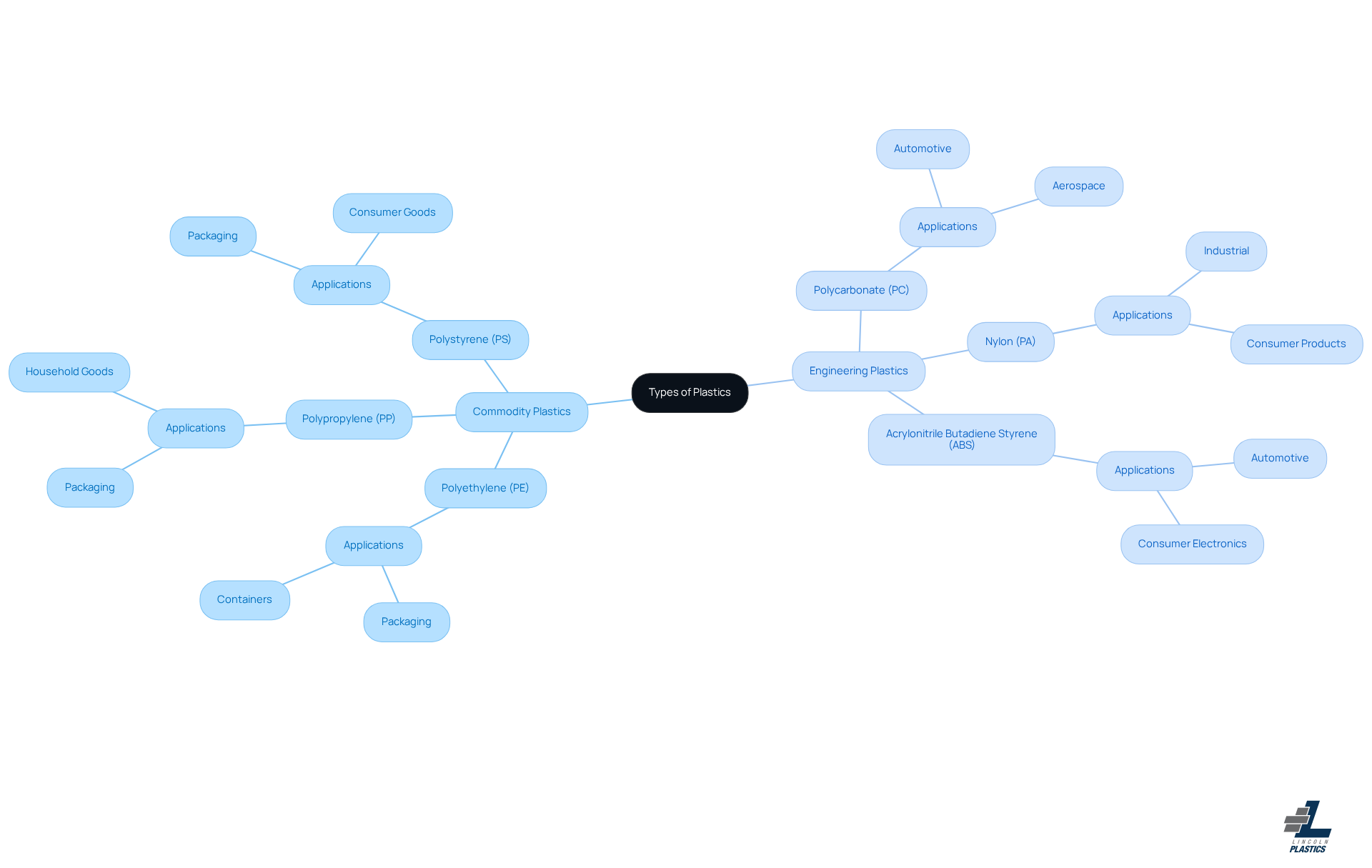
In a world where efficiency and performance are paramount, understanding the differences between commodity and synthetic materials is crucial for OEMs. Commodity plastics are mass-produced polymers designed for high-volume applications where cost efficiency is key. Examples include:
- Polyethylene (PE)
- Polypropylene (PP)
- Polystyrene (PS)
These materials have lower mechanical properties. They are widely used in everyday items like packaging, containers, and household goods. The worldwide commodity plastics market was valued at around USD 593.0 billion in 2023 and is expected to reach USD 671.96 billion by 2034, highlighting their extensive application across various sectors.
In contrast, synthetic polymers are specialized materials that provide enhanced mechanical and thermal characteristics, making them suitable for more demanding applications. Examples include:
- Polycarbonate (PC)
- Nylon (PA)
- Acrylonitrile butadiene styrene (ABS)
These materials are designed to withstand greater stress, temperature fluctuations, and chemical exposure, making them ideal for automotive, aerospace, and industrial settings. The demand for synthetic materials is driven by their performance in critical applications, especially in agriculture and office management, where durability and reliability are essential.
At Lincoln Plastics, we work closely with OEMs to ensure that their products meet all quality requirements, including special checks for ‘fit and function.’ We’ve developed a strong quality management program with dedicated quality books for each polymer profile, featuring drawings, critical in-process checks, and run documentation. We utilize multiple types of check gauges to ensure a proper end-use fit. This commitment to quality is further supported by our ISO 9001:2015 certification, ensuring that we adhere to rigorous standards throughout our manufacturing processes.
OEMs face challenges in selecting the right materials, but recent trends show that the Midwest is experiencing substantial growth in both commodity and synthetic materials, driven by improvements in manufacturing techniques and rising demand for sustainable resources. Case studies emphasize the role of commodity plastics in agricultural applications, such as irrigation systems, where their cost-effectiveness and durability are essential. Likewise, in office management, engineering materials are increasingly employed for components that require improved performance and durability. This strategic location allows us to provide quick order turnaround and efficient logistics, ensuring that OEMs can meet their production deadlines. For tailored solutions, we invite you to contact Lincoln Plastics experts for quotes or to discuss your specific needs. By choosing Lincoln Plastics, you’re not just selecting a supplier; you’re partnering with a team dedicated to your success in a competitive market.
Explore Characteristics and Applications of Commodity Plastics
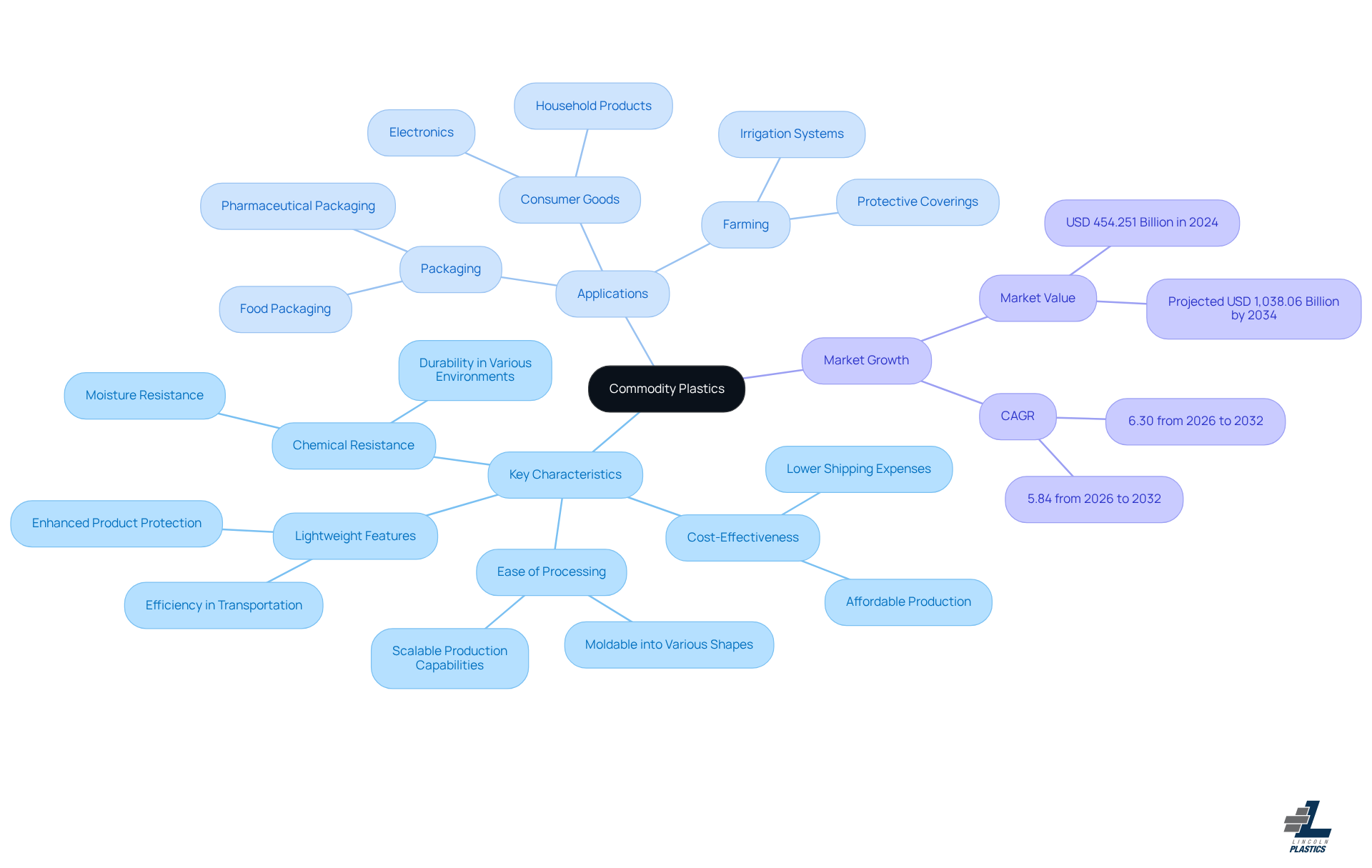
Commodity plastics offer a unique blend of cost-effectiveness and ease of processing, making them a go-to choice for high-volume production. You’ll find that these materials often boast excellent chemical resistance and lightweight features, which contribute to their extensive use in packaging, consumer goods, and disposable items. For instance, polyethylene is widely used in bags and bottles, while polypropylene is favored for food containers and automotive components due to its durability and resilience.
While commodity materials have their advantages, they often lack the durability found in engineering materials. They may struggle under extreme conditions, such as high temperatures or heavy loads, which can limit their application in demanding environments. However, the affordability and versatility of commodity plastics make them indispensable in many industries, driving continued innovation and application.
In farming, commodity plastics are increasingly utilized for purposes such as irrigation systems and protective coverings, enhancing efficiency and productivity. The continuous demand for lightweight and economical materials in packaging further emphasizes the importance of commodity plastics. The market was valued at USD 454.251 billion in 2024 and is expected to expand from USD 598.58 billion in 2025 to USD 1,038.06 billion by 2034, with a compound annual growth rate (CAGR) of 6.30% from 2026 to 2032.
Case studies demonstrate the cost-effective uses of commodity plastics in packaging, where their lightweight characteristics and durability lead to lower shipping expenses and enhanced product protection. As industries evolve, the strategic use of commodity materials will be crucial in meeting the growing demand for sustainable and efficient solutions.
Examine Features and Applications of Engineering Plastics
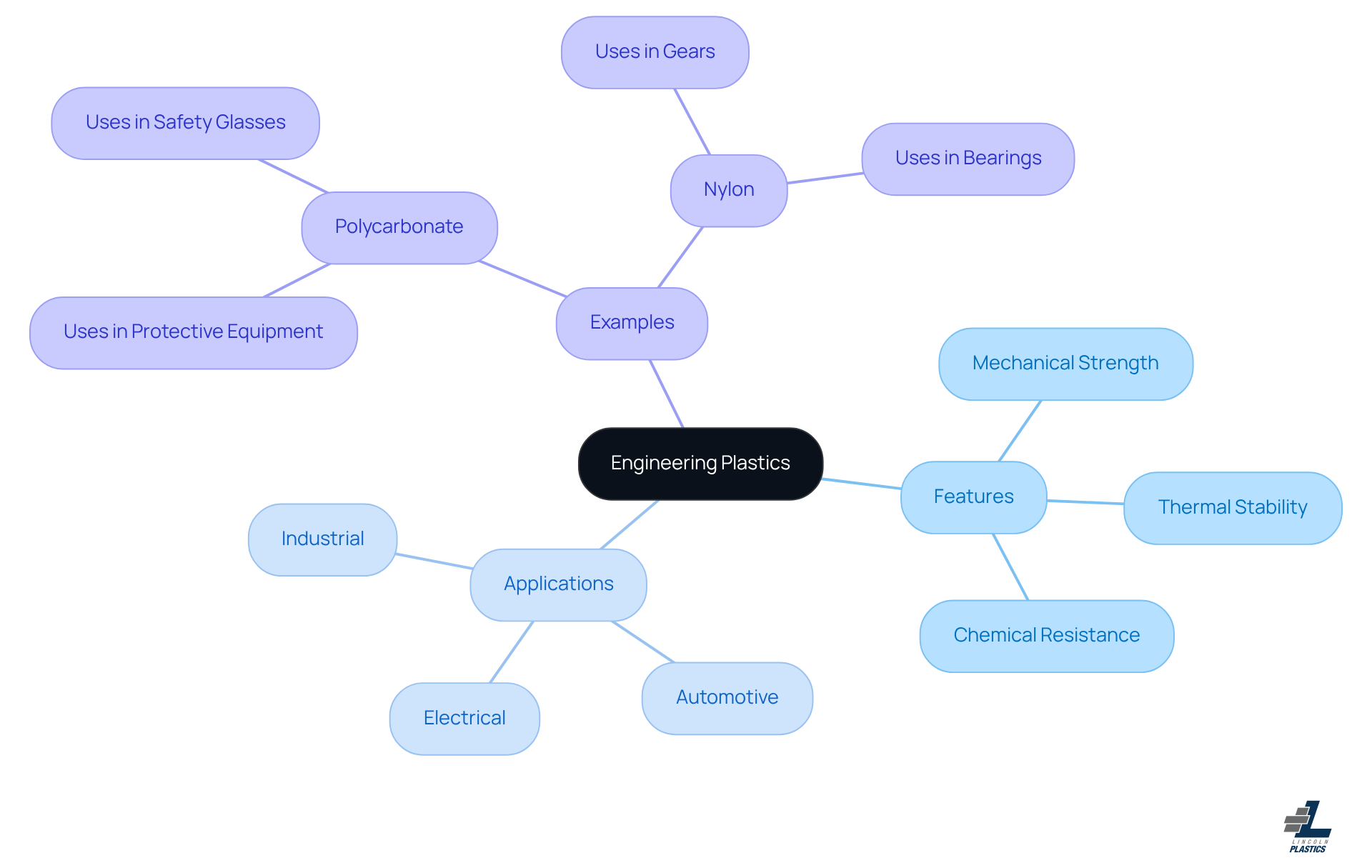
In a world where performance standards are non-negotiable, engineering materials must deliver unmatched strength and reliability. Designed to meet rigorous performance standards, these materials offer superior mechanical strength, thermal stability, and chemical resistance. They are essential in applications where durability and reliability are paramount, such as automotive components, electrical housings, and industrial machinery.
For instance, polycarbonate is renowned for its impact resistance, making it a popular choice for safety glasses and protective equipment. Nylon, recognized for its wear resistance, is frequently utilized in gears and bearings. Have you considered how the ability of synthetic materials to withstand severe conditions makes them the favored choice for OEMs seeking to improve product performance and durability?
We at Lincoln Plastics understand the unique challenges OEMs face and work closely with you to ensure your products meet all quality requirements, including special checks for ‘fit and function.’ Our quality system, certified to ISO 9001:2015, features a dedicated quality book for your polymer profile. This includes detailed drawings, essential in-process checks, and comprehensive run documentation. This careful method ensures that our synthetic materials not only meet but surpass the expectations of our clients.
Recent advancements in engineering plastics have further expanded their applications. The automotive industry, for instance, is progressively utilizing lightweight and flame-retardant substances to adhere to strict regulations and enhance fuel efficiency. Companies are now collaborating with high-end OEMs to create specialized substances that meet the evolving demands of the market. If OEMs fail to adapt to these innovations, they risk falling behind in a rapidly evolving market.
Case studies demonstrate the increasing dependence on synthetic materials in automotive uses. Ford Motor Company's initiative to incorporate recycled and bio-based materials into vehicles reflects a broader industry trend towards sustainability. This shift not only addresses environmental concerns but also enhances the performance characteristics of automotive components.
As the materials market continues to evolve, innovations such as high-temperature-resistant polymers and nanocomposites are emerging, providing improved properties that address the specific needs of OEMs. These advancements highlight the essential role synthetic materials play in contemporary manufacturing, enhancing efficiency and performance across diverse sectors.
For tailored solutions and quotes, we invite OEMs to contact Lincoln Plastics experts, who are committed to excellence and customer partnership. By partnering with Lincoln Plastics, you’re not just choosing materials; you’re investing in the future of your products. Our strategic location in Lincoln, Nebraska, enables quick order turnaround and efficient logistics, ensuring that we meet your needs promptly.
Compare Pros and Cons of Commodity vs. Engineering Plastics
When it comes to selecting the right plastic for your project, understanding the stark differences between commodity and engineering plastics is crucial.
Pros of Commodity Plastics:
- Cost-Effective: Imagine cutting costs while meeting high-volume demands - commodity plastics offer just that.
- Ease of Processing: The simple manufacturing processes of commodity plastics enable quick turnaround times, making them a go-to choice for many applications.
- Versatility: These plastics are appropriate for a broad spectrum of daily uses, from packaging to household items.
Cons of Commodity Plastics:
- Lower Mechanical Properties: This means they might not hold up under pressure when you need them most, making them unsuitable for high-stress applications.
- Limited Temperature Resistance: Commodity plastics may deform or degrade under extreme conditions, which can lead to failures in critical situations.
Pros of Engineering Plastics:
- Superior Performance: With enhanced mechanical and thermal properties, engineering plastics excel in demanding applications where reliability is key.
- Durability: They offer better resistance to wear, chemicals, and environmental factors, ensuring longevity in challenging environments.
Cons of Engineering Plastics:
- Higher Costs: While they deliver superior performance, the higher costs can strain your budget if not planned for.
- Complex Processing: Manufacturing these plastics may require specialized equipment and techniques, adding to the complexity of your project.
Choosing the right plastic can significantly influence your project's success, so weigh your options carefully to avoid costly mistakes.

Assess Impact of Material Choice on Procurement Strategies
As we approach 2026, the choice between commodity and technical materials is pivotal for OEMs aiming to optimize procurement strategies. Choosing commodity plastics can reduce material expenses and speed up production schedules, making them attractive for projects constrained by budget and time. However, this choice often compromises performance and durability. As a result, it can lead to increased maintenance and replacement costs over time.
On the other hand, while synthetic materials usually involve greater upfront costs, they provide considerable long-term savings due to their enhanced durability and lower failure rates. For instance, engineering plastics like Polyamide and Polycarbonate are designed to withstand severe conditions, making them ideal for applications that demand high mechanical strength and thermal resistance. This durability translates into fewer production disruptions and lower maintenance costs, ultimately boosting operational efficiency.
Moreover, Lincoln Plastics, strategically located in the Midwest, offers logistical advantages that facilitate quick order turnaround and efficient shipping. The company is committed to quality, as evidenced by its ISO 9001:2015 certification and robust quality management program, which includes dedicated quality plans and in-process checks.
OEMs should take a close look at their application needs, production capabilities, and budget constraints when selecting materials. A strategic procurement approach that aligns material choice with operational needs not only improves product quality but also fosters long-term partnerships with suppliers. Considering the total cost of ownership, including lifecycle costs and sustainability factors, helps OEMs make informed decisions. This approach supports their operational goals as the market evolves toward 2026. Additionally, addressing potential risks associated with geopolitical developments and feedstock availability will be crucial for navigating the complexities of the procurement landscape.

Conclusion
Navigating the complexities of material selection is crucial for OEMs seeking to enhance production efficiency and product performance. While commodity plastics offer cost-effective solutions for high-volume applications, engineering plastics provide the durability and mechanical strength necessary for more demanding environments. With this knowledge, OEMs can confidently make choices that fit their operational needs and budgets.
Throughout the article, key insights were shared regarding the characteristics, applications, and implications of choosing between these two types of plastics. Commodity plastics, such as polyethylene and polypropylene, excel in affordability and versatility, making them suitable for everyday items and agricultural applications. Conversely, engineering plastics like polycarbonate and nylon are designed for high-performance applications, offering superior strength and resistance to harsh conditions. The strategic location of Lincoln Plastics in the Midwest further enhances logistics and order turnaround, ensuring that OEMs can meet their production deadlines efficiently.
However, choosing the right material can make all the difference in procurement strategies and operational efficiency. By carefully evaluating the pros and cons of each plastic type, OEMs can foster long-term partnerships with suppliers like Lincoln Plastics, who are committed to quality and customer success. Embracing a strategic approach to material selection not only enhances product quality but also positions OEMs to thrive in an evolving market landscape. By partnering with Lincoln Plastics, OEMs can not only improve their material choices but also secure a competitive edge in the market.
Frequently Asked Questions
What are commodity plastics?
Commodity plastics are mass-produced polymers designed for high-volume applications where cost efficiency is key. Examples include polyethylene (PE), polypropylene (PP), and polystyrene (PS). They are widely used in everyday items like packaging, containers, and household goods.
What are engineering plastics?
Engineering plastics are specialized synthetic polymers that provide enhanced mechanical and thermal characteristics, making them suitable for demanding applications. Examples include polycarbonate (PC), nylon (PA), and acrylonitrile butadiene styrene (ABS). These materials are ideal for automotive, aerospace, and industrial settings due to their ability to withstand greater stress and temperature fluctuations.
How is the market for commodity plastics expected to grow?
The worldwide commodity plastics market was valued at around USD 593.0 billion in 2023 and is expected to reach USD 671.96 billion by 2034, indicating extensive application across various sectors.
What are the advantages of using commodity plastics?
Commodity plastics offer cost-effectiveness, ease of processing, excellent chemical resistance, and lightweight features, making them ideal for high-volume production in packaging, consumer goods, and disposable items.
What are the limitations of commodity plastics?
While commodity plastics are affordable and versatile, they often lack the durability found in engineering materials and may struggle under extreme conditions, such as high temperatures or heavy loads, limiting their application in demanding environments.
How are commodity plastics used in agriculture?
Commodity plastics are increasingly utilized in agriculture for purposes such as irrigation systems and protective coverings, enhancing efficiency and productivity.
What is the expected growth for the commodity plastics market in the coming years?
The market for commodity plastics was valued at USD 454.251 billion in 2024 and is expected to expand from USD 598.58 billion in 2025 to USD 1,038.06 billion by 2034, with a compound annual growth rate (CAGR) of 6.30% from 2026 to 2032.
How does Lincoln Plastics ensure quality in their products?
Lincoln Plastics has developed a strong quality management program with dedicated quality books for each polymer profile, featuring drawings, critical in-process checks, and run documentation. They are ISO 9001:2015 certified, ensuring adherence to rigorous standards throughout their manufacturing processes.
What logistical advantages does Lincoln Plastics offer?
Lincoln Plastics' strategic location in the Midwest enables quick order turnaround and efficient logistics, including less-than-truckload shipping and international delivery, ensuring that OEMs can meet their production deadlines.
How can OEMs get tailored solutions from Lincoln Plastics?
OEMs are invited to contact Lincoln Plastics experts for quotes or to discuss specific needs, emphasizing the company's commitment to partnering with clients for success in a competitive market.
List of Sources
- Define Commodity Plastics and Engineering Plastics
- Commodity Plastics Industry Report 2024: Global Market to Reach $939.2 Billion by 2030, Driven by Increased Utilization in Packaging, Construction, Automotives, Electronics, and Consumer Goods (https://uk.finance.yahoo.com/news/commodity-plastics-industry-report-2024-101000211.html)
- Tracking Emerging Trends in the Commodity Plastic Market: Projected Growth and a CAGR of 12.8% from 2026 to 2033 (https://linkedin.com/pulse/tracking-emerging-trends-commodity-plastic-market-projected-3uvke)
- Plastic Pollution (https://ourworldindata.org/plastic-pollution)
- Commodity Plastics Market Size to Enhance USD 671.96 Bn by 2034 (https://finance.yahoo.com/news/commodity-plastics-market-size-enhance-150000615.html)
- Commodity Plastics Market to Reach USD 650 Billion by 2033 with a Steady 5.0% CAGR Driven by Rising Industrial Demand and Material Innovation - Market Research Intellect (https://prnewswire.com/news-releases/commodity-plastics-market-to-reach-usd-650-billion-by-2033-with-a-steady-5-0-cagr-driven-by-rising-industrial-demand-and-material-innovation---market-research-intellect-302634030.html)
- Explore Characteristics and Applications of Commodity Plastics
- Commodity Plastics Market to Reach USD 715.2023 Billion by 2032, Driven by Expanding Packaging Applications and Rising Consumer Goods Demand: Verified Market Research (https://finance.yahoo.com/markets/commodities/articles/commodity-plastics-market-reach-usd-155900996.html)
- Commodity Plastics Market: Forecast & Research Report, 2034 (https://polarismarketresearch.com/industry-analysis/commodity-plastics-market)
- Commodity Plastics Market Sees USD 692.12 Bn by 2035 (https://towardspackaging.com/insights/commodity-plastics-market-sizing)
- Commodity Plastic Market Size and YoY Growth Rate, 2026-2033 (https://coherentmarketinsights.com/industry-reports/commodity-plastic-market)
- Examine Features and Applications of Engineering Plastics
- Interplas | Latest Automotive Plastics Material News (https://interplasinsights.com/plastics-materials/automotive-plastics-materials-news)
- In-Depth Study of the Engineering Plastics in Automotive Market: Market Size, Dynamics, and Growth Projections from 2026 to 2033 with a 8.8% CAGR (https://linkedin.com/pulse/in-depth-study-engineering-plastics-automotive-market-qt4df)
- Engineering Plastics Market Size, Growth & Trends by 2034 (https://theinsightpartners.com/reports/engineering-plastics-market)
- Engineering Plastics Market Share & Opportunities 2026-2033 (https://coherentmarketinsights.com/market-insight/engineering-plastics-market-2162)
- Compare Pros and Cons of Commodity vs. Engineering Plastics
- Engineering Plastics vs. Commodity Plastics: Performance Comparison and Industry Suitability Analysis - Technical Support - DXTSEALS (https://dxtseals.com/articles/engineering-plastics-vs-commodity-plastics-performance-comparison-and-industry-suitability-analysis)
- Engineering Plastics vs Commodity Plastics (https://industrialplastics.com.au/engineering-plastics-vs-commodity-plastics)
- Commodity plastics vs. Engineering plastics: What's the Difference? - Chiggo (https://chiggofactory.com/commodity-plastics-vs-engineering-plastics)
- Engineering vs Commodity Plastic in Injection Molding (https://banshuplastic.com/insight/engineering-plastic-vs-commodity-plastic-choosing-the-right-material-for-industrial-applications)
- Engineered Grade Plastics vs Commodity Grade Plastics (https://rmcplastics.com/engineered-grade-plastics-vs-commodity-grade-plastics)
- Assess Impact of Material Choice on Procurement Strategies
- Tips for Building a Smarter Resin Purchasing Strategy in 2026 (https://mholland.com/market-insights/tips-for-building-a-smarter-resin-purchasing-strategy-in-2026)
- Engineering Plastics vs Commodity Plastics | Bost 2026 Guide (https://gz-bost.com/blog/engineering-plastics-vs-commodity-plastics-7-vital-differences-for-high-stress-applications-2026-guide.html)
- 2026 Forecast for U.S. Plastics Procurement - Sterling Plastics (https://sterlingplasticsinc.com/insights/2026-forecast-for-plastics-procurement)
- Engineering vs Commodity Plastic in Injection Molding (https://banshuplastic.com/insight/engineering-plastic-vs-commodity-plastic-choosing-the-right-material-for-industrial-applications)
- Maximize Procurement Efficiency with a Plastics Chart Strategy (https://lincoln-plastics.com/news-post/maximize-procurement-efficiency-with-a-plastics-chart-strategy)
Related posts

Discover the key benefits of plastic PVC extrusion profiles for OEMs, enhancing efficiency and cost savings.


Discover top PVC extrusion manufacturers providing custom solutions for diverse industrial needs.
Discover how to select the best extruded plastics manufacturers for your project needs.
