
Choose the Right PVC Type for Your Custom Extrusion Projects
Introduction
The right choice of PVC is crucial for the success of custom extrusion projects, influencing durability and performance in significant ways. With two primary categories - rigid and flexible - understanding their distinct characteristics and applications is essential for making informed decisions. Navigating the complexities of PVC selection can lead to costly mistakes if not approached correctly. With so many factors at play, like environmental conditions and regulations, how do you navigate the complexities of PVC selection to get the best results? Making informed decisions about PVC can significantly enhance project success and performance.
Understand the Basics of PVC Types
Choosing the right PVC for your extrusion project can be a game-changer in achieving optimal performance and durability. PVC, or Polyvinyl Chloride, is a flexible thermoplastic polymer extensively utilized in various applications, especially in extrusion. There are two main PVC types: rigid and flexible.
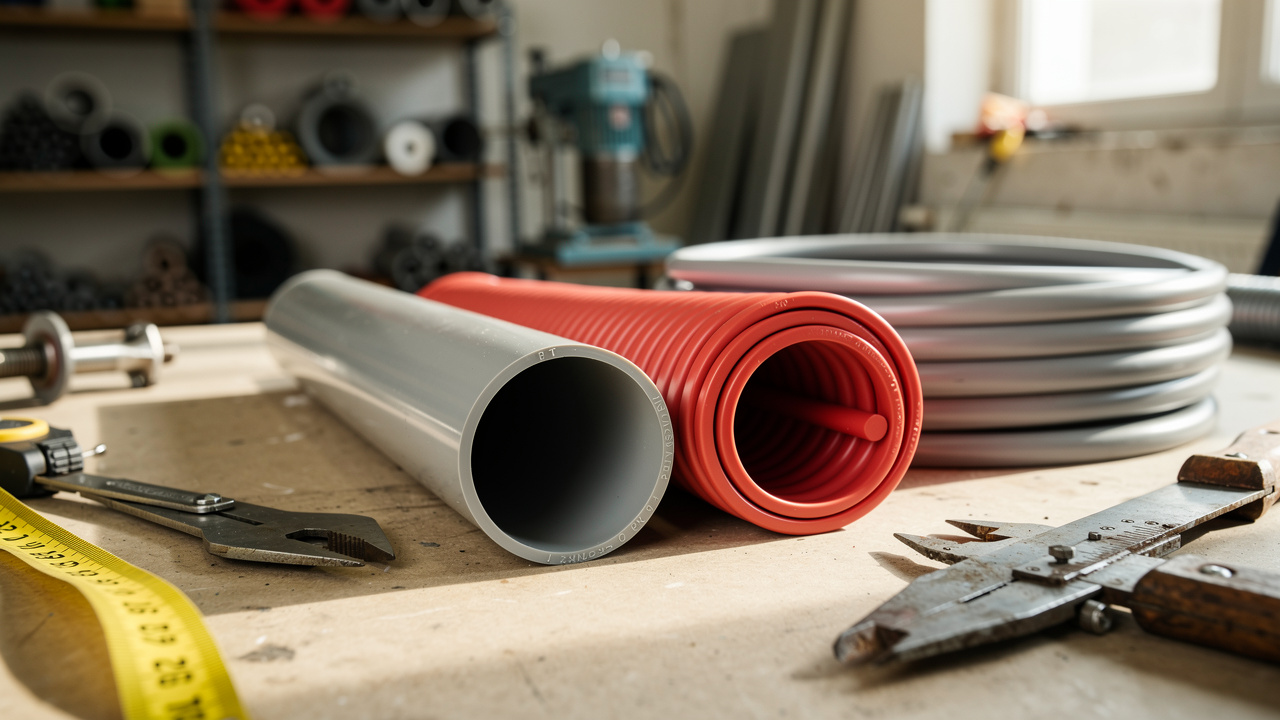
- Rigid PVC (uPVC): This type is recognized for its strength and durability, making it ideal for structural uses such as pipes, profiles, and fittings. It is frequently utilized in construction and industrial settings due to its outstanding mechanical characteristics and resistance to environmental factors.
- Flexible PVC: This variant is modified with plasticizers to enhance its flexibility and softness. It is commonly used in applications requiring bending or movement, such as electrical cable insulation, inflatable products, and flexible tubing.
By understanding these PVC categories, you can confidently select the right material for your extrusion project. This knowledge not only ensures quality but also enhances the success of your projects.

Evaluate Characteristics and Applications of PVC Types
Choosing the right PVC for custom extrusion is crucial for ensuring product performance and longevity. When evaluating PVC types, consider their characteristics and applications:
- Rigid PVC:
Characteristics: High tensile strength, excellent impact resistance, and UV stability. It is also flame retardant and has good chemical resistance.
Applications: Commonly used in construction for pipes, window frames, and doors. It is also utilized in manufacturing durable products like medical devices and automotive parts. At Lincoln Plastics, we ensure our rigid profiles meet all defined critical dimensions through a robust quality system, which includes dedicated quality documentation, in-process checks, and various check gauges to guarantee a proper end-use fit. - Flexible PVC:
Characteristics: Soft and pliable, with good abrasion resistance and electrical insulation properties. It can be formulated to meet specific flexibility requirements.
Applications: Widely used in electrical cable sheathing, inflatable products, and flexible tubing for various industrial applications. Lincoln Plastics can easily source colors that align with your Pantone specifications for consistency across manufacturers.
Understanding the characteristics of the PVC type not only streamlines your selection process but also enhances the overall success of your project.

Assess Your Project Requirements and Constraints
Choosing the right PVC type for your custom extrusion project is crucial for guaranteeing optimal performance and longevity. Selecting the appropriate PVC type requires a thorough evaluation of specific requirements and constraints:
- Environmental Conditions: Assess the intended use of the final product. For instance, rigid PVC is often favored for outdoor applications due to its resilience against extreme temperatures and moisture. In contrast, flexible PVC is generally more suitable for indoor settings where bending or movement is necessary.
- Mechanical Requirements: Identify the necessary strength and flexibility for your use case. Rigid PVC excels in structural components, offering durability, while flexible PVC is tailored for applications that require adaptability and movement.
- Regulatory Standards: Confirm that the selected PVC variety complies with relevant industry regulations, especially for uses in healthcare and food packaging. Adherence to these standards is essential to guarantee safety and quality.
- Cost Considerations: Analyze your budget constraints. While rigid PVC may deliver superior performance in certain scenarios, flexible PVC can provide a more economical solution for specific applications.
Choosing the right PVC type can be daunting, given the numerous factors to consider. Ultimately, the right PVC selection can significantly impact the success of your project, making it essential to evaluate your options carefully.

Select the Right PVC Type for Your Custom Extrusion Needs
Choosing the right PVC type for your custom extrusion project is crucial for ensuring quality and efficiency. This process involves a systematic approach:
- Review Your Assessments: Begin by revisiting the characteristics of rigid and flexible PVC, alongside your project requirements and constraints. Compile a list of critical factors that your final product must satisfy.
- Consult with Experts: Engage with material suppliers or extrusion specialists to discuss your specific needs. Their insights can guide you toward the best PVC options, leveraging their experience and knowledge of the latest materials and trends in the industry.
- Prototype Testing: If feasible, create prototypes using the chosen PVC varieties. This step allows you to evaluate the material's performance under real-world conditions, enabling you to make necessary adjustments before final production.
- Finalize Your Selection: After thorough assessments, expert consultations, and prototype testing, make your final choice on the PVC variety. Ensure that your choice aligns with your objectives and quality standards.
Choosing the right PVC type is not just about meeting specifications; it’s about enhancing the quality of your project and safeguarding your investment in the long run.

Conclusion
Selecting the right PVC type is crucial for the success of your custom extrusion projects. The distinction between rigid and flexible PVC plays a pivotal role in determining the performance and longevity of your products. Understanding the unique properties of each PVC type helps you make informed decisions that can boost your project's success.
Key insights from the article highlight the importance of assessing:
- Environmental conditions
- Mechanical requirements
- Regulatory standards
- Cost considerations
when selecting the right PVC. Rigid PVC excels in structural applications due to its strength and durability, while flexible PVC is better suited for projects requiring adaptability and movement. Have you considered consulting with experts and conducting prototype tests to ensure your material aligns with project goals? This further solidifies the selection process, ensuring that the chosen material meets your project objectives.
Ultimately, choosing the right PVC type is a strategic decision that can greatly influence the success of your custom extrusion projects. By carefully evaluating options and leveraging expert guidance, you can select the ideal PVC that meets specific needs, thereby safeguarding investments and enhancing overall quality. The right PVC choice not only protects your investment but also ensures the longevity and effectiveness of your products.
Frequently Asked Questions
What is PVC and why is it important in extrusion projects?
PVC, or Polyvinyl Chloride, is a flexible thermoplastic polymer that is extensively used in various applications, especially in extrusion. Choosing the right type of PVC is crucial for achieving optimal performance and durability in projects.
What are the two main types of PVC?
The two main types of PVC are rigid PVC (uPVC) and flexible PVC.
What are the characteristics of rigid PVC?
Rigid PVC (uPVC) is known for its strength and durability, making it suitable for structural uses such as pipes, profiles, and fittings. It is commonly used in construction and industrial settings due to its excellent mechanical properties and resistance to environmental factors.
How is flexible PVC different from rigid PVC?
Flexible PVC is modified with plasticizers to enhance its flexibility and softness, making it suitable for applications that require bending or movement, such as electrical cable insulation, inflatable products, and flexible tubing.
How does understanding PVC types benefit extrusion projects?
Understanding the differences between rigid and flexible PVC allows for informed material selection, ensuring quality and enhancing the success of extrusion projects.
List of Sources
- Assess Your Project Requirements and Constraints
- linkedin.com (https://linkedin.com/pulse/procurement-professionals-quotes-inspiration-reena-daba)
- Select the Right PVC Type for Your Custom Extrusion Needs
- Custom Plastic Extrusion Case Studies | SFR Industries (https://sfrindustries.com/case_studies)
- Choosing the Right Plastic for Your Extrusion (https://paulmurphyplastics.com/industry-news-blog/choosing-the-right-plastic-for-your-extrusion)
- Choosing Materials for Plastic Extrusion - PET (https://plasticextrusiontech.net/choosing-the-right-materials-for-plastic-extrusion)
- jurryextrusion.com (https://jurryextrusion.com/news/china-to-dominate-36-of-global-plastic-demand-in-2026-what-this-means-for-pvc-pipe-extruder-buyers-market-analysis-5-strategic-insights)
Related posts

Why Custom Pipe Extrusion Matters More Than Ever
Standard pipe sizes don’t always work. Learn how Lincoln Plastics delivers custom diameters, wall thicknesses, and finishes in right-sized runs.


Reducing Trip Hazards with Custom Cord Management
Loose cords are more than messy — they’re a safety hazard. Lincoln Plastics’ custom cord covers and Flexiduct solutions improve safety and efficiency.
The Power of Custom Plastic Profiles for OEMs
Off-the-shelf profiles force compromises. Learn how Lincoln Plastics designs custom extruded profiles for OEMs with exact specs and right-sized runs.
