
Best Practices for Using Non Porous Plastic in Manufacturing
Introduction
Non-porous plastics are revolutionizing manufacturing by providing unmatched resistance to moisture and gases, essential for product integrity. Industries from agriculture to healthcare are increasingly relying on these materials. Understanding how to select and use them effectively is essential. Manufacturers face increasing pressure to meet sustainability goals while ensuring product quality.
How can they navigate these challenges? This article will explore the characteristics and applications of non-porous plastics and share best practices for effective utilization, highlighting the importance of rigorous quality management and innovative solutions in this evolving field.
Define Non-Porous Plastics and Their Characteristics
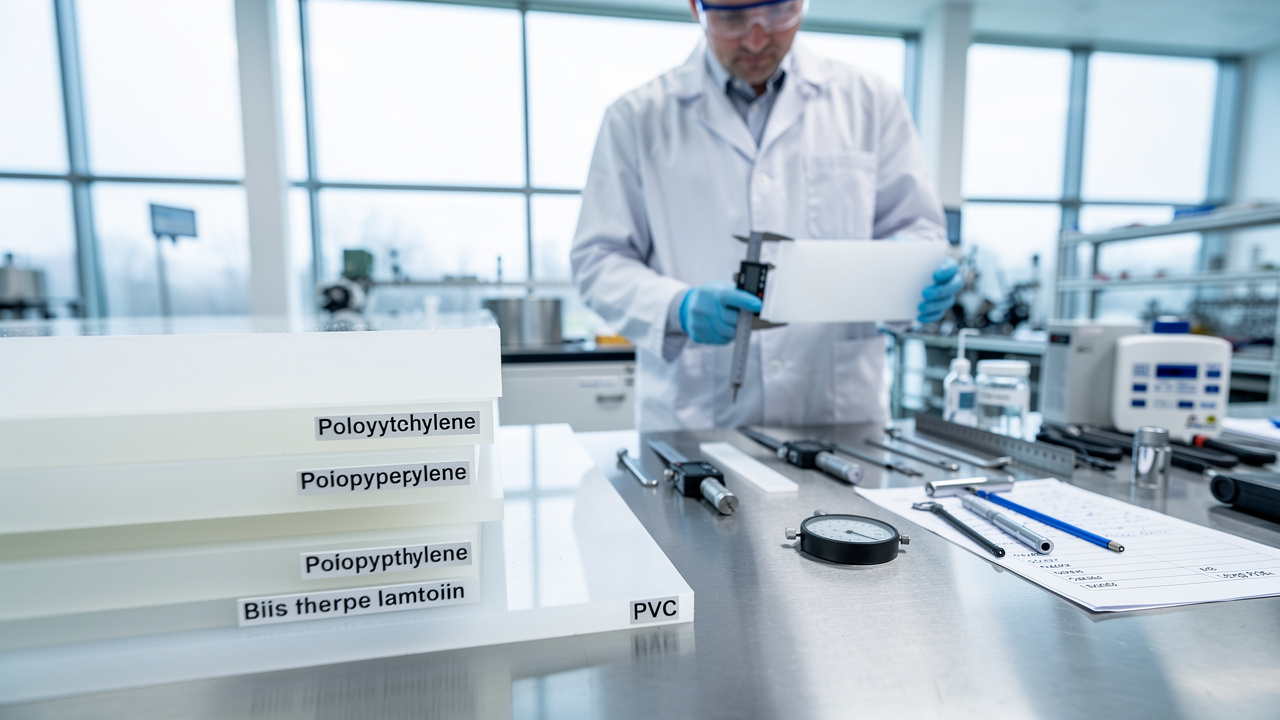
Non-porous plastic materials are revolutionizing industries by providing unmatched resistance to moisture and gases, ensuring product integrity in critical applications. Common examples include polyethylene (PE), polypropylene (PP), and polyvinyl chloride (PVC). Their non-porous plastic properties make them perfect for applications needing moisture and gas resistance. This characteristic of non-porous plastic is especially beneficial in settings where cleanliness is crucial, such as food packaging and medical instruments, as it efficiently prevents contamination and maintains product integrity.
Recent advancements in impermeable materials have emphasized their superior characteristics, such as increased chemical resistance and longevity. For instance, polypropylene is known for its ability to withstand significant physical wear and tear without cracking, peeling, or chipping, making it suitable for demanding applications like greenhouse bench tops. Case studies demonstrate that the adoption of nonporous polypropylene bench tops enhances greenhouse functionality and efficiency, contributing to healthier plant cultivation and improved crop yields.
Recent data indicates that worldwide synthetic material production hit around 430.9 million metric tons in 2024, with a considerable share allocated to impermeable substances utilized in different sectors. Furthermore, what happens to the vast majority of these materials once they reach the end of their life cycle? It is crucial to recognize that 70% of these materials are not recycled, ending up in landfills or oceans, which highlights the environmental consequences of their use. As industries recognize the environmental impact, how will they adapt their practices to ensure sustainability? The demand for non-porous plastic materials continues to increase, driven by their essential role in maintaining cleanliness and preventing contamination in critical applications. As the industry grapples with sustainability, the future of impermeable materials will depend on innovative recycling solutions and responsible usage.

Explore Applications of Non-Porous Plastics in Manufacturing
Non-porous plastic materials are essential components that drive efficiency in manufacturing sectors. In agriculture, non-porous plastic pipes play a crucial role in irrigation systems, ensuring reliable water delivery without leakage. This reliability is crucial. Did you know that switching to energy-efficient irrigation systems could eliminate the need for four coal-fired power plants? This significant reduction in water loss not only improves efficiency but could also save billions in energy costs.
At Lincoln Plastics in Nebraska, we specialize in custom profile extrusions with PVC, ensuring every product meets rigorous standards through our ISO 9001:2015 certification and committed management plans. We utilize multiple types of check gauges to ensure a proper end-use fit, reinforcing our commitment to quality and customization.
In the medical sector, impermeable substances are crucial for surgical tools and sterile packaging, ensuring safety and hygiene standards. Furthermore, these materials are vital in electrical conduits, where moisture resistance is not just important - it's essential for safety and performance.
The adaptability of impermeable materials in these challenging settings highlights their significance in improving operational efficiency and product dependability across sectors. Embracing non-porous plastic is not merely a choice; it's a strategic decision that can redefine your operational success.

Implement Best Practices for Selecting and Using Non-Porous Plastics
When it comes to selecting impermeable materials, manufacturers face critical challenges that can impact product safety and performance. Are you prioritizing the right factors when choosing impermeable materials, like chemical compatibility and temperature resistance? It's crucial to work closely with resin suppliers to ensure your chosen materials meet the specific application needs. Comprehensive testing in real-world scenarios is essential to evaluate the performance of non porous plastic materials, ensuring they meet operational requirements.
Furthermore, producers must adhere to the EU Regulation 2025/351, effective from March 16, 2025, which introduces new safety and standard control requirements for food-contact materials. This regulation highlights why it's vital to ensure that the substances in your plastic materials meet strict purity standards to prevent harmful components from entering food. It's also essential to remove or decrease contaminants in source materials and final items to safe levels, preserving item standards and adherence to regulations.
At Lincoln Plastics, situated in Lincoln, Nebraska, we collaborate closely with OEMs to ensure their products satisfy all standards, including special checks for ‘fit and function’. Our strong management program, certified to ISO 9001:2015, includes dedicated plans, process check sheets, and the use of various types of check gauges to ensure a proper end-use fit. We also keep a dedicated standards book for your polymer profile, which includes drawings, essential in-process checks, and run documentation. Implementing effective handling and storage practices is crucial to prevent contamination and degradation of materials prior to use. Frequent training sessions for employees on the characteristics and appropriate management of impermeable materials can greatly improve item standards and operational effectiveness. By prioritizing these practices, manufacturers not only ensure compliance but also safeguard their reputation and customer trust. For tailored solutions, we invite you to contact Lincoln Plastics experts for quotes and further assistance.

Ensure Quality Control and Compliance in Non-Porous Plastic Manufacturing
To excel in the production of non porous plastic, companies must implement rigorous control systems that ensure quality and compliance. It’s essential for firms like Lincoln Plastics to conduct regular inspections and testing of both raw materials and finished products. Adhering to industry standards, particularly ISO 9001:2015, guarantees that manufacturing processes align with regulatory requirements. Lincoln Plastics' robust management program includes dedicated reference books that document critical dimensions, in-process checks, and run documentation, ensuring that products meet all standards.
However, many manufacturers struggle to keep up with evolving regulations and quality standards. Furthermore, adherence to the Ecodesign for Sustainable Goods Regulation (ESPR) and the Single-Use Plastics Directive is crucial for tackling sustainability issues and improving recyclability. Establishing meticulous documentation practices is crucial. They enable effective tracking of material properties and production processes. Moreover, utilizing advanced technologies, such as in-line performance monitoring systems, significantly enhances the ability to identify defects in real-time. This proactive approach allows for immediate corrective actions, minimizing production downtime and ensuring consistent product quality.
Manufacturers must also consider the Basel Convention guidelines on waste management. How can they ensure compliance? By integrating these practices, Lincoln Plastics not only meets regulatory requirements but also improves operational efficiency and market competitiveness. By prioritizing these practices, Lincoln Plastics positions itself as a leader in quality and sustainability, setting a benchmark for the industry.

Conclusion
Non-porous plastics are not just materials; they are game-changers in manufacturing processes across various industries. They offer unparalleled resistance to moisture and gases, enhancing product integrity. Moreover, they play a crucial role in maintaining cleanliness and preventing contamination. Yet, many manufacturers struggle with contamination issues that threaten product integrity. As industries are starting to see just how crucial these materials are, the strategic selection and application of non-porous plastics become essential for operational success.
Throughout this article, we’ve shared key insights regarding the characteristics and applications of non-porous plastics. From their vital role in agriculture and medical sectors to the importance of adhering to compliance standards, we highlighted how these materials contribute to efficiency and safety. Additionally, the emphasis on quality control and rigorous management practices, particularly at Lincoln Plastics, underscores our commitment to excellence in manufacturing. The integration of ISO 9001:2015 certification and dedicated quality plans ensures that our products not only meet but exceed industry standards.
As the demand for non-porous plastics continues to rise, manufacturers are called to adopt best practices that prioritize quality and sustainability. This shift not only enhances product quality but also boosts operational efficiency. By collaborating with experts and implementing effective handling and testing protocols, companies can enhance their operational effectiveness while safeguarding their reputation. For tailored solutions and expert guidance, contact Lincoln Plastics. We can help you implement innovative and compliant manufacturing practices that meet the industry's evolving needs. Embracing non-porous plastics could redefine your operational standards and set you apart in a competitive market.
Frequently Asked Questions
What are non-porous plastics?
Non-porous plastics are materials that provide exceptional resistance to moisture and gases, ensuring product integrity in critical applications. Common examples include polyethylene (PE), polypropylene (PP), and polyvinyl chloride (PVC).
What are the characteristics of non-porous plastics?
Non-porous plastics are characterized by their ability to prevent moisture and gas penetration, making them ideal for applications requiring cleanliness, such as food packaging and medical instruments. They also exhibit increased chemical resistance and longevity.
How does polypropylene perform in demanding applications?
Polypropylene is known for its durability, withstanding significant physical wear and tear without cracking, peeling, or chipping. This makes it suitable for demanding applications like greenhouse bench tops, enhancing functionality and efficiency.
What is the current trend in synthetic material production?
As of 2024, worldwide synthetic material production reached approximately 430.9 million metric tons, with a significant portion allocated to impermeable substances used across various sectors.
What environmental concerns are associated with non-porous plastics?
A major concern is that 70% of non-porous plastics are not recycled and end up in landfills or oceans, highlighting the environmental impact of their use. This raises questions about sustainability and the need for innovative recycling solutions.
Why is the demand for non-porous plastics increasing?
The demand for non-porous plastics is rising due to their essential role in maintaining cleanliness and preventing contamination in critical applications, particularly in industries that prioritize hygiene and product integrity.
List of Sources
- Define Non-Porous Plastics and Their Characteristics
- Polypropylene power: why nonporous plastics shine in greenhouse bench tops (https://duraplasinc.com/blog/polypropylene-provides-durability-and-cleanliness)
- Topic: Plastics industry worldwide (https://statista.com/topics/5266/plastics-industry)
- Plastic Statistics | 2026 Edition (https://worldmetrics.org/plastic-statistics)
- Plastics: Material-Specific Data | US EPA (https://epa.gov/facts-and-figures-about-materials-waste-and-recycling/plastics-material-specific-data)
- Explore Applications of Non-Porous Plastics in Manufacturing
- Plastics in Agriculture | Climate change | Food and Agriculture Organization of the United Nations (https://fao.org/climate-change/thematic-areas/plastics-in-agriculture)
- Plastics can be used more sustainably in agriculture - Communications Earth & Environment (https://nature.com/articles/s43247-023-00982-4)
- PVC Pipe – the Solution to Water, Energy and Carbon Waste - Vinyl (https://vinylinfo.org/news/pvc-pipe-the-solution-to-water-energy-and-carbon-waste)
- How Plastic Manufacturing is Changing Industries | Piedmont Plastics (https://piedmontplastics.com/blog/plastic-manufacturing-technology)
- Plastics News | Climate change | Food and Agriculture Organization of the United Nations (https://fao.org/climate-change/thematic-areas/plastics-in-agriculture/plastics-news/en)
- Implement Best Practices for Selecting and Using Non-Porous Plastics
- New EU Rules on Food-Contact Plastics: Updated Safety and Quality Control Requirements (https://italianfoodnews.com/en/news/new-eu-rules-on-food-contact-plastics-updated-safety-and-quality-control-requirements)
- How trade data is reshaping the fight against plastic pollution (https://unctad.org/news/how-trade-data-reshaping-fight-against-plastic-pollution)
- Plastic Pollution Statistics 2026: Facts, Data & Global Impact (https://oceanblueproject.org/plastic-pollution-statistics-key-facts-and-data-2026)
- New laws force companies to confront most polluting plastics (https://reuters.com/sustainability/society-equity/plastic-bags-wraps-pouches-face-short-shelf-life--ecmii-2026-06-28)
- Navigating Recycled Plastics Regulations in 2026 (https://sustainabilityservices.eurofins.com/news/recycled-regulations-overview-2026-for-consumer-products)
- Ensure Quality Control and Compliance in Non-Porous Plastic Manufacturing
- The compliance revolution: Why packaging manufacturers must prepare for a new regulatory era (https://plasticsnews.com/opinion/perspective/pn-anoosheh-oskouian-compliance-revolution)
- Navigating the global plastics compliance landscape (https://circularise.com/blogs/navigating-the-global-plastics-compliance-landscape---mandatory-regulations)
- Industry Standards in Quality Control for Plastics (https://plasticsindustry.org/articles/the-significance-of-industry-standards-in-quality-control-for-plastics)
- Environmentalists Demand Stricter Pollution Standards For Plastics Industry (https://courthousenews.com/environmentalists-demand-stricter-pollution-standards-for-plastics-industry)
- U.S. Regulations for Plastic Manufacturing Companies (https://plasticsengineering.org/2025/09/u-s-regulations-for-plastic-manufacturing-companies-009645)
Related posts

Discover why OEMs trust Lincoln Plastics for innovative custom extrusion solutions across industries.


Discover how L shape plastic enhances manufacturing efficiency through custom solutions and safety improvements.
Discover the characteristics and applications of l shape PVC for construction and manufacturing projects.
