
Best Practices for Using Flexible Plastics in Procurement
Introduction
Flexible plastics are revolutionizing industries with their unmatched adaptability and strength, positioning them as indispensable in modern manufacturing. As procurement professionals navigate the complexities of sourcing these materials, understanding their properties and benefits becomes crucial for enhancing operational efficiency and sustainability.
But how can organizations strike the right balance between securing high-quality flexible plastics and embracing environmentally responsible practices? This article delves into best practices for procuring flexible plastics, offering insights into:
- Material selection
- Supplier evaluation
- Sustainable strategies
These practices can redefine procurement success.
Understand the Properties and Benefits of Flexible Plastics
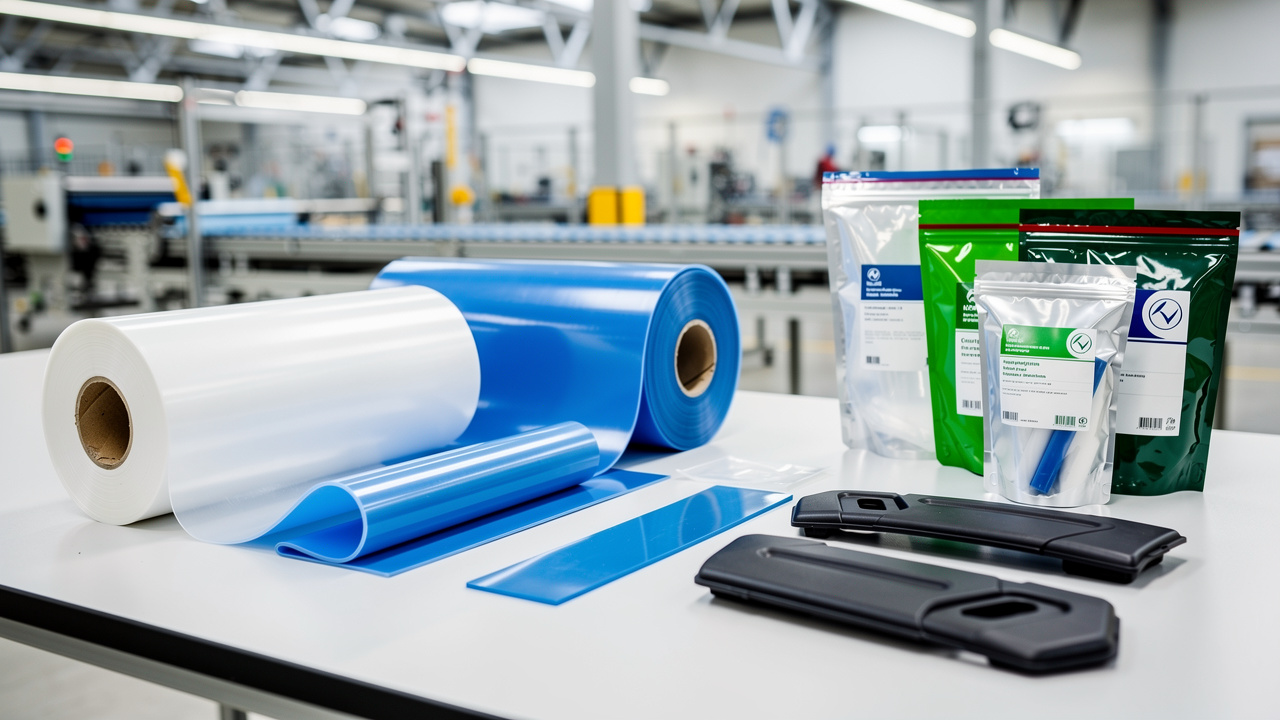
Flexible plastics are not merely materials; they serve as game-changers in various industries, providing unmatched adaptability and strength. Polyethylene (PE) and polypropylene (PP) are celebrated for their remarkable tensile strength, ensuring longevity and the ability to withstand stress without failure. Their intrinsic adaptability allows them to adjust to different shapes and applications, making them especially beneficial in packaging and protective uses, such as Lincoln Plastics' custom adaptable cord covers and cable management solutions.
Key benefits of flexible plastics include:
- Resource Efficiency: Flexible plastics typically require fewer raw materials compared to rigid alternatives, leading to lower production costs and a reduced environmental footprint.
- Versatility: Flexible plastics are applicable across a broad spectrum of industries, from packaging to automotive components, establishing them as a preferred choice for many sectors, including the innovative solutions offered by Lincoln Plastics.
- Barrier Properties: Flexible plastics frequently demonstrate excellent barrier properties against moisture, oxygen, and light, which is essential for preserving product integrity, particularly in food packaging.
Located in Lincoln, Nebraska, Lincoln Plastics specializes in manufacturing custom profile extrusions, allowing for tailored solutions that enhance workplace safety and productivity through effective cable management. The company proudly holds ISO 9001:2015 certification, reflecting its commitment to management standards and excellence in production processes. Choosing the right materials can be daunting, especially with so many options available. When you understand these properties, you can select materials that meet performance standards and align with sustainability goals, enhancing product quality and operational efficiency. Reach out to Lincoln Plastics today and discover how our tailored solutions can redefine your operational success.

Explore Applications of Flexible Plastics in Diverse Industries
Flexible materials are not just essential; they are revolutionizing industries by enhancing performance and sustainability. Key applications include:
- Packaging: Flexible plastics dominate the food and beverage sector due to their superior barrier properties, which significantly extend shelf life and minimize food waste. Common formats include resealable pouches and vacuum-sealed bags, catering to consumer convenience and product preservation. Pouches comprised over 39.2% of the adaptable packaging market share in 2023, while bags represented 31.5%.
- Automotive: In the automotive sector, adaptable materials are employed in interior elements like dashboards and door panels. Their lightweight nature contributes to improved fuel efficiency, aligning with the industry's push for sustainability and performance.
- Medical: The medical field relies heavily on flexible plastics as adaptable materials for sterile packaging and single-use instruments. These materials ensure compliance with stringent health regulations while maintaining safety and efficacy in medical applications.
- Agricultural Applications: Flexible materials play a crucial role in agriculture, particularly in the form of films used for crop protection and irrigation systems. These applications enhance productivity and resource efficiency, supporting sustainable farming practices.
Understanding these diverse applications helps procurement experts spot opportunities to integrate adaptable materials into their offerings, promoting innovation and enhancing operational efficiency. The adaptable packaging market is projected to grow significantly, reaching USD 385.2 billion by 2033, with a CAGR of 5.0% from 2023 to 2033. This growth indicates a rising necessity for innovative solutions in adaptable materials. As Shruti Chakraborty, Global Marketing Manager for Flexible Packaging, notes, "Rather than choosing between sustainability and performance, brands are increasingly expected to deliver both." However, the complexity of multi-layer structures poses significant challenges for recycling efforts.

Incorporate Sustainable Practices in Flexible Plastic Usage
Sustainability is not just a trend; it's a necessity for procurement professionals aiming to stay ahead in a competitive landscape. Here are some best practices to incorporate sustainable practices:
- Material Selection: Prioritize recyclable or biodegradable materials when sourcing flexible plastics. Utilizing post-consumer recycled (PCR) content can significantly reduce the environmental impact of new products. The adaptable synthetic packaging market, which makes up over 50% of total synthetic packaging, is increasingly moving towards integrating more recycled content, with anticipations for greater use by 2026, as emphasized by industry trends.
- Supplier Evaluation: Assess suppliers based on their sustainability practices, including their commitment to reducing waste and energy consumption in production processes. Look for certifications that demonstrate adherence to environmental standards, as these can indicate a supplier's dedication to sustainable practices.
- Lifecycle Assessment: Conduct lifecycle evaluations to assess the environmental effect of adaptable synthetic products from production to disposal. This approach helps identify improvement areas and guides better procurement decisions, making sure the chosen resources meet sustainability goals.
Collaboration involves working with suppliers and industry partners to develop innovative solutions that enhance the sustainability and recyclability of flexible plastics. Initiatives such as designing for disassembly or utilizing mono-material structures can significantly improve the end-of-life options for these products.
How can procurement professionals ensure their organizations remain competitive while adopting sustainable practices? By embracing these sustainable practices, procurement professionals can contribute to a circular economy. It also ensures their organizations remain competitive and responsible. The incorporation of advanced technologies, like AI-guided recycling systems, further bolsters these efforts by enhancing the efficiency of recycling operations and elevating the standard of recycled products. For instance, recent advancements have shown detection rates of 95% and sorting rates of 85% using digital watermarking technology, which can greatly enhance the effectiveness of recycling processes. Embracing these sustainable practices is not merely an option; it's a strategic imperative for future success in the industry.

Select Reliable Suppliers and Quality Materials for Production
Selecting the right suppliers and materials is not just important; it’s essential for effective procurement. Here are essential strategies to ensure quality and reliability:
- Supplier Assessment: Evaluate potential suppliers based on their track record for on-time delivery, product quality, and responsiveness to issues. Conducting site visits can provide valuable insights into their manufacturing capabilities and control processes. A well-organized management framework promotes continuous enhancement and ensures alignment with standards of excellence.
- Standards Control Protocols: Make sure to implement strict standards control protocols for all incoming supplies. This includes thorough inspections and testing to verify compliance with specifications and performance standards. Efficient quality management can greatly decrease product loss and improve operational effectiveness, guaranteeing that only top-grade resources are utilized in production. At Lincoln Plastics, our strong management program, certified to ISO 9001:2015, includes dedicated assurance books and in-process checks to ensure that every product meets the highest standards.
- Long-term Partnerships: Cultivating long-term relationships with reliable suppliers fosters better pricing, improved service, and collaborative problem-solving. Stronger and more reliable supplier partnerships can lead to enhanced negotiation power and operational resilience, particularly in times of market volatility.
- Documentation and Transparency: Ensure that suppliers provide comprehensive documentation regarding material specifications, certifications, and compliance with industry standards. Transparency in the supply chain is vital for maintaining quality and accountability, especially as responsible sourcing expectations continue to rise across industries.
By focusing on these strategies, procurement professionals can build a robust supply chain. This supports high-quality production and meets customer expectations. Ultimately, it enhances brand reputation and customer satisfaction. Reach out to Lincoln Plastics today to discover how we can elevate your procurement process and ensure your success.

Conclusion
Flexible plastics are not just a trend; they are revolutionizing procurement practices across industries. Their unique properties, including tensile strength and excellent barrier capabilities, make them essential for applications like packaging and automotive components. How can procurement professionals leverage these characteristics to align operational efficiency with sustainability goals?
The article highlights several best practices for effectively procuring flexible plastics. Key strategies include:
- Prioritizing recyclable materials
- Evaluating suppliers based on sustainability practices
- Implementing strict quality control protocols
Lincoln Plastics exemplifies these principles with its ISO 9001:2015 certification and commitment to rigorous quality management, ensuring that every product meets the highest standards. Additionally, fostering long-term partnerships with reliable suppliers can enhance negotiation power and operational resilience.
Incorporating these best practices not only supports a circular economy but also positions organizations to thrive in a competitive landscape. Failing to adopt these best practices could hinder organizations' ability to compete effectively in a market that increasingly values sustainability. Procurement professionals are encouraged to reach out to Lincoln Plastics for tailored solutions that can elevate their procurement processes and contribute to long-term success.
Frequently Asked Questions
What are flexible plastics and why are they important?
Flexible plastics, such as polyethylene (PE) and polypropylene (PP), are materials known for their adaptability and strength. They are crucial in various industries due to their ability to withstand stress and adjust to different shapes, making them ideal for applications like packaging and protective solutions.
What are the key benefits of using flexible plastics?
The key benefits of flexible plastics include resource efficiency, versatility across multiple industries, and excellent barrier properties against moisture, oxygen, and light, which are essential for maintaining product integrity, especially in food packaging.
How does Lincoln Plastics utilize flexible plastics?
Lincoln Plastics specializes in manufacturing custom profile extrusions using flexible plastics, providing tailored solutions that enhance workplace safety and productivity, particularly through effective cable management and adaptable cord covers.
What certifications does Lincoln Plastics hold?
Lincoln Plastics is ISO 9001:2015 certified, demonstrating its commitment to rigorous quality management standards and excellence in production processes.
Where is Lincoln Plastics located and how does this benefit logistics?
Lincoln Plastics is located in Lincoln, Nebraska, which enables quick order turnaround and efficient logistics, including less-than-truckload shipping and international delivery.
How can I learn more about tailored solutions from Lincoln Plastics?
Interested individuals can reach out to Lincoln Plastics to discover how their tailored solutions can enhance operational success and meet specific needs.
List of Sources
- Understand the Properties and Benefits of Flexible Plastics
- Flexible Plastic Packaging Market Trends and Size 2035 (https://towardspackaging.com/insights/flexible-plastic-packaging-market-sizing)
- Flexible Packaging Market Opportunities & Forecast 2026-2033 (https://coherentmarketinsights.com/market-insight/flexible-packaging-market-3773)
- Smithers Releases Study, The Future of Sustainable Flexible Packaging to 2026 - Flexographic Technical Association (https://flexography.org/industry-news/smithers-releases-study-the-future-of-sustainable-flexible-packaging-to-2026)
- Plastic Supply Chain: The Impact From Flexible Packaging (https://plasticsindustry.org/articles/impact-flexible-packaging-plastic-supply-chain)
- Flexible Packaging Trends for 2026: From Momentum to Maturity (https://hbfuller.com/en/blog/thegluetalkblog/2026/march/flexible-packaging-trends-for-2026)
- Explore Applications of Flexible Plastics in Diverse Industries
- Plastics alliance explores flexible packaging recycling (https://wastetodaymagazine.com/news/alliance-plastic-waste-flexible-packaging-recycling-report-2026)
- Flexible Packaging Market (https://market.us/report/flexible-packaging-market)
- Flexible Packaging Trends for 2026: From Momentum to Maturity (https://hbfuller.com/en/blog/thegluetalkblog/2026/march/flexible-packaging-trends-for-2026)
- Incorporate Sustainable Practices in Flexible Plastic Usage
- Addressing the challenges of flexible plastic waste (https://innovationnewsnetwork.com/addressing-the-challenges-of-flexible-plastic-waste/68897)
- Shaping the Future of Plastic Recycling with Innovation (https://corporate.dow.com/en-us/news/seek-together/future-of-plastic-recycling-innovative-solutions.html)
- The Future of Sustainable Flexible Packaging to 2026 - Smithers (https://smithers.com/services/market-reports/packaging/future-of-sustainable-flexible-packaging-to-2026)
- How Unilever is tackling plastic waste | Unilever (https://unilever.com/sustainability/plastics)
- Commentary: A turning point for flexible plastics recycling (https://recyclingtoday.com/news/a-turning-point-for-flexible-plastics-recycling-alliance-for-plastic-waste)
- Select Reliable Suppliers and Quality Materials for Production
- 2026 Trend Breakdown: Plastics Supply Chain Regionalization (https://mholland.com/market-insights/2026-trend-breakdown-plastics-supply-chain-regionalization)
- Why Quality Control Is So Important in Packaging (https://toptier.com/en-us/blog-events/news/why-quality-control-is-so-important-in-packaging)
- Smart Procurement Resolutions & Strategies for 2026 Leaders | GEP Blog (https://gep.com/blog/strategy/key-procurement-resolutions-for-leaders)
- Quality Control in Plastic Manufacturing: How to Improve Your QC Process for Optimum Results (https://pti.tech/2024/01/18/quality-control-in-plastic-manufacturing-how-to-improve-your-qc-process-for-optimum-results)
- Plastics Manufacturer Tackles the Ultra Competitive Procurement Marketplace with Arkestro's Predictive Models | Arkestro (https://arkestro.com/case-studies/plastics-manufacturer-tackles-the-ultra-competitive-procurement-marketplace-with-arkestros-predictive-models)
Related posts

Discover innovative examples of biodegradable plastics for sustainable solutions and eco-friendly practices.


Discover essential best practices for effectively sourcing profile plastic for your projects.
Explore the FDA approved polymers list enhancing drug delivery solutions in pharmaceuticals.
