
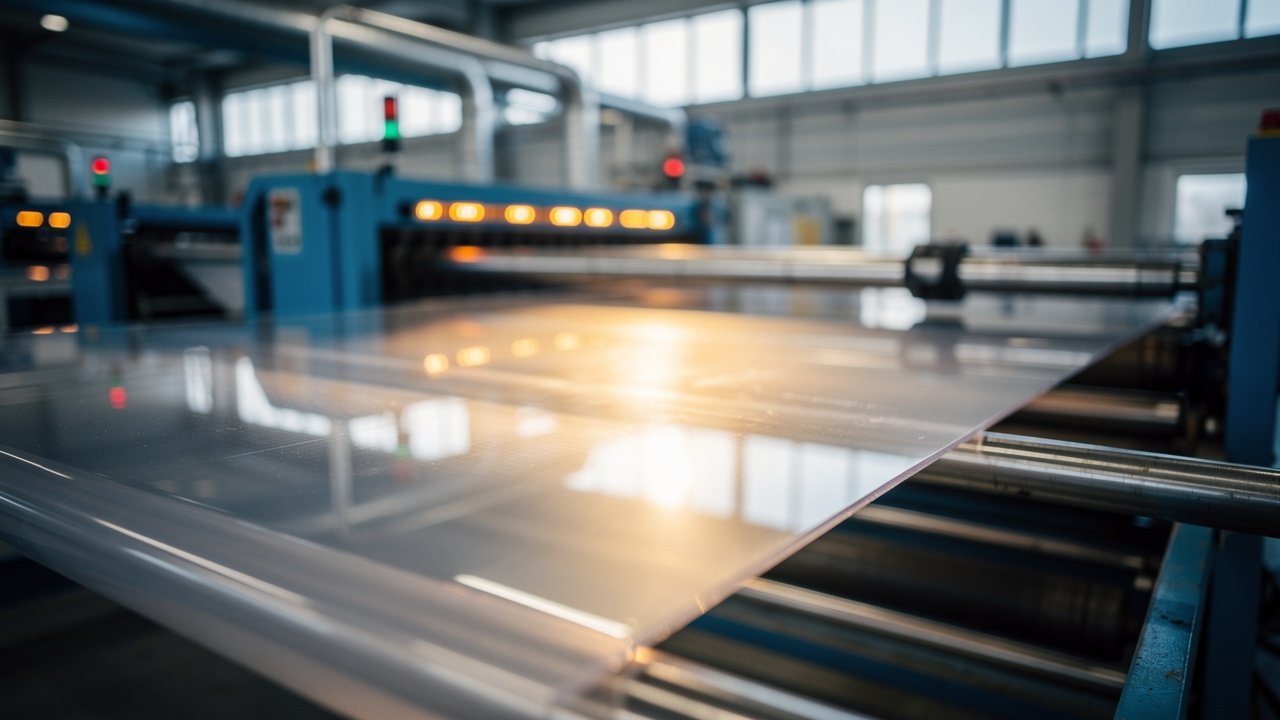
Best Practices for Using Extruded Polycarbonate in Manufacturing
Introduction
The exceptional capabilities of extruded polycarbonate make it an indispensable asset in modern manufacturing, yet many manufacturers remain unaware of how to fully exploit its advantages. This remarkable material offers unparalleled impact resistance, thermal stability, and optical clarity, making it a top choice across various industries. However, navigating the complexities of polycarbonate's unique properties can be daunting for manufacturers.
How can they effectively harness its full potential? Understanding best practices for its use is essential for maximizing performance and driving innovation.
Understand Polycarbonate Properties and Characteristics
Polycarbonate (PC) stands out as a premier thermoplastic, offering unmatched impact resistance and versatility for a range of applications. Its key properties include:
- Impact Resistance: Polycarbonate exhibits remarkable strength, being significantly tougher than glass. This makes it an ideal selection for uses demanding durability, such as safety goggles, protective barriers, and automotive components. Industry expert Vidyesh Swar notes that the automotive sector increasingly embraces polycarbonate for its ability to enhance vehicle performance. This not only improves safety but also elevates aesthetics.
- Thermal Stability: The material maintains its rigidity at elevated temperatures, withstanding heat up to 140°C, while also functioning effectively in low temperatures down to -20°C. This characteristic is crucial for outdoor uses, ensuring reliability in varying climates.
- Optical Clarity: With light transmittance rates exceeding 90%, this material is frequently utilized in applications where visibility is paramount, such as skylights, safety shields, and electronic device housings.
- Chemical Resistance: Although this material is resistant to many chemicals, it can be vulnerable to certain solvents. However, not all environments are suitable for polycarbonate, as it can be affected by specific solvents. Therefore, it is essential to assess the specific environment in which the material will be employed. Environmental concerns related to the use of certain plastics emphasize the significance of considering sustainability in material selection.
Understanding these properties allows manufacturers to leverage polycarbonate effectively in their designs, ensuring optimal performance and longevity of their final products. For example, the automotive sector gains from the material's impact resistance in creating lighter, stronger components, improving both safety and aesthetics. Additionally, this growth underscores the increasing reliance on polycarbonate across diverse industries, making it a strategic choice for manufacturers. The market for this type of plastic is projected to be valued at USD 29.46 billion in 2026, reflecting its growing importance across various sectors. As industries evolve, the strategic use of polycarbonate will not only enhance product performance but also drive innovation in design and functionality.

Explore Applications of Extruded Polycarbonate in Manufacturing
In a world where material performance can make or break a product, the use of extruded polycarbonate stands out as a game-changer across multiple industries. Its versatility and performance are evident in various applications:
- Safety Equipment: Renowned for its high impact resistance, polycarbonate is a preferred material in the production of safety goggles, face shields, and helmets. Its durability ensures that these products can withstand significant force, making them essential for protective gear in various industries.
- Construction: Polycarbonate panels are increasingly used in roofing, skylights, and glazing applications. They provide not only durability but also excellent light transmission, enhancing the aesthetic appeal and energy efficiency of buildings. The lightweight nature of this material allows for easier installation and design flexibility, making it a popular choice among architects and builders.
- Automotive: In the automotive sector, polycarbonate is employed for headlamp lenses and interior components, where reducing weight while maintaining impact resistance is critical. This contributes to enhanced fuel efficiency and overall vehicle performance.
- Electrical Enclosures: The insulating characteristics of polycarbonate make it ideal for electrical housings and protective covers, ensuring safety and reliability in electrical applications. Its resistance to heat and chemicals further enhances its suitability for this purpose.
- Consumer Products: Items such as water bottles and food containers utilize the material's strength and clarity, making it a favored choice in the consumer goods sector. Its capability to endure frequent use without compromising safety or functionality is a significant advantage.
Manufacturers can leverage the unique properties of extruded polycarbonate to not only meet but exceed their operational goals, driving innovation and customer satisfaction.

Select the Appropriate Grade of Polycarbonate for Your Needs
Choosing the right grade of polycarbonate is crucial for ensuring optimal performance in your applications. Consider the following factors:
- General Purpose vs. Specialty Grades: General-purpose plastic is suitable for most applications, while specialty grades (e.g., UV-stabilized, flame-retardant) are designed for specific environments.
- Thickness and Form: The thickness of the plastic sheet can affect its strength and insulation properties. Thicker sheets provide better impact resistance but may be heavier and more expensive.
- Additives: Some grades come with additives that enhance properties such as UV resistance, abrasion resistance, or flame retardancy. Assess the environmental conditions the product will face to determine if these additives are necessary.
- Cost Considerations: While higher-grade plastic may offer superior performance, it is essential to balance cost with the required specifications to ensure economic viability.
Choosing the right grade can be daunting, given the multitude of options available. Failing to choose the right grade may result in inadequate performance and increased costs. Taking the time to evaluate these factors will help you select the best polycarbonate grade for your specific needs. Ultimately, the right choice can significantly impact the success of your project and its long-term viability.

Implement Effective Processing Techniques for Polycarbonate
To achieve the highest quality in polycarbonate extrusion, manufacturers must master several critical processing techniques:
- Drying: One of the first steps in ensuring quality is proper drying, as polycarbonate is hygroscopic and absorbs moisture. Drying should occur at 120°C for 4-6 hours to effectively remove moisture and maintain the material's mechanical properties, preventing void formation and ensuring consistent quality.
- Temperature Control: Maintaining optimal melt temperatures between 270°C and 320°C during extrusion is crucial. Close monitoring of these temperatures is necessary to prevent degradation and ensure proper flow. Failure to control melt temperatures can lead to defects, ultimately affecting product reliability.
- Screw Design: Utilizing a three-zone screw design enhances the melting and mixing efficiency of the material. This design ensures a uniform melt stream, which is critical for achieving consistent extrusion quality and performance.
- Cooling Techniques: Implement effective cooling methods, such as air or water mist, to stabilize the extruded item and maintain dimensional accuracy. Avoiding oils that can chemically damage plastics is essential to maintaining the integrity of your final product.
- Quality Control: Regular inspections of extruded items for defects such as warping or surface imperfections are vital. A robust quality control process helps identify issues early, ensuring that high standards are maintained throughout production.
By adhering to these processing techniques, manufacturers not only enhance product quality but also solidify their reputation in the industry.

Conclusion
Understanding the unique properties of extruded polycarbonate is crucial for manufacturers aiming to excel in their industries. By leveraging polycarbonate's impact resistance, thermal stability, and optical clarity, manufacturers can enhance product performance. This material is vital across various industries, including automotive and construction.
Key insights discussed include the importance of selecting the appropriate grade of polycarbonate based on specific needs. Implementing effective processing techniques ensures high-quality extrusion. Factors such as drying, temperature control, and quality management play crucial roles in maintaining the integrity of the final product. Furthermore, understanding the diverse applications of extruded polycarbonate allows manufacturers to capitalize on its advantages, ensuring they remain competitive in their respective markets.
However, many manufacturers struggle to identify the best applications for polycarbonate, leading to missed opportunities. This understanding not only enhances product performance but also positions manufacturers as leaders in their industries. As industries evolve, have you considered how crucial polycarbonate is to your manufacturing success?
Embracing best practices in its use and processing will enhance product quality and foster a culture of excellence and innovation. How can Lincoln Plastics help you navigate the complexities of polycarbonate applications? Reach out for tailored solutions and expert guidance.
Frequently Asked Questions
What is polycarbonate and what are its key properties?
Polycarbonate (PC) is a premier thermoplastic known for its unmatched impact resistance and versatility. Its key properties include remarkable impact resistance, thermal stability, optical clarity, and chemical resistance.
How does polycarbonate compare to glass in terms of impact resistance?
Polycarbonate is significantly tougher than glass, making it an ideal choice for applications that require durability, such as safety goggles, protective barriers, and automotive components.
What is the thermal stability range of polycarbonate?
Polycarbonate maintains its rigidity at elevated temperatures, withstanding heat up to 140°C and functioning effectively in low temperatures down to -20°C.
Why is optical clarity an important property of polycarbonate?
Polycarbonate has light transmittance rates exceeding 90%, making it suitable for applications where visibility is crucial, such as skylights, safety shields, and electronic device housings.
Is polycarbonate resistant to chemicals?
While polycarbonate is resistant to many chemicals, it can be vulnerable to certain solvents. It is important to assess the specific environment in which the material will be used to ensure its suitability.
What industries are increasingly using polycarbonate?
The automotive sector is increasingly embracing polycarbonate for its ability to enhance vehicle performance, improve safety, and elevate aesthetics. Additionally, polycarbonate is gaining traction across various industries due to its beneficial properties.
What is the projected market value for polycarbonate by 2026?
The market for polycarbonate is projected to be valued at USD 29.46 billion in 2026, reflecting its growing importance across various sectors.
How does understanding polycarbonate properties benefit manufacturers?
Understanding the properties of polycarbonate allows manufacturers to leverage the material effectively in their designs, ensuring optimal performance and longevity of their final products, which can drive innovation in design and functionality.
List of Sources
- Understand Polycarbonate Properties and Characteristics
- fortunebusinessinsights.com (https://fortunebusinessinsights.com/polycarbonate-market-108509)
- Polycarbonate Market Size, Share and Analysis, 2026-2033 (https://coherentmarketinsights.com/market-insight/polycarbonate-market-4505)
- Polycarbonate (PC) Market Size 2026 | Key Highlights & Regional Forecast 2033 (https://linkedin.com/pulse/polycarbonate-pc-market-size-2026-key-highlights-cufzf)
- Polycarbonate (PC) (https://bpf.co.uk/plastipedia/polymers/Polycarbonate.aspx)
- The Changing Landscape of Polycarbonate Market: Insights, Demand & Trends | Merchant Research & Consulting, Ltd. (https://mcgroup.co.uk/news/20250521/the-changing-landscape-of-polycarbonate-market-insights-demand-trends.html)
- Explore Applications of Extruded Polycarbonate in Manufacturing
- Best Practices for Using Clear Polycarbonate Plastic in Manufacturing (https://lincoln-plastics.com/news-post/best-practices-for-using-clear-polycarbonate-plastic-in-manufacturing)
- Polycarbonate (PC): Properties, sustainability, and key applications (https://specialchem.com/plastics/guide/polycarbonate-pc-plastic)
- Polycarbonate (PC) Manufacturing Plant Cost, DPR 2026 (https://imarcgroup.com/polycarbonate-manufacturing-plant-project-report)
- US Polycarbonate Manufacturing Gets Major Boost (https://plasticstoday.com/extrusion-film-sheet/us-polycarbonate-manufacturing-gets-major-boost)
- Polycarbonate Plastic in Safety Equipment | Facts About BPA (https://factsaboutbpa.org/benefits-applications/safety-equipment)
- Select the Appropriate Grade of Polycarbonate for Your Needs
- fortunebusinessinsights.com (https://fortunebusinessinsights.com/polycarbonate-market-108509)
- U.S. Polycarbonate Market Size, Share & Report to 2034 (https://imarcgroup.com/united-states-polycarbonate-market)
- marketresearchfuture.com (https://marketresearchfuture.com/reports/polycarbonate-market-1080)
- Implement Effective Processing Techniques for Polycarbonate
- Master Best Practices for Polycarbonate Extrusions Today (https://lincoln-plastics.com/news-post/master-best-practices-for-polycarbonate-extrusions-today?dcc2137a_page=2)
- Master Best Practices for Polycarbonate Extrusions Today (https://lincoln-plastics.com/news-post/master-best-practices-for-polycarbonate-extrusions-today?dcc2137a_page=1)
- News - Extrusion molding technology and application field of polycarbonate (https://chinaruicheng.com/news/extrusion-molding-technology-and-application-field-of-polycarbonate)
- No time to dry (https://interplasinsights.com/plastics-machinery/ancillary-machine-and-materials-handling-news/no-time-to-dry)
Related posts

Why Custom Pipe Extrusion Matters More Than Ever
Standard pipe sizes don’t always work. Learn how Lincoln Plastics delivers custom diameters, wall thicknesses, and finishes in right-sized runs.


Reducing Trip Hazards with Custom Cord Management
Loose cords are more than messy — they’re a safety hazard. Lincoln Plastics’ custom cord covers and Flexiduct solutions improve safety and efficiency.
The Power of Custom Plastic Profiles for OEMs
Off-the-shelf profiles force compromises. Learn how Lincoln Plastics designs custom extruded profiles for OEMs with exact specs and right-sized runs.
