
Best Practices for Sourcing Specialty Plastic Products Effectively
Introduction
In a landscape where specialty plastic products are essential for innovation, the right sourcing strategies can make or break a business. These products play a pivotal role in modern manufacturing, offering tailored solutions that enhance functionality across various industries. As the demand for these materials grows, understanding the best practices for sourcing them effectively becomes crucial for businesses aiming to maintain a competitive edge.
With countless suppliers and material choices, how can businesses navigate this complex landscape? Let’s explore essential strategies for sourcing specialty plastics, focusing on:
- Supplier reliability
- Cost assessment
- Effective negotiation techniques
All while showcasing Lincoln Plastics’ commitment to excellence.
Understand Specialty Plastic Products: Types and Applications
Specialty synthetic products are not just materials; they are tailored solutions that enhance functionality across diverse sectors. Key types include:
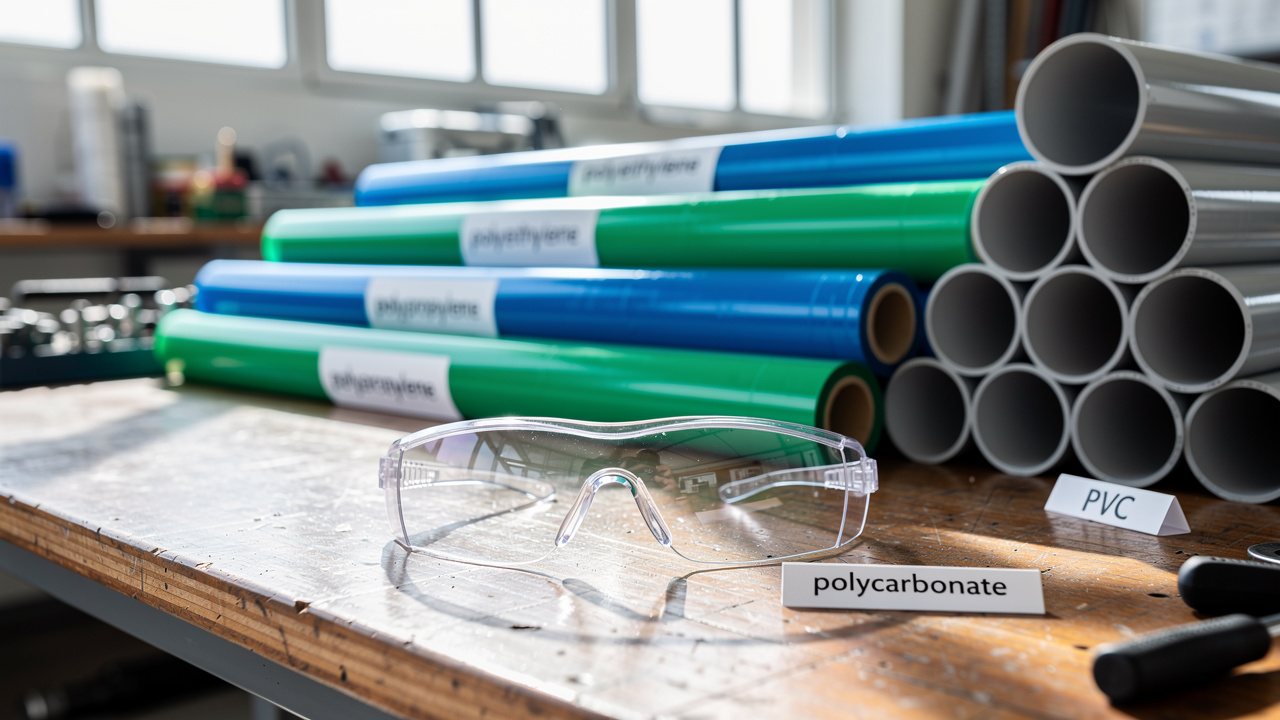
- Polycarbonate: Renowned for its exceptional impact resistance and optical clarity, polycarbonate is frequently utilized in safety glasses, protective equipment, and automotive components, where durability and visibility are paramount. However, as industries strive for sustainability, the recyclability of materials like polycarbonate poses a significant challenge, impacting market dynamics.
- Polyethylene: This adaptable material is widely employed in applications ranging from packaging to piping, thanks to its robustness and chemical resistance. Its versatility makes it a staple in agricultural irrigation systems and various industrial uses.
- Polypropylene: Lightweight and fatigue-resistant, polypropylene is ideal for automotive parts, consumer goods, and packaging solutions. Its resilience under stress makes it a preferred choice in manufacturing durable products.
- PVC: Commonly used in construction for pipes and profiles, PVC is valued for its strength, weather resistance, and ease of installation. It plays a crucial role in plumbing, electrical conduits, and building materials.
At Lincoln Plastics, we’re committed to ensuring that our products, which are specialty plastic products, meet the highest standards, backed by our ISO 9001:2015 certification and thorough management plans. Our dedicated quality books include critical in-process checks and run documentation, ensuring that every product is manufactured to precise specifications. We also utilize multiple types of check gauges to guarantee a proper end-use fit. Additionally, we can easily source colors that meet your Pantone specifications for consistency across manufacturers. Grasping these resources is vital for companies looking to select the best options for their unique needs, guaranteeing optimal performance and durability in their applications. As industries develop, the demand for specialty plastic products continues to rise, driven by their unique benefits and the increasing focus on sustainability and efficiency. This shift towards sustainability is not just a trend; it's a necessity for future-proofing your operations.

Evaluate Supplier Reliability and Material Costs
When sourcing specialty polymers, the reliability of your vendor can make or break your project outcomes. Here are key steps to consider:
- Research Vendor History: Investigate the vendor's track record regarding delivery times, control standards, and customer feedback. Certifications such as ISO 9001:2015 are essential, as they signify compliance with strict standards, improving supplier reliability in the plastics sector. At Lincoln Plastics, we maintain strict management plans, including dedicated manuals and in-process checks, ensuring that our products meet the highest standards.
- Request Samples: Before placing a substantial order, request samples to evaluate the quality and performance of the substance. It’s crucial to make sure the products align with your specifications and expectations.
- Compare Costs: Analyze material expenses from various vendors, considering not just the price per unit but also shipping fees and potential bulk discounts. In 2026, moderate price inflation for many specialty plastics is expected. As prices rise, managing your budget becomes increasingly challenging, making cost comparisons even more critical.
- Assess Financial Stability: A financially stable vendor is less likely to face disruptions that could affect your supply chain. Review their financial reports if available, as this can provide insights into their operational resilience.
- Establish Clear Communication: Ensure that the provider is responsive and transparent about their processes. Effective communication can indicate reliability and a willingness to collaborate, which are vital for maintaining a smooth supply chain.
This approach enhances your sourcing strategy for specialty plastic products and helps you partner with dependable suppliers like Lincoln Plastics. Additionally, Lincoln Plastics offers customization options, including co-extrusion capabilities for multi-color or multi-material profiles, further enhancing your project outcomes. Choosing the right supplier can safeguard your operations against market uncertainties and elevate your project success.

Select the Right Specialty Plastics for Your Projects
Choosing the right specialty plastic products is not just a decision; it's a strategic move that can define your project's success. Selecting the appropriate specialty plastics for your projects requires careful consideration of several key factors:
- Define Project Requirements: Clearly articulate the functional specifications of your project, including necessary attributes such as strength, flexibility, temperature resistance, and chemical exposure.
- Why not team up with Lincoln Plastics' experts to find the best materials for your needs? Collaborate with our team of specialists to obtain insights into the most appropriate substances for your specific application. They can help enhance your design for production and provide specification sheets to ensure informed decision-making.
- Consider Sustainability: Evaluate the environmental consequences of your resource selections. Prioritize recyclable or biodegradable options to align with growing sustainability goals in manufacturing. Delaying your material selection could lead to compliance issues and missed opportunities, especially with the urgency to secure food-grade recycled polypropylene and high-density polyethylene before the 2030 mandates.
- Test for Compatibility: Confirm that the chosen polymer is suitable with other substances involved in your project, especially in applications that employ various components.
- Are your materials compliant with industry regulations? Ensure that the resources adhere to industry-specific regulations, especially in critical sectors such as food packaging and medical devices.
Using sustainable specialty plastic products meets your project needs and addresses the increasing demand for eco-friendly manufacturing. As the industry progresses, the incorporation of recycled substances is becoming crucial. By prioritizing sustainability, you not only meet regulations but also enhance your brand's reputation. According to industry experts, understanding project requirements is crucial for effective selection of resources, ensuring that the chosen plastics meet both functional and sustainability goals. Additionally, Lincoln Plastics' commitment to quality management, supported by their ISO 9001:2015 certification, ensures that all products meet rigorous standards, further enhancing the reliability of your material choices. Embracing sustainable practices today will not only future-proof your projects but also set you apart in a competitive landscape.

Implement Effective Contract Negotiation Strategies
In the competitive landscape of vendor relationships, effective contract negotiation is not just beneficial; it's essential for success. Here are strategies to enhance your negotiation outcomes:
- Are you prepared? Understanding your needs and the vendor's offerings is the first step to successful negotiation. Research market rates and competitor pricing to strengthen your position.
- Establish clear objectives: Define what you want to achieve from the negotiation, including pricing, delivery timelines, and standards of excellence.
- Build rapport: Foster a positive relationship with the supplier. A collaborative approach can lead to better terms and a more productive partnership.
- Be flexible: While it's important to have clear objectives, be open to alternative solutions that may benefit both parties.
- Document everything: Ensure that all agreements are documented clearly to avoid misunderstandings later. This includes delivery schedules, payment terms, and quality expectations.
Without these strategies, you risk entering agreements that may not serve your best interests, ultimately impacting your bottom line.

Conclusion
Sourcing specialty plastic products is a complex endeavor that demands strategic insight and expertise. By understanding the types of specialty plastics available and their applications, businesses can make informed decisions that align with their project requirements and sustainability goals. Lincoln Plastics stands out with its ISO 9001:2015 certification, showcasing a true commitment to quality. This underscores the importance of partnering with reliable suppliers who prioritize excellence.
Key insights from this article highlight the necessity of:
- Evaluating supplier reliability
- Assessing material costs
- Selecting the right specialty plastics for specific applications
Are you ready to elevate your sourcing strategy? Engaging with experts, like those at Lincoln Plastics, can provide valuable guidance in navigating these complexities. Additionally, implementing effective contract negotiation strategies can further enhance supplier relationships and ensure that agreements are beneficial for all parties involved.
Navigating the myriad of options and ensuring compliance with sustainability standards can be daunting. By collaborating with knowledgeable partners, businesses can streamline their sourcing process and enhance their competitive edge. Ultimately, sourcing specialty plastic products is not just about acquiring materials; it’s about forging partnerships that drive innovation and sustainability in manufacturing. By prioritizing quality, sustainability, and effective communication, businesses can position themselves for success in an increasingly competitive landscape. Taking the initiative to connect with Lincoln Plastics could be the key to unlocking your potential in specialty plastic sourcing.
Frequently Asked Questions
What are specialty plastic products?
Specialty plastic products are tailored solutions designed to enhance functionality across various sectors, including materials like polycarbonate, polyethylene, polypropylene, and PVC.
What are the key types of specialty plastic products?
The key types include:
- Polycarbonate: Known for impact resistance and optical clarity, used in safety glasses and automotive components.
- Polyethylene: Versatile and robust, used in packaging and agricultural irrigation systems.
- Polypropylene: Lightweight and fatigue-resistant, ideal for automotive parts and consumer goods.
- PVC: Strong and weather-resistant, commonly used in construction for pipes and profiles.
How does Lincoln Plastics ensure the quality of its specialty plastic products?
Lincoln Plastics ensures quality through its ISO 9001:2015 certification, dedicated quality management plans, critical in-process checks, and run documentation. They also use multiple check gauges to guarantee proper end-use fit.
Can Lincoln Plastics customize colors for specialty plastic products?
Yes, Lincoln Plastics can source colors that meet Pantone specifications for consistency across manufacturers.
Why is sustainability important in the context of specialty plastic products?
Sustainability is crucial as industries increasingly focus on eco-friendly practices. The recyclability of materials like polycarbonate poses challenges, making it essential for companies to consider sustainable options for future-proofing their operations.
What industries benefit from specialty plastic products?
Industries such as agriculture, automotive, construction, and consumer goods benefit from specialty plastic products due to their unique properties and applications.
How does Lincoln Plastics support customer needs for specialty plastic products?
Lincoln Plastics is committed to excellence and customer partnership, providing tailored solutions and ensuring optimal performance and durability in applications.
List of Sources
- Understand Specialty Plastic Products: Types and Applications
- Six trends impacting the global automotive plastics market in the new decade (https://paulmurphyplastics.com/industry-news-blog/six-trends-impacting-the-global-automotive-plastics-market-in-the-new-decade)
- Polycarbonate Market Size, Share and Analysis, 2026-2033 (https://coherentmarketinsights.com/market-insight/polycarbonate-market-4505)
- Global Polycarbonates Market Size, Share, Trends, Demand Outlook, Industrial Applications, Key Players and Forecast (2025–2032) (https://maximizemarketresearch.com/market-report/global-polycarbonates-pc-market/23396)
- March in Motion: Your Market Update - Star Plastics (https://starplastics.com/march-in-motion-your-market-update)
- Evaluate Supplier Reliability and Material Costs
- Supply Chain Trends 2026: What Every Leader Must Watch (https://creativeretailpackaging.com/packaging-insights/supply-chain-trends)
- Material Market Update - January 15, 2026 (https://matium.com/news/market-update-2026-01-15)
- 2026 Forecast for U.S. Plastics Procurement - Sterling Plastics (https://sterlingplasticsinc.com/insights/2026-forecast-for-plastics-procurement)
- 2026 Trend Breakdown: Plastics Supply Chain Regionalization (https://mholland.com/market-insights/2026-trend-breakdown-plastics-supply-chain-regionalization)
- Plastics News - Plastic Industry News, Resin Pricing & Analysis (https://plasticsnews.com)
- Select the Right Specialty Plastics for Your Projects
- PlasticsToday (https://plasticstoday.com)
- Sustainable Plastic Manufacturing: How Sonoco Supports Greener Solutions | Sonoco Products Company (https://sonoco.com/insights/sustainable-plastic-manufacturing)
- Plastics News - Plastic Industry News, Resin Pricing & Analysis (https://plasticsnews.com)
- Understanding Eco-Friendly Plastic Materials | The Plastek Group (https://plastekgroup.com/blog/understanding-eco-friendly-plastic-materials)
- Plastics M&A Update – February 2026 (https://pmcf.com/industry-updates/plastics-ma-update-february-2026)
- Implement Effective Contract Negotiation Strategies
- Master Clear Heavy Plastic Sourcing: 4 Best Practices for OEMs (https://lincoln-plastics.com/news-post/master-clear-heavy-plastic-sourcing-4-best-practices-for-oems)
- U.S. Plastics Industry Statistics & Data (https://americanchemistry.com/chemistry-in-america-industry-innovation-impact/chemical-industry-statistics-u.s.-jobs-economic-impact/u.s.-plastics-industry-statistics-data)
- Failure is an option: We already know the outcome of global plastic waste negotiations | Trellis (https://trellis.net/article/failure-option-we-already-know-outcome-global-plastic-waste-negotiations)
- Effective Preparation for Successful Outcomes in Negotiations (https://apriori.com/resources/video/mastering-supplier-negotiations-tips-and-tricks-for-effective-preparations-and-successful-outcomes)
- 5 negotiation tactics manufacturers need to win in 2026 (https://fastmarkets.com/insights/5-negotiation-tactics-manufacturers-need-to-win-in-2026)
Related posts

Why Custom Pipe Extrusion Matters More Than Ever
Standard pipe sizes don’t always work. Learn how Lincoln Plastics delivers custom diameters, wall thicknesses, and finishes in right-sized runs.


Reducing Trip Hazards with Custom Cord Management
Loose cords are more than messy — they’re a safety hazard. Lincoln Plastics’ custom cord covers and Flexiduct solutions improve safety and efficiency.
The Power of Custom Plastic Profiles for OEMs
Off-the-shelf profiles force compromises. Learn how Lincoln Plastics designs custom extruded profiles for OEMs with exact specs and right-sized runs.
