
Best Practices for Sourcing Solid Plastic Tubing Effectively
Introduction
Navigating the complexities of sourcing solid plastic tubing is crucial for achieving success in industrial applications. With a myriad of materials available, including PVC, polyethylene, and polypropylene, organizations must understand the unique properties of each to make informed decisions. Yet, the real challenge is twofold: choosing the right material and ensuring that suppliers are reliable and maintain quality control.
What strategies can organizations employ to navigate these complexities and achieve optimal project outcomes?
Understand Plastic Tubing Materials and Their Applications
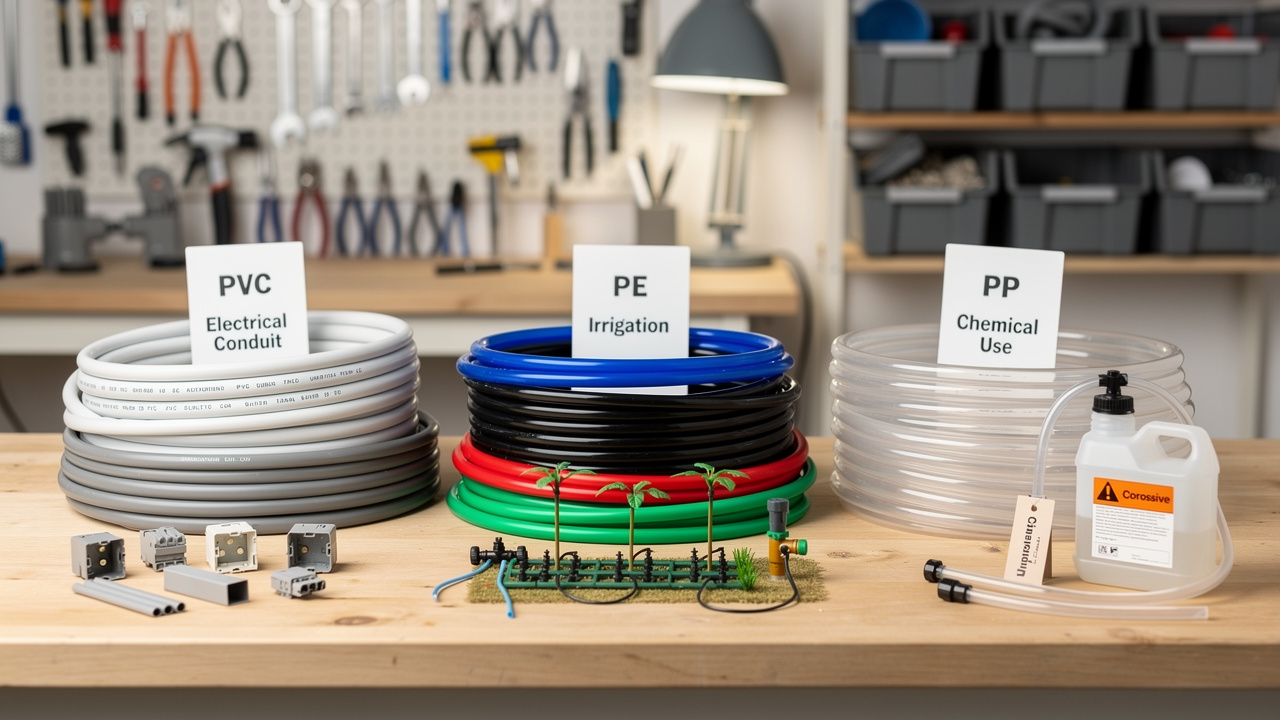
When it comes to procuring plastic pipes, understanding the unique properties of materials is not just beneficial - it's essential for success. The primary materials include:
- PVC (Polyvinyl Chloride): Renowned for its durability and chemical resistance, PVC is extensively utilized in plumbing and electrical applications. Its rigidity makes it suitable for structural tubing, ensuring longevity and reliability in various environments.
- Polyethylene (PE): Recognized for its flexibility and impact resistance, polyethylene is perfect for uses that necessitate bending and movement, such as irrigation systems. Its impermeability allows for the safe transport of potable water and food fluids, making it a preferred choice in agricultural settings.
- Polypropylene (PP): With outstanding chemical resistance and a high melting point, polypropylene is especially useful in scenarios involving hot liquids or aggressive chemicals. Its lightweight nature and smooth inner layer facilitate minimal friction, enhancing efficiency in fluid transport.
Each material's unique characteristics dictate where it shines best in application. For instance, PVC is frequently selected for rigid pipes in structural uses, whereas polyethylene is preferred for flexible pipes in agricultural irrigation systems. Choosing the wrong material can lead to costly repairs and inefficiencies. Understanding these differences is key to selecting the right material, which can significantly enhance performance and longevity across various applications. This knowledge empowers you to make informed decisions that enhance project outcomes.

Evaluate Sizing, Flexibility, and Compatibility Requirements
When it comes to sourcing plastic tubing, understanding key factors is crucial for ensuring optimal performance and reliability in your applications:
- Sizing: Accurate sizing is vital for effective application. This involves measuring both the inner diameter (ID) and outer diameter (OD) of the pipe to guarantee compatibility with the intended fittings and connectors. Proper sizing prevents leaks and ensures a secure fit, which is essential in high-pressure systems.
- Flexibility: The adaptability of the material can significantly influence its application. For instance, in agricultural environments, flexible piping is often essential for irrigation systems where movement or bending occurs. This flexibility allows for easier installation and adaptability to various layouts, enhancing overall system efficiency.
- Compatibility: Have you considered whether the pipe composition is suitable for the substances it will carry? Certain chemicals can degrade specific plastics, leading to potential leaks or failures. Assessing the chemical resistance of the piping material against the intended use is crucial for preserving system integrity.
Procurement specialists emphasize that compatibility is not just a technical requirement but a fundamental aspect of ensuring operational success. By prioritizing these evaluations, you not only enhance system reliability but also safeguard against costly operational failures.

Prioritize Supplier Reliability and Quality Control
Finding a vendor that meets all your quality and reliability needs can be daunting, but it’s crucial for the success of your projects. Key considerations include:
- Quality Control Practices: Assess the supplier's quality control measures. Look for documented procedures that test both raw materials and finished products to ensure they meet specified standards. Effective quality control is essential for maintaining product integrity and performance.
- Certifications: Verify if the provider holds relevant certifications, particularly ISO 9001. This certification signifies adherence to rigorous quality management standards, ensuring that the provider consistently meets customer and regulatory requirements.
- Reputation: Look into how the provider is viewed in the industry. Customer testimonials and case studies can provide valuable insights into their reliability and product quality. A strong reputation often correlates with consistent delivery of high-quality products.
By prioritizing vendors with strong quality control practices and a solid reputation, you can reduce risks related to sourcing and ensure that the solid plastic tubing meets your project's specific requirements. Ultimately, the right vendor can be the difference between project success and costly setbacks.

Implement Effective Contract Negotiation and Supplier Management Strategies
Navigating the complexities of sourcing solid plastic tubing requires strategic negotiation and effective supplier management. To ensure successful sourcing, consider the following strategies:
- Preparation: Start by gathering all the essential info about potential vendors, like their cost history and current market conditions. This groundwork empowers you during negotiations, allowing for informed discussions that align with your operational needs.
- Clear Communication: Establish robust communication channels with vendors. Clearly defining expectations, deliverables, and timelines minimizes misunderstandings and fosters a collaborative environment.
- Long-term Relationships: Prioritize building long-term partnerships with vendors. Such relationships can lead to improved pricing, priority service, and collaborative opportunities on future projects, enhancing overall supply chain efficiency.
- Regular Reviews: Implement a schedule for consistent performance evaluations of vendors. This practice not only ensures that they meet your expectations but also helps identify areas for improvement, thereby strengthening the partnership.
Navigating the complexities of vendor relationships can often feel overwhelming. However, by implementing these strategies, you can transform your procurement process into a streamlined operation that drives success through effective supplier relationships.

Conclusion
Navigating the complexities of sourcing solid plastic tubing is crucial for project success and operational efficiency. By focusing on the right materials, sizing, flexibility, and supplier reliability, organizations can significantly enhance their procurement processes. What insights have we uncovered about making informed decisions that align with your specific application needs? These decisions ultimately lead to improved performance and reduced costs.
Key arguments presented include the necessity of evaluating material properties such as PVC, polyethylene, and polypropylene, as well as the critical factors of sizing, flexibility, and compatibility. Additionally, prioritizing supplier reliability through rigorous quality control measures and certifications, such as ISO 9001:2015, is vital for maintaining product integrity. Establishing effective contract negotiation and supplier management strategies further ensures that organizations can navigate the complexities of sourcing with confidence.
By choosing the right partners and practices, organizations can transform their sourcing strategies and drive operational excellence. For tailored solutions and expert guidance, reaching out to Lincoln Plastics can provide the necessary support to meet specific project requirements and enhance overall operational success.
Frequently Asked Questions
What are the primary materials used for plastic tubing?
The primary materials used for plastic tubing include PVC (Polyvinyl Chloride), Polyethylene (PE), and Polypropylene (PP).
What are the properties and applications of PVC?
PVC is known for its durability and chemical resistance, making it ideal for plumbing and electrical applications. Its rigidity allows it to be used as structural tubing, ensuring longevity and reliability in various environments.
How does Polyethylene (PE) differ from PVC in terms of properties and uses?
Polyethylene (PE) is recognized for its flexibility and impact resistance, making it suitable for applications that require bending and movement, such as irrigation systems. It is impermeable, allowing for the safe transport of potable water and food fluids, particularly in agricultural settings.
What advantages does Polypropylene (PP) offer for specific applications?
Polypropylene (PP) has outstanding chemical resistance and a high melting point, making it useful for scenarios involving hot liquids or aggressive chemicals. Its lightweight nature and smooth inner layer reduce friction, enhancing efficiency in fluid transport.
Why is it important to understand the unique properties of plastic tubing materials?
Understanding the unique properties of plastic tubing materials is essential for selecting the right material for specific applications. Choosing the wrong material can lead to costly repairs and inefficiencies, while informed decisions can significantly enhance performance and longevity across various projects.
List of Sources
- Understand Plastic Tubing Materials and Their Applications
- Plastic Piping Materials: Comparing PVC, Polyethylene, and Polypropylene | Plastup - Custom piping solutions (https://plastup.it/en/news-en/plastic-piping-materials-comparing-pvc-polyethylene-and-polypropylene)
- Plastic Tubing (https://paulmurphyplastics.com/industry-news-blog/plastic-tubing)
- Plastic Tubing Market Analysis 2026-2035: Growth Drivers, Regional Outlook, and Key Players - News and Statistics - IndexBox (https://indexbox.io/blog/plastic-tubing-market-forecast-points-higher-toward-2035-on-infrastructure-and-industrial-demand)
- Plastic Tubing Bundles Market Outlook 2026-2034 (https://intelmarketresearch.com/plastic-tubing-bundles-market-30647)
- 10 Benefits of Polypropylene Plastic Pipe for OEM Projects (https://lincoln-plastics.com/news-post/10-benefits-of-polypropylene-plastic-pipe-for-oem-projects)
- Evaluate Sizing, Flexibility, and Compatibility Requirements
- Flexible Plastic Tubing an Hoses Market Size, Key Forecast Trends, Players & Segments 2033 (https://linkedin.com/pulse/flexible-plastic-tubing-hoses-market-size-key-forecast-7ztte)
- Polymeric Flexible Tubing and Hoses Market Forecast 2033: Latest Trends, Growth Potential & Future Forecast (https://congruencemarketinsights.com/report/polymeric-flexible-tubing-and-hoses-market)
- Flexible Plastic Tubing and Hoses Market Size, Scope To 2035 (https://sphericalinsights.com/reports/flexible-plastic-tubing-and-hoses-market)
- Plastic Tubing Sizes: How to Measure and What to Consider (https://industrialspec.com/about-us/blog/detail/plastic-tubing-sizes-how-to-measure-and-what-to-consider?srsltid=AfmBOopYrrimD-NucqV8DURw5P4NQXzgCrARFjFXJMPxnfIrFNePaG42)
- Top Content on LinkedIn (https://linkedin.com/pulse/flexible-plastic-tubing-market-report-insights-from-industry-5ep1e)
- Prioritize Supplier Reliability and Quality Control
- 10 Benefits of ISO Certified Plastic Extrusion Services (https://lincoln-plastics.com/news-post/10-benefits-of-iso-certified-plastic-extrusion-services?dcc2137a_page=7)
- Our ISO Certifications | The Plastek Group (https://plastekgroup.com/blog/iso-certifications-plastics-manufacturing)
- How to Choose Reliable Plastic Tube Suppliers: A Step-by-Step Guide (https://lincoln-plastics.com/news-post/how-to-choose-reliable-plastic-tube-suppliers-a-step-by-step-guide)
- Plastic Tubes Market Smart, Industry Size Forecast Report 2029 (https://databridgemarketresearch.com/reports/global-plastic-tubes-market?srsltid=AfmBOoqKQ-2e12oGZHBZWpVTZj9K851hWmUHf7HQ_ehOKMMQbG7kiNRH)
- Implement Effective Contract Negotiation and Supplier Management Strategies
- Supply Chain Pricing Disputes: Contract Strategies to Prevent Future Conflicts | Foley & Lardner (https://foley.com/insights/publications/2026/03/supply-chain-pricing-disputes-contract-strategies-to-prevent-future-conflicts)
- Negotiations in the News, Week of March 9, 2026 (https://watershedassociates.com/negotiations-in-the-news-week-of-march-9-2026)
- Best Practices for Sourcing Extruded Plastic Tubes Effectively (https://lincoln-plastics.com/news-post/best-practices-for-sourcing-extruded-plastic-tubes-effectively)
- Tips for Successful Supplier Negotiations in Strategic Sourcing (https://artofprocurement.com/blog/supplier-negotiations-in-strategic-sourcing)
- 5 negotiation tactics manufacturers need to win in 2026 (https://fastmarkets.com/insights/5-negotiation-tactics-manufacturers-need-to-win-in-2026)


