
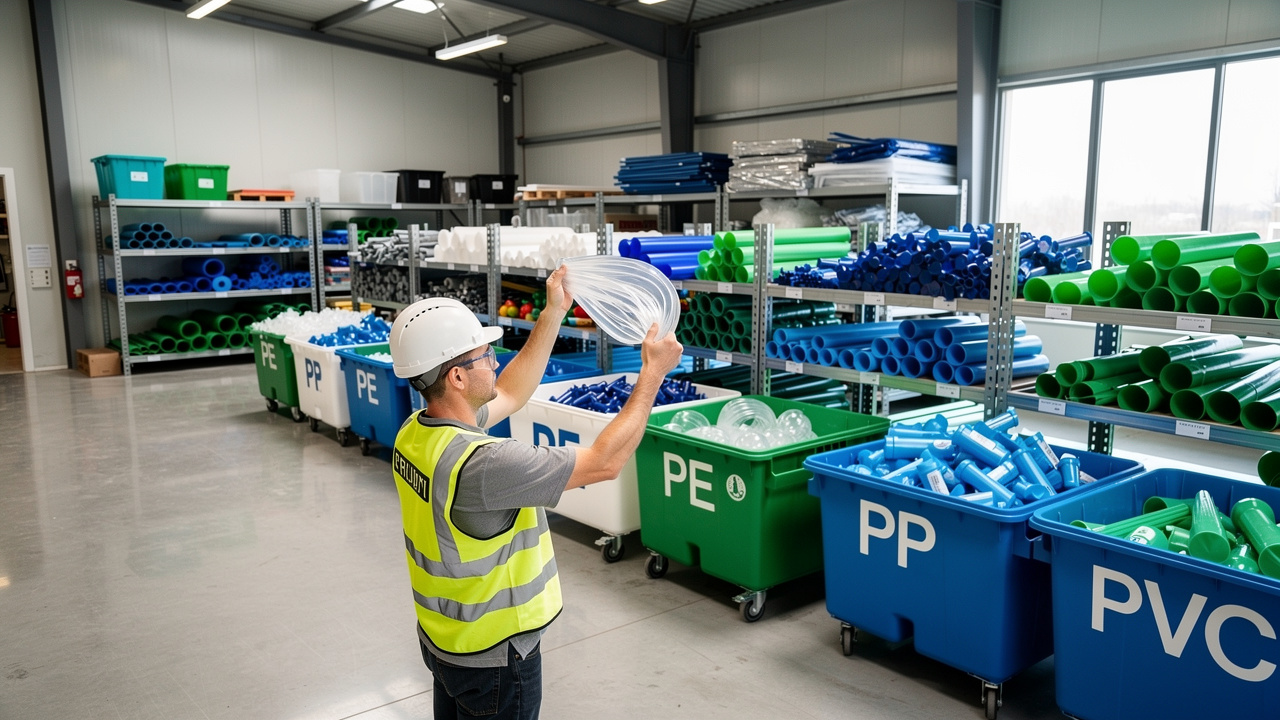
Best Practices for Sourcing Plastic-Like Materials in Manufacturing
Introduction
In the fiercely competitive manufacturing sector, the selection of plastic-like materials is crucial to a product's triumph. As industries prioritize sustainability and quality, manufacturers must grasp the intricacies of sourcing these materials. This article explores best practices for sourcing plastic-like materials, highlighting strategies that enhance operational efficiency while aligning with evolving environmental standards. Manufacturers must master the art of sourcing to thrive in a market that demands both compliance and excellence.
Identify Different Types of Plastics for Manufacturing
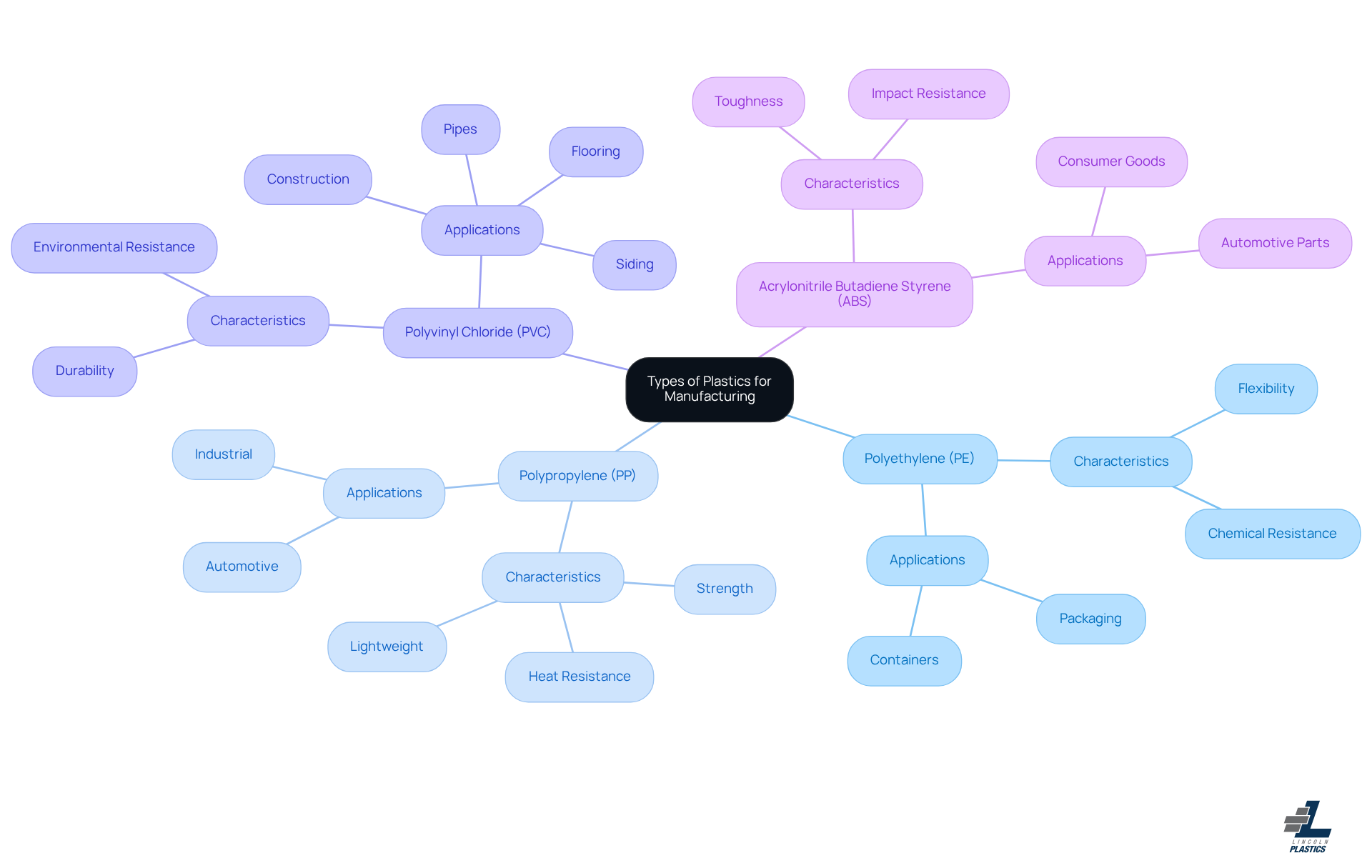
In manufacturing, the choice of plastic like material can significantly influence your product's success. The most common types of plastics include:
- Polyethylene (PE): Known for its flexibility and chemical resistance, PE is widely used in packaging and containers, making it a staple in various industries.
- Polypropylene (PP): Valued for its strength and resistance to heat, PP is ideal for automotive and industrial applications, with its lightweight properties making it a plastic like material that contributes to fuel efficiency in vehicles.
- Polyvinyl Chloride (PVC): Often utilized in construction, PVC is a plastic like material that is durable and resistant to environmental degradation, making it suitable for pipes, siding, and flooring.
- Acrylonitrile Butadiene Styrene (ABS): Renowned for its toughness and impact resistance, ABS is a plastic like material that is commonly used in consumer goods and automotive parts, providing durability in everyday applications.
As the industry evolves, the demand for sustainable options is on the rise. However, many manufacturers struggle to keep up with these evolving demands. For instance, post-consumer recycled (PCR) plastics are expected to become more prevalent by 2026, aligning with the circular economy's emphasis on reducing waste and promoting recycling. This shift is crucial as manufacturers seek to minimize their environmental impact and meet consumer demand for eco-friendly products, including those made from plastic like material.
At Lincoln Plastics, we understand that choosing the right plastic like material is crucial for your production needs. Our commitment to quality is reflected in our ISO 9001:2015 certification and rigorous quality management plans, including dedicated quality books and in-process checks. We provide a range of custom flexible profiles made from plastic like material, including those with co-extruded colors and rigid extrusion solutions, ensuring that our clients receive tailored products that meet their specifications. Our co-extrusion capabilities allow us to create multi-color or multi-material profiles with plastic like material, providing additional customization options.
Comprehending these resources assists producers in making knowledgeable choices that correspond with their production requirements and product specifications, guaranteeing they stay competitive in a swiftly evolving market. For more information or to discuss your specific requirements, contact Lincoln Plastics experts for quotes or tailor-made solutions. Selecting the appropriate plastic like material today will influence your competitive edge tomorrow.
Assess Environmental Impact and Sustainability of Plastics
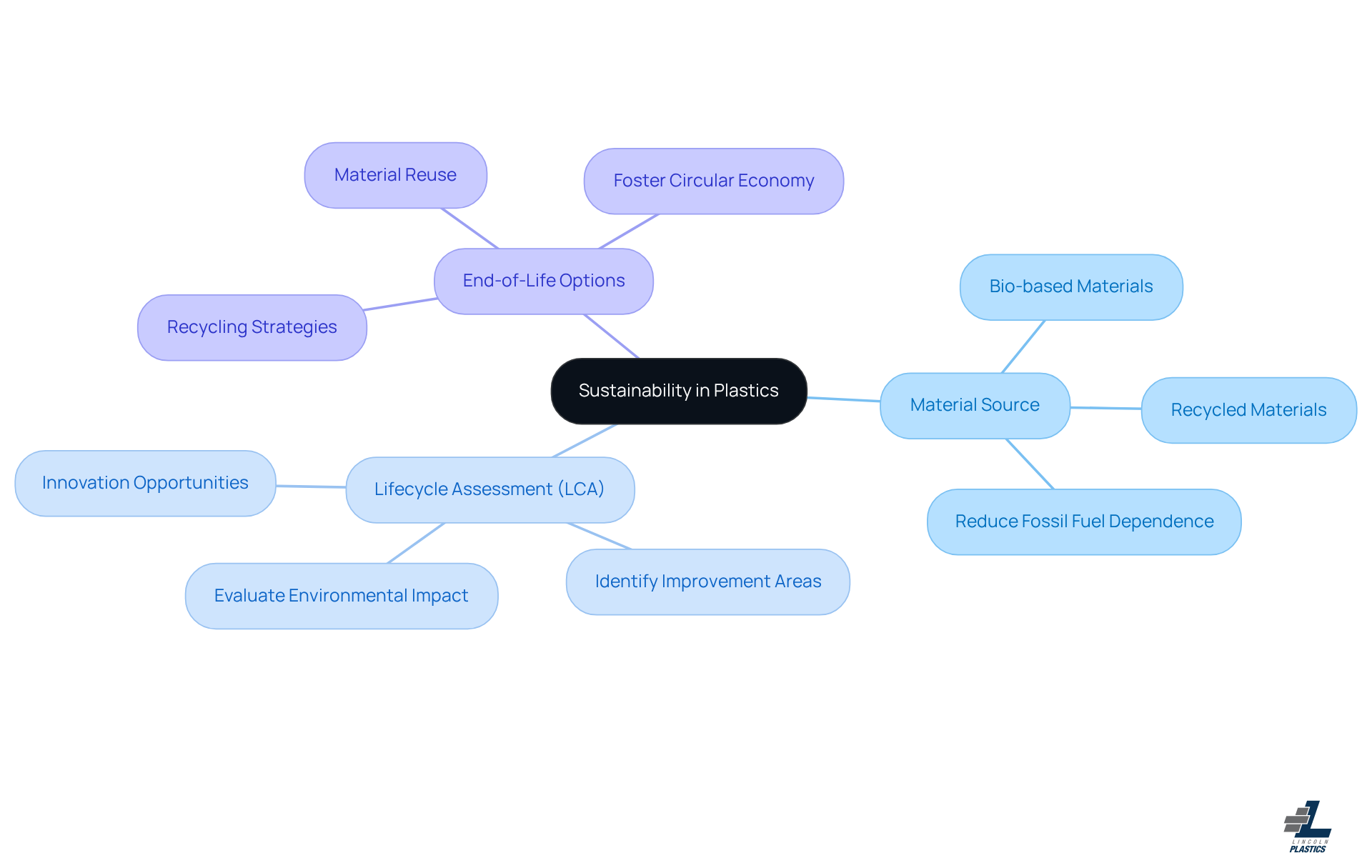
In an era where sustainability is no longer optional, manufacturers must adapt to meet both consumer expectations and regulatory demands. Sustainability in the production of plastic-like material is essential, driven by both consumer demand and regulatory pressures. To assess and improve the environmental impact of their operations, manufacturers should focus on several key factors:
- Material Source: Prioritize the use of bio-based or recycled materials to reduce dependence on fossil fuels, aligning with the growing trend towards sustainable sourcing.
- Lifecycle Assessment (LCA): Implement LCAs to comprehensively evaluate the environmental impact from production through disposal. This assessment helps identify critical areas for improvement and innovation.
- End-of-Life Options: Develop and promote strategies for recycling and reusing materials, which are vital for minimizing waste and fostering a circular economy.
How can the medical industry, a major driver of demand for plastic-like material, especially for disposable devices, lead the way in sustainable practices? As manufacturers increasingly adopt sustainability measures, they not only enhance their brand reputation but also position themselves favorably in a market that is progressively leaning towards environmentally responsible practices. Without embracing sustainability, manufacturers risk falling behind in a market that increasingly values environmental responsibility. The expected increase in post-consumer recycled content (PCR) and bio-based materials by 2026 further emphasizes the urgency for manufacturers to adjust and innovate in their sustainability efforts.
Implement Effective Sourcing Strategies for Plastic Materials
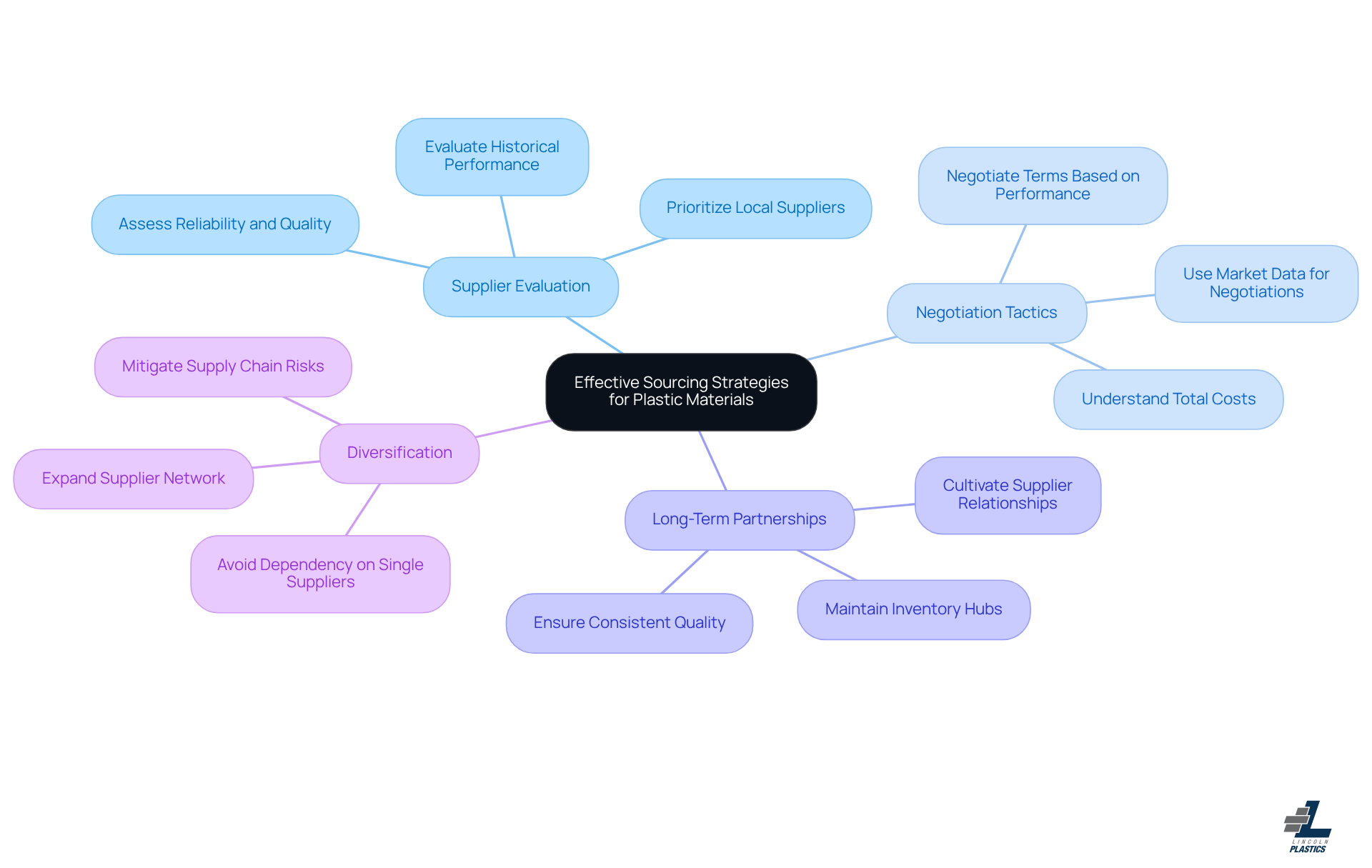
In an era where trade uncertainties loom large, manufacturers must refine their sourcing strategies for plastic-like material to ensure operational success. Here are some best practices to consider:
- Supplier Evaluation: Assess potential suppliers based on reliability, quality certifications, and historical performance. With 71.8% of manufacturers identifying trade uncertainties as a significant challenge in 2026, the pressure to secure dependable suppliers has never been greater. Furthermore, manufacturers are prioritizing local or regional supply networks over lower-priced, distant sources, which can limit tariff exposure and improve delivery predictability.
- Negotiation Tactics: Having solid data on market prices and supplier performance can empower you to negotiate better terms. Understanding the actual costs of resources, including tariffs and potential interruptions, is crucial for informed negotiations. A lower-cost material that arrives late or requires additional machining may end up being pricier than a slightly higher-priced regional alternative.
- Long-Term Partnerships: Cultivating relationships with suppliers can ensure consistent quality and availability of resources. Regional suppliers often maintain inventory hubs, allowing for quick responses to demand changes, which enhances business continuity. Notably, supplier delivery performance slowed for the sixth consecutive month in May 2026, underscoring the importance of reliable suppliers in the current market context.
- Diversification: Mitigate risks associated with supply chain disruptions by avoiding dependency on a single supplier. Manufacturers are increasingly prioritizing local or regional supply networks over lower-priced, distant sources, as this can limit tariff exposure and improve delivery predictability.
By implementing these strategies, manufacturers can secure the best resources tailored to their needs, paving the way for sustained operational excellence.
Ensure Quality Control and Compliance in Plastic Production
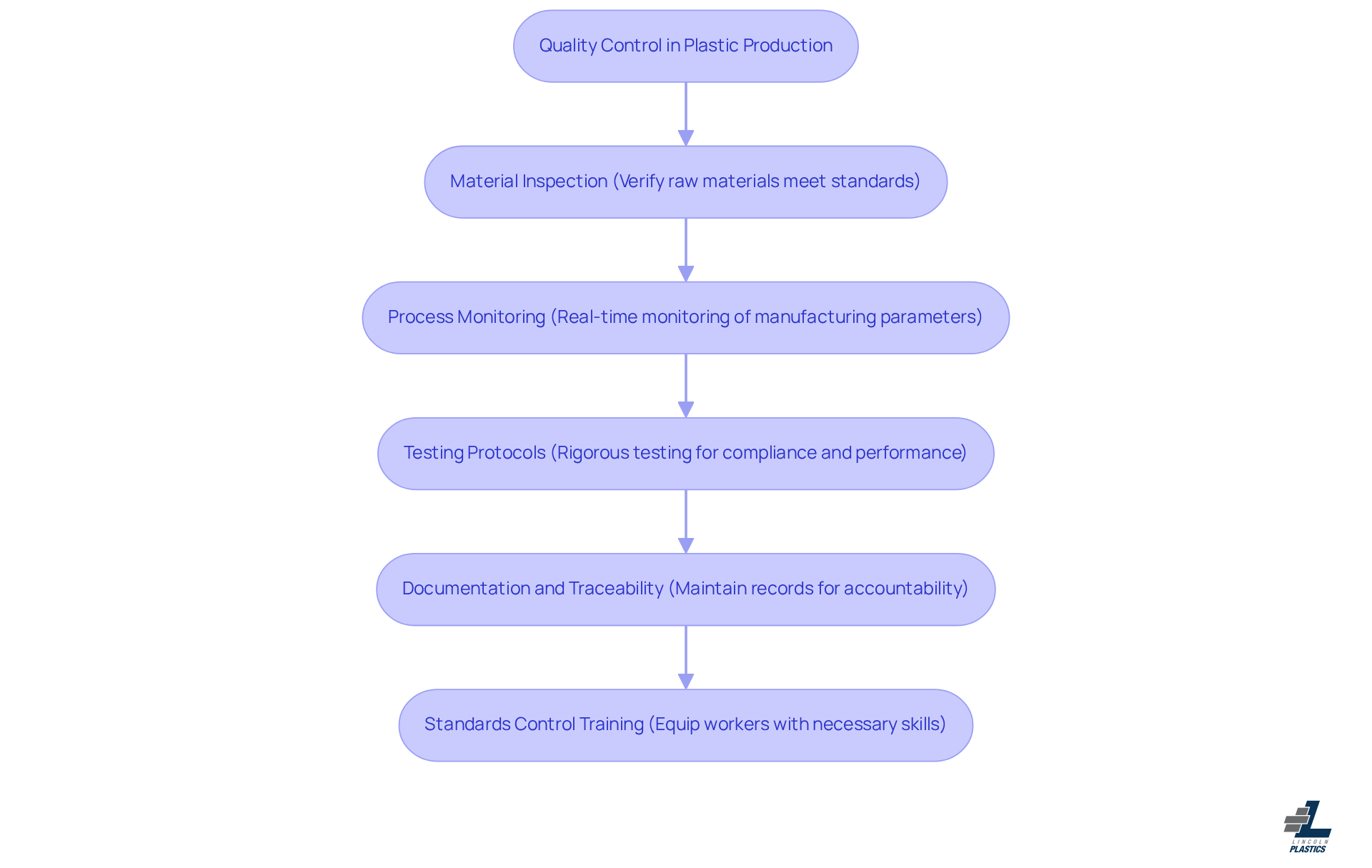
Quality control in the production of plastic like material is not just a necessity; it's a commitment to excellence that defines our industry. It encompasses several essential practices that ensure product integrity and compliance with industry standards:
- Material Inspection: Conduct thorough inspections of raw materials to verify that they meet specified standards before production begins. This step is crucial as the standard of raw materials, such as plastic like material, directly affects the final product's performance and reliability.
- Process Monitoring: Implement real-time monitoring of critical manufacturing parameters, such as temperature and pressure, to maintain consistency throughout the manufacturing process. Ongoing observation aids in recognizing deviations promptly, decreasing the chances of defects and ensuring adherence to assurance standards.
- Testing Protocols: Establish rigorous testing protocols for finished products to confirm compliance with industry standards and customer specifications. This includes mechanical strength tests, chemical resistance evaluations, and functionality assessments, which are vital for ensuring that products perform reliably in their intended applications. At Lincoln Plastics, we utilize multiple types of check gauges to ensure a proper end-use fit, reinforcing our commitment to precision.
- Documentation and Traceability: Maintain detailed records of manufacturing processes and standards checks to facilitate traceability and accountability. Accurate documentation not only supports compliance with regulatory requirements but also enhances communication between engineering, production, and customer teams, fostering trust and transparency. We provide a robust assurance system that features a dedicated manual for your plastic like material profile, complete with drawings, critical in-process checks, and run documentation, all aligned with our ISO 9001:2015 certification.
- Standards Control Training: Implement standards control training programs for workers to ensure they are equipped with the necessary skills and knowledge to uphold standards. Regular training sessions can assist employees in staying informed about advancements in assurance and control practices, ultimately improving the effectiveness of control measures.
By prioritizing these control practices, Lincoln Plastics enhances operational efficiency and reduces waste. This builds lasting trust with our customers and leads to improved satisfaction and loyalty. Moreover, our advantageous position in Lincoln, Nebraska, enables rapid order processing and effective logistics, further reinforcing our dedication to excellence. Without stringent quality control, the risks of inefficiencies and recalls loom large, threatening both reputation and profitability.
Conclusion
Sourcing plastic-like materials is not just a task; it's a pivotal factor that influences both product quality and sustainability. Understanding the diverse types of plastics and their applications empowers manufacturers to make strategic sourcing decisions that align with production needs and market demands. The growing emphasis on sustainability and environmental responsibility is reshaping the landscape, urging manufacturers to adopt practices that not only meet regulatory requirements but also resonate with consumer expectations.
Key insights from this discussion highlight the importance of effective sourcing strategies, including:
- Supplier evaluation
- Negotiation tactics
- Cultivation of long-term partnerships
These practices are essential for ensuring a reliable supply chain, particularly in the face of trade uncertainties. Additionally, maintaining rigorous quality control and compliance measures is paramount for delivering products that meet industry standards and customer specifications. At Lincoln Plastics, our ISO 9001:2015 certification reflects our unwavering commitment to quality and customer satisfaction.
As the manufacturing sector continues to evolve, embracing sustainable practices and effective sourcing strategies will be vital for staying competitive. Manufacturers are encouraged to prioritize local suppliers and innovative materials that reduce environmental impact. For tailored solutions and expert guidance, reaching out to Lincoln Plastics can provide the necessary support to navigate these challenges and enhance operational excellence. The decisions made in sourcing today will not only impact profitability but also define the industry's commitment to a sustainable future.
Frequently Asked Questions
What are the most common types of plastics used in manufacturing?
The most common types of plastics include Polyethylene (PE), Polypropylene (PP), Polyvinyl Chloride (PVC), and Acrylonitrile Butadiene Styrene (ABS). Each type has unique properties that make it suitable for various applications.
What are the characteristics of Polyethylene (PE)?
Polyethylene (PE) is known for its flexibility and chemical resistance, making it widely used in packaging and containers across various industries.
Why is Polypropylene (PP) valued in manufacturing?
Polypropylene (PP) is valued for its strength and heat resistance, making it ideal for automotive and industrial applications. Its lightweight properties also contribute to fuel efficiency in vehicles.
What applications commonly use Polyvinyl Chloride (PVC)?
Polyvinyl Chloride (PVC) is commonly used in construction due to its durability and resistance to environmental degradation, making it suitable for pipes, siding, and flooring.
What are the benefits of using Acrylonitrile Butadiene Styrene (ABS)?
Acrylonitrile Butadiene Styrene (ABS) is renowned for its toughness and impact resistance, making it a popular choice for consumer goods and automotive parts, providing durability in everyday applications.
How is the demand for sustainable plastics changing in the industry?
The demand for sustainable options, such as post-consumer recycled (PCR) plastics, is on the rise as manufacturers seek to minimize their environmental impact and meet consumer demand for eco-friendly products.
What is Lincoln Plastics' commitment to quality?
Lincoln Plastics is committed to quality, as reflected in their ISO 9001:2015 certification and rigorous quality management plans, which include dedicated quality books and in-process checks.
What custom solutions does Lincoln Plastics offer?
Lincoln Plastics offers a range of custom flexible profiles made from plastic-like materials, including co-extruded colors and rigid extrusion solutions, ensuring tailored products that meet client specifications.
How does Lincoln Plastics' co-extrusion capability benefit customers?
Lincoln Plastics' co-extrusion capabilities allow for the creation of multi-color or multi-material profiles, providing additional customization options for clients.
How can I get more information or discuss specific requirements with Lincoln Plastics?
For more information or to discuss specific requirements, you can contact Lincoln Plastics experts for quotes or tailor-made solutions.
List of Sources
- Identify Different Types of Plastics for Manufacturing
- Plastics News - Plastic Industry News, Resin Pricing & Analysis (https://plasticsnews.com)
- What are the Plastic Manufacturing Trends for 2026? (https://linkedin.com/pulse/what-plastic-manufacturing-trends-2026-key-plastics-ltd-d4ekf)
- Plastics Industry News, analysis & insights (https://interplasinsights.com/plastics-industry-news)
- Plastics Used for Injection Molding in 2026: Trends, Innovations, and Sustainable Alternatives (https://welchplastics.com/injection-molding-plastics-in-2026-trends-innovations-and-sustainable-alternatives-in-las-vegas)
- Assess Environmental Impact and Sustainability of Plastics
- Plastic Waste – The Consumer Goods Forum (https://theconsumergoodsforum.com/coalitions-of-action-industry-solutions/plastic-waste)
- What are the Plastic Manufacturing Trends for 2026? (https://linkedin.com/pulse/what-plastic-manufacturing-trends-2026-key-plastics-ltd-d4ekf)
- Plastics Industry News, analysis & insights (https://interplasinsights.com/plastics-industry-news)
- Plastics News - Plastic Industry News, Resin Pricing & Analysis (https://plasticsnews.com)
- Implement Effective Sourcing Strategies for Plastic Materials
- 4 Best Practices for Supplier Reliability in Plastic Manufacturing (https://lincoln-plastics.com/news-post/4-best-practices-for-supplier-reliability-in-plastic-manufacturing)
- Why Manufacturers Are Regionalizing Plastic Supply Chains in 2026 - Sterling Plastics (https://sterlingplasticsinc.com/insights/why-manufacturers-are-regionalizing-plastic-supply-chains-in-2026)
- Resin Buyers Face Volatile Markets in 2026 (https://plasticstoday.com/resin-pricing/polymer-procurement-strategies-must-evolve-as-resin-market-dynamics-shift)
- Complexities of the global plastics supply chain revealed in a trade-linked material flow analysis - Communications Earth & Environment (https://nature.com/articles/s43247-025-02169-5)
- 2026 Trend Breakdown: Plastics Supply Chain Regionalization (https://mholland.com/market-insights/2026-trend-breakdown-plastics-supply-chain-regionalization)
- Ensure Quality Control and Compliance in Plastic Production
- The Importance of Quality Control in Plastic Production - Miller Plastic Products (https://millerplastics.com/the-importance-of-quality-control-in-plastic-production)
- Quality Control in Plastic Manufacturing: How to Improve Your QC Process for Optimum Results (https://pti.tech/2024/01/18/quality-control-in-plastic-manufacturing-how-to-improve-your-qc-process-for-optimum-results)
- The Importance of Quality Control in Plastic Manufacturing (https://plastekgroup.com/blog/the-importance-of-quality-control-in-plastic-manufacturing)
- Best Practices for Plastic Manufacturing Quality Control (https://deskera.com/blog/best-practices-for-plastic-manufacturing-quality-control)
Related posts

Discover the essential uses for PVC across various industries, highlighting its versatility and benefits.


Discover the significance of FDA approved plastic for safety and compliance in manufacturing.
Discover effective strategies to improve manufacturing quality in OEMs with these 7 essential steps.
