
Best Practices for Sourcing Extruded Polypropylene in Manufacturing
Introduction
Manufacturers must master the complexities of sourcing extruded polypropylene to boost production efficiency and stay ahead of the competition. With its lightweight durability and versatility, polypropylene has become a staple in various industries, from automotive to packaging. However, manufacturers often struggle with rising costs and stringent regulations.
What strategies can manufacturers employ to source this vital material while keeping costs down and ensuring quality? This article explores effective sourcing strategies for extruded polypropylene that can help manufacturers make informed decisions and foster innovation in their operations.
Understand Polypropylene: Properties and Types
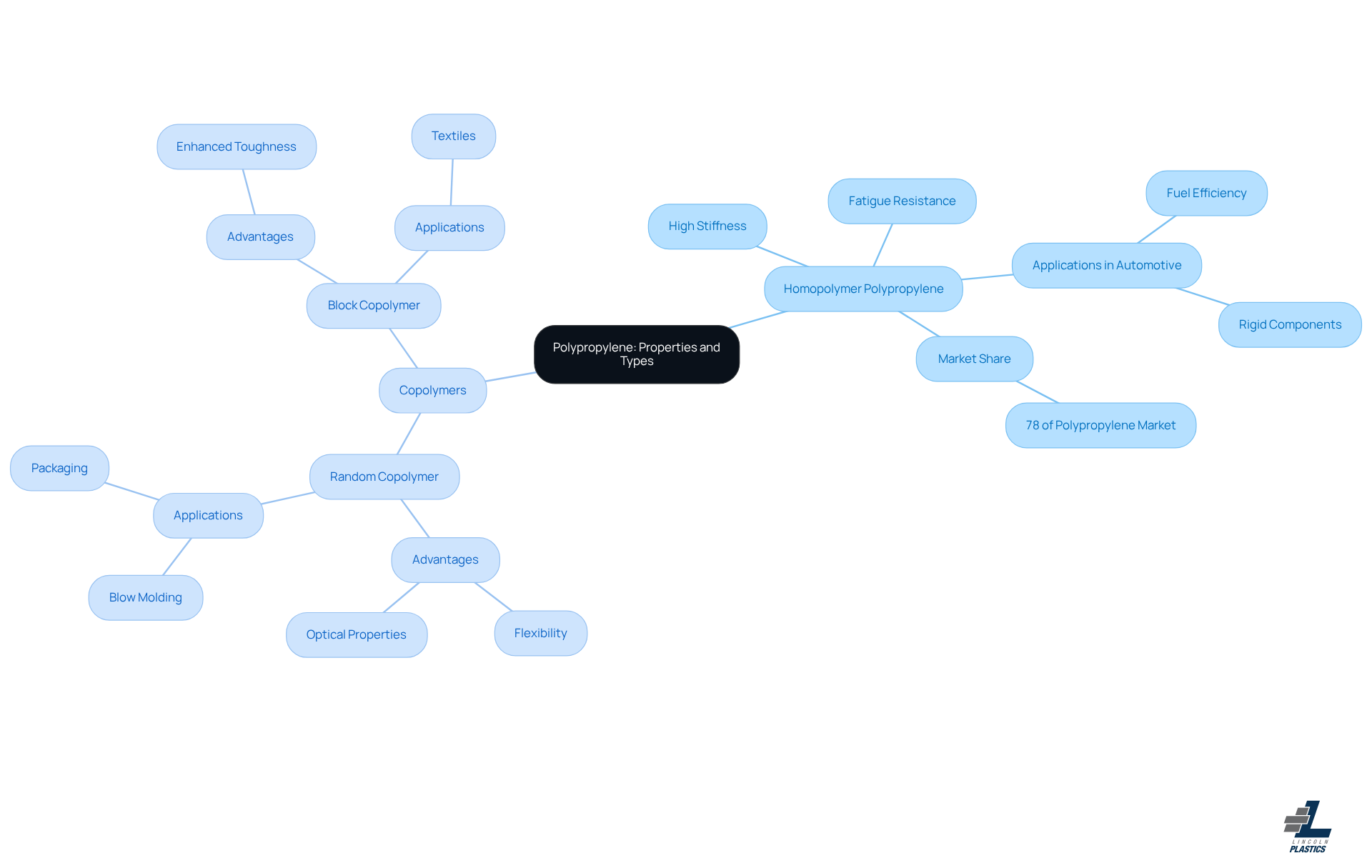
Polypropylene (PP) stands out as a leading thermoplastic polymer, known for its lightweight durability and chemical resistance, making it a top choice for various industries. It is primarily categorized into two main grades: homopolymer and copolymer types.
- Homopolymer Polypropylene: This variant is produced from a single type of propylene monomer, providing high stiffness and exceptional fatigue resistance. It is widely employed in applications demanding rigidity, such as automotive components and industrial containers. Homopolymer type accounts for about 78% of the market share for this material, establishing it as a favored option for producers seeking dependable performance in challenging conditions. Its applications in the automotive sector, which is expected to expand considerably, emphasize its significance in improving fuel efficiency and overall vehicle performance.
- Copolymers: Copolymers, which include random and block variants, offer unique advantages by incorporating ethylene into the propylene structure. These materials are generally softer and more flexible than their homopolymer counterparts, making them ideal for applications in packaging and textiles. The random copolymer variant excels in blow molding for bottles and containers, enhancing optical properties and flexibility.
Understanding these characteristics helps manufacturers select the right polypropylene type based on their specific needs, like impact resistance and clarity. For instance, the automotive sector, the fastest-growing segment for this type of plastic, benefits from the lightweight strength and impact resistance of these materials, aiding in fuel efficiency and overall performance.
Recent advancements in plastic technology, such as ExxonMobil's enhancements to its Exxtend™ technology for higher-quality recycled plastic, reflect the ongoing evolution in this field. As the global plastic market is projected to grow from USD 97.83 billion in 2026 to USD 149.07 billion by 2034, with a CAGR of 5.40%, manufacturers must stay informed about the latest developments and sourcing strategies to optimize their procurement processes. Staying updated with technological advancements is essential for manufacturers to maintain a competitive edge in the market. As the market evolves, understanding these materials will be key to leveraging their benefits for enhanced product performance and sustainability.
Identify Applications of Extruded Polypropylene in Manufacturing
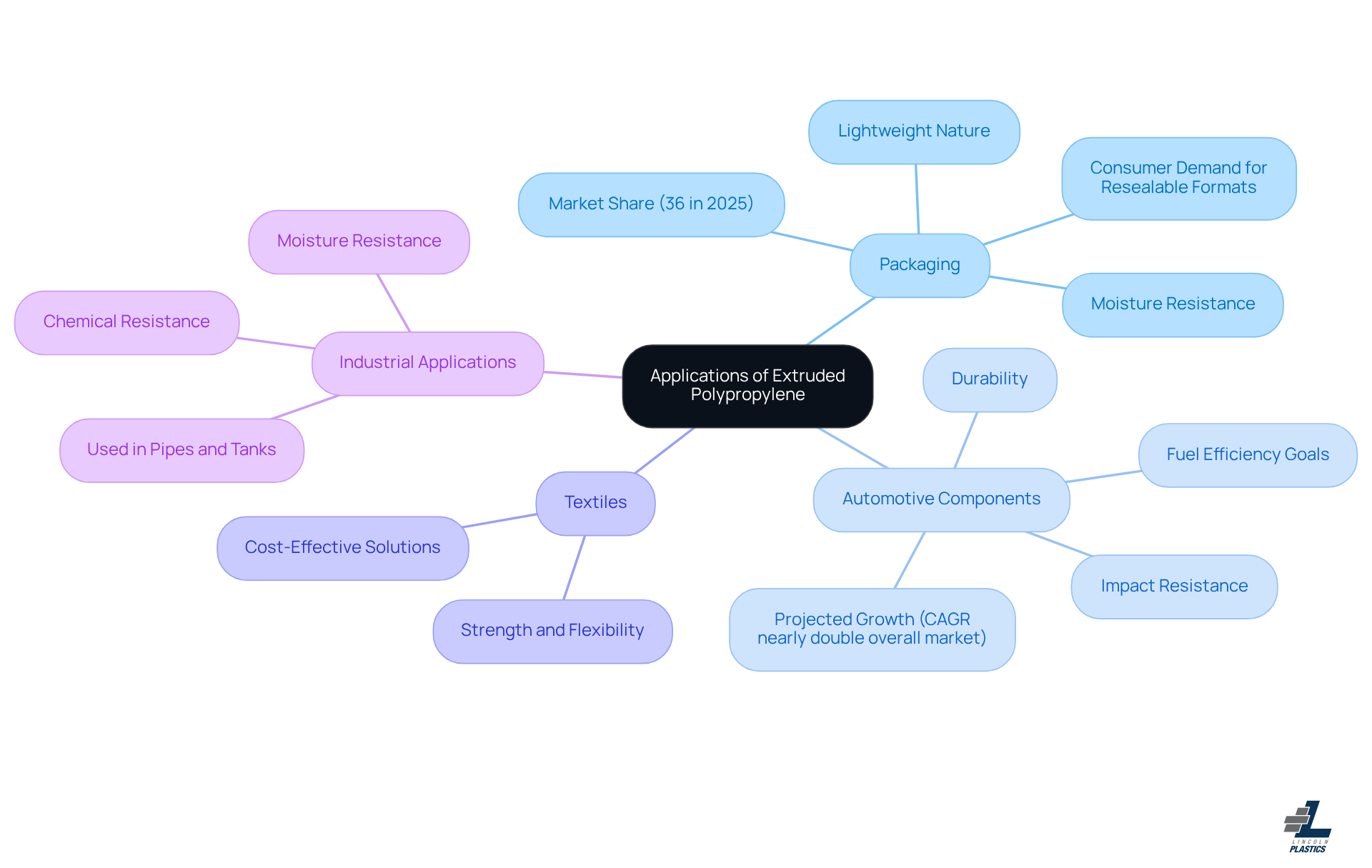
Extruded polypropylene is recognized as a game-changer in manufacturing due to its remarkable versatility and advantageous properties. Key applications include:
- Packaging: Polypropylene is extensively used for food containers, bottles, and films, thanks to its lightweight nature and excellent moisture resistance. The packaging sector alone represented around 36% of the market for this material in 2025, fueled by consumer demand for lightweight, resealable, and microwaveable formats.
- Automotive Components: The durability and impact resistance of extruded polypropylene make it an ideal material for applications such as battery casings, interior trim, and bumpers. With the automotive sector progressively emphasizing fuel efficiency and emissions goals, there is a systematic transition towards substituting metal parts with lighter plastic options, significantly benefiting certain plastic compounds. The demand for automotive plastic is expected to increase at almost twice the overall market CAGR through 2035.
- Textiles: Extruded polypropylene fibers are used in carpets, upholstery, and non-woven fabrics, offering strength and flexibility. This material is gaining traction as manufacturers seek durable and cost-effective solutions for various textile products.
- Industrial Applications: In the industrial sector, extruded polypropylene is used to manufacture pipes, fittings, and tanks, particularly in chemical processing and agricultural irrigation systems. The resistance of extruded polypropylene to chemicals and moisture makes it a reliable choice for these applications.
We work hand-in-hand with OEMs to ensure their products meet all necessary standards, including special checks for ‘fit and function’. Our robust management program, certified to ISO 9001:2015, ensures that we have dedicated plans, in-process checks, and multiple types of check gauges to guarantee that your rigid profiles are manufactured to the specified critical dimensions. Furthermore, we can effortlessly obtain colors that align with your Pantone specifications for uniformity among producers.
But how can manufacturers navigate the challenges posed by fluctuating feedstock prices and environmental pressures? By understanding these varied uses, along with our commitment to quality, producers can better evaluate how this material can fulfill their operational requirements and improve product offerings, ensuring they stay competitive in a swiftly changing market. Recognizing these challenges and opportunities will empower manufacturers to make informed decisions that drive innovation and sustainability in their operations.
Implement Best Practices for Sourcing Polypropylene
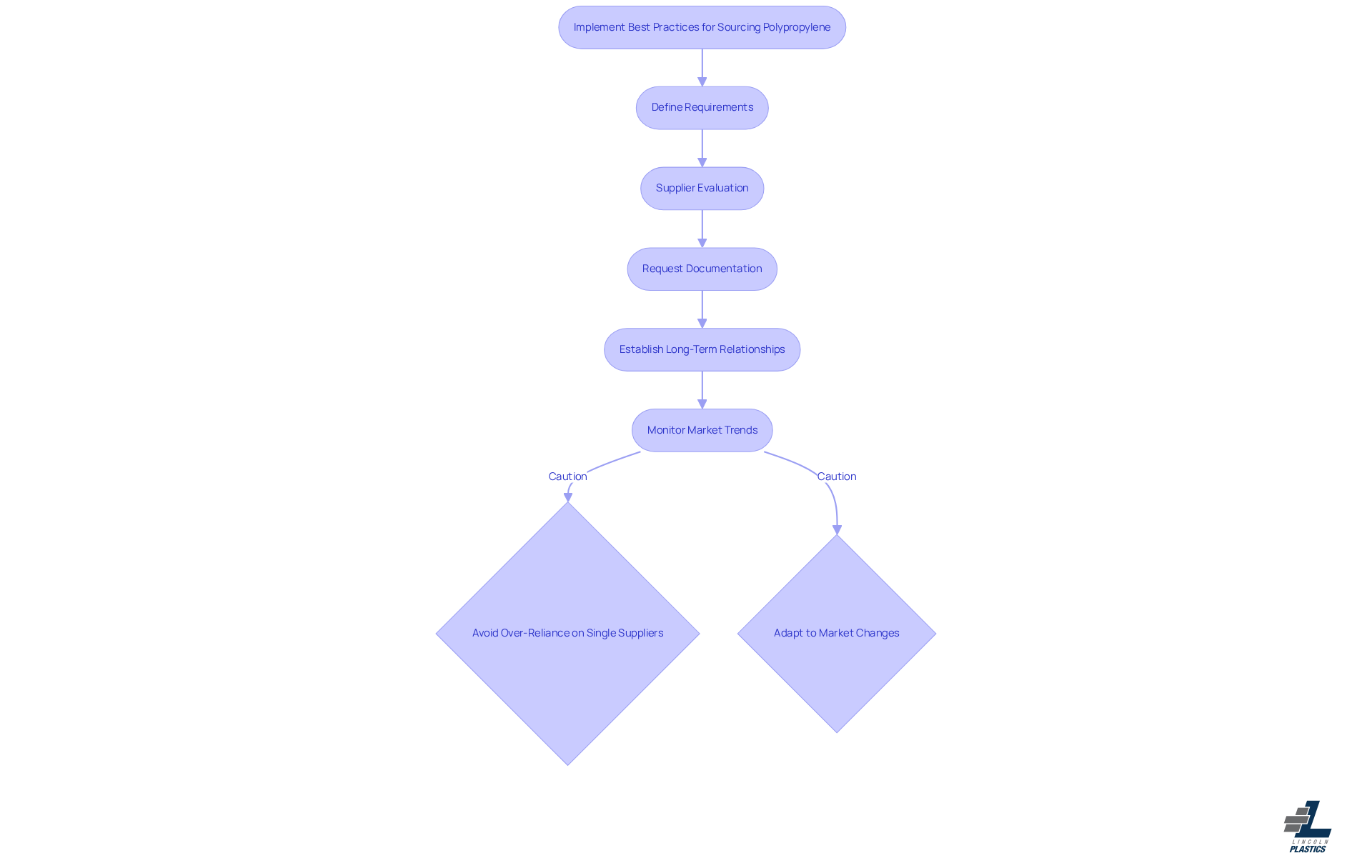
Sourcing polypropylene effectively is crucial for manufacturers aiming to optimize their production processes and maintain competitive advantage. To achieve this, manufacturers should adopt the following best practices:
- Define Requirements: Clearly outline the mechanical properties, processing methods, and compliance standards necessary for your application. This ensures that the selected materials meet specific operational needs.
- Supplier Evaluation: Assess potential suppliers based on their certifications, such as ISO 9001, production capabilities, and proven track records in delivering quality materials. This evaluation helps mitigate risks associated with supplier reliability.
- Have you requested the right documentation? Always ask for material specifications, safety data sheets, and compliance certifications to ensure the plastic meets industry standards. This documentation is crucial for ensuring safety and regulatory compliance.
- Establish Long-Term Relationships: Building strong partnerships with reliable suppliers can lead to better pricing, priority service, and enhanced supply chain stability. Long-term relationships foster trust and facilitate smoother transactions.
- Monitor Market Trends: Stay informed about fluctuations in plastic prices and availability to make timely sourcing decisions. Understanding market dynamics, including the projected price increases of 5%-7% during the forecast period from 2022 to 2026, allows for proactive procurement strategies. Significantly, 83.1% of producers cited increasing raw material expenses as a primary business challenge in Q2 2026, highlighting the necessity of tracking these trends.
By being proactive and informed, manufacturers can navigate the complexities of sourcing and secure the materials that drive their success. Additionally, it is essential to be aware of potential pitfalls in sourcing, such as over-reliance on single suppliers or failure to adapt to market changes, to avoid common mistakes.
Ensure Quality Control and Compliance in Polypropylene Utilization
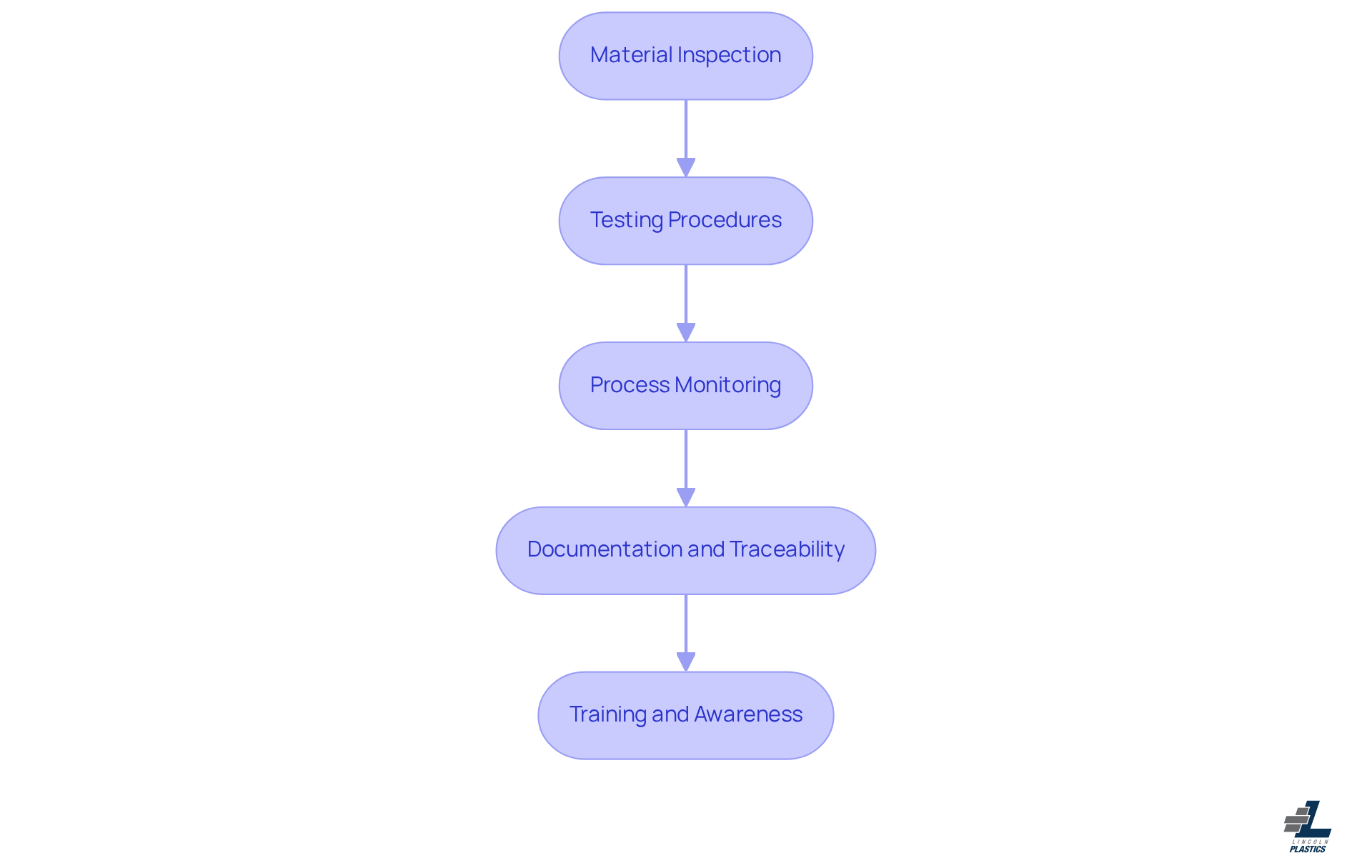
In 2026, as industry standards evolve, the importance of quality control in custom plastic extrusion cannot be overstated. Manufacturers should implement the following measures to ensure product reliability and compliance:
- Material Inspection: Conduct thorough inspections of incoming polypropylene to verify its purity and compliance with specifications. This step is crucial for maintaining the integrity of the production process.
- Testing Procedures: Regularly perform tests such as melt flow rate (MFR), tensile strength, and impact resistance. These tests ensure that the material meets required standards and can withstand the demands of its intended applications.
- Process Monitoring: Continuously monitor extrusion parameters, including temperature and pressure. This vigilance helps maintain consistent product standards and minimizes the risk of defects during production.
- Documentation and Traceability: Maintain detailed records of material batches, testing results, and compliance certifications. This practice promotes traceability and accountability, which are essential for assurance of standards.
- Training and Awareness: Ensure that all personnel involved in the extrusion process are trained in standards control practices. Grasping the significance of compliance promotes a culture of excellence throughout the organization.
Without stringent quality control, manufacturers face the risk of producing subpar products that could lead to customer dissatisfaction and loss of market share. Implementing these control measures not only enhances the reliability of extruded polypropylene products but also significantly reduces defects, leading to greater customer satisfaction. Case studies have shown that implementing robust quality control systems leads to higher profits and a better brand reputation, allowing manufacturers to command premium prices in competitive markets. Ultimately, the commitment to quality control not only safeguards product integrity but also positions manufacturers as leaders in a competitive landscape.
Conclusion
Navigating the complexities of sourcing extruded polypropylene is crucial for manufacturers seeking to enhance production capabilities and maintain a competitive edge. However, many manufacturers struggle to navigate the complexities of sourcing the right polypropylene. By understanding polypropylene's properties and applications, manufacturers can make informed decisions that align with their operational needs. The insights shared in this article highlight the importance of selecting the right type of polypropylene, whether it be homopolymer or copolymer, to meet specific requirements across various industries.
Key strategies for successful sourcing include:
- Defining material requirements
- Evaluating suppliers based on their certifications and reliability
- Establishing long-term partnerships
Additionally, staying informed about market trends and fluctuations in pricing is crucial for proactive procurement. Are you maximizing your polypropylene sourcing? Implementing robust quality control measures, such as thorough material inspections and continuous process monitoring, ensures that the final products meet the highest standards of quality and compliance.
Failing to implement these strategies can result in increased costs and lost market share. A commitment to excellence in sourcing and quality management enhances product reliability and positions manufacturers as leaders in their markets. By adopting these best practices, manufacturers can navigate the complexities of sourcing extruded polypropylene, ensuring they remain competitive while delivering high-quality products that meet customer expectations. For tailored solutions and expert guidance, reaching out to Lincoln Plastics can provide valuable insights and support in optimizing sourcing strategies for extruded polypropylene.
Frequently Asked Questions
What is polypropylene and why is it significant?
Polypropylene (PP) is a leading thermoplastic polymer known for its lightweight durability and chemical resistance, making it a popular choice across various industries.
What are the main types of polypropylene?
Polypropylene is primarily categorized into two main grades: homopolymer and copolymer types.
What are the characteristics of homopolymer polypropylene?
Homopolymer polypropylene is produced from a single type of propylene monomer, offering high stiffness and exceptional fatigue resistance. It is widely used in applications requiring rigidity, such as automotive components and industrial containers.
What percentage of the polypropylene market does homopolymer account for?
Homopolymer polypropylene accounts for about 78% of the market share for this material.
What are the applications of homopolymer polypropylene?
It is commonly used in the automotive sector to improve fuel efficiency and overall vehicle performance, as well as in industrial containers.
What are copolymers and how do they differ from homopolymers?
Copolymers incorporate ethylene into the propylene structure, making them generally softer and more flexible than homopolymers. They are ideal for applications in packaging and textiles.
What is the advantage of random copolymer polypropylene?
Random copolymer polypropylene excels in blow molding for bottles and containers, enhancing optical properties and flexibility.
How does understanding polypropylene types benefit manufacturers?
Understanding the characteristics of polypropylene helps manufacturers select the right type based on specific needs, such as impact resistance and clarity, which is crucial for optimizing product performance.
What recent advancements have been made in polypropylene technology?
Recent advancements include enhancements to ExxonMobil's Exxtend™ technology for higher-quality recycled plastic, reflecting ongoing evolution in the field.
What is the projected growth of the global plastic market?
The global plastic market is projected to grow from USD 97.83 billion in 2026 to USD 149.07 billion by 2034, with a compound annual growth rate (CAGR) of 5.40%.
Why is it important for manufacturers to stay informed about polypropylene developments?
Staying updated with technological advancements is essential for manufacturers to maintain a competitive edge in the market and optimize their procurement processes.
List of Sources
- Understand Polypropylene: Properties and Types
- Top 5 Premium Polypropylene (PP) Suppliers in 2026 (https://cbrhkglobal.com/top-5-premium-polypropylene-pp-suppliers-in-2026)
- Polypropylene Pp Market Market Size & Growth Report 2026-2033 (https://datamintelligence.com/research-report/polypropylene-pp-market)
- Polypropylene - Wikipedia (https://en.wikipedia.org/wiki/Polypropylene)
- Identify Applications of Extruded Polypropylene in Manufacturing
- Polypropylene Industry Trends and Competition Analysis, 2025-2033 - Rising Demand in Construction Sector Strengthens Polypropylene Usage (https://globenewswire.com/news-release/2026/01/05/3212973/28124/en/polypropylene-industry-trends-and-competition-analysis-2025-2033-rising-demand-in-construction-sector-strengthens-polypropylene-usage.html)
- Top Polypropylene Sheet Manufacturers: Market Leaders and Industry Trends in 2026 (https://freep.com/press-release/story/152874/top-polypropylene-sheet-manufacturers-market-leaders-and-industry-trends-in-2026)
- Polypropylene Market Size, Share & Industry Growth 2035 (https://snsinsider.com/reports/polypropylene-market-5646)
- Polypropylene Extrusion Process Materials And Industrial Applications (https://tldvietnam.com/polypropylene-extrusion-process)
- Implement Best Practices for Sourcing Polypropylene
- Polypropylene Industry - Procurement Report|Spend & Sourcing Analysis - SpendEdge (https://procurement.spendedge.com/report/polypropylene-procurement-market-intelligence-report)
- Top 5 Premium Polypropylene (PP) Suppliers in 2026 (https://cbrhkglobal.com/top-5-premium-polypropylene-pp-suppliers-in-2026)
- Why Manufacturers Are Regionalizing Plastic Supply Chains in 2026 - Sterling Plastics (https://sterlingplasticsinc.com/insights/why-manufacturers-are-regionalizing-plastic-supply-chains-in-2026)
- U.S. Polypropylene Film Sourcing in 2026 | Profol - Profol Americas (https://profol.com/18/04/2026/u-s-polypropylene-film-sourcing-in-2026-profol)
- Ensure Quality Control and Compliance in Polypropylene Utilization
- Polypropylene (PP) - News - portal Plastech.biz (https://plastech.biz/en/news/tag/polypropylene-pp-67)
- Top Polypropylene Sheet Manufacturers: Market Leaders and Industry Trends in 2026 (https://democratandchronicle.com/press-release/story/151456/top-polypropylene-sheet-manufacturers-market-leaders-and-industry-trends-in-2026)
- Polypropylene (PP) Testing: Properties, Methods & Standards (https://infinitalab.com/blog/polypropylene-testing?srsltid=AfmBOooWTE-1V-iLSnJHwSJq95jlrBVO90a_AsL-1jsEudDIgGM2NbM-)
- Challenges Around Recycled Polypropylene | Milliken Chemical | Milliken (https://milliken.com/en-us/chemicals/blogs/challenges-around-recycled-polypropylene)
- Quality Control in Plastic Manufacturing: How to Improve Your QC Process for Optimum Results (https://pti.tech/2024/01/18/quality-control-in-plastic-manufacturing-how-to-improve-your-qc-process-for-optimum-results)
Related posts

Right-Sized Production Runs: Flexibility Without the Waste
Lincoln Plastics offers right-sized production runs with a 10-hour minimum — balancing efficiency with flexibility so OEMs avoid oversized orders.


Co-Extrusion: Combining Two Materials for Better Performance
Lincoln Plastics offers co-extrusion, combining two plastics into a single profile for greater design freedom, performance, and cost savings.
Beyond Extrusion: Value-Added Services That Simplify Production
Beyond Extrusion: Value-Added Services That Simplify Production
