
Best Practices for Sourcing Extruded Polyethylene Products
Introduction
Selecting the right extruded polyethylene products is crucial for businesses aiming to boost efficiency and elevate product performance. With a variety of options available, from the durable HDPE to the flexible LDPE, understanding these materials is essential for making informed decisions. Sourcing extruded polyethylene can be overwhelming due to the myriad of choices and market fluctuations.
How can companies ensure they find reliable and cost-effective solutions? We’ll explore best practices for sourcing extruded polyethylene, giving you the insights needed to tackle these challenges head-on.
Identify Types of Extruded Polyethylene Products
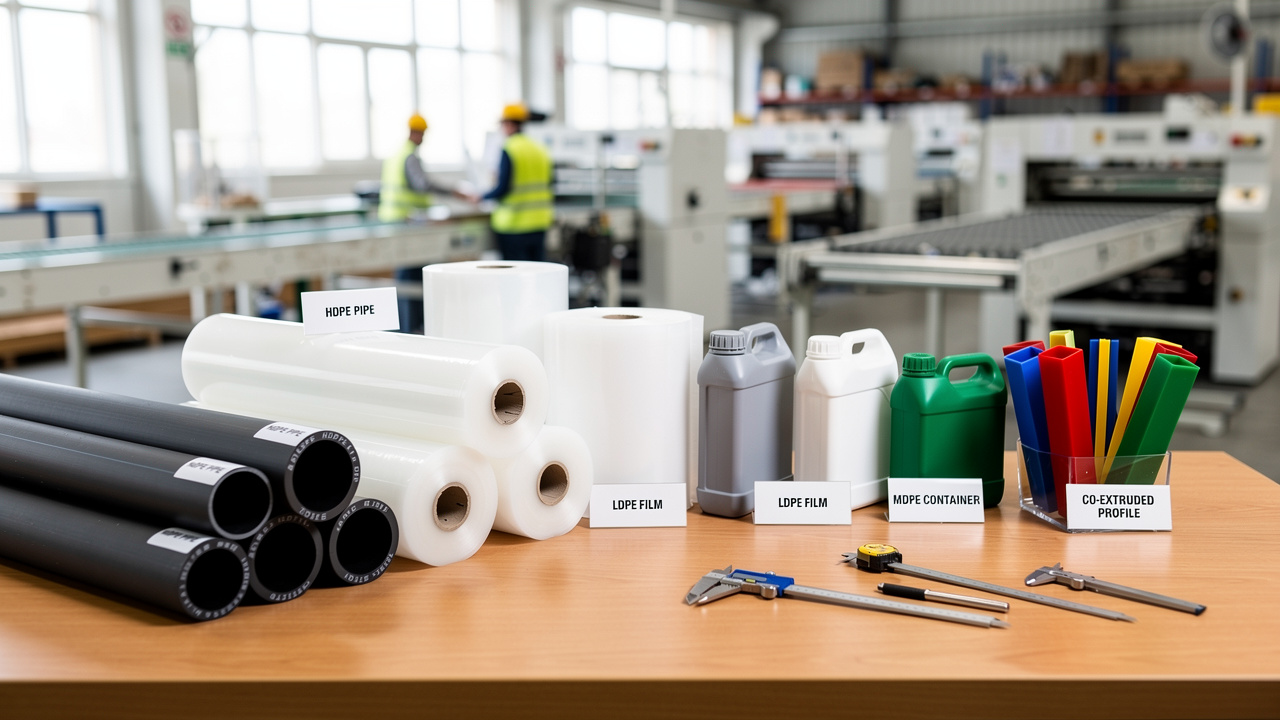
Choosing the right extruded polyethylene products can significantly impact your project's success and efficiency. Various forms of extruded polyethylene products are available, with each designed for specific applications. The primary types include:
- HDPE (High-Density Polyethylene): Renowned for its strength and durability, HDPE is widely utilized in applications such as piping, containers, and industrial components. Its robust nature makes it ideal for demanding environments.
- LDPE (Low-Density Polyethylene): This variant is characterized by its flexibility, making it a popular choice for packaging films, bags, and other applications that require pliability. LDPE's lightweight properties enhance its usability in various consumer products.
- MDPE (Medium-Density Polyethylene): MDPE offers a balanced combination of flexibility and strength, making it suitable for applications like gas pipes and other medium-strength requirements. Its versatility allows it to serve multiple sectors effectively.
- Co-extruded Profiles: These profiles combine different types of polyethylene to achieve specific properties, such as enhanced UV resistance or varied color options, which are particularly beneficial for outdoor applications.
How can businesses ensure they select the most suitable materials for their projects? Understanding these types is crucial for optimizing procurement processes and enhancing product performance. Without this knowledge, businesses risk compromising their operational efficiency and product quality.

Evaluate Supplier Reliability and Quality Assurance
In the competitive landscape of custom plastic extrusion, selecting a reliable supplier is crucial for success. Here are key steps to ensure you choose a dependable vendor:
- Check Certifications: Look for vendors with ISO 9001 certification or other pertinent quality assurance certifications, which indicate adherence to globally recognized quality management standards. This certification is essential for ensuring consistent quality and customer satisfaction.
- Review Performance History: Analyze the vendor's track record regarding on-time delivery, product quality, and responsiveness to issues. Did you know that manufacturers with ISO 9001 certification frequently report fewer defects and greater operational efficiency? Request references or case studies from previous clients to gauge their reliability.
- Evaluate Production Capabilities: Ensure the provider has the necessary machinery and technology to meet your specific extrusion requirements, including the ability to handle custom profiles. Suppliers that specialize in custom extrusions can provide tailored solutions that standard profiles may not accommodate.
- Conduct Site Visits: If possible, visit the provider's facility to observe their production processes, quality control measures, and overall operational environment. This firsthand observation can provide insights into their commitment to quality and efficiency.
- Evaluate Communication: Effective communication is crucial. Evaluate how promptly and clearly the vendor responds to inquiries and how they manage potential issues. A provider's capacity to communicate effectively can significantly influence your operational success.
Finding a dependable supplier for your success in extruded polyethylene products is essential. By prioritizing these evaluation steps, you not only safeguard your operations but also position your business for long-term success in the industry.

Implement Effective Negotiation Strategies for Cost Optimization
Effective negotiation with suppliers is crucial for controlling costs and enhancing procurement strategies. Here are effective strategies to optimize your sourcing expenses:
- Understand Your Needs: What are your specific requirements? Defining them clearly can empower your negotiation strategy, including volume, specifications, and delivery timelines. Nearly 60% of organizations struggle with fragmented data, complicating their negotiation efforts, making it essential to have a clear understanding of your needs.
- Research Market Values: Are you aware of the current market values for extruded polyethylene products? Staying informed can give you a competitive edge, especially since LyondellBasell anticipates prices to remain elevated through 2026. Use this information to benchmark vendor quotes and identify reasonable pricing. Additionally, be mindful that price variances for identical SKUs can exceed 10% across international units, underscoring the importance of thorough market research.
- Build Relationships: Establishing a good rapport with vendors can lead to better negotiation outcomes. Suppliers are often more willing to offer discounts or favorable terms to clients they trust.
- Negotiate Beyond Price: Consider negotiating other terms such as payment schedules, delivery timelines, and minimum order quantities. These factors can also impact your overall costs.
- Be Prepared to Walk Away: If a supplier cannot meet your requirements or pricing expectations, be willing to explore other options. This mindset can strengthen your negotiating position.
By mastering these negotiation strategies, you can not only reduce costs but also secure reliable partnerships that drive your business forward. Additionally, understanding the potential impacts of geopolitical tensions and rising logistics costs on supply chain management can further enhance your negotiation strategy.

Analyze Market Trends and Material Cost Fluctuations
In the ever-evolving landscape of sourcing, staying informed about market trends and material cost fluctuations is not just beneficial - it's essential for success. Here are key considerations:
- Monitor Raw Material Costs: Regularly track the costs of extruded polyethylene products and other relevant materials. Recent reports indicate that polyethylene prices have seen fluctuations, with a notable increase of 3.73% over the past month, although they remain 15.32% lower than a year ago. Resources such as industry reports and market analysis can offer insights into cost trends. How can buyers leverage heightened competition among producers to secure better costs and terms in negotiations?
- Understand Supply Chain Dynamics: Be aware of factors that can affect supply chains, such as geopolitical events, natural disasters, or changes in production capacity. Ongoing geopolitical tensions in the Middle East create uncertainty in resin pricing. This situation leads to inflationary pressure across many resin markets. This uncertainty necessitates a proactive approach to sourcing strategies.
- Evaluate Demand Trends: Analyze demand trends in your industry. Higher demand for specific applications can raise costs, while a reduction may result in lower expenses. The current market sentiment indicates that the market for extruded polyethylene products is a buyer's playground, allowing for better negotiation terms due to an oversupply.
- Explore Extended Agreements: If you foresee cost rises, explore negotiating extended agreements with providers to secure current rates and guarantee consistent supply. Analysts anticipate sustained flat-to-modest rates for polyethylene and polypropylene through Q2 2026, and costs are expected to decrease in 2026 due to oversupply and weak demand, making it a strategic time to secure favorable terms.
- Stay Connected with Vendors: Maintain open communication with your vendors to gain insights into upcoming changes in costs or availability. This proactive method can assist you in modifying your procurement strategies in advance. Building solid connections with various suppliers can offer adaptability in costs and supply, particularly during fluctuating market situations. Additionally, consider regional variations in pricing, as these can significantly influence procurement decisions.
By proactively addressing these factors, businesses can not only safeguard their operations but also seize opportunities in a fluctuating market.

Conclusion
Selecting the right extruded polyethylene products and suppliers is not just important; it’s essential for project success. Understanding the various types of polyethylene, including HDPE, LDPE, and MDPE, empowers businesses to make informed decisions that enhance operational efficiency and product performance. Furthermore, evaluating supplier reliability through certifications, performance history, and effective communication ensures that procurement processes run smoothly and effectively.
Key insights discussed in this article highlight the importance of robust negotiation strategies to optimize costs and secure favorable terms with suppliers. By understanding market trends and material cost fluctuations, businesses can navigate the complexities of sourcing effectively. Building strong relationships with vendors and staying proactive in communication can lead to advantageous agreements and improved supply chain resilience.
Ultimately, a strategic approach to sourcing can be the difference between thriving and merely surviving in the competitive plastic extrusion market. By implementing best practices in product selection, supplier evaluation, and negotiation, companies can position themselves for long-term growth and efficiency. Embracing these strategies fosters a culture of excellence and partnership, paving the way for sustainable success in the plastic extrusion industry.
Frequently Asked Questions
What are the main types of extruded polyethylene products?
The main types of extruded polyethylene products include HDPE (High-Density Polyethylene), LDPE (Low-Density Polyethylene), MDPE (Medium-Density Polyethylene), and co-extruded profiles.
What is HDPE and its common applications?
HDPE, or High-Density Polyethylene, is known for its strength and durability. It is commonly used in applications such as piping, containers, and industrial components, making it suitable for demanding environments.
How is LDPE different from HDPE?
LDPE, or Low-Density Polyethylene, is characterized by its flexibility, making it ideal for packaging films, bags, and applications that require pliability. It is lighter than HDPE and enhances usability in various consumer products.
What are the characteristics and uses of MDPE?
MDPE, or Medium-Density Polyethylene, offers a balance of flexibility and strength. It is suitable for applications like gas pipes and other medium-strength requirements, allowing it to serve multiple sectors effectively.
What are co-extruded profiles and their benefits?
Co-extruded profiles combine different types of polyethylene to achieve specific properties, such as enhanced UV resistance or varied color options. These profiles are particularly beneficial for outdoor applications.
Why is it important for businesses to understand the types of extruded polyethylene products?
Understanding the types of extruded polyethylene products is crucial for optimizing procurement processes and enhancing product performance. Without this knowledge, businesses risk compromising their operational efficiency and product quality.
List of Sources
- Identify Types of Extruded Polyethylene Products
- omrglobal.com (https://omrglobal.com/industry-reports/polyethylene-market)
- greenmuscat.com (https://greenmuscat.com/hdpe-and-ldpe-trends-price-elasticity-and-supply-chain-dynamics)
- brandessenceresearch.com (https://brandessenceresearch.com/chemical-and-materials/extruded-plastics-market?srsltid=AfmBOoon_qCR-_SkSPq6EcBWxoXBWxnjLQsXxFnXu8_U184Kf0Irx_WM)
- globenewswire.com (https://globenewswire.com/news-release/2025/10/08/3163302/28124/en/low-density-polyethylene-market-trends-and-forecast-2025-2032-rising-applications-across-agriculture-packaging-infrastructure-coupled-with-sustainability-and-recycling-drive-expans.html)
- Evaluate Supplier Reliability and Quality Assurance
- munotplastics.com (https://munotplastics.com/our-company/iso-certified)
- ideagen.com (https://ideagen.com/thought-leadership/blog/iso-9001-manufacturing)
- Plastic Extrusion News and Press Releases | Bausano (https://bausano.com/en/press-and-news?q=NEWS)
- Master Sourcing Strategies for Reliable Plastic Extrusions Stock (https://lincoln-plastics.com/news-post/master-sourcing-strategies-for-reliable-plastic-extrusions-stock)
- threegon.com (https://threegon.com/post/iso9001-certification-manufacturing)
- Implement Effective Negotiation Strategies for Cost Optimization
- plasticsnews.com (https://plasticsnews.com/resin-prices/pn-polyethylene-30-cent-hike)
- 5 negotiation tactics manufacturers need to win in 2026 (https://fastmarkets.com/insights/5-negotiation-tactics-manufacturers-need-to-win-in-2026)
- packagingdive.com (https://packagingdive.com/news/adapting-packaging-supply-chains-iran-war-tariffs/816956)
- Tips for Building a Smarter Resin Purchasing Strategy in 2026 (https://mholland.com/market-insights/tips-for-building-a-smarter-resin-purchasing-strategy-in-2026)
- plasticsnews.com (https://plasticsnews.com/resin-prices/pn-iran-conflict-long-term-polyolefin-high-prices)
- Analyze Market Trends and Material Cost Fluctuations
- packagingdive.com (https://packagingdive.com/news/adapting-packaging-supply-chains-iran-war-tariffs/816956)
- cbrhkglobal.com (https://cbrhkglobal.com/polyethylene-and-polypropylene-resin-prices-2026-market-trends-and-what-you-need-to-know)
- sterlingplasticsinc.com (https://sterlingplasticsinc.com/insights/how-global-conflict-can-affect-plastic-supply-chains)
- coherentmarketinsights.com (https://coherentmarketinsights.com/market-insight/cross-linked-polyethylene-market-329)
Related posts

Why Custom Pipe Extrusion Matters More Than Ever
Standard pipe sizes don’t always work. Learn how Lincoln Plastics delivers custom diameters, wall thicknesses, and finishes in right-sized runs.


Reducing Trip Hazards with Custom Cord Management
Loose cords are more than messy — they’re a safety hazard. Lincoln Plastics’ custom cord covers and Flexiduct solutions improve safety and efficiency.
The Power of Custom Plastic Profiles for OEMs
Off-the-shelf profiles force compromises. Learn how Lincoln Plastics designs custom extruded profiles for OEMs with exact specs and right-sized runs.
