
Best Practices for Selecting Plastic Elements in Manufacturing
Introduction
Manufacturers face a daunting challenge in selecting the right plastic elements to optimize production efficiency and product quality. Manufacturers often struggle to choose the right materials amidst countless options, including thermoplastics and biodegradable alternatives.
Let’s explore best practices for selecting plastic materials, focusing on:
- Mechanical properties
- Chemical resistance
- Sustainability
Navigating these complexities is crucial for manufacturers to not only meet operational requirements but also to secure a competitive advantage in a fast-paced market.
Understand Different Types of Plastics and Their Applications
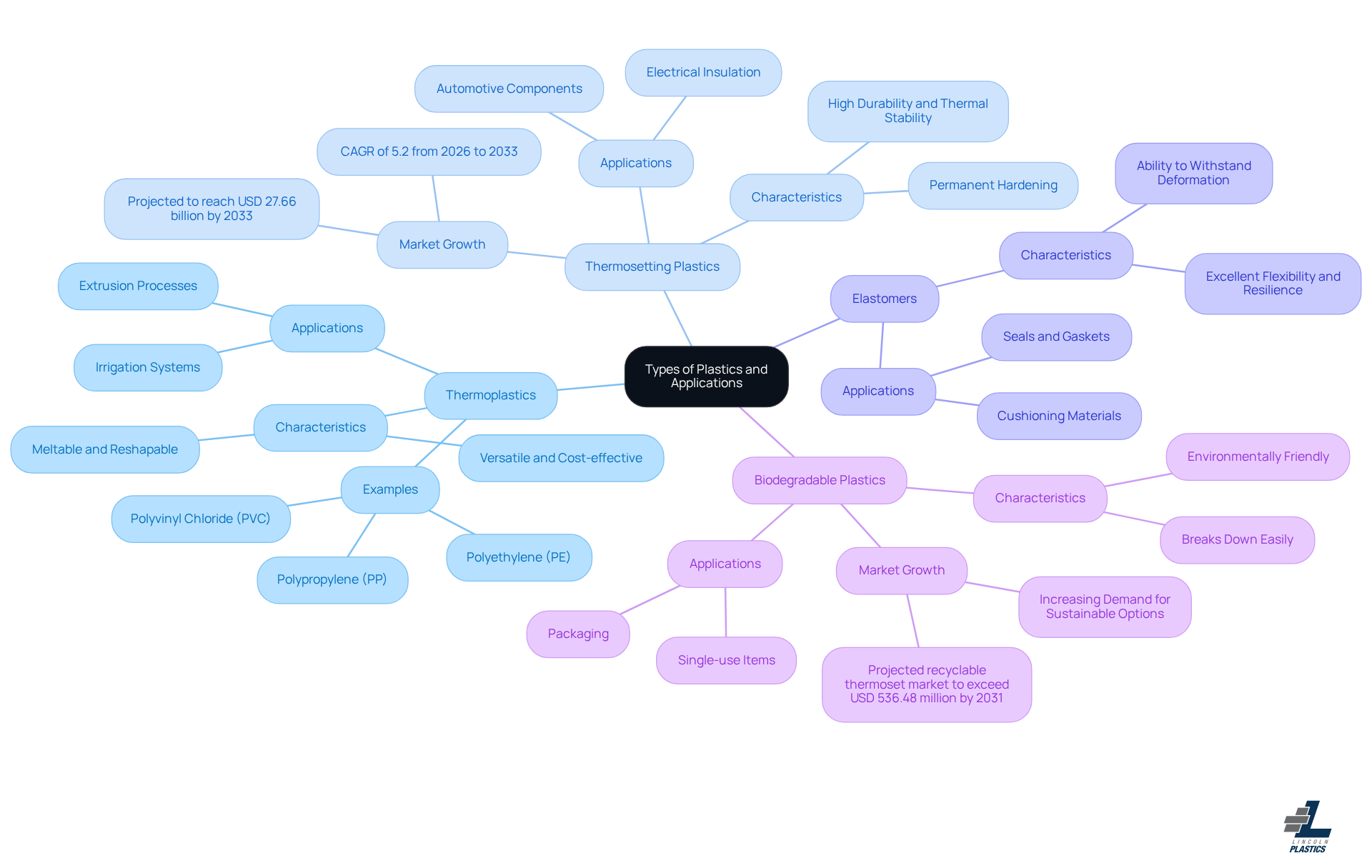
In the manufacturing of plastic elements, the choice of material can make or break your production efficiency. Understanding the various types of plastic elements and their specific applications is crucial for optimizing production processes. The primary categories include:
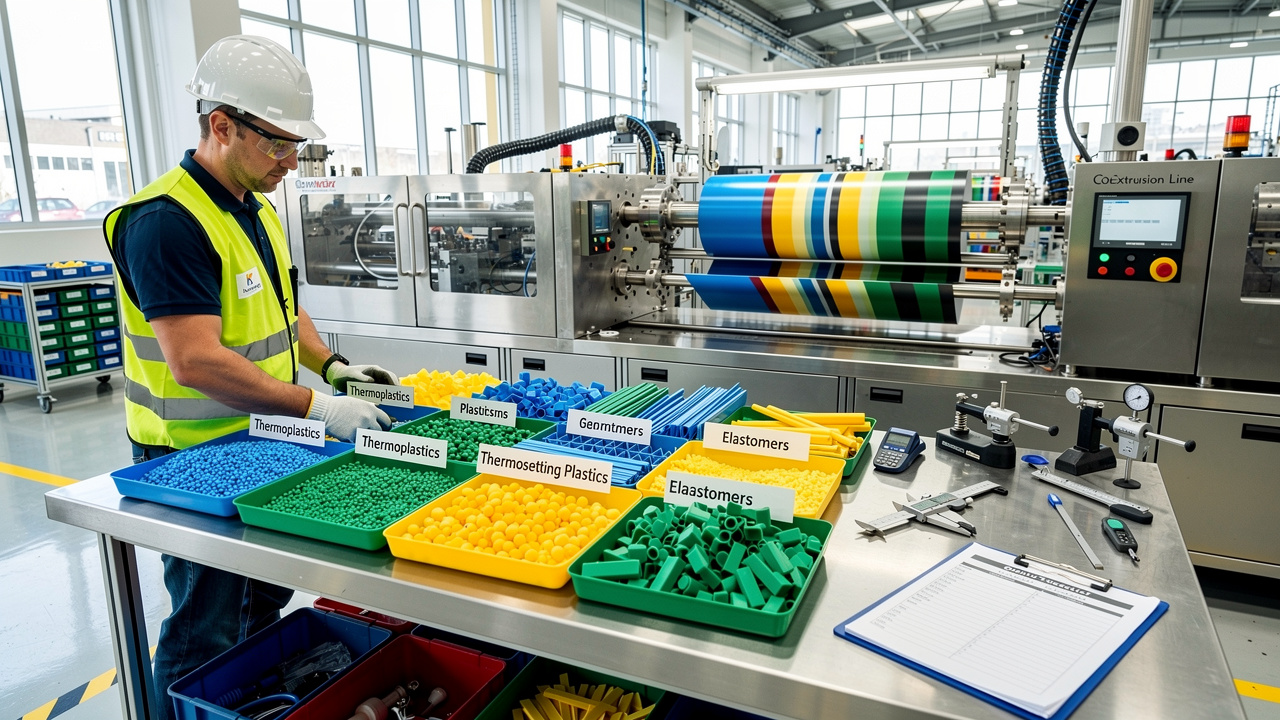
- Thermoplastics: These substances can be melted and reshaped multiple times, making them ideal for processes like extrusion. Common examples include Polyethylene (PE), known for its flexibility, Polypropylene (PP), which offers excellent chemical resistance, and Polyvinyl Chloride (PVC), widely used in construction and plumbing. In 2026, thermoplastics are projected to dominate the market, driven by their versatility and cost-effectiveness. At Lincoln Plastics, we focus on custom flexible profiles and co-extrusion solutions that push the boundaries of design, allowing for innovative multi-colored profiles that enhance product functionality and aesthetics.
- Thermosetting Plastics: Unlike thermoplastics, these substances harden permanently after being shaped, offering high durability and thermal stability. They are frequently utilized in contexts demanding strong performance, such as electrical insulation and automotive components. The thermosetting plastics market is expected to grow significantly, reaching USD 27.66 billion by 2033, reflecting their increasing adoption in various sectors.
- Elastomers: These rubber-like substances provide excellent flexibility and resilience, making them suitable for applications such as seals, gaskets, and cushioning. Their unique properties allow them to withstand significant deformation without permanent damage, which is essential in many manufacturing contexts. Lincoln Plastics' expertise in custom rigid conduit manufacturing ensures that these elastomers meet stringent quality standards, including Pantone color matching for consistency across manufacturers.
- Biodegradable Plastics: With rising environmental concerns, biodegradable options are gaining traction. These substances break down more readily in the environment, making them appropriate for packaging and single-use items. The worldwide recyclable thermoset market is expected to surpass USD 536.48 million by 2031, emphasizing the transition towards sustainable resources.
Choosing the wrong type of plastic elements can result in costly production delays and product failures. Understanding these categories helps manufacturers select the appropriate plastic elements. Key factors include strength, flexibility, chemical resistance, and environmental impact. For instance, in agriculture, thermoplastics are often used for irrigation systems, where Lincoln Plastics has established itself as a leader since 1948, providing reliable solutions tailored to OEM needs. In office management, elastomers are favored for their durability in office equipment. Case studies demonstrate how companies are utilizing these resources to improve performance and address specific operational requirements, especially in reaction to regulatory pressures fostering innovation in low-VOC and sustainable curing agents. Lincoln Plastics' commitment to quality is supported by documented procedures and certifications, including ISO 9001:2015, ensuring that all products meet the highest standards of excellence. Reach out to Lincoln Plastics today to discover how our expertise can elevate your manufacturing processes.
Select Appropriate Plastic Materials for Manufacturing Needs
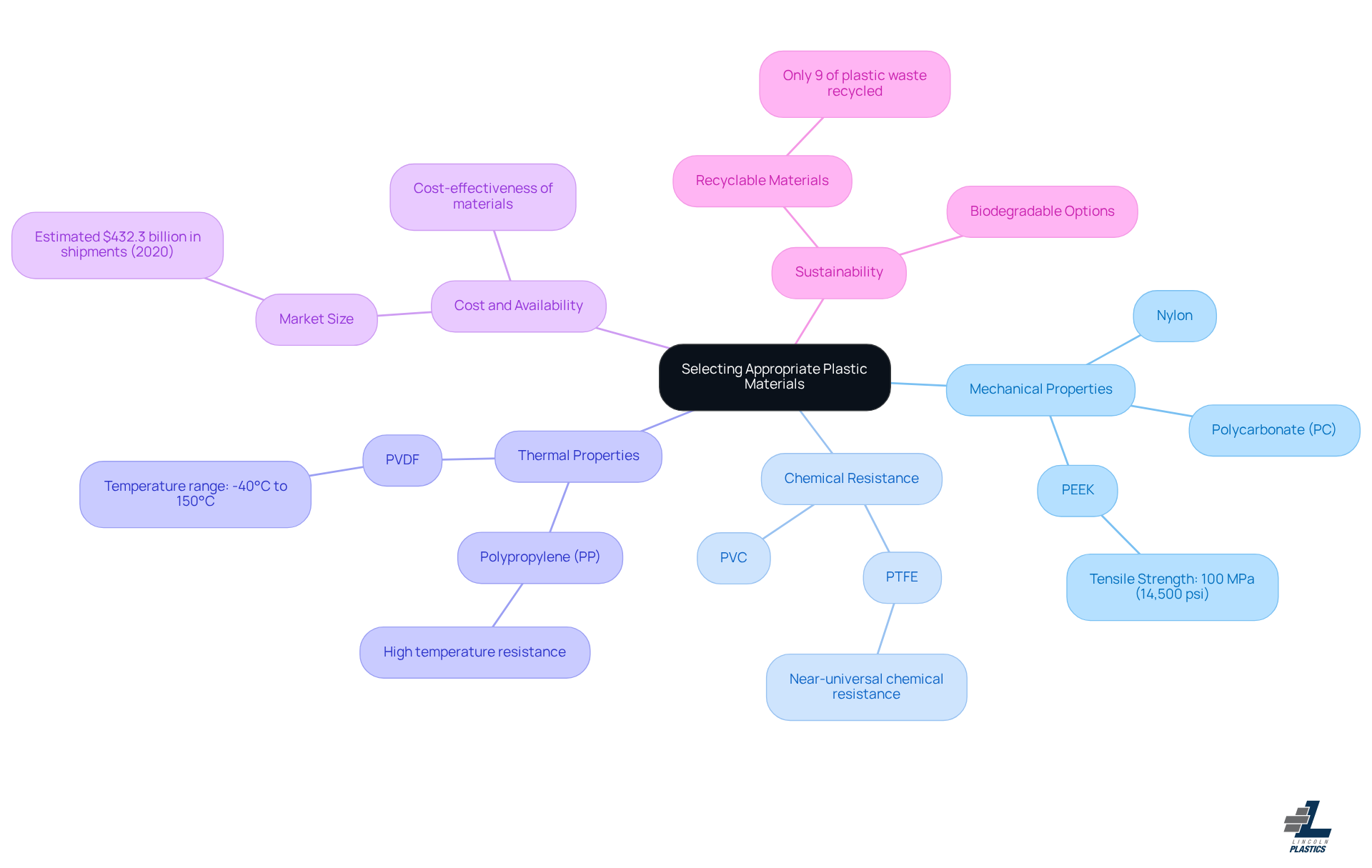
Choosing the right plastic elements can be daunting, especially given the many options available. When selecting plastic materials for manufacturing, several key factors must be considered to ensure optimal performance and sustainability:
- Mechanical Properties: Assess the strength, flexibility, and impact resistance required for your use case. For instance, materials such as Polycarbonate (PC) and Nylon are recognized for their exceptional strength, making them suitable for items exposed to high stress. PEEK, for example, boasts a tensile strength of up to 100 MPa (14,500 psi), which is crucial for demanding applications.
- Chemical Resistance: Consider the environmental conditions in which the product will operate. PVC, for example, is known for its outstanding chemical resistance, making it ideal for plumbing applications where exposure to various substances is common. PTFE is also favored in specialized industries for its near-universal resistance to chemicals.
- Thermal Properties: Think about the operating temperature range of your use case. Polypropylene (PP) can withstand higher temperatures, making it a preferred choice for automotive components that experience significant heat. Additionally, PVDF operates effectively within a temperature range of -40°C to 150°C, making it suitable for various applications.
- Cost and Availability: You need to weigh the cost-effectiveness of your material choices to make sure they fit your budget. While high-performance substances may offer improved properties, they often come at a higher cost. The production of plastic elements in the sector amounted to an estimated $432.3 billion in shipments in 2020, highlighting the scale and significance of available options.
- Sustainability: With rising environmental concerns, choosing biodegradable or recyclable materials is becoming increasingly important. Currently, only 9% of all plastic waste ever created has been recycled, underscoring the significance of sustainability in resource selection. This approach not only meets regulatory requirements but also resonates with environmentally conscious consumers, enhancing brand reputation.
By thoroughly assessing these factors, manufacturers can choose materials that meet operational requirements while enhancing the overall quality and sustainability of their products. For example, the agricultural equipment industry has witnessed successful applications of sustainable resources, showcasing the effectiveness of these best practices in practical scenarios. By making informed choices, manufacturers can not only enhance product quality but also contribute to a more sustainable future.
Implement Quality Control Measures in Plastic Extrusion
In the competitive landscape of plastic extrusion, maintaining high-quality standards for plastic elements is not just an option; it's a necessity for success. To achieve this, manufacturers must adopt rigorous quality control measures that ensure reliability and excellence in their products.
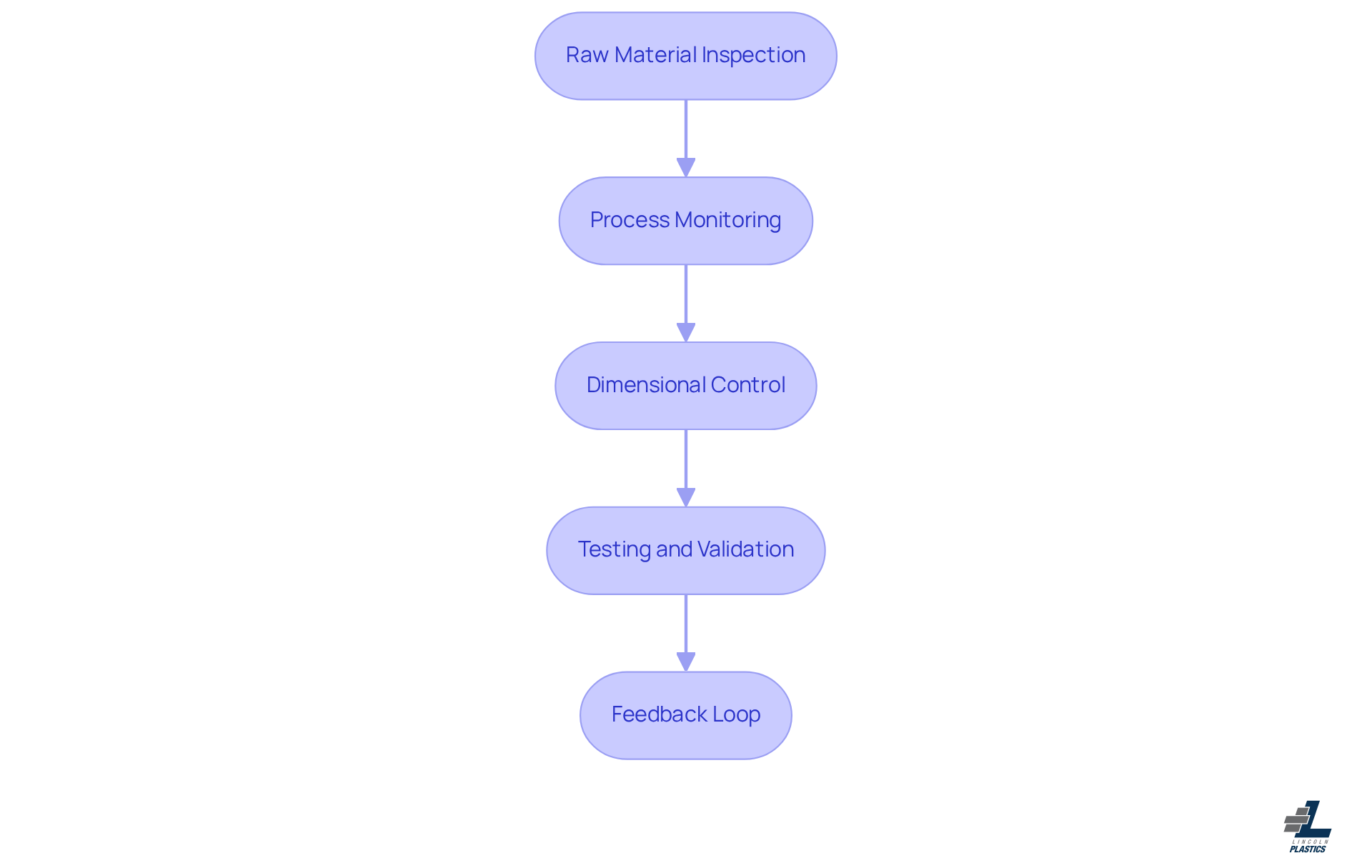
- Raw Material Inspection: Initiate the process with a comprehensive inspection of raw materials to ensure they meet stringent quality standards. This includes verifying the purity and consistency of plastic elements, as well as their compliance with relevant industry regulations.
- Process Monitoring: Implement continuous monitoring of extrusion parameters such as temperature, pressure, and speed. Utilizing real-time data analytics can help detect deviations from standard operating procedures, enabling immediate corrective actions to maintain quality.
- Dimensional Control: Regularly evaluate the dimensions of extruded items to ensure adherence to specified tolerances. Automated measurement systems can facilitate real-time feedback, enhancing precision in production.
- Testing and Validation: Conduct routine testing of completed items to evaluate their mechanical properties, chemical resistance, and overall performance. This includes essential tests such as tensile strength, impact resistance, and environmental exposure assessments, which are critical for applications in sectors like agriculture and office management.
- Feedback Loop: Establish a robust feedback loop with production teams to promptly address quality issues. Regular training sessions and updates on quality standards foster a culture of excellence within the organization.
When manufacturers embrace these measures, they not only cut down on defects but also elevate reliability and customer satisfaction. Embracing these quality control measures can transform your production process, ensuring that your products consistently exceed customer expectations.
Incorporate Innovative Extrusion Techniques for Competitive Advantage
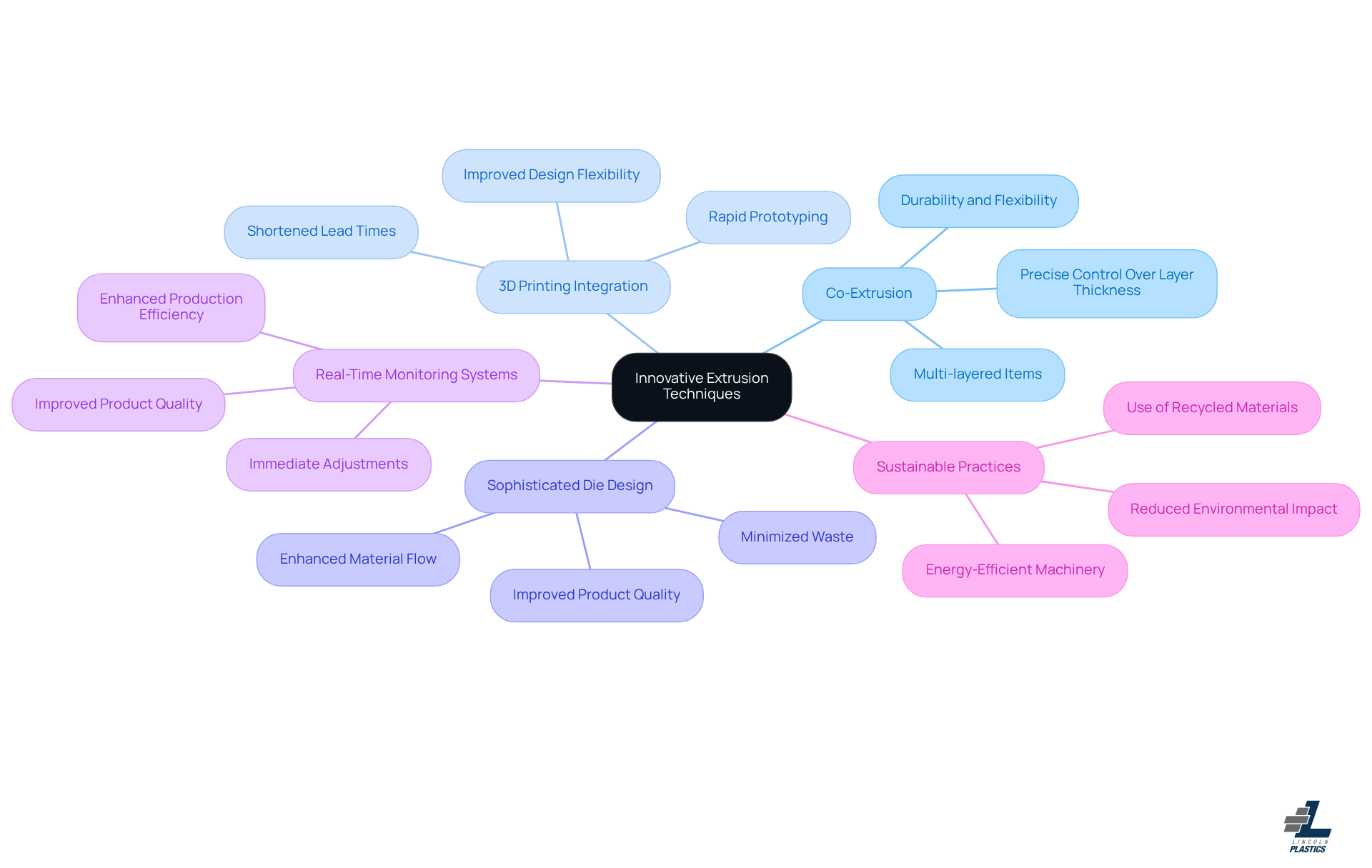
In a rapidly evolving market, staying ahead of the competition is crucial for manufacturers in the plastic extrusion industry that utilize plastic elements. To achieve this, consider incorporating the following innovative techniques:
- Co-Extrusion: This method allows for the concurrent shaping of various substances, facilitating the development of multi-layered items with enhanced characteristics. For instance, co-extruded profiles can merge the durability of rigid substances with the flexibility of softer plastic elements, effectively addressing diverse application requirements.
- 3D Printing Integration: By combining 3D printing with conventional molding processes, manufacturers can improve design flexibility and shorten lead times. This hybrid approach enables rapid prototyping and the production of complex geometries that include plastic elements, which would be challenging to achieve with traditional methods.
- Sophisticated Die Design: Utilizing advanced die designs can enhance material flow and minimize waste during the shaping process. This not only improves product quality but also contributes to cost savings by reducing waste from plastic elements.
- Real-Time Monitoring Systems: Implementing real-time monitoring systems provides valuable insights into the shaping process, allowing for immediate adjustments that enhance production efficiency and product quality.
- Sustainable practices: Adopting manufacturing methods that utilize plastic elements, such as recycled materials or energy-efficient machinery, can significantly reduce environmental impact while appealing to eco-conscious consumers.
Without embracing these innovative techniques, manufacturers risk losing their competitive edge and relevance in the market.
Conclusion
Choosing the right plastic materials is not just a decision; it's a pivotal factor that can make or break your production efficiency and product quality. Have you considered how the right plastic types can align with your operational needs and sustainability goals? Lincoln Plastics stands out in this arena, offering tailored solutions that leverage their expertise in custom plastic extrusion and commitment to quality.
Key considerations in the selection process include:
- Mechanical properties
- Chemical resistance
- Thermal properties
- Cost
- Sustainability
Each factor plays a vital role in ensuring that the chosen materials not only meet performance requirements but also contribute to a more sustainable manufacturing process. Lincoln Plastics' dedication to quality management, supported by ISO 9001:2015 certification and rigorous quality control measures, ensures that all products are manufactured to the highest standards, enhancing reliability and customer satisfaction.
As the manufacturing landscape continues to evolve, without expert guidance, manufacturers risk compromising quality and efficiency. Embracing innovative extrusion techniques and sustainable practices will be essential for maintaining a competitive edge. Manufacturers are encouraged to explore the capabilities of Lincoln Plastics, particularly in co-extrusion and advanced material selection, to elevate their production processes. Don't let uncertainty hold you back; take the first step towards optimizing your manufacturing process with Lincoln Plastics.
Frequently Asked Questions
What are the main categories of plastics discussed in the article?
The main categories of plastics are thermoplastics, thermosetting plastics, elastomers, and biodegradable plastics.
What are thermoplastics and their applications?
Thermoplastics can be melted and reshaped multiple times, making them ideal for processes like extrusion. Common examples include Polyethylene (PE), Polypropylene (PP), and Polyvinyl Chloride (PVC), which are used in various applications such as construction and plumbing.
How are thermosetting plastics different from thermoplastics?
Thermosetting plastics harden permanently after being shaped, offering high durability and thermal stability. They are commonly used in applications requiring strong performance, such as electrical insulation and automotive components.
What are elastomers and where are they used?
Elastomers are rubber-like substances that provide excellent flexibility and resilience, making them suitable for applications like seals, gaskets, and cushioning. They can withstand significant deformation without permanent damage.
Why are biodegradable plastics becoming more popular?
Biodegradable plastics are gaining traction due to rising environmental concerns, as they break down more readily in the environment and are suitable for packaging and single-use items.
What factors should manufacturers consider when choosing plastic materials?
Manufacturers should consider factors such as strength, flexibility, chemical resistance, and environmental impact when selecting plastic materials.
How does Lincoln Plastics contribute to the agriculture industry?
Lincoln Plastics has established itself as a leader in providing reliable thermoplastic solutions for irrigation systems tailored to OEM needs since 1948.
What quality standards does Lincoln Plastics adhere to?
Lincoln Plastics is committed to quality, supported by documented procedures and certifications, including ISO 9001:2015, ensuring that all products meet high standards of excellence.
How can I learn more about Lincoln Plastics' manufacturing capabilities?
You can reach out to Lincoln Plastics to discover how their expertise can elevate your manufacturing processes and to inquire about custom solutions.
List of Sources
- Understand Different Types of Plastics and Their Applications
- Thermosetting Plastics Market 2026-2033 (https://datamintelligence.com/research-report/thermosetting-plastics-market)
- Thermosetting Plastics Market to Reach USD 27.66 Billion by 2033 as Technology Convergence and Sustainability Priorities Reshape the Sector with North America Holding 32% Share Led by BASF SE, Dow Inc. and Covestro AG (https://openpr.com/news/4515001/thermosetting-plastics-market-to-reach-usd-27-66-billion-by-2033)
- Thermoplastics Market Expects Healthy 6% Growth This Decade (https://plasticstoday.com/business/thermoplastics-market-expects-healthy-6-growth-this-decade)
- M. Holland's 2026 Plastics Industry Trends & Predictions (https://mholland.com/market-insights/plastics-industry-trends)
- smithers.com (https://smithers.com/services/market-reports/materials/the-future-of-thermoplastic-elastomers-to-2026)
- Select Appropriate Plastic Materials for Manufacturing Needs
- How to Select the Right Plastic for Your Manufacturing Process? (https://deskera.com/blog/how-to-select-the-right-plastic-for-your-manufacturing-process)
- Chemical Resistant Plastics Guide (https://totalplastics.com/blog/chemical-resistant-plastics-guide)
- Thermal and Mechanical Properties of Plastics and Their Applications in Manufacturing | ELASTEC JSC (https://elastecjsc.com/en/news/thermal-and-mechanical-properties-of-plastics)
- What are the Plastic Manufacturing Trends for 2026? (https://linkedin.com/pulse/what-plastic-manufacturing-trends-2026-key-plastics-ltd-d4ekf)
- 8 Trends in Plastic Materials and Packaging for 2026 (https://productsandsolutions.pttgcgroup.com/en/market-movement/8-trends-in-plastic-materials-and-packaging-for-2026)
- Implement Quality Control Measures in Plastic Extrusion
- 4 Best Practices for Effective Process Control Quality in Extrusion (https://lincoln-plastics.com/news-post/4-best-practices-for-effective-process-control-quality-in-extrusion?dcc2137a_page=2)
- Interplas Insights | Latest Plastics Extrusion Machinery News (https://interplasinsights.com/plastics-machinery/plastics-extrusion-machinery-news)
- Paul Murphy Plastics: Mastering Melt Temperature for Quality Extrusions (https://paulmurphyplastics.com/industry-news-blog/paul-murphy-plastics-mastering-melt-temperature-for-quality-extrusions)
- Industry Standards in Quality Control for Plastics (https://plasticsindustry.org/articles/the-significance-of-industry-standards-in-quality-control-for-plastics)
- Coherix showcases AI-based quality control systems at AUTOMATE 2026 (https://interplasinsights.com/plastics-industry-news/Plastic-industry-events-conferences-news/coherix-ai-quality-control-systems-automate-2026)
- Incorporate Innovative Extrusion Techniques for Competitive Advantage
- Pexco LLC celebrates expansion with Wisconsin Plastic Products acquisition (https://interplasinsights.com/plastics-industry-news/latest-plastics-industry-news/pexco-llc-expansion-wisconsin-plastic-products-acquisition)
- News | Octagon Blown Film Control (https://octagon-company.com/news)
- Shaping the Future: Innovations in Plastic Extrusion Techniques - SeaGate Plastics Company (https://seagateplastics.com/shaping-the-future-innovations-in-plastic-extrusion-techniques)
- Pexco Acquires Wisconsin Plastic Products (https://plasticstoday.com/extrusion-pipe-profile/pexco-expands-midwest-presence-with-acquisition)
Related posts

Discover best practices for sourcing polycarbonate plastic products effectively and efficiently.


Explore the diverse applications of PVC across industries, showcasing its versatility and benefits.
Explore 10 innovative applications of co-extruded plastics for enhanced performance across industries.
