

Best Practices for Selecting Extrusion Materials in Procurement
Introduction
Choosing the right extrusion materials is crucial for the success of any manufacturing project. With a multitude of options available, understanding the unique properties and applications of these materials is essential for procurement professionals aiming to enhance product durability and performance.
Many procurement professionals struggle to balance quality with cost, often leading to suboptimal material choices. This can result in increased costs and project delays, ultimately affecting the bottom line.
How can you ensure your organization makes informed choices that not only meet immediate needs but also sustain operational excellence in the long run?
Understand Material Properties and Applications
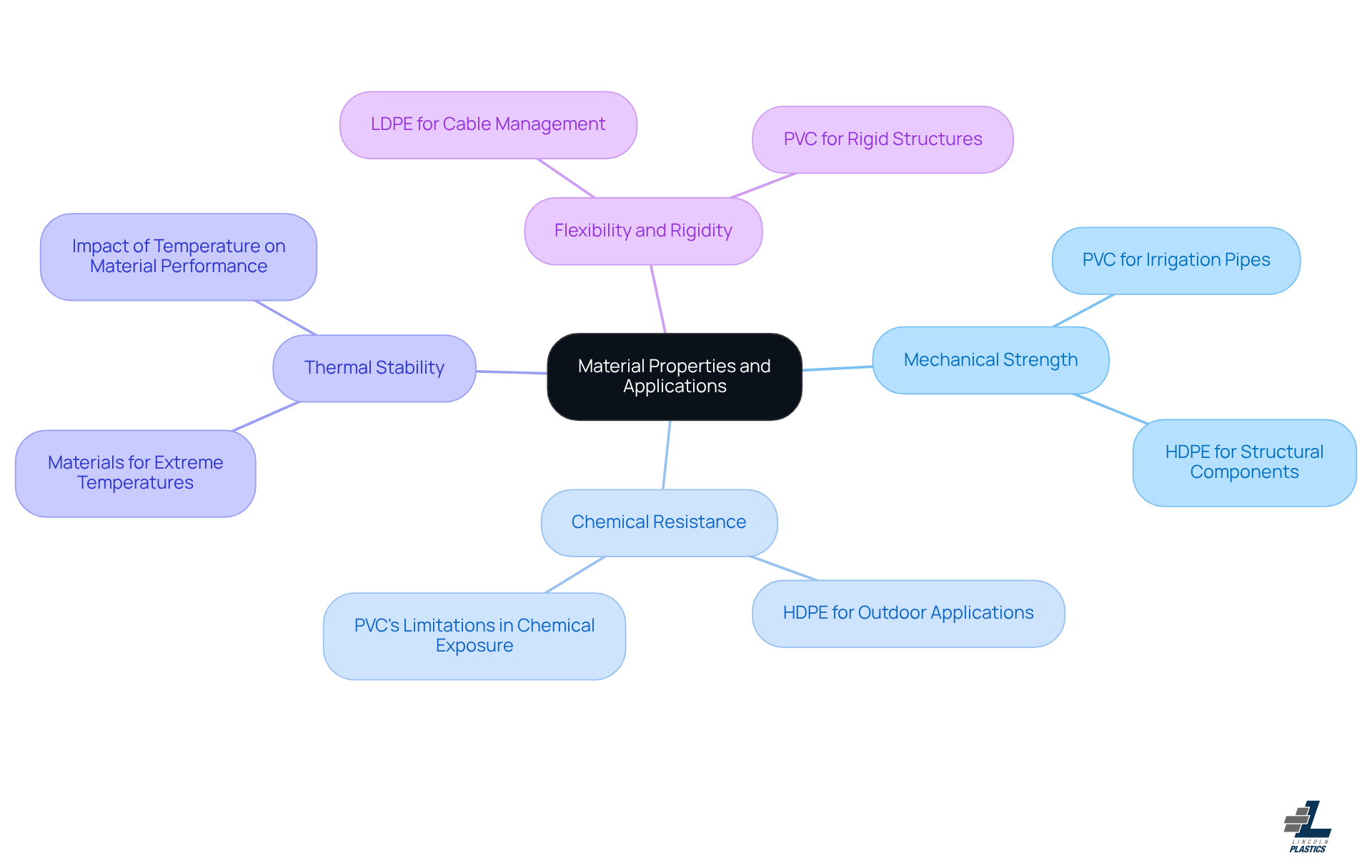
Selecting the right extrusion materials is crucial for ensuring product reliability and performance in various applications. Choosing the appropriate substances demands a comprehensive understanding of their characteristics concerning specific uses. Key properties to consider include:
- Mechanical Strength: This refers to a material's ability to endure applied forces without failure. For instance, PVC is frequently selected for its high tensile strength, making it ideal for applications such as irrigation pipes, a specialty of Lincoln Plastics since 1948.
- Chemical Resistance: Polyethylene, particularly high-density polyethylene (HDPE), is renowned for its exceptional chemical resistance, which is crucial for outdoor applications exposed to various substances. Studies indicate that HDPE has a significantly lower failure rate compared to PVC, with a durability advantage that is critical in environments prone to chemical exposure. Lincoln Plastics utilizes HDPE in their custom solutions to ensure reliability.
- Thermal Stability: Understanding how substances behave under varying temperatures is essential, especially for applications that may encounter extreme heat or cold.
- Flexibility and Rigidity: Depending on the application, substances may need to be flexible, such as low-density polyethylene (LDPE) for cable management, or rigid, like PVC for structural components. Lincoln Plastics offers a variety of flexible profiles, including options for co-extrusion, allowing for customization such as adding a 'yellow stripe' to enhance visibility.
By making informed choices about materials, procurement experts can significantly enhance the durability and effectiveness of their products.
Evaluate Supplier Reliability and Quality Assurance
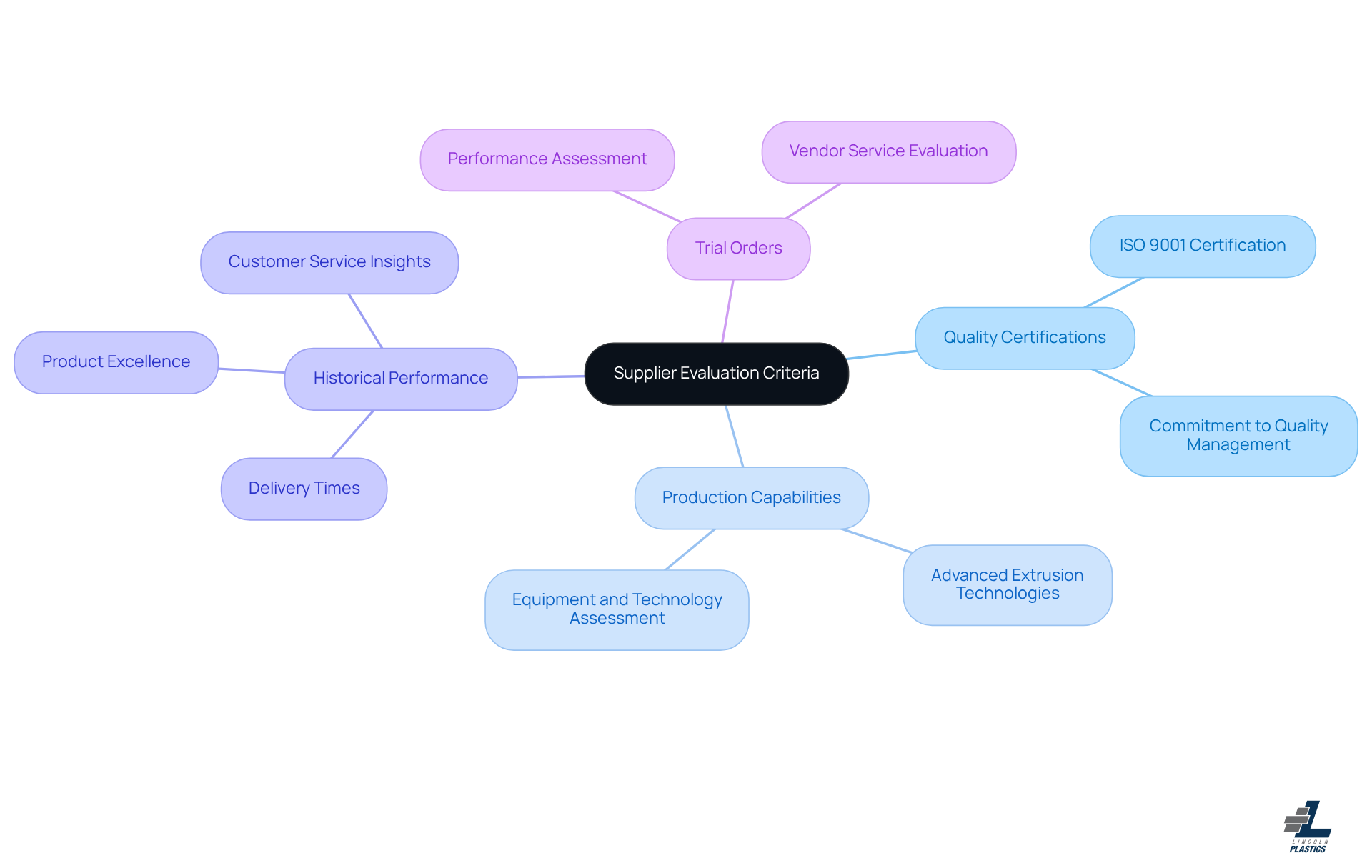
Choosing the right supplier is critical for ensuring the success of your extrusion projects. To secure high-quality extrusion materials, it’s essential to evaluate potential suppliers based on several key criteria:
- Quality Certifications: Prioritize suppliers with ISO 9001 certification or equivalent quality management systems. These certifications reflect a strong commitment to maintaining high operational standards. With over 1.3 million ISO 9001 certifications globally, this standard has become synonymous with organizational maturity and accountability in quality management.
- Production Capabilities: Evaluate the supplier's equipment and technology to ensure they can meet specific resource requirements. Advanced extrusion technologies, like near-net-shape extrusion, boost material reliability. They do this by cutting down scrap rates and speeding up production timelines. More and more industries are looking for this capability because they need tighter tolerances and higher precision. At Lincoln Plastics, we collaborate closely with OEMs to ensure their products satisfy all standards, including special checks for ‘fit and function.’
- Historical Performance: Examine the provider's track record concerning delivery times, product excellence, and customer service. Insights from testimonials and case studies can reveal their reliability and responsiveness to client needs, which are critical for maintaining project timelines. This comprehensive view of historical performance can help ensure that providers meet expectations consistently.
- Trial Orders: Before finalizing a large order, consider placing a trial order to assess both the product's performance and the vendor's service standard. This step can help identify any potential issues early on, ensuring a smoother procurement process.
Are you struggling to find suppliers who consistently meet your quality standards? By thoroughly evaluating suppliers against these criteria, procurement professionals can reduce risks linked to substance standards and ensure that their extrusion materials projects advance without issues. Failing to assess suppliers can lead to costly delays and compromised product quality. Lincoln Plastics' robust quality system, which includes a dedicated quality book for your plastic profile with drawings and critical in-process checks, exemplifies our commitment to precision and compliance for OEMs. By prioritizing these criteria, you can safeguard your projects and enhance your operational efficiency.
Consider Cost-Effectiveness and Long-Term Value
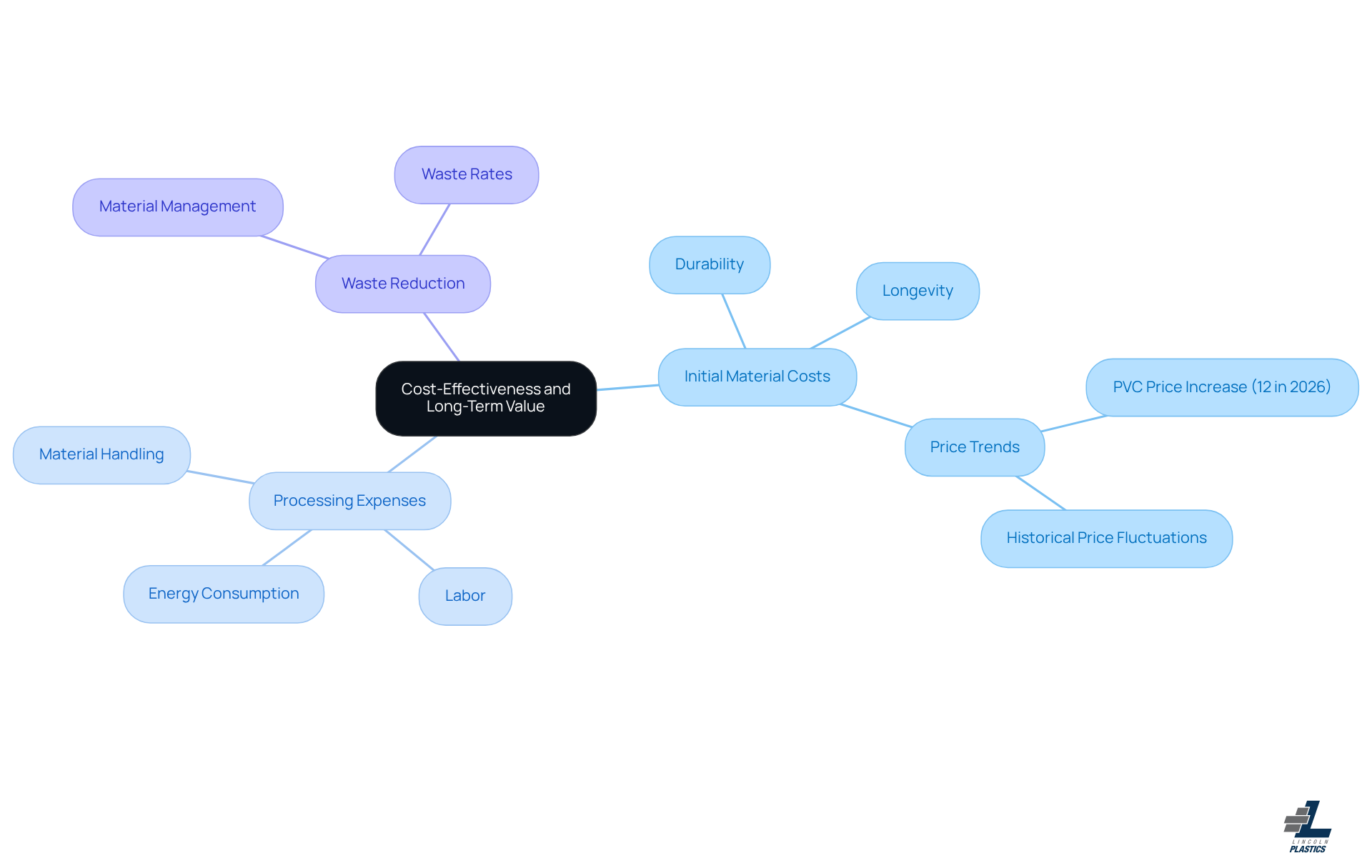
When selecting extrusion materials, the balance between initial costs and long-term benefits is crucial for sustainable manufacturing. Key considerations include:
- Initial Material Costs: While comparing prices across various materials, it's essential to recognize that the lowest price may not guarantee optimal performance or longevity. Durability and longevity can be enhanced by investing in high-quality extrusion materials, which can significantly lower replacement and maintenance costs over time. For example, PVC, recognized for its durability as an extrusion material, may have a higher initial expense but can lead to substantial savings due to its prolonged lifespan. Studies indicate that PVC can last over 50 years in various applications, far outpacing many alternatives. Additionally, with PVC prices anticipated to increase by 12% in 2026, procurement professionals should consider this when assessing long-term expenses.
- Processing Expenses: Processing expenses involve assessing the costs associated with handling resources, including energy consumption, labor, and extrusion materials. Effective resources can reduce total production expenses, boosting profitability.
- Waste Reduction: Choosing extrusion materials that minimize waste during the extrusion process can lead to waste reduction and result in savings. For instance, materials that are easier to manage and process can greatly reduce waste rates, further enhancing the bottom line.
Taking a thorough look at costs can help you make smarter choices. By focusing on quality in extrusion materials, you not only save money over time but also boost your product's reliability. Ultimately, prioritizing quality over short-term savings can transform your manufacturing process and ensure lasting success in a competitive market.
Implement Best Practices in Material Selection
In the competitive landscape of custom plastic extrusion, optimizing the selection of extrusion materials is crucial for achieving superior product performance. Consider these best practices to enhance your procurement strategy:
- Define Clear Specifications: Have you clearly defined your project specifications, including mechanical properties, environmental conditions, and aesthetic considerations? This foundational step ensures that all stakeholders are aligned on expectations.
- Engage with Vendors Early: Why wait? Engaging with vendors early can significantly enhance your selection process for extrusion materials. Collaborating during the design phase allows you to leverage their expertise in the properties and processing capabilities of extrusion materials. At Lincoln Plastics, we believe that early involvement can lead to improved substance selection and design optimizations, ultimately enhancing product performance.
- Conduct Regular Reviews: Periodically evaluating your resource selection criteria and supplier performance is essential. This practice helps maintain quality and adaptability in your procurement strategy, ensuring alignment with evolving project needs and industry standards.
- Utilize Technology: Employ software tools and databases to compare substance properties and costs efficiently. Technology can streamline the selection process, making it easier to identify the best options for your specific requirements.
- Document and Share Knowledge: Maintaining comprehensive records of product performance and supplier assessments establishes a knowledge base that guides future procurement choices. This documentation fosters continuous improvement and enhances decision-making in subsequent projects.
By implementing these best practices, you not only enhance your procurement strategy but also position your projects for success in a challenging market. At Lincoln Plastics, we emphasize rigorous quality checks and collaboration with OEMs to ensure that all products meet critical specifications and performance standards, addressing current challenges such as cost pressure and trade distortion in the industry.

Conclusion
Choosing the right extrusion materials can make or break your manufacturing success. Understanding material properties and supplier capabilities is essential for procurement professionals to enhance product performance and operational efficiency.
What are the key factors in material selection? Mechanical strength, chemical resistance, and thermal stability are crucial. Evaluating suppliers is just as important. Quality certifications, production capabilities, and historical performance are key to securing high-quality materials.
Balancing initial costs with long-term benefits is vital. A strategic approach prioritizing quality over short-term savings is essential. Implementing best practices in material selection is key to sustained success in a competitive landscape.
Collaboration with vendors, leveraging technology, and thorough documentation help businesses navigate extrusion material selection complexities and meet high-quality standards. Embracing these practices streamlines operations and secures your products' long-term viability in the marketplace.
Frequently Asked Questions
Why is selecting the right extrusion materials important?
Selecting the right extrusion materials is crucial for ensuring product reliability and performance in various applications.
What key properties should be considered when choosing materials?
Key properties to consider include mechanical strength, chemical resistance, thermal stability, flexibility, and rigidity.
What does mechanical strength refer to?
Mechanical strength refers to a material's ability to endure applied forces without failure. For example, PVC is selected for its high tensile strength, making it suitable for applications like irrigation pipes.
Which material is known for its exceptional chemical resistance?
High-density polyethylene (HDPE) is renowned for its exceptional chemical resistance, making it ideal for outdoor applications exposed to various substances.
How does HDPE compare to PVC in terms of durability?
Studies indicate that HDPE has a significantly lower failure rate compared to PVC, providing a durability advantage in environments prone to chemical exposure.
Why is thermal stability important in material selection?
Understanding how substances behave under varying temperatures is essential for applications that may encounter extreme heat or cold.
When should a flexible material be used?
Flexible materials, such as low-density polyethylene (LDPE), should be used in applications like cable management where flexibility is required.
What type of material is used for structural components?
Rigid materials, like PVC, are used for structural components due to their strength and stability.
How does Lincoln Plastics enhance product customization?
Lincoln Plastics offers a variety of flexible profiles, including options for co-extrusion, which allows for customization such as adding features like a 'yellow stripe' for enhanced visibility.
How can informed material choices impact product performance?
By making informed choices about materials, procurement experts can significantly enhance the durability and effectiveness of their products.
List of Sources
- Understand Material Properties and Applications
- ptonline.com (https://ptonline.com/articles/polymer-selection-identifying-the-ideal-material-for-an-outdoor-application)
- qzymodels.com (https://qzymodels.com/3d-printing-predictions-2026-the-material-extrusion-market-in-2026)
- hooverpumping.com (https://hooverpumping.com/hoover-hub/blog/hdpe-and-pvc-pipes-and-their-use-for-irrigation)
- jwell-recycling.com (https://jwell-recycling.com/The-Future-of-Extrusion-Top-5-Trends-in-Extruder-Line-Technology-for-2026-id45213365.html)
- Aluminum Extrusion Market Set to Hit USD 202.23 Billion by 2035, Driven by Rising Demand for Lightweight and Sustainable Materials | Report by SNS Insider (https://globenewswire.com/news-release/2026/03/16/3256280/0/en/aluminum-extrusion-market-set-to-hit-usd-202-23-billion-by-2035-driven-by-rising-demand-for-lightweight-and-sustainable-materials-report-by-sns-insider.html)
- Evaluate Supplier Reliability and Quality Assurance
- 2026 Aluminum Extrusion Trends & Outlook | Profile Precision Extrusions (https://profileprecisionextrusions.com/2026-outlook-innovations-and-trends-shaping-the-future-of-aluminum-extrusions)
- North American Extruders Remain Resilient Amid Challenging Market - Light Metal Age Magazine (https://lightmetalage.com/news/industry-news/extrusion/north-american-extruders-remain-resilient-amid-challenging-market)
- ISO 9001 News: 2026 Revision Timeline & Climate Updates (https://smithers.com/resources/2026/january/iso-9001-news-preparing-for-the-2026-revision)
- riskprofs.com (https://riskprofs.com/iso-9001-certified-companies?srsltid=AfmBOorfGpuBoScqVO-4Ry1-o0PIkOQQ-DCJokFcC6k25oMvuMp-02cb)
- How to Transition to ISO 9001:2026 | NQA (https://nqa.com/en-us/resources/blog/april-2026/how-to-transition-to-iso-9001-2026)
- Consider Cost-Effectiveness and Long-Term Value
- desuplastic.com (https://desuplastic.com/why-plastic-packaging-prices-are-rising-in-2026-pet-pp-ps-market-analysis)
- PVC Prices Rise 12% in 2026 Amid Supply Tightness and Strong Asia Demand (https://openpr.com/news/4468125/pvc-prices-rise-12-in-2026-amid-supply-tightness-and-strong-asia)
- US PVC Prices Rise in Early January 2026 on Supply Cut Expectations | ChemAnalyst (https://chemanalyst.com/NewsAndDeals/NewsDetails/us-pvc-prices-rise-in-early-january-2026-on-supply-cut-40680)
- plasticextrusiontech.net (https://plasticextrusiontech.net/cost-comparison-plastic-extrusions-versus-other-materials)
- News - PVC Industry’s Expansion Cycle Ends, 2026 Supply-Demand to Improve Marginally (https://chemdo.com/news/pvc-industrys-expansion-cycle-ends-2026-supply-demand-to-improve-marginally)
- Implement Best Practices in Material Selection
- naplesnews.com (https://naplesnews.com/press-release/story/80195/innovations-in-precision-and-thermal-management-drive-growth-among-top-aluminum-extrusion-manufacturers)
- medicaldesignandoutsourcing.com (https://medicaldesignandoutsourcing.com/velosity-contract-manufacturing-benefits)
- North American Extruders Remain Resilient Amid Challenging Market - Light Metal Age Magazine (https://lightmetalage.com/news/industry-news/extrusion/north-american-extruders-remain-resilient-amid-challenging-market)
- sciencedirect.com (https://sciencedirect.com/science/article/abs/pii/S147840921500045X)
- apqc.org (https://apqc.org/resource-library/resource-collection/understanding-procurement-benchmarks-and-best-practices)


