
Best Practices for Selecting and Processing Extrusion Grade Polymers
Introduction
In the competitive landscape of manufacturing, mastering extrusion grade polymers is essential for achieving unparalleled product performance and efficiency. These specialized materials form the backbone of diverse applications, including pipes and medical tubing, while also ensuring compliance with stringent industry standards. As demand for high-quality, durable products escalates, manufacturers often struggle to navigate the complexities of polymer selection amidst rising quality demands, while also implementing effective processing techniques.
What strategic best practices can manufacturers adopt to ensure optimal material selection and processing, safeguarding rigorous quality control?
Define Extrusion Grade Polymers and Their Importance in Manufacturing
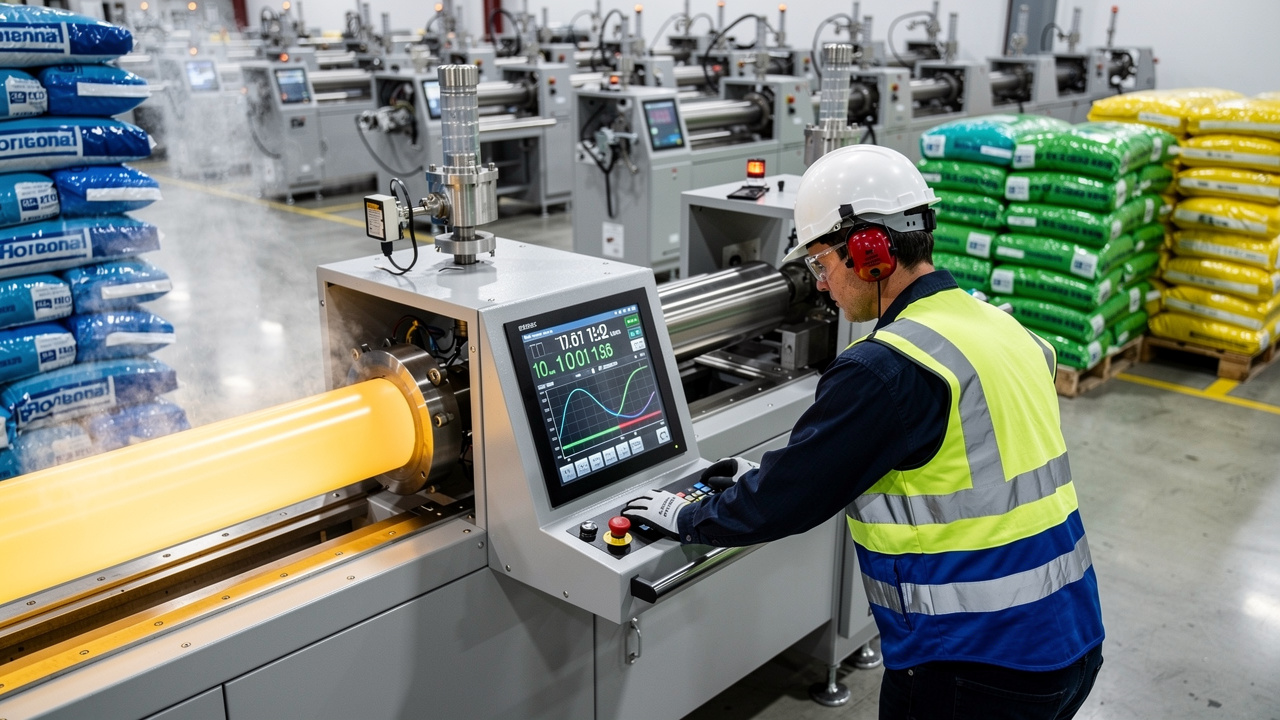
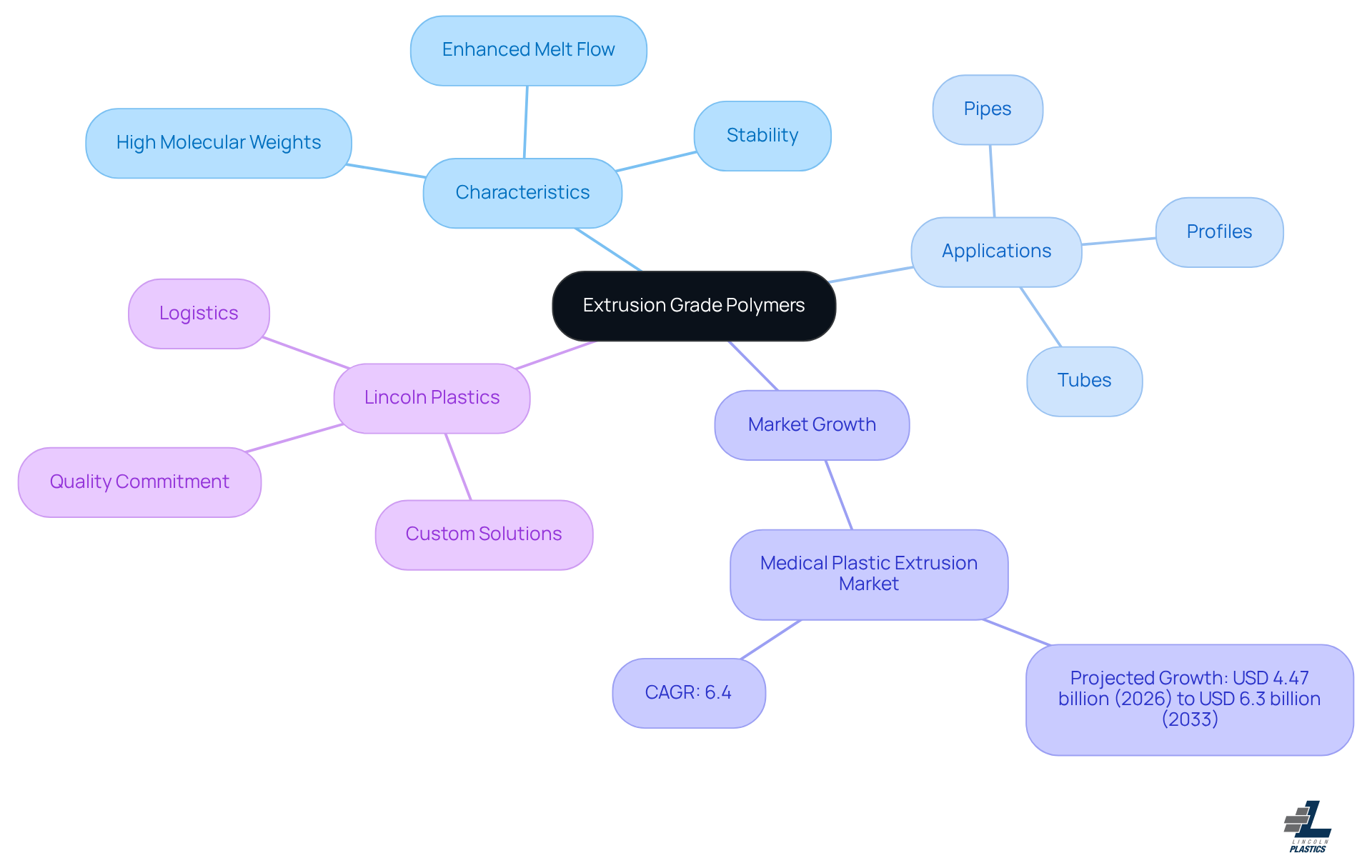
Are you aware that extrusion grade polymers are the backbone of high-quality manufacturing processes? These specialized plastics are designed for the extrusion process. They are characterized by high molecular weights and enhanced melt flow properties, allowing for continuous shaping. Unlike injection molding grades, extrusion grade polymers ensure improved flow and stability during processing, making them ideal for applications such as pipes, tubes, and profiles. Their significance in manufacturing is evident in their ability to produce consistent, high-quality items that meet stringent performance standards, including tensile strength, flexibility, and chemical resistance.
Frequently used materials like PVC, polyethylene, and polypropylene showcase the advantageous traits of processing grade plastics, guaranteeing durability and functionality in end products. The Medical Plastic Extrusion market, for instance, is projected to grow from USD 4.47 billion in 2026 to an estimated USD 6.3 billion by 2033, reflecting a compound annual growth rate (CAGR) of 6.4%. This growth signifies a shift towards higher standards in medical applications, where quality cannot be compromised. The rising demand for high-performance engineering plastics and the necessity for biocompatible materials highlight the essential role of extrusion grade polymers in addressing evolving industry needs.
At Lincoln Plastics, we pride ourselves on our expertise in custom extrusion molding solutions. We deliver reliable rigid plastic extrusion components that meet your needs. Our capabilities encompass the creation of custom flexible profiles in various sizes and materials, with options for co-extrusion that enable multi-color or multi-material profiles, enhancing the versatility of our offerings. Our strategic location in Lincoln, Nebraska, enables quick order turnaround and efficient logistics, including less-than-truckload shipping and international delivery.
We are committed to quality, as shown by our ISO 9001:2015 certification. This means we follow strict quality management plans, including dedicated quality books and in-process checks. This dedication to excellence not only meets but often exceeds the expectations of our clients, ensuring on-time delivery and superior product performance. For tailored solutions, we invite you to contact Lincoln Plastics experts for quotes and assistance. By choosing Lincoln Plastics, you're not just selecting a supplier; you're partnering with a leader committed to your success.
Identify Key Criteria for Selecting the Right Extrusion Grade Polymer
Selecting the right extrusion grade polymers is critical for achieving optimal performance in your applications. When choosing a polymer, several key criteria must be considered:
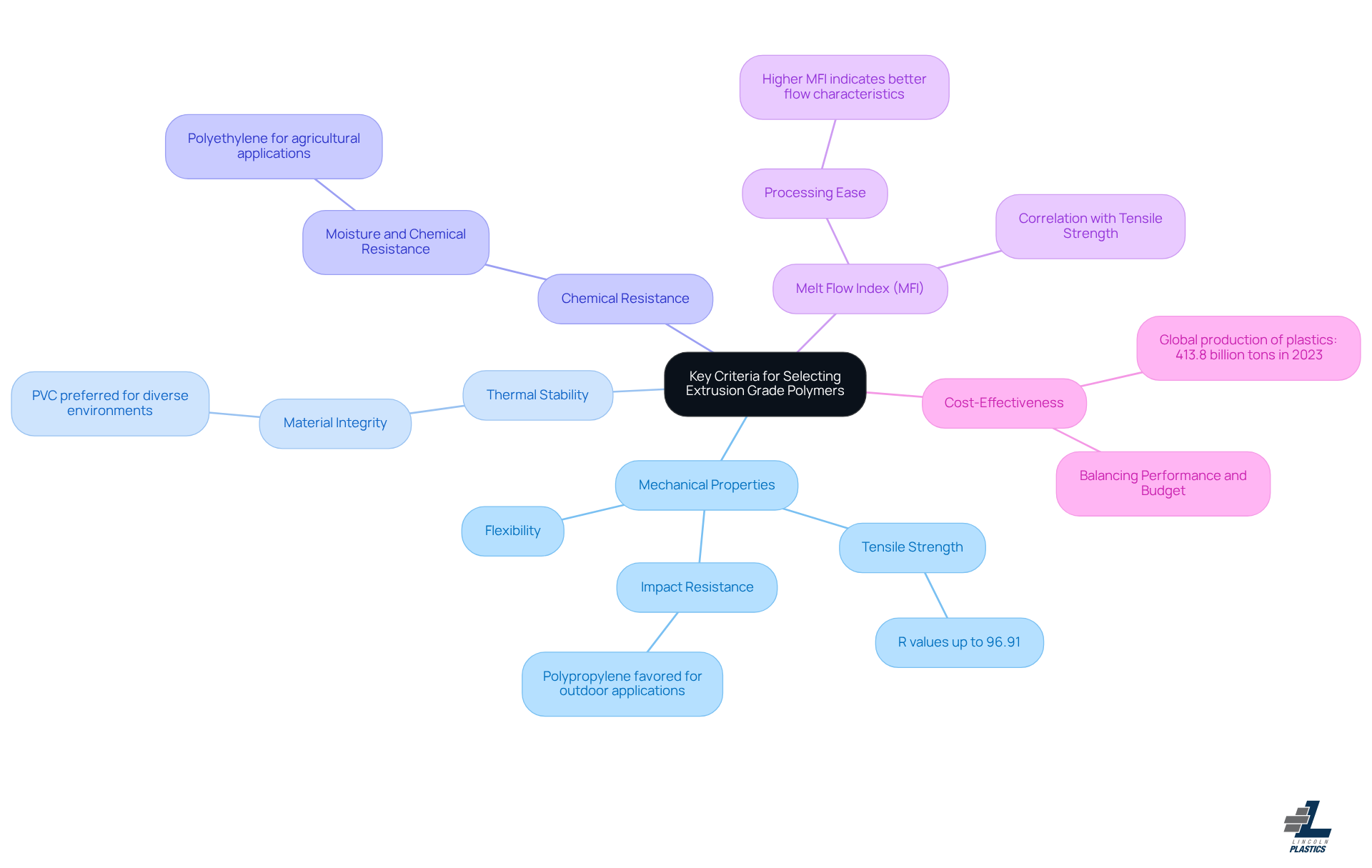
- Mechanical Properties: Assess the tensile strength, impact resistance, and flexibility required for the application. For instance, polypropylene is often favored for its excellent impact resistance in outdoor applications, with tensile strength predictions showing R values of up to 96.91% for various feature sets.
- Thermal Stability: Evaluate the material's capacity to endure processing temperatures and end-use conditions. Materials like PVC are preferred for their thermal stability across diverse environments, ensuring they maintain integrity during both processing and application.
- Chemical Resistance: Consider exposure to chemicals and environmental factors. Polyethylene, commonly used in agricultural applications, demonstrates significant resistance to moisture and chemicals, making it a reliable choice for outdoor and industrial settings.
- Melt Flow Index (MFI): This metric indicates how easily the polymer can be processed. A higher MFI typically suggests better flow characteristics during extrusion, which is crucial for achieving uniform profiles. The correlation between MFI and tensile strength can significantly impact the final product's performance.
- Cost-Effectiveness: How do you ensure your material choice meets both performance and budget constraints? Balancing performance requirements with budget limits is vital for project viability. The global production of plastics reached 413.8 billion tons in 2023, highlighting the competitive landscape and the need for cost-effective solutions.
In addition to these criteria, Lincoln Plastics offers expert guidance on custom pipe and tube design, ensuring that your design is optimized for manufacturing. We’re here to help you pick the right materials tailored to your application needs and environmental conditions. Furthermore, we provide Vendor Managed Inventory (VMI) solutions to help maintain your inventory levels efficiently, allowing for quick adjustments during busy or slower seasons. By thoroughly assessing these criteria and utilizing our knowledge, manufacturers can choose the most appropriate extrusion grade polymers for their specific applications, ensuring optimal performance and efficiency. Additionally, Lincoln Plastics is proud to hold ISO 9001:2015 certification, reflecting our commitment to quality management and excellence in customer partnership. With the right guidance and material selection, you can elevate your project outcomes and ensure lasting success.
Implement Best Practices for Processing Extrusion Grade Polymers
To excel in the competitive landscape of extrusion grade polymers, manufacturers must embrace best practices that ensure quality and efficiency:
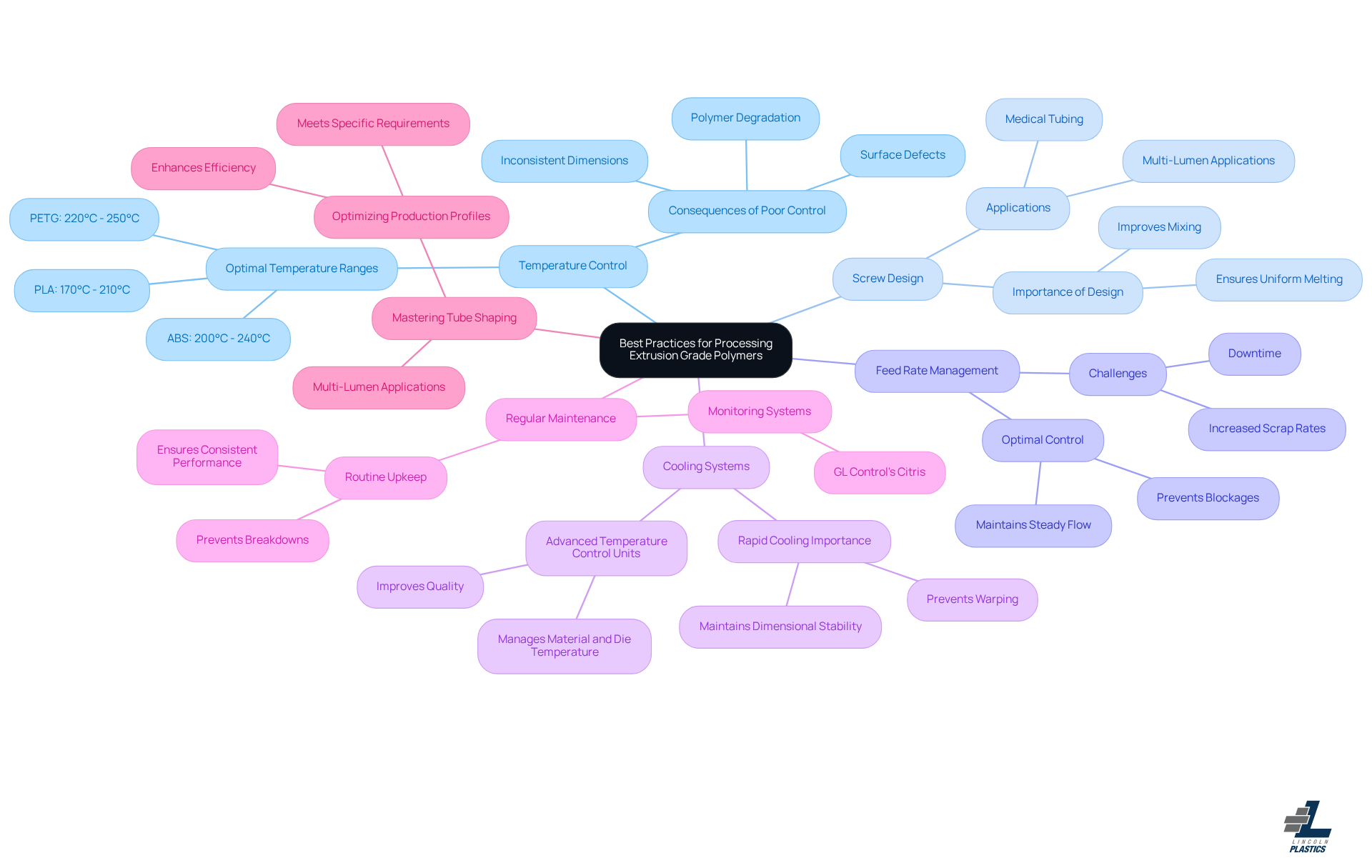
- Temperature Control: Maintain precise temperature settings throughout the extrusion process. Proper temperature management is critical, as it prevents material degradation and ensures optimal flow characteristics. For example, materials such as PLA should be extruded between 170°C and 210°C, while ABS needs a range of 200°C to 240°C. Adhering to these temperature ranges helps avoid issues such as surface defects and inconsistent dimensions.
- Screw Design: Utilize the appropriate screw design tailored to the material being processed. A well-designed screw improves mixing and guarantees uniform melting, which is crucial for attaining consistent quality. This is particularly important in applications involving extrusion grade polymers, where material integrity is paramount, such as in medical tubing and multi-lumen applications.
- Feed Rate Management: Control the feed rate of the polymer into the extruder. An optimal feed rate prevents blockages and ensures a steady flow of material, which is critical for maintaining production efficiency. Are you facing challenges with production efficiency due to inconsistent feed rates? Inadequate feed rate management can lead to downtime and increased scrap rates, emphasizing the need for precise control.
- Cooling Systems: Implement effective cooling systems to solidify the extruded item quickly. Rapid cooling is vital for maintaining dimensional stability and preventing warping or deformation of the final product. Advanced temperature control units (TCUs) can manage the temperature of both the material and the die, improving the overall quality of the shaping process.
- Regular Maintenance: Conduct routine upkeep on shaping equipment to prevent breakdowns and ensure consistent performance. Have you considered how regular checks on your extruder and cooling systems could prevent production hiccups? Regular checks can help identify potential issues before they affect production. For example, monitoring barrel wear with systems like GL Control's Citris can provide valuable insights for maintenance scheduling.
- Mastering Tube Shaping: For OEMs, mastering the tube shaping process is vital. By adhering to crucial best practices, manufacturers can optimize their production profiles, enhancing both efficiency and standards. This includes understanding the specific requirements for multi-lumen applications, which can significantly impact production outcomes.
Imagine achieving superior product quality and operational efficiency by implementing these strategies. Lincoln Plastics is dedicated to excellence in these areas, backed by our ISO 9001:2015 certification and stringent management plans, including specialized documentation and in-process checks, ensuring that we meet the highest standards in the industry.
Establish Quality Control Measures for Extrusion Processes
In the competitive world of custom plastic extrusion, quality control is not just important; it's essential for success. Manufacturers should implement the following essential measures:
- Material Inspection: Conduct thorough inspections of raw materials before processing. Confirm that the polymer meets specified standards and is free from contaminants that could jeopardize product integrity.
- In-Line Monitoring: Utilize in-line monitoring systems to track key parameters such as temperature, pressure, and flow rate during extrusion. Real-time data enables immediate adjustments, ensuring consistent quality throughout the production process.
- Dimensional Checks: Regularly measure the dimensions of extruded items to confirm they meet specified tolerances. This can be achieved using calipers or automated measurement systems, which help maintain precision in production. At Lincoln Plastics, we guarantee that your rigid profiles meet your specified critical dimensions. We use various check gauges to ensure a proper fit for end use.
- Visual Inspections: Perform visual inspections of extruded products to identify surface defects, assess color consistency, and evaluate overall appearance. Early detection of issues can prevent larger problems from arising later in the production cycle.
- Documentation and Reporting: Maintain detailed records of control checks and any deviations from established standards. Lincoln Plastics' robust assurance system includes a dedicated manual for your plastic profile with drawings, critical in-process checks, and run documentation. This documentation is crucial for tracking quality and spotting any trends or issues that could affect product standards. Furthermore, Lincoln Plastics is ISO 9001:2015 certified, strengthening our dedication to strict management practices.
Implementing these quality control measures not only enhances product reliability but also fosters consumer trust and strengthens the manufacturer's reputation in the industry. By prioritizing quality control, manufacturers not only improve their products but also build a solid reputation in the industry. Rigorous inspection methods at all stages of production help reduce waste and ensure that high-quality standards are consistently met. By committing to rigorous quality control, manufacturers can elevate their standards and ensure lasting success in the market.

Conclusion
Selecting the right extrusion grade polymers is not just important; it's essential for achieving high-quality manufacturing outcomes that stand the test of time. The significance of these specialized materials serves as the foundation for producing consistent and reliable products across various industries. By understanding the unique properties and applications of extrusion grade polymers, manufacturers can make informed decisions that enhance product performance and meet stringent quality standards.
Throughout the article, we discussed key criteria for selecting the right polymers, including:
- Mechanical properties
- Thermal stability
- Chemical resistance
- Cost-effectiveness
We highlighted best practices for processing these materials, focusing on the critical roles of:
- Temperature control
- Screw design
- Regular maintenance
Quality control measures, such as material inspection and in-line monitoring, are essential for maintaining product integrity and fostering consumer trust.
In conclusion, the selection and processing of extrusion grade polymers are vital for manufacturers aiming to excel in their respective markets. By adhering to best practices and prioritizing quality, companies can not only improve their operational efficiency but also build a reputation for excellence. By choosing Lincoln Plastics, you're not just selecting a supplier; you're partnering with a leader committed to your success in the competitive manufacturing landscape.
Frequently Asked Questions
What are extrusion grade polymers?
Extrusion grade polymers are specialized plastics designed specifically for the extrusion process. They have high molecular weights and enhanced melt flow properties, allowing for continuous shaping and improved flow and stability during processing.
How do extrusion grade polymers differ from injection molding grades?
Unlike injection molding grades, extrusion grade polymers ensure better flow and stability during processing, making them more suitable for applications such as pipes, tubes, and profiles.
Why are extrusion grade polymers important in manufacturing?
They are crucial for producing consistent, high-quality items that meet stringent performance standards, including tensile strength, flexibility, and chemical resistance, which are essential for various applications.
What materials are commonly used as extrusion grade polymers?
Frequently used materials include PVC, polyethylene, and polypropylene, which exhibit advantageous traits that guarantee durability and functionality in end products.
What is the projected growth of the Medical Plastic Extrusion market?
The Medical Plastic Extrusion market is projected to grow from USD 4.47 billion in 2026 to an estimated USD 6.3 billion by 2033, reflecting a compound annual growth rate (CAGR) of 6.4%.
What role do extrusion grade polymers play in the medical industry?
They are essential in addressing the rising demand for high-performance engineering plastics and biocompatible materials, which are critical for maintaining high standards in medical applications.
What capabilities does Lincoln Plastics offer in extrusion molding?
Lincoln Plastics specializes in custom extrusion molding solutions, providing reliable rigid plastic extrusion components and the ability to create custom flexible profiles in various sizes and materials, including options for co-extrusion.
How does Lincoln Plastics ensure quality in its products?
Lincoln Plastics is ISO 9001:2015 certified, adhering to strict quality management plans that include dedicated quality books and in-process checks to ensure superior product performance and on-time delivery.
Where is Lincoln Plastics located, and how does this benefit logistics?
Lincoln Plastics is located in Lincoln, Nebraska, which enables quick order turnaround and efficient logistics, including less-than-truckload shipping and international delivery.
How can I get tailored solutions from Lincoln Plastics?
For tailored solutions, you can contact Lincoln Plastics experts for quotes and assistance, ensuring a partnership with a leader committed to your success.
List of Sources
- Define Extrusion Grade Polymers and Their Importance in Manufacturing
- The Extrusion Industry in 2026-2027: Innovations, Trends, and Opportunities (https://plextrusions.com/extrusion-blog/the-extrusion-industry-in-2026-2027-innovations-trends-and-opportunities)
- What Are Extruded Polymers and Why They Matter in Manufacturing (https://lincoln-plastics.com/news-post/what-are-extruded-polymers-and-why-they-matter-in-manufacturing)
- Medical Plastic Extrusion Market - Price, Size, Share & Growth (https://coherentmarketinsights.com/market-insight/medical-plastic-extrusion-market-2620)
- The Extrusion Industry in 2025: Innovations, Trends, and Opportunities (https://plextrusions.com/extrusion-blog/the-extrusion-industry-in-2025-innovations-trends-and-opportunities)
- How Plastic Extrusion Is Powering Modern Manufacturing Across Industries | The Ritz Herald (https://ritzherald.com/how-plastic-extrusion-is-powering-modern-manufacturing-across-industries)
- Identify Key Criteria for Selecting the Right Extrusion Grade Polymer
- Polymer Grade Selection | Hardie Polymers Technical Guide (https://hardiepolymers.com/polymer-grade-selection-key-factors-for-performance-compliance-and-cost)
- Model-Based Prediction of the Tensile Properties of Polypropylene Films Made from Recycled Materials - PMC (https://pmc.ncbi.nlm.nih.gov/articles/PMC12030321)
- Choosing Materials for Plastic Extrusion - PET (https://plasticextrusiontech.net/choosing-the-right-materials-for-plastic-extrusion)
- Best Practices for the Extrusion of Polymers in Manufacturing (https://lincoln-plastics.com/news-post/best-practices-for-the-extrusion-of-polymers-in-manufacturing)
- Choosing the Right Plastic for Your Extrusion (https://paulmurphyplastics.com/industry-news-blog/choosing-the-right-plastic-for-your-extrusion)
- Implement Best Practices for Processing Extrusion Grade Polymers
- Mastering Plastic Extrusion Temperature for Optimal Production (https://lincoln-plastics.com/news-post/mastering-plastic-extrusion-temperature-for-optimal-production)
- Temperature Control Equipment for Extrusion Processes | Delta T Systems (https://deltatsys.com/applications/extrusion)
- 10 new extrusion technologies reshaping plastics processing in 2026 (https://plasticsmachinerymanufacturing.com/extrusion/article/55395844/10-new-extrusion-technologies-reshaping-plastics-processing-in-2026)
- Temperature Control in Extrusion: Why It’s Critical | Bausano (https://bausano.com/en/press-and-news/temperature-control-in-extrusion)
- Establish Quality Control Measures for Extrusion Processes
- One moment, please... (https://condaleplastics.com/extrusion-advice/plastic-extrusion-a-guide-to-quality-control)
- The Importance of Quality Control in Plastic Extrusion Manufacturing - Craftedplastics (https://craftedplastics.com/blog/the-importance-of-quality-control-in-plastic-extrusion-manufacturing)
- 5 Proven Practices to Increase Product Quality in Extrusion (https://lincoln-plastics.com/news-post/5-proven-practices-to-increase-product-quality-in-extrusion)
- Quality Control and Testing Procedures - Plastic Extrusion Technologies (https://plasticextrusiontech.net/quality-control-and-testing-procedures-in-plastic-extrusions)


