
Best Practices for Polymer Extrusion: Enhance Efficiency and Quality
Introduction
The polymer extrusion process is revolutionizing modern manufacturing, driving the creation of both everyday products and specialized components with unmatched precision. Manufacturers often struggle to balance efficiency with quality, leading to potential setbacks in production; understanding best practices in polymer extrusion is crucial to overcoming these challenges.
What proven strategies can manufacturers implement to enhance production efficiency while ensuring top-tier product quality? This article delves into the intricacies of polymer extrusion, exploring key techniques and considerations that can elevate operational performance and product excellence.
By embracing these strategies, manufacturers can not only elevate their operational performance but also secure their position as leaders in quality and innovation.
Understand the Polymer Extrusion Process
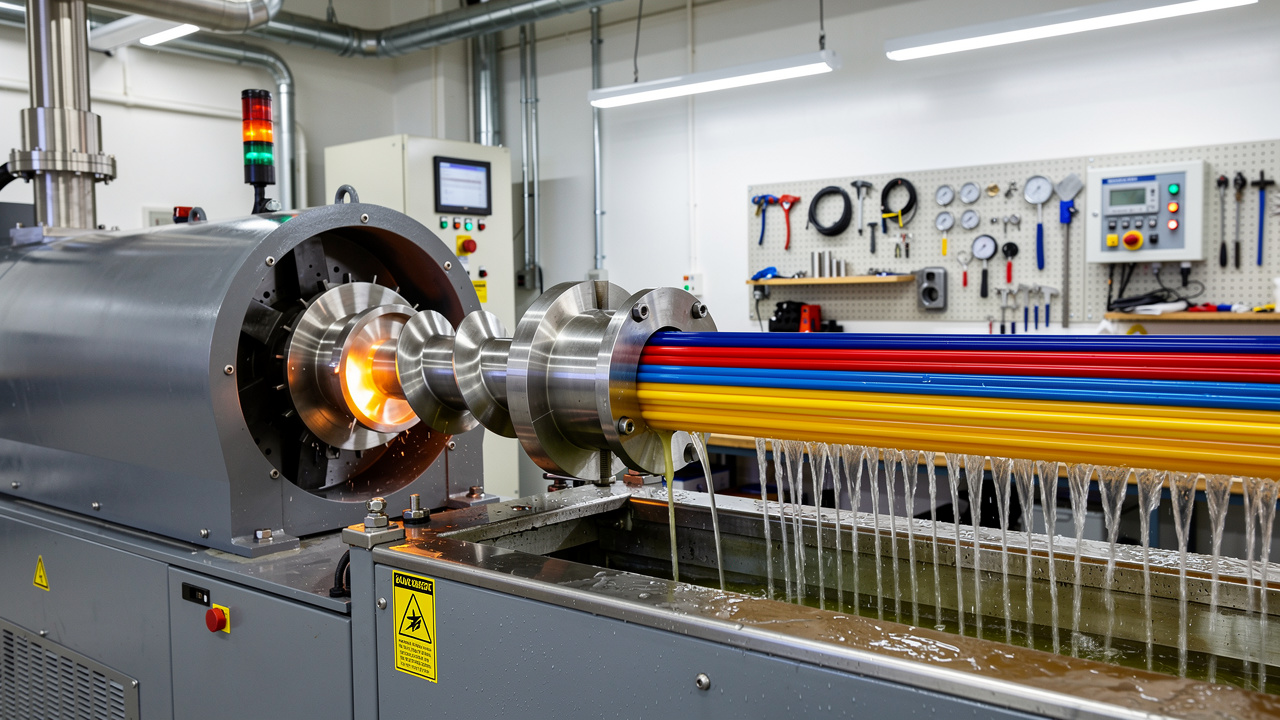
At Lincoln Plastics, we redefine the standards of custom plastic extrusion with our advanced processes and unwavering commitment to quality. The process of polymer extrusion involves melting plastic pellets and forcing the molten substance through a die to create continuous profiles. Key components include:
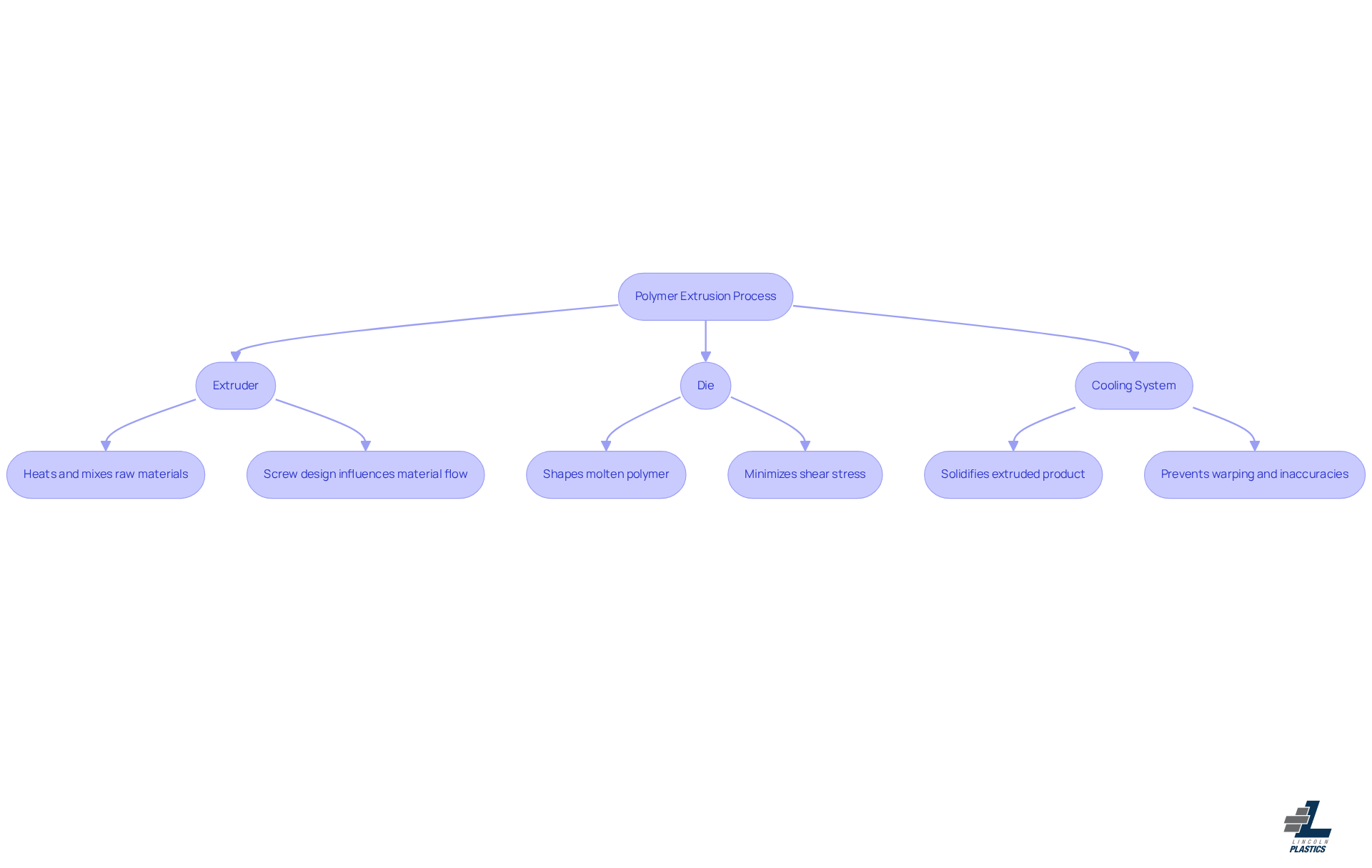
- Extruder: The heart of the process, where raw materials are heated and mixed. Have you considered how the screw design influences material flow and ultimately the quality of your extrusions?
- Die: Shapes the molten polymer into the desired profile. Proper die design minimizes shear stress and ensures uniform flow.
- Cooling System: Essential for solidifying the extruded product. Effective cooling prevents warping and dimensional inaccuracies.
At Lincoln Plastics, located in Lincoln, Nebraska, we specialize in producing not only rigid plastic extrusions but also custom flexible profiles. Our co-extrusion capabilities allow us to integrate multiple colors or materials into a single profile, enhancing both functionality and aesthetic appeal. We are proud to hold ISO 9001:2015 certification, which emphasizes our commitment to rigorous management practices, including dedicated plans and in-process checks. By mastering the intricacies of the extrusion process, we not only meet but exceed our clients' expectations, ensuring their success in a competitive market.
Implement Best Practices for Efficiency and Quality
To achieve unparalleled efficiency and quality in polymer extrusion, implementing best practices is non-negotiable:
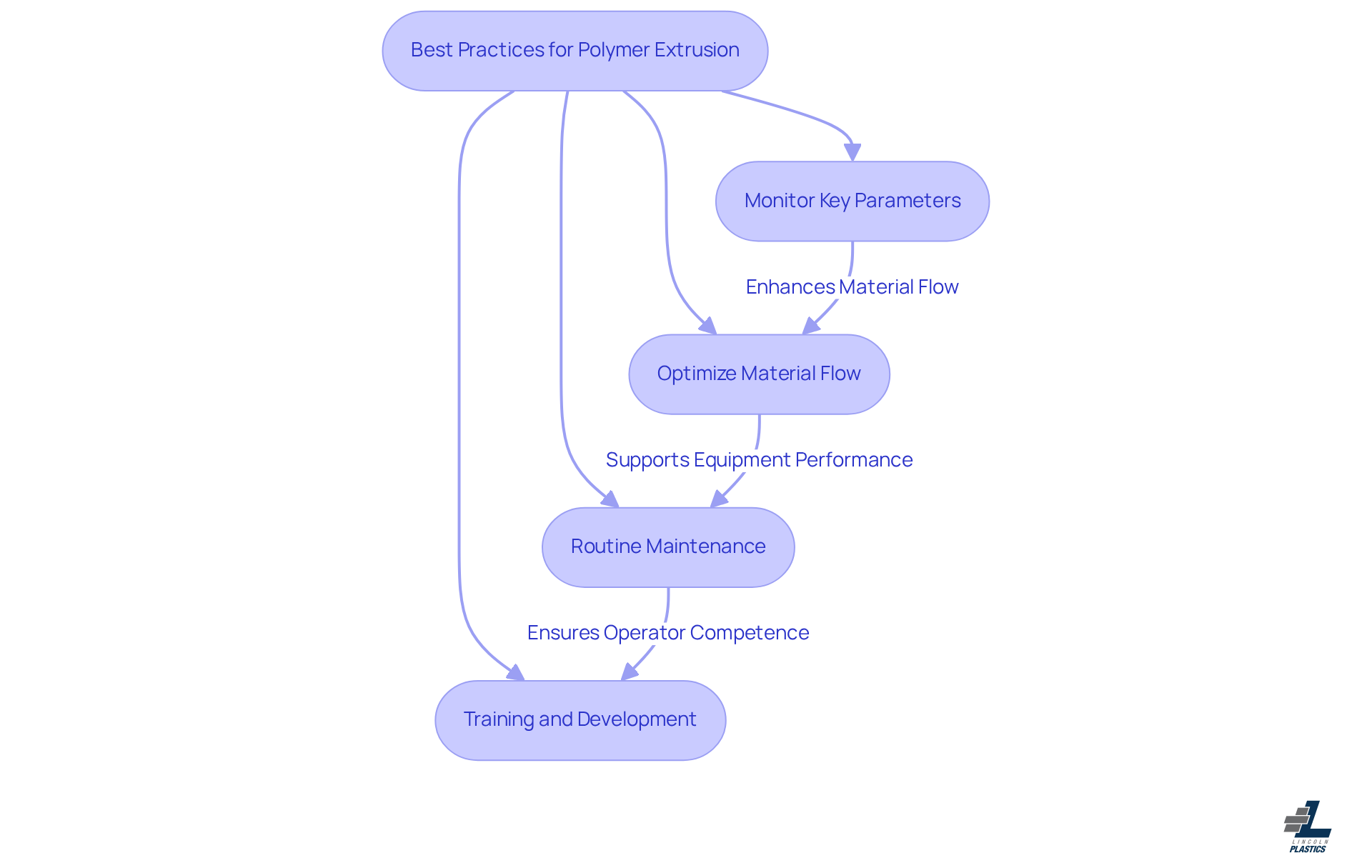
- Monitor Key Parameters: Regularly check temperature, pressure, and screw speed to maintain consistent product quality. For instance, maintaining optimal melt temperature is crucial for preventing defects. Did you know that improper temperature management can lead to variations in wall thickness and surface defects?
- To optimize material flow in polymer extrusion, ensure that the material feed is consistent and that the extruder is properly calibrated to avoid fluctuations that can lead to defects. A well-executed control system in polymer extrusion promotes long-term operational efficiency by reducing waste and enhancing product reliability.
- Routine maintenance in polymer extrusion is crucial; establishing a regular maintenance schedule not only prevents breakdowns but also ensures your equipment operates at peak performance. This includes cleaning the die and checking for wear on the screw. Neglecting these tasks can result in downtime and increased maintenance costs.
- Training and development should focus on investing in training for operators to ensure they understand the complexities of the polymer extrusion process and can identify potential issues before they escalate. A strong quality assurance system in polymer extrusion focuses on preventing errors rather than just detecting them, which is essential for maintaining high production standards.
By prioritizing these practices, you not only enhance product quality but also safeguard your operational efficiency against unforeseen challenges.
Select Appropriate Materials and Technologies
Choosing the right materials and technologies is essential for achieving optimal results in polymer extrusion. Key considerations include:
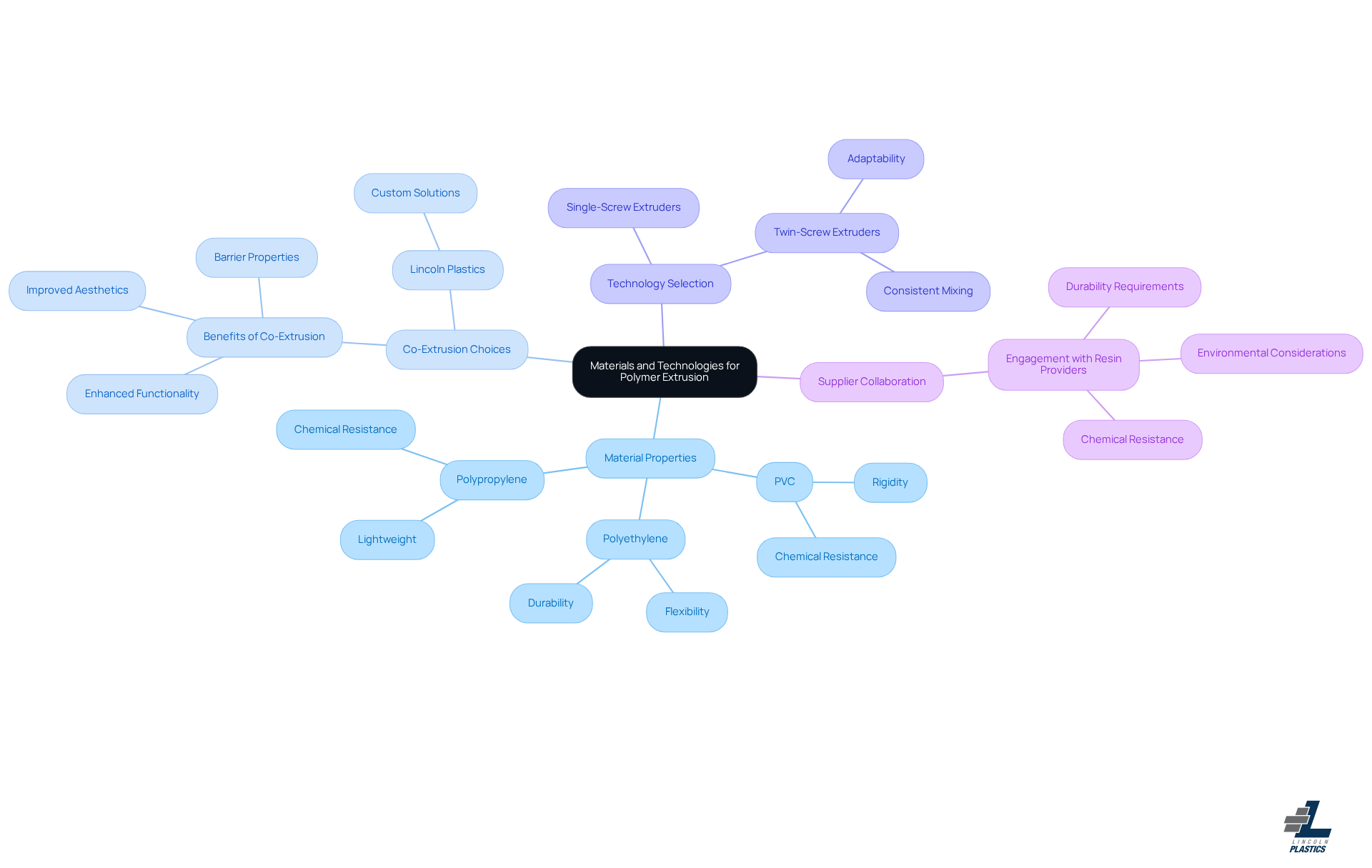
- Material Properties: Familiarize yourself with the characteristics of commonly used materials such as PVC, polyethylene, and polypropylene. Each substance has unique characteristics that affect processing techniques and the effectiveness of the final outcome. For instance, PVC is known for its rigidity and chemical resistance, while polyethylene offers flexibility and durability, making it suitable for various applications.
- Co-Extrusion Choices: Investigate co-extrusion for projects that necessitate multiple substances or colors. This innovative method enables the simultaneous extrusion of various substances, enhancing both functionality and appearance of the final item. Co-extrusion can also improve barrier properties, making it ideal for packaging applications. Lincoln Plastics specializes in delivering custom diameters, wall thicknesses, and finishes tailored to specific needs through advanced co-extrusion capabilities.
- Technology Selection: Evaluate the type of extruder required, whether single or twin-screw, depending on the complexity of the substances and the desired product characteristics. Twin-screw extruders are frequently preferred for their adaptability, especially in processing composite substances and attaining consistent mixing.
- Supplier Collaboration: Engage closely with resin providers to ensure that the selected substances align with the specific requirements of your application, including factors like durability, chemical resistance, and environmental considerations. How can you ensure your projects meet the highest standards? This collaboration can lead to improved performance of resources and cost efficiency.
Based in Lincoln, Nebraska, Lincoln Plastics focuses on safety and efficiency with their custom cord covers and Flexiduct solutions. These products effectively address the hazards posed by loose cords. This commitment to excellence is backed by their ISO 9001:2015 certification and stringent management plans, including dedicated manuals and in-process checks.
Navigating the complexities of material and technology selection can be daunting, but integrating these factors into your resource selection process can greatly improve the effectiveness and standard of your projects involving polymer extrusion. For tailored solutions, contact Lincoln Plastics experts today.
Establish Robust Quality Control Protocols
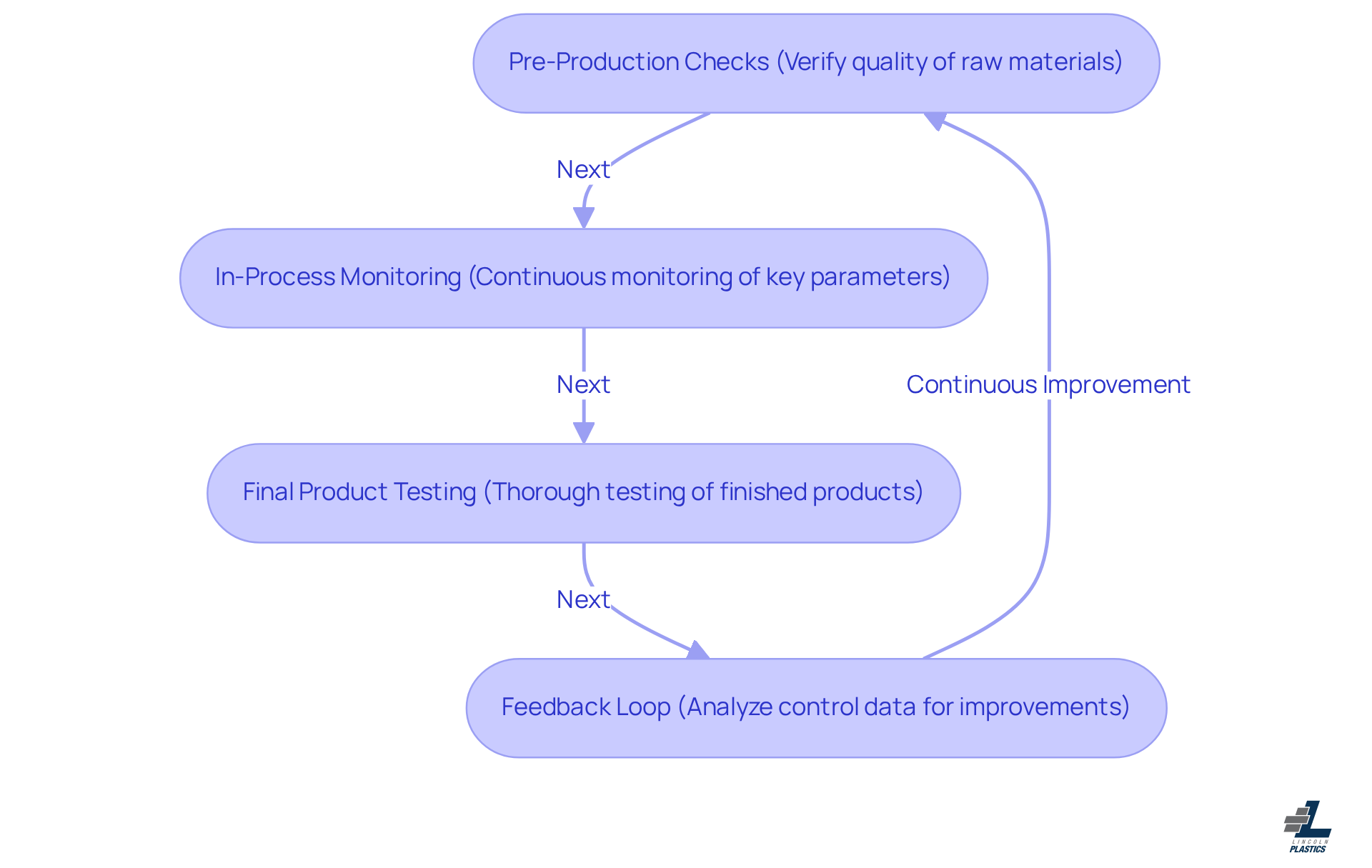
At Lincoln Plastics, the integrity of our products from polymer extrusion hinges on the implementation of robust control protocols. Let’s explore the key steps:
- Pre-Production Checks: We start by verifying the quality of raw materials before production begins. This encompasses testing for purity and compatibility with the polymer extrusion process, ensuring that all materials satisfy the stringent requirements of our ISO 9001:2015 certified management program.
- In-Process Monitoring: Continuous monitoring of key parameters such as melt temperature, pressure, and flow rate during polymer extrusion is crucial. Utilizing multiple types of check gauges, we ensure a proper end-use fit and make real-time adjustments as needed.
- Final Product Testing: Thorough testing of the finished products is conducted to ensure they meet specified tolerances and performance criteria. This could involve checking dimensions and assessing mechanical properties, all recorded in our dedicated assurance books, which are part of our rigorous management plans.
- Feedback Loop: Establishing a feedback mechanism allows us to learn from production issues and continuously improve processes. We consistently examine control data to identify trends and areas for enhancement, reinforcing our dedication to excellence and customer collaboration.
These steps not only improve product excellence but also aid in operational efficiency, minimizing waste and ensuring adherence to industry standards. This commitment to stringent control measures not only enhances product quality but also streamlines operations. In a landscape of rising regulatory demands, our commitment to quality and service sets us apart.
Conclusion
In the world of polymer extrusion, excellence is not just a goal; it's a necessity for survival. Achieving this excellence demands a deep understanding of the process. It also requires a steadfast commitment to best practices. By focusing on the intricacies of material selection, technology integration, and robust quality control, organizations can significantly enhance both efficiency and product quality. Lincoln Plastics exemplifies this commitment through its advanced capabilities, including co-extrusion for multi-color and multi-material profiles, all while adhering to the rigorous standards set by ISO 9001:2015.
Key insights from the article highlight the importance of:
- Monitoring critical parameters
- Maintaining equipment
- Investing in operator training
Are you ready to elevate your polymer extrusion processes? These practices help prevent defects and encourage a culture of continuous improvement. Furthermore, the strategic location of Lincoln Plastics in Lincoln, Nebraska, facilitates efficient logistics and quick turnaround times, ensuring that clients receive high-quality products tailored to their specific needs.
In today’s competitive landscape, focusing on quality and operational efficiency is crucial for success. Organizations are encouraged to adopt these best practices and collaborate with experts like those at Lincoln Plastics to optimize their polymer extrusion processes. Failing to implement these strategies can lead to increased defects and customer dissatisfaction. By doing so, they can not only meet but exceed industry standards, ultimately driving innovation and customer satisfaction. By partnering with Lincoln Plastics, you can transform your challenges into opportunities for growth and innovation.
Frequently Asked Questions
What is the polymer extrusion process?
The polymer extrusion process involves melting plastic pellets and forcing the molten substance through a die to create continuous profiles.
What are the key components of the polymer extrusion process?
The key components include the extruder, which heats and mixes raw materials; the die, which shapes the molten polymer; and the cooling system, which solidifies the extruded product.
How does the extruder function in the extrusion process?
The extruder is the heart of the process where raw materials are heated and mixed, influencing material flow and the quality of the extrusions.
What role does the die play in polymer extrusion?
The die shapes the molten polymer into the desired profile, and proper die design minimizes shear stress and ensures uniform flow.
Why is the cooling system important in the extrusion process?
The cooling system is essential for solidifying the extruded product, preventing warping and dimensional inaccuracies.
What types of profiles does Lincoln Plastics specialize in?
Lincoln Plastics specializes in producing both rigid plastic extrusions and custom flexible profiles.
What are co-extrusion capabilities at Lincoln Plastics?
Co-extrusion capabilities allow Lincoln Plastics to integrate multiple colors or materials into a single profile, enhancing functionality and aesthetic appeal.
What certification does Lincoln Plastics hold?
Lincoln Plastics holds ISO 9001:2015 certification, which emphasizes their commitment to rigorous quality management practices.
How does Lincoln Plastics ensure quality in their extrusion process?
Lincoln Plastics ensures quality through dedicated management plans and in-process checks as part of their quality management program.
Where is Lincoln Plastics located?
Lincoln Plastics is located in Lincoln, Nebraska, which supports efficient logistics and quick order turnaround.
List of Sources
- Understand the Polymer Extrusion Process
- Plastic Extrusion News and Press Releases | Bausano (https://bausano.com/en/press-and-news?q=NEWS)
- Interplas Insights | Latest Plastics Extrusion Machinery News (https://interplasinsights.com/plastics-machinery/plastics-extrusion-machinery-news)
- Shaping the Future: Innovations in Plastic Extrusion Techniques - SeaGate Plastics Company (https://seagateplastics.com/shaping-the-future-innovations-in-plastic-extrusion-techniques)
- Plastics Extrusion: 4 Critical Statistics to Track for Increased Quality & Plant Profit (https://gaugeadvisor.com/plastics-extrusion-4-critical-statistics-to-track-for-increased-quality-plant-profit)
- Plastics Extrusion Market Research Report 2034 (https://dataintelo.com/report/plastics-extrusion-market)
- Implement Best Practices for Efficiency and Quality
- Interplas Insights | Latest Plastics Extrusion Machinery News (https://interplasinsights.com/plastics-machinery/plastics-extrusion-machinery-news)
- Temperature Control in Extrusion: Why It’s Critical | Bausano (https://bausano.com/en/press-and-news/temperature-control-in-extrusion)
- The Importance of Quality Control in Plastic Extrusion Manufacturing - Craftedplastics (https://craftedplastics.com/blog/the-importance-of-quality-control-in-plastic-extrusion-manufacturing)
- Master Extrusion Control: 4 Steps to Optimize Your Process (https://lincoln-plastics.com/news-post/master-extrusion-control-4-steps-to-optimize-your-process)
- Select Appropriate Materials and Technologies
- Interplas Insights | Latest Plastics Extrusion Machinery News (https://interplasinsights.com/plastics-machinery/plastics-extrusion-machinery-news)
- Shaping the Future: Innovations in Plastic Extrusion Techniques - SeaGate Plastics Company (https://seagateplastics.com/shaping-the-future-innovations-in-plastic-extrusion-techniques)
- Plastic Co-Extrusion Process | Product Design & Engineering (https://geminigroup.net/engineered-plastics/profile-extrusion-co-extrusion/manufacturing-capabilities/plastic-co-extrusion)
- 10 Innovative Applications of Co-Extruded Plastics for OEMs (https://lincoln-plastics.com/news-post/10-innovative-applications-of-co-extruded-plastics-for-oe-ms?dcc2137a_page=13)
- Establish Robust Quality Control Protocols
- The Importance of Quality Control in Plastic Manufacturing (https://plastekgroup.com/blog/the-importance-of-quality-control-in-plastic-manufacturing)
- 4 Best Practices for Effective Process Control Quality in Extrusion (https://lincoln-plastics.com/news-post/4-best-practices-for-effective-process-control-quality-in-extrusion)
- One moment, please... (https://condaleplastics.com/extrusion-advice/plastic-extrusion-a-guide-to-quality-control)
- The Importance of Quality Control in Plastic Extrusion Manufacturing - Craftedplastics (https://craftedplastics.com/blog/the-importance-of-quality-control-in-plastic-extrusion-manufacturing)
- Quality Control and Testing Procedures - Plastic Extrusion Technologies (https://plasticextrusiontech.net/quality-control-and-testing-procedures-in-plastic-extrusions)
Related posts

Discover essential strategies on how to improve quality in manufacturing effectively.


Discover the top 10 benefits of plastic angles for enhancing manufacturing efficiency and safety.
Optimize your manufacturing process with coextrusion for efficiency, quality, and design flexibility.
