
Best Practices for Optimizing Extruded Pipe Procurement and Use
Introduction
In the competitive landscape of modern industry, mastering the procurement and utilization of extruded pipes is essential for operational excellence and cost reduction. Let’s explore some best practices that can streamline your procurement process and optimize the performance of extruded pipes across various applications.
With so many options available, how can businesses navigate the complexities of material selection? Failing to make informed choices can lead to costly mistakes and operational inefficiencies.
Understand Extruded Pipe: Definition and Key Characteristics
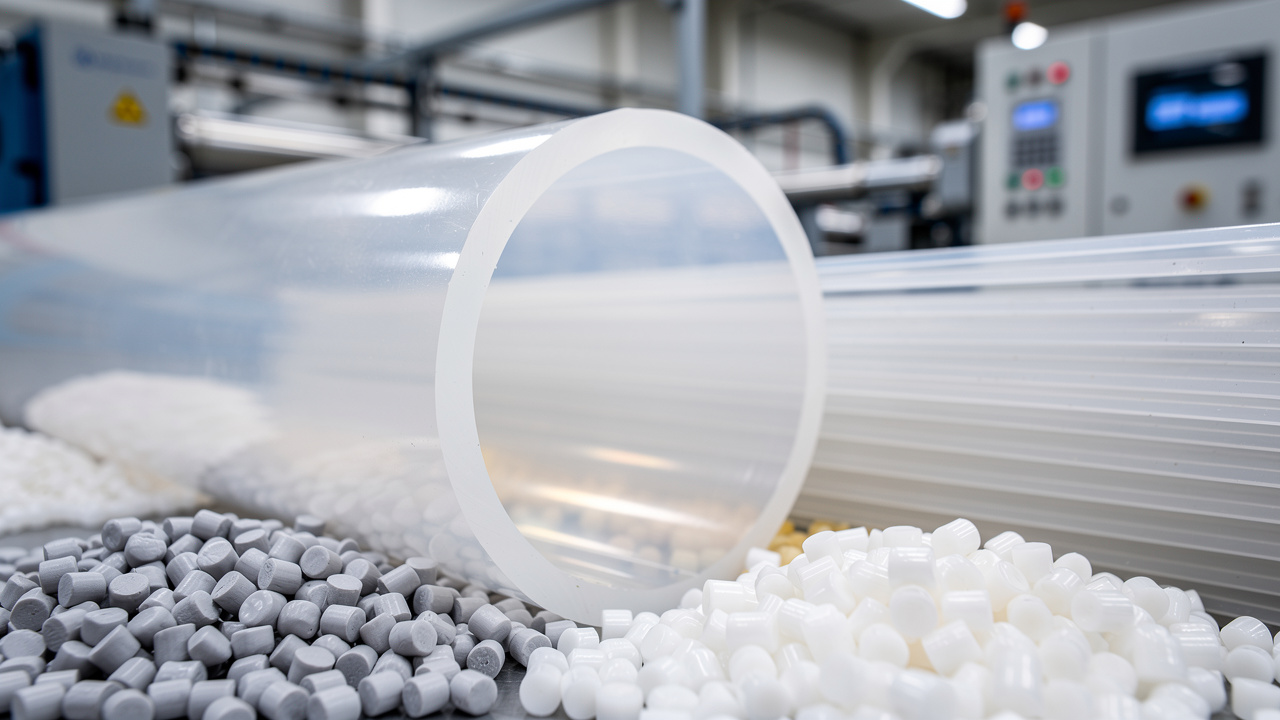
Understanding the intricacies of extruded pipe is essential for optimizing performance in various applications. Extruded tubes are made by heating raw plastic substances and pushing them through a die to form a continuous profile. The key characteristics of extruded pipes include:
- Material Composition: Common materials such as PVC, polyethylene, and polypropylene are selected based on their specific properties, including flexibility, chemical resistance, and durability. These factors are crucial for various applications. The company offers custom diameters and wall thicknesses to meet specific project needs, enhancing the versatility of these materials.
- Dimensional Consistency: These tubes maintain uniform wall thickness and diameter, which is essential for ensuring reliable performance in applications like irrigation and cable management. This consistency is supported by advanced manufacturing techniques that enhance production quality, aligning with Lincoln Plastics' commitment to excellence and ISO 9001:2015 certification.
- Surface Finish: It's crucial to pay attention to surface quality during procurement to ensure it meets your specific needs. The quality of the surface finish can significantly impact both the performance and aesthetic appeal of the extruded pipe. Producers who emphasize surface finish frequently observe enhanced performance in contexts demanding high aesthetic standards, a focus that Lincoln Plastics adopts in its manufacturing processes.
- Temperature Resistance: Different materials exhibit varying degrees of thermal stability, influencing their suitability for specific applications. Comprehending these thermal characteristics is crucial for choosing the appropriate conduit for settings with varying temperatures. Lincoln Plastics utilizes integrated PLC/HMI control systems in modern extrusion lines for real-time monitoring of temperature, ensuring optimal production conditions.
Selecting the right materials can be daunting, especially with the variety of options available. By comprehensively understanding these characteristics, OEM Purchasing Managers can make informed decisions that ensure the optimal performance and longevity of extruded pipes in their operations. This understanding not only streamlines procurement but also enhances operational efficiency. The company Plastics is committed to offering personalized solutions and welcomes inquiries for custom extrusion requirements.

Select the Right Materials and Specifications for Your Needs
Selecting the right materials for the extruded pipe is crucial for ensuring optimal performance and longevity. Consider the following factors:
- Application Requirements: Identify the specific needs of your application, such as pressure ratings, chemical exposure, and temperature ranges. For instance, PVC is often used for plumbing due to its durability and resistance to corrosion. Our plastics company in Nebraska can enhance your design to meet these requirements effectively.
- Substance Properties: Assess the mechanical characteristics of potential substances, including tensile strength, flexibility, and impact resistance. Polyethylene is favored for its flexibility and resistance to environmental stress cracking. Our team at Lincoln Plastics is ready to provide specification sheets and expert suggestions tailored to your project, backed by our ISO 9001:2015 certification and stringent quality management plans.
- Supplier Recommendations: Consult with resin suppliers for guidance on specifications that align with your application. They can offer insights into the latest developments in technology related to substances. At our company, we collaborate closely with clients to ensure the best options are selected for their specific needs.
- Cost Considerations: Balance performance requirements with budget constraints. While high-quality materials might cost more upfront, they often lead to lower maintenance and replacement costs over time. Additionally, our Vendor Managed Inventory (VMI) solutions help you maintain optimal inventory levels, ensuring you stay within your required min-max ranges without the need for large warehousing.
Choosing the right materials can be daunting, especially with so many variables to consider. By carefully selecting materials and leveraging our expertise in custom thick wall solutions, you can ensure that your extruded pipe products perform efficiently. Make the right choice today to avoid future complications and ensure your project's success.

Implement Effective Installation and Maintenance Strategies
To maximize the longevity and performance of extruded pipes, effective installation and maintenance strategies are non-negotiable:
- Proper Installation Techniques: Adhere strictly to manufacturer specifications during installation. This includes utilizing the appropriate fittings and adhesives, as well as following recommended installation angles and depths to prevent future complications.
- Regular Inspections: Homeowners should schedule annual plumbing inspections to avoid serious issues down the line. According to the EPA, one small, ignored leak can increase a home’s water bill by 10%. Regular assessments can significantly reduce the risk of costly repairs and operational downtime. Remember, early detection is key to maintaining system integrity.
- Cleaning and Maintenance: It’s essential to check for leaks regularly; fixing them quickly can save you from bigger problems later. Maintain cleanliness by keeping conduits free from debris, which can lead to blockages. Routine inspections help detect minor blockages that can be cleared before they escalate into larger issues, ultimately saving costs associated with emergency repairs.
- Temperature Monitoring: Observe the environmental temperature in areas where conduits are installed, as extreme conditions can negatively impact material performance. Implementing insulation or temperature control measures can mitigate these risks.
By adhering to these best practices, businesses can enhance the reliability and efficiency of their extruded pipe systems, leading to improved operational outcomes. By prioritizing these practices, you not only safeguard your investment but also enhance the overall efficiency of your operations.

Leverage Custom Extrusion Solutions for Enhanced Performance
Custom extrusion solutions, particularly extruded pipe, are not just an option; they are a necessity for businesses aiming to enhance the performance of their piping systems. Tailored extrusion solutions can greatly improve the performance of extruded pipe by meeting particular usage requirements. Consider the following benefits:
- Tailored Designs: Custom extrusion allows for the creation of pipes with unique dimensions, shapes, and features that standard products may not offer. Think about it: in agriculture and industrial settings, precision is everything. Custom designs make all the difference. The company Plastics collaborates closely with OEMs to guarantee that their products satisfy all quality criteria, including specific assessments for ‘fit and function’ and compliance with ISO 9001:2015 standards.
- Material Combinations: Co-extrusion techniques allow for the creation of an extruded pipe that utilizes various materials in a single tube, enhancing properties such as flexibility, strength, and chemical resistance. This leads to improved performance in challenging environments, ensuring durability and reliability. Lincoln Plastics can easily source colors that meet your Pantone specifications for consistency across manufacturers.
- Cost Efficiency: Custom solutions might come with a higher upfront cost. However, they lead to long-term savings by minimizing maintenance and extending product lifespan. This is especially important for businesses looking to optimize their operational costs. Our robust quality system includes a dedicated quality book for your plastic profile with drawings, critical in-process checks, and run documentation, ensuring that every product meets stringent quality standards.
- Enhanced Functionality: Custom profiles for the extruded pipe can include features such as integrated fittings or specialized surface textures, enhancing the overall functionality of the pipes in their intended uses. This flexibility means your systems can tackle the unique demands of different industries with ease using extruded pipe.
In the context of rising demand for plastic products across various sectors, including agriculture and industrial uses, leveraging solutions involving extruded pipe becomes essential. However, manufacturers often struggle with maintaining quality and consistency during the extrusion process, which can lead to costly errors. By overcoming these challenges, businesses can not only enhance product quality but also gain a competitive edge in their market. Lincoln Plastics' commitment to excellence and customer partnership is reflected in our rigorous quality management plans, including the use of multiple types of check gauges, ensuring that every product is crafted to the highest standards. Embracing custom extrusion solutions can redefine your operational efficiency and set your business apart in a competitive landscape.

Conclusion
Are you struggling to find the right materials and strategies for your piping systems? Understanding the best practices for optimizing extruded pipe procurement and use is crucial for achieving operational excellence across various industries. Focusing on the right materials and effective installation can significantly boost your piping systems' performance and longevity. Have you considered how informed decision-making can transform your procurement process? These key arguments underscore the importance of selecting the right materials and adhering to installation guidelines for optimal performance.
Custom extrusion solutions, with tailored designs and co-extrusion capabilities, ensure that your operational needs are met with the highest quality and efficiency. Lincoln Plastics' commitment to rigorous quality management, backed by ISO 9001:2015 certification, reinforces the importance of maintaining high standards throughout the procurement and manufacturing processes. This proactive approach not only enhances operational efficiency but also drives long-term success in a competitive market.
For tailored solutions and expert guidance, reaching out to Lincoln Plastics can provide the necessary support to enhance operational efficiency and achieve long-term success.
Frequently Asked Questions
What is extruded pipe and how is it made?
Extruded pipe is created by heating raw plastic substances and pushing them through a die to form a continuous profile. This process allows for the production of tubes with specific characteristics tailored to various applications.
What materials are commonly used for extruded pipes?
Common materials for extruded pipes include PVC, polyethylene, and polypropylene. These materials are chosen based on their properties such as flexibility, chemical resistance, and durability, which are essential for different applications.
How does Lincoln Plastics enhance the versatility of extruded pipes?
Lincoln Plastics offers custom diameters and wall thicknesses for extruded pipes, allowing for tailored solutions that meet specific project needs.
Why is dimensional consistency important in extruded pipes?
Dimensional consistency, which ensures uniform wall thickness and diameter, is crucial for reliable performance in applications like irrigation and cable management. This consistency is achieved through advanced manufacturing techniques.
What role does surface finish play in extruded pipes?
The quality of the surface finish significantly impacts both the performance and aesthetic appeal of extruded pipes. A good surface finish can enhance performance, especially in applications that require high aesthetic standards.
How does temperature resistance affect the selection of extruded pipes?
Different materials have varying degrees of thermal stability, which influences their suitability for specific applications. Understanding these thermal characteristics is essential for selecting the right conduit for environments with fluctuating temperatures.
How does Lincoln Plastics ensure optimal production conditions for extruded pipes?
Lincoln Plastics utilizes integrated PLC/HMI control systems in modern extrusion lines for real-time monitoring of temperature, ensuring optimal production conditions and maintaining high-quality standards.
How can OEM Purchasing Managers benefit from understanding the characteristics of extruded pipes?
By comprehensively understanding the characteristics of extruded pipes, OEM Purchasing Managers can make informed decisions that ensure optimal performance and longevity, streamlining procurement and enhancing operational efficiency.
How can I inquire about custom extrusion requirements from Lincoln Plastics?
Lincoln Plastics welcomes inquiries for custom extrusion requirements and encourages potential customers to reach out for personalized solutions.
List of Sources
- Understand Extruded Pipe: Definition and Key Characteristics
- HDPE Pipe Extrusion Machines for Infrastructure Boom: Features, Applications & Buying Guide - TwinScrew (https://twinscrew.net/en/article/HDPE-and-Plastic-Pipe-Extrusion-Machine-Demand.html)
- Aluminum Pipe Market Size, Share & Forecast to 2036 | FMI (https://futuremarketinsights.com/reports/aluminum-pipe-market)
- Projected Growth of Pipe Extrusion Lines Market with 10.5% CAGR from 2026 to 2033 (https://linkedin.com/pulse/projected-growth-pipe-extrusion-lines-market-105-cagr-ujure)
- Pipe and Profile Extrusion (https://magazines.amiplastics.com/pipe-and-profile-extrusion)
- Select the Right Materials and Specifications for Your Needs
- Plastic Pipe Extruder IPEX Adds 28 Production Lines at US Facilities (https://plasticstoday.com/extrusion-pipe-profile/plastic-pipe-extruder-ipex-adds-28-production-lines-at-us-facilities)
- Pipe Extrusion Lines Market Research Report 2034 (https://dataintelo.com/report/pipe-extrusion-lines-market)
- Projected Growth of Pipe Extrusion Lines Market with 10.5% CAGR from 2026 to 2033 (https://linkedin.com/pulse/projected-growth-pipe-extrusion-lines-market-105-cagr-ujure)
- Implement Effective Installation and Maintenance Strategies
- The Benefits of Regular Pipe Inspections: Save Money & Prevent Disasters - Conditioned Air Systems (https://conditionedairsystems.com/blog/the-benefits-of-regular-pipe-inspections-save-money-prevent-disasters)
- Best Reasons to Schedule Routine Pipe Inspections (https://ehsinsight.com/blog/best-reasons-to-schedule-routine-pipe-inspections)
- The Benefits of Preventative Maintenance Inspections (https://de-cal.com/blogs/michigan-ohio-pennsylvania-mechanical-hvac-contractor-blog/1198581-the-benefits-of-preventative-maintenance-inspections)
- How Often You Should Have Your Industrial Piping Inspected (https://icominc.com/hvac-system-tips/how-often-you-should-have-your-industrial-piping-inspected)
- Common Issues Found During Underground Pipe Inspections (https://pipedetect.com/common-issues-found-during-underground-pipe-inspections.html)
- Leverage Custom Extrusion Solutions for Enhanced Performance
- What Are High-Performance Polymers? (https://pexco.com/news-and-events/custom-plastic-extrusion-basics-benefits-and-future-explained)
- Pacific Northwest National Laboratory (https://pnnl.gov/news-media/pnnl-designs-extrusion-retrofit-system-help-manufacturers-get-shape)
- PVC Pipe Extrusion Lines: High Performance and Energy Savings | Bausano (https://bausano.com/en/press-and-news/pvc-pipe-extrusion)
- What Is Custom Extrusion And Why You Should Consider This In Purchasing Products (https://paulmurphyplastics.com/industry-news-blog/what-is-custom-extrusion-and-why-you-should-consider-this-in-purchasing-products)


