
Best Practices for High Density PVC: Enhance Procurement Strategies
Introduction
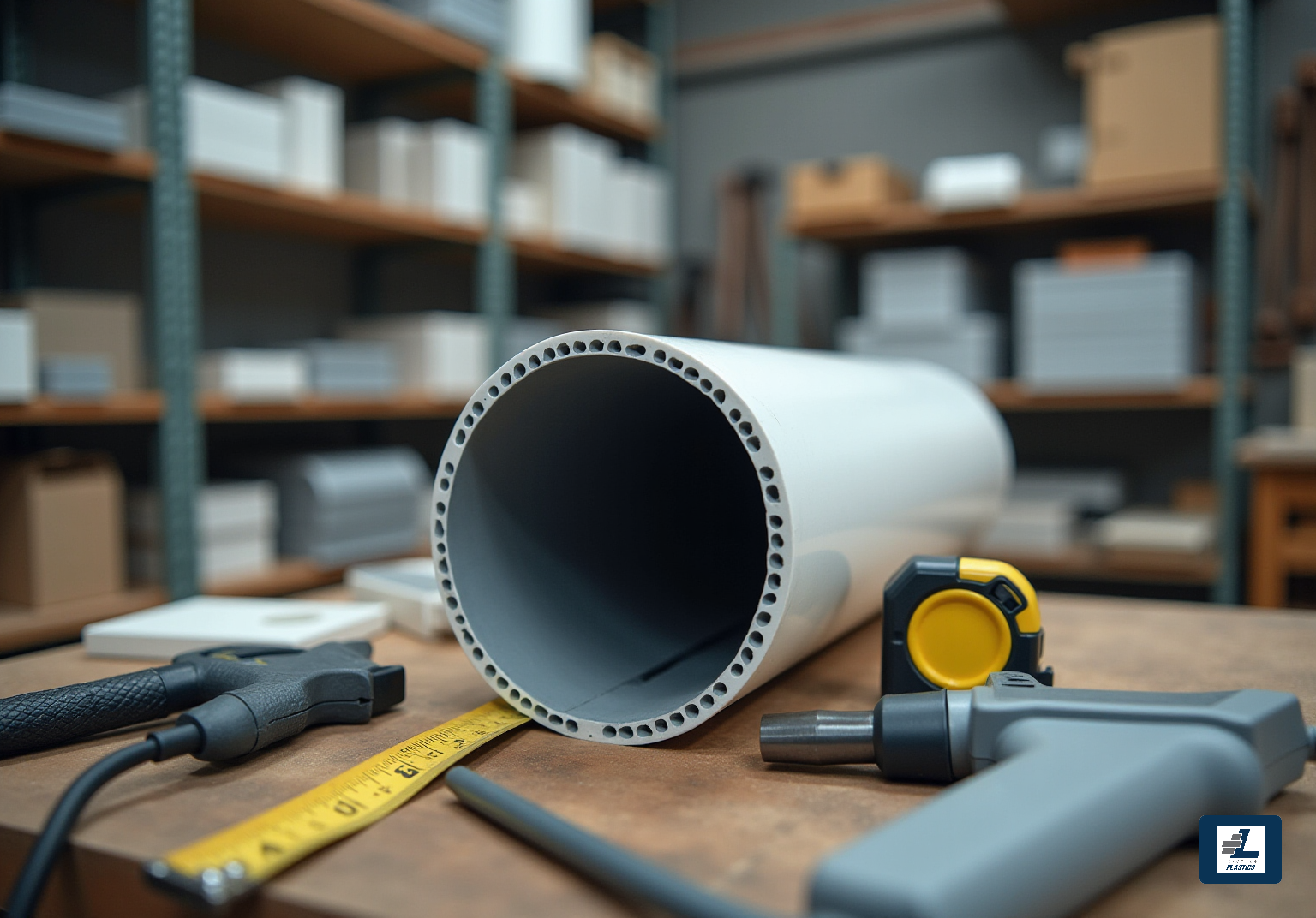
High-density PVC is quite the standout material! It's known for its strength and versatility, making it a favorite in industries ranging from construction to healthcare. Now, if you’re in procurement, you might be wondering how to optimize your strategies. Understanding the unique properties and applications of high-density PVC is key to making informed decisions.
But here’s the kicker: with market prices fluctuating and supplier relationships getting a bit tricky, how can organizations tackle these challenges? It’s all about ensuring quality and sustainability while navigating the complexities. Let’s dive into this together!
Understand High-Density PVC: Properties and Applications
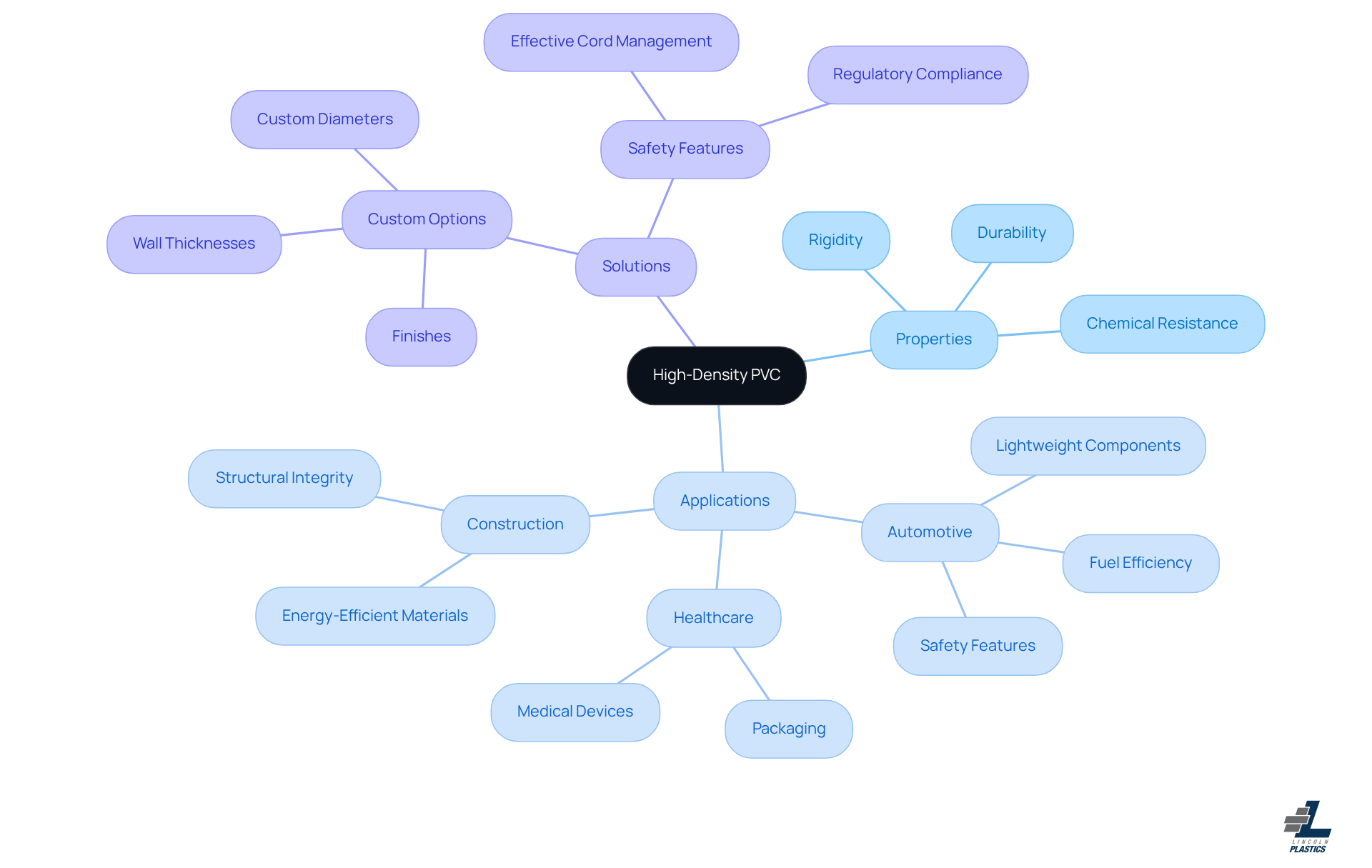
is really impressive, don't you think? Known for its rigidity, durability, and resistance to impact and chemicals, high-density PVC typically has a density ranging from 1.3 to 1.45 g/cm³. This makes it a go-to choice for applications that need strength, like pipes, fittings, and construction materials.
Now, let’s talk about its versatility! In the automotive and healthcare sectors, high-density PVC is used for components that really need to perform well and be reliable. In cars, for instance, dense PVC is favored because it’s lightweight yet strong, which helps with fuel efficiency and safety. And in healthcare, it’s all about packaging and medical devices, ensuring everything meets those strict regulatory standards while keeping product integrity intact.
But wait, there’s more! Recent advancements in high-density PVC have opened up new possibilities, especially in construction. It’s now being used in applications that incorporate sustainability, which is a big win for sustainability.
Speaking of options, Lincoln Plastics offers materials in appropriately sized batches. This means customers can pick materials that meet industry regulations perfectly. Plus, their custom cord covers really step up safety and efficiency, tackling the important issue of performance in various applications.
So, understanding these properties and solutions can really empower businesses to make informed decisions. What do you think? Ready to explore how high-density PVC can work for you?
Implement Best Practices for High-Density PVC Usage
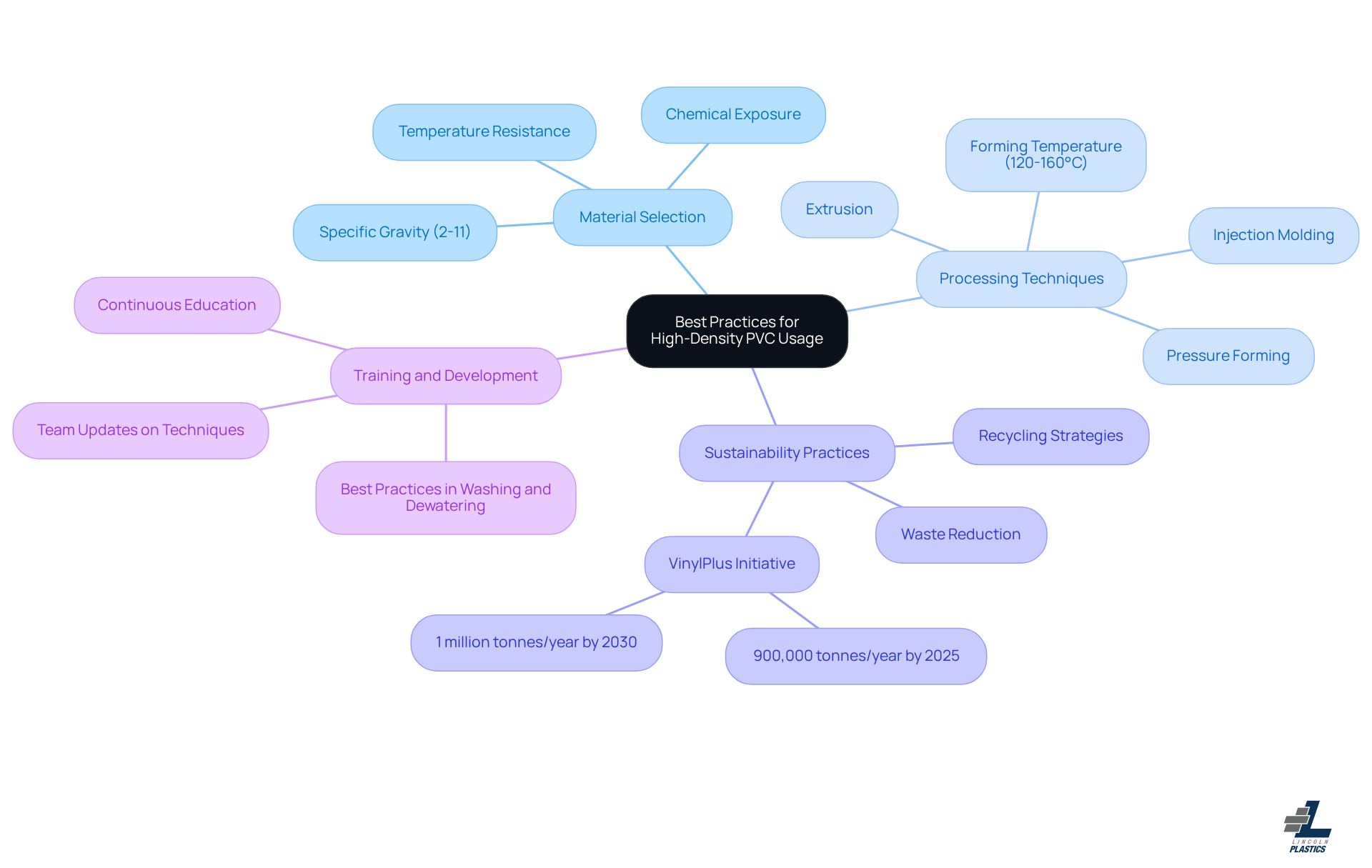
When it comes to using dense PVC, manufacturers can really boost their game by following a few friendly tips. First up, let’s talk about material selection. It’s super important to pick the right grade of PVC that fits your specific needs. Think about application requirements. Did you know that high-density thermoplastic formulations usually have specific gravities between 2 and 11? This can really affect how they perform in different applications.
Now, let’s chat about processing techniques. Using the right methods, like pressure forming, helps keep the material’s properties intact. For example, advanced techniques like pressure forming can really improve the accuracy of your parts. Just remember, keeping the forming temperature between 120-160°C is key to avoiding any degradation.
Next, we can’t forget about environmental responsibility. It’s all about being kind to our planet! Implementing solid recycling practices can make a big difference. The VinylPlus initiative is aiming for at least 900,000 tonnes of recycled PVC to be used in new products every year by 2025. That’s a great step towards sustainability in our industry!
And let’s not overlook team training. Regularly updating your team on the latest techniques and technologies in PVC processing can really boost productivity and quality. Continuous education on best practices in washing and dewatering can lead to better product consistency and buyer acceptance. After all, that might mess with extrusion stability.
By embracing these practices, manufacturers can not only enhance their operational efficiency but also contribute positively to sustainability efforts in the production of PVC products. So, why not start today?
Ensure Quality Control and Supplier Reliability
To ensure quality control, manufacturers can really benefit from a few straightforward practices:
- Conduct regular audits: Regularly checking in on suppliers is key. It’s all about understanding their production capabilities and how well they stick to industry standards. This proactive approach helps spot potential risks and makes sure suppliers are reliable.
- Implement quality checks: Setting up strict control measures during production is super important. Think about thorough material testing and final product inspections to guarantee every batch meets the specs. Did you know that around 85% of production failures come from issues in systems and processes rather than individual performance? That’s why quality checks are a must. At Lincoln Plastics, we make sure to include essential in-process checks and documentation to keep our standards on point.
- Build strong relationships: Building solid partnerships with trustworthy suppliers is crucial for maintaining consistent standards and ensuring product quality. When you commit to collaboration, it not only boosts product quality but also builds trust and collaboration—both vital for long-term success in supply chain management. At Lincoln Plastics, we work closely with OEMs to ensure their products meet all standards, enhancing reliability across the board.
- Utilize technology: Using technology for real-time monitoring of production processes helps manufacturers quickly spot and address any standard-related issues. Advanced data analytics and IoT solutions can really ramp up operational efficiency and assurance. Remember, what gets measured gets improved! By integrating technology, Lincoln Plastics can swiftly tackle any quality standard deviations, reinforcing our commitment to precision and compliance.
- Consider international shipping capabilities: When choosing suppliers, don’t forget to think about their ability to ship internationally. At Lincoln Plastics, we collaborate with logistics partners to find the best shipping methods that suit their needs, ensuring a reliable supply chain across borders.
By putting these strategies into action, manufacturers can enhance their sourcing processes and produce top-notch high-density PVC products. This not only boosts operational efficiency but also leads to happier customers!

Navigate Cost Fluctuations and Contract Negotiations
Navigating cost fluctuations and contract negotiations can feel like a daunting task, right? But don’t worry! Here are some key strategies that can really help you out:
- Keep an Eye on Market Trends: Staying in the loop about market dynamics, like supply and demand changes, is super important for anticipating price shifts. Did you know the global PVC market is projected to hit USD 69.86 billion by 2032? Understanding this can give you some valuable insights into pricing and potential volatility.
- Negotiate Pricing: Want to save some serious cash? Securing favorable pricing through bulk contracts with suppliers can lead to significant savings. By leveraging the advantages that come with bulk orders, you can negotiate better terms that fit with current market conditions. For example, a leading manufacturer found that negotiating a bulk agreement led to a 15% reduction in costs over a year. Pretty impressive, right?
- Evaluate Total Costs: It’s not just about the purchase price! You’ve got to think about the long-term costs associated with sourcing materials. This includes transportation, storage, and any price changes over time, which can really impact your total acquisition costs. As expert Varun Juyal points out, understanding the total expense can help you avoid unexpected financial pressures.
- Build Flexible Contracts: Here’s a tip: include clauses that allow for adjustments based on market conditions. This can protect you from unforeseen price hikes. Flexibility is key in a market where demand can shift quickly, ensuring your purchasing strategies stay resilient and adaptable. Plus, showing empathy in negotiations, as industry leaders suggest, can help build better relationships with suppliers, leading to more favorable terms.
By putting these strategies into action, you can boost your negotiation outcomes and secure better agreements involving procurement. This not only helps you but also contributes to your organization’s success. So, what are you waiting for? Let’s get started!

Conclusion
High-density PVC is a game-changer in many industries, right? Its impressive properties - like rigidity, durability, and chemical resistance - make it a go-to material. When you understand where it fits in, from automotive parts to eco-friendly building materials, you can make smart choices that meet both your operational needs and regulatory standards. By tapping into the versatility of high-density PVC, businesses can not only boost their product lines but also play a part in sustainability efforts in construction and manufacturing.
So, what are some best practices for using high-density PVC effectively? First off, it’s all about selecting the right materials based on your specific needs. Then, using advanced processing techniques helps keep that material integrity intact. And don’t forget about sustainability practices! Keeping a close eye on quality through supplier audits and building long-term relationships with trustworthy partners is key to consistently producing high-quality products. Plus, navigating cost fluctuations and striking favorable deals can really shape your procurement strategy.
By embracing these practices, you’re not just optimizing efficiency - you’re setting your company up to thrive in a competitive market. As the demand for high-density PVC keeps rising, staying updated on market trends and using strategic procurement methods will be crucial. So, why not prioritize these approaches? They can help secure your spot in the ever-evolving world of high-density PVC applications and contribute to a more sustainable future.
Frequently Asked Questions
What is high-density PVC and what are its key properties?
High-density PVC (Polyvinyl Chloride) is known for its rigidity, durability, and resistance to impact and chemicals, with a density ranging from 1.3 to 1.45 g/cm³.
What are the typical applications of high-density PVC?
High-density PVC is commonly used in applications requiring structural integrity, such as pipes, fittings, and construction materials, as well as in the automotive and healthcare sectors.
How is high-density PVC utilized in the automotive industry?
In the automotive sector, high-density PVC is favored for its lightweight and strong properties, which contribute to improved fuel efficiency and safety.
What role does high-density PVC play in healthcare?
In healthcare, high-density PVC is used for packaging and medical devices, ensuring compliance with strict regulatory standards while maintaining product integrity.
What advancements have been made in high-density PVC for construction?
Recent advancements have led to the use of high-density PVC in energy-efficient building materials, promoting sustainability in construction.
What custom options does Lincoln Plastics offer for high-density PVC products?
Lincoln Plastics offers custom diameters, wall thicknesses, and finishes in appropriately sized batches, allowing purchasing specialists to select materials that meet their operational needs and industry regulations.
What solutions does Lincoln Plastics provide for cord management?
Lincoln Plastics provides custom cord covers and Flexiduct solutions to enhance safety and efficiency in managing cords across various applications.
List of Sources
- Understand High-Density PVC: Properties and Applications
- openpr.com (https://openpr.com/news/4389652/emerging-growth-patterns-driving-expansion-in-the-poly-vinyl)
- Polyvinyl chloride - Wikipedia (https://en.wikipedia.org/wiki/Polyvinyl_chloride)
- argusmedia.com (https://argusmedia.com/en/news-and-insights/latest-market-news/2748322-westlake-sees-rebounding-pvc-demand-in-2026)
- Implement Best Practices for High-Density PVC Usage
- PVC Production and Recycling Statistics (https://energycle.com/global-pvc-production-and-disposal-statistics)
- rapidmade.com (https://rapidmade.com/industrial-thermoforming-of-polyvinyl-chloride-pvc)
- statista.com (https://statista.com/statistics/595434/plastic-materials-density?srsltid=AfmBOop1K8j51l4WMsH8i6bDcTkoPDQDQnQIGtiUnZzC7Ad2S2csplZe)
- ptonline.com (https://ptonline.com/articles/how-to-select-and-process-high-density-thermoplastic-materials)
- Ensure Quality Control and Supplier Reliability
- everythingsupplychain.com (https://everythingsupplychain.com/supply-chain-and-logistics-quotes)
- Best Supply Chain Quotes (https://linkedin.com/pulse/best-supply-chain-quotes-daniel-stanton)
- Navigate Cost Fluctuations and Contract Negotiations
- 10 Inspiring Quotes EVERY Procurement Professional Needs to Read - Superior Business Solutions (https://inkonit.com/blog/10-inspiring-quotes-every-procurement-professional-needs-to-read)
- argusmedia.com (https://argusmedia.com/en/news-and-insights/latest-market-news/2748322-westlake-sees-rebounding-pvc-demand-in-2026)
- databridgemarketresearch.com (https://databridgemarketresearch.com/reports/global-polyvinyl-chloride-pvc-market?srsltid=AfmBOooTa775XlWumzPy7ckJMlthyuiJH1lsgs8jHAC_tjhzYdJY2eGI)
- procurementtactics.com (https://procurementtactics.com/negotiation-quotes)
Related posts

Why Custom Pipe Extrusion Matters More Than Ever
Standard pipe sizes don’t always work. Learn how Lincoln Plastics delivers custom diameters, wall thicknesses, and finishes in right-sized runs.


Reducing Trip Hazards with Custom Cord Management
Loose cords are more than messy — they’re a safety hazard. Lincoln Plastics’ custom cord covers and Flexiduct solutions improve safety and efficiency.
The Power of Custom Plastic Profiles for OEMs
Off-the-shelf profiles force compromises. Learn how Lincoln Plastics designs custom extruded profiles for OEMs with exact specs and right-sized runs.
