
9 Essential Plastic Extrusion Process Steps for OEM Managers
Introduction
Welcome to the fascinating world of plastic extrusion! It’s a complex realm, but it plays a crucial role in industries like construction and automotive manufacturing. As OEM managers, you’re likely looking to optimize production processes, right? Understanding the essential steps in plastic extrusion is key to achieving high-quality results.
In this article, we’ll explore nine key process steps that not only enhance material properties but also ensure efficiency and sustainability in manufacturing. But, let’s be real—there are plenty of intricacies involved. What challenges might pop up along the way? And how can you navigate them to maximize operational success? Let’s dive in and find out together!
Lincoln Plastics: Custom Profile Extrusion for Tailored Solutions
At Lincoln Plastics, we pride ourselves on being a go-to producer right here in Lincoln, NE. We're all about delivering tailored solutions for small to midsize businesses. You might be wondering what we specialize in—well, think custom profiles and extrusion. Our versatility means we can meet a variety of needs with ease.
Quality and innovation are at the heart of what we do. That’s why we’ve become a trusted partner looking for custom solutions. Our expertise lies in crafting products using materials like:
- polyethylene
- ridged PVC
- polypropylene
This means we can handle any resin to fit your specifications.
Whether you need standard or bespoke orders, our facility is equipped to manage it all. We ensure that every product aligns perfectly with your operational requirements, so you can focus on what you do best.
Step 1: Additives for Enhanced Material Properties
Additives play a crucial role in enhancing the characteristics of plastics, and they significantly impact performance and longevity. Did you know that around 70% of manufacturers use UV stabilizers in their products? These stabilizers help protect against UV radiation, ensuring products last longer while keeping their mechanical properties intact. For instance, you’ll find UV stabilizers in outdoor furniture and automotive parts, where sun exposure is a big concern.
Now, aside from UV stabilizers, there are other additives like impact modifiers that help improve toughness and reduce flammability. Recently, we’ve seen some exciting advancements in plastic additives, including bioplastics that boost performance and support sustainability goals. These innovations often involve nanomaterials, which can enhance fuel efficiency in cars.
Choosing the right additives is key to achieving optimal performance. Take fillers like glass fibers and talc, for example; they can really enhance strength and rigidity, making them perfect for applications that require durability. Plus, antimicrobial additives are essential, especially in medical applications, as they help resist microbial growth and ensure safety and compliance with health standards. As the industry continues to evolve, the development of new additives and the integration of advanced additives is vital in meeting the diverse needs of manufacturers and end-users alike.

Step 2: Melt the Material for Shaping
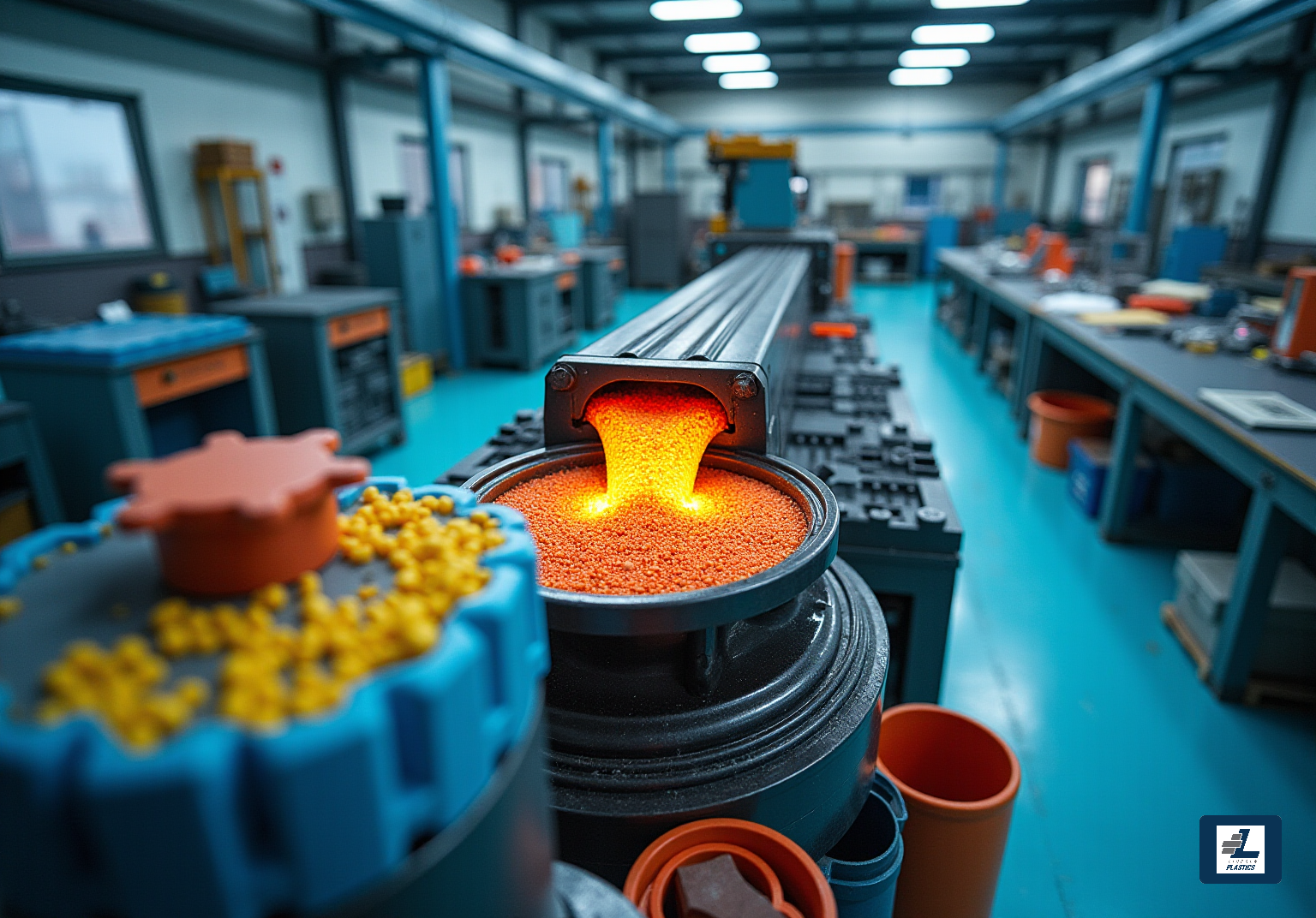
Melting is one of the essential processes, where we heat the plastic until it’s all gooey and ready to be shaped into whatever we need. This magic happens mainly in an extruder, which uses just the right amount of heat and pressure to get the job done. But here’s the catch: keeping an eye on the temperature is crucial! If it goes off track, the material can start to break down, which can really mess up the final product.
Have you ever noticed defects like warping or those annoying air bubbles? Studies show that these issues often stem from not controlling the temperature properly, and they can really affect how good the item turns out. So, making sure we have the right temperature helps everything flow smoothly and consistently, which is a big win for the products we create.
By sticking to strict guidelines, the quality of their products improves. This just goes to show how important temperature control is within the extrusion process. So, next time you're involved in plastic extrusion, remember: it all starts with getting that melt just right!

Step 3: Form the Mold for Desired Shapes
Creating a mold is a key step in shaping your final product. It’s all about determining the form and measurements of what you’re making. Molds can be customized for all sorts of profiles—think pipes, sheets, or even unique shapes just for you! When designing a mold, there are a few important factors to keep in mind:
- Material flow
- Cooling rates
- Dimensional tolerances
You’ll find that a well-designed mold can really boost the performance of extruded items in their intended applications.
Since 1948, Lincoln Plastics has been at the forefront of plastic extrusion, especially for OEM irrigation products and cable management. Their know-how in mold design means that their services are comprehensive, including Pantone color matching. This is crucial for keeping your brand looking consistent.
Now, let’s talk about costs. The average expenses tied to creating molds can really vary depending on how complex they are and what materials you need. But here’s the thing: investing in quality molds often pays off with improved performance and less waste. Key elements in mold design, like screw geometry, help optimize material flow and reduce degradation. Plus, proper design ensures that temperature distribution is uniform. A well-designed mold doesn’t just meet the necessary specs; it also enhances the efficiency and sustainability of the production process—something that’s becoming more important as the industry focuses on environmental responsibility.

Step 4: Cool the Extruded Material for Stability
Cooling the extruded material is super important for keeping its shape and avoiding any deformation. Typically, we achieve this through cooling methods; both do a great job of lowering the temperature of the extruded profile. At Lincoln Plastics, we use various check gauges to ensure a proper fit during the cooling process. But here's the thing: the cooling rate needs to be just right. If it cools too quickly, it can create internal stresses that lead to warping or cracking.
Now, you might be wondering what happens during cooling. Well, all polymers, especially semicrystalline ones, tend to shrink, which can affect their final dimensions. So, it's about preserving the material's desired properties and getting it ready for the next steps, whether that’s processing or delivery. As Allan Griff, an extrusion engineer, puts it, "Effective cooling of operations is crucial for upholding quality and efficiency in the polymer sector."
Our robust quality assurance program includes a dedicated quality book for your material profile, complete with drawings, critical in-process checks, and run documentation. Investing in quality control can really boost product stability and cut down on scrap rates. This ultimately leads to a more efficient manufacturing operation.
And let’s not forget, we’ve created many types of conduit for various electrical and specialty plastic applications, ensuring our products meet OEM quality requirements. So, if you’re looking to improve your processes, let’s chat about how we can help!

Step 5: Explore Types of Plastic Extrusion Processes
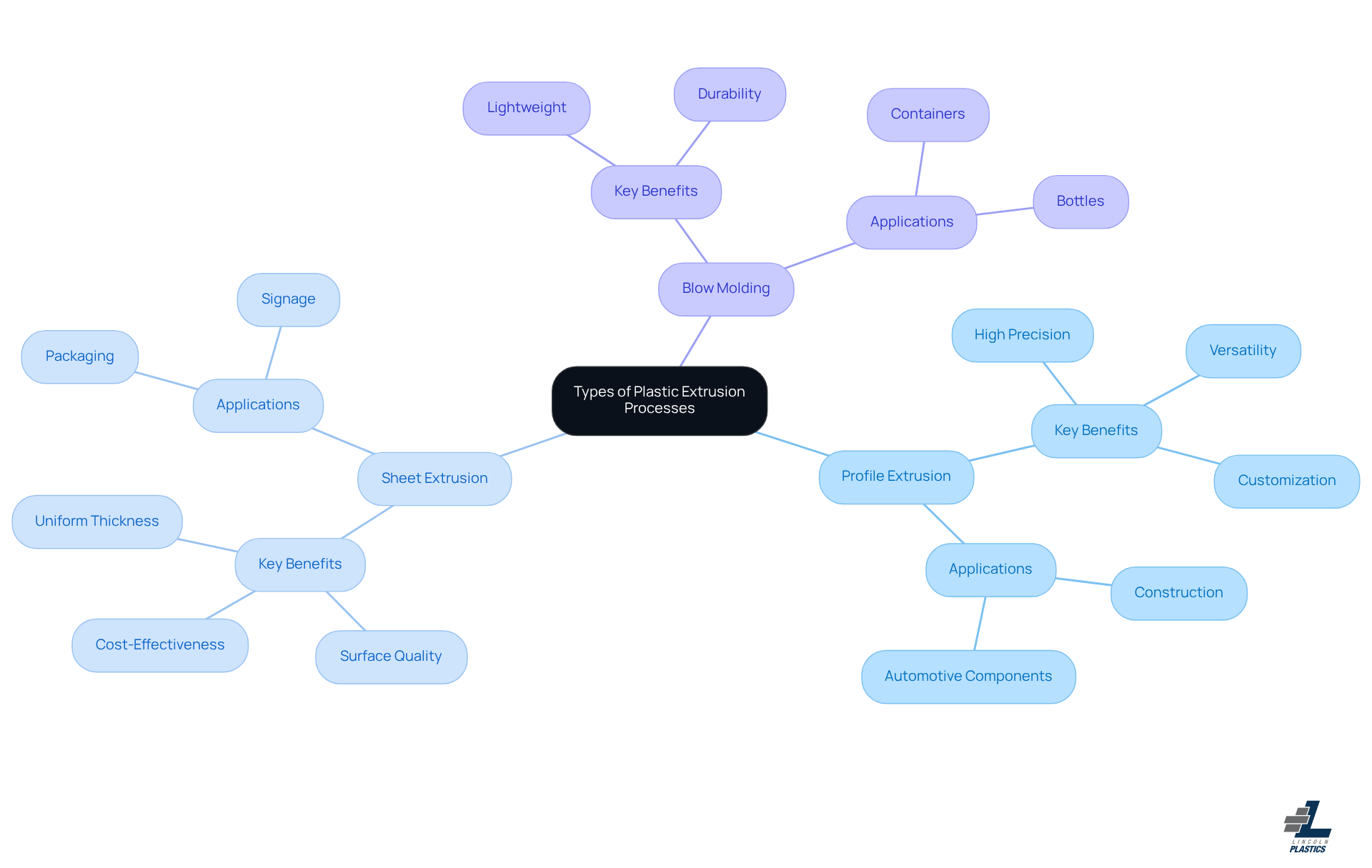
Step 5 is all about using different techniques tailored for specific projects and needs. Let’s dive into the main methods: profile shaping, sheet forming, and blow molding.
Now, let’s talk about profile shaping. This method is perfect for creating continuous shapes like pipes and tubes. It offers high precision and versatility, making it suitable for everything from construction to automotive components. Pretty handy, right?
Next up is sheet forming. This process produces flat sheets of plastic, which is essential when you need uniform thickness and surface quality. Industries like packaging and signage really benefit from this method due to its efficiency and cost-effectiveness. Who doesn’t love saving time and money?
Then we have blow molding. This technique is typically used for hollow objects, making it crucial for producing containers, bottles, and similar products. Its ability to create lightweight yet durable items makes it a go-to choice in the packaging sector. Isn’t it amazing how much we rely on these products every day?
Each shaping technique, such as the extrusion process, comes with its own set of benefits and drawbacks. For example, profile shaping offers customization and quick production, while blow molding shines in creating complex hollow forms. And guess what? Recent advancements in technology are boosting the efficiency and capabilities of extrusion processes, ensuring they keep up with the growing needs of various industries. So, which method do you think would work best for your next project?
Step 6: Select Appropriate Materials for Extrusion
Choosing the right materials for shaping is super important if you want to achieve the performance qualities you’re after in the final product. You might be familiar with some common materials like PVC. Each of these has its own unique traits, such as flexibility, strength, and chemical resistance, which you’ll want to consider based on your specific application.
Now, collaborating with material suppliers can really help OEM managers like you pinpoint the best options. At Lincoln Plastics, we love to make sure the materials chosen not only meet but also adhere to strict standards. Our robust quality system includes various types of check gauges and a specialized quality book tailored to your polymer profile. This ensures that the final products are suitable for those applications.
Plus, sourcing colors that match your Pantone specifications is a breeze for us, ensuring consistency across all manufacturers. So, let’s make sure you get the best materials for your projects!
Step 7: Identify Applications for Plastic Extrusion
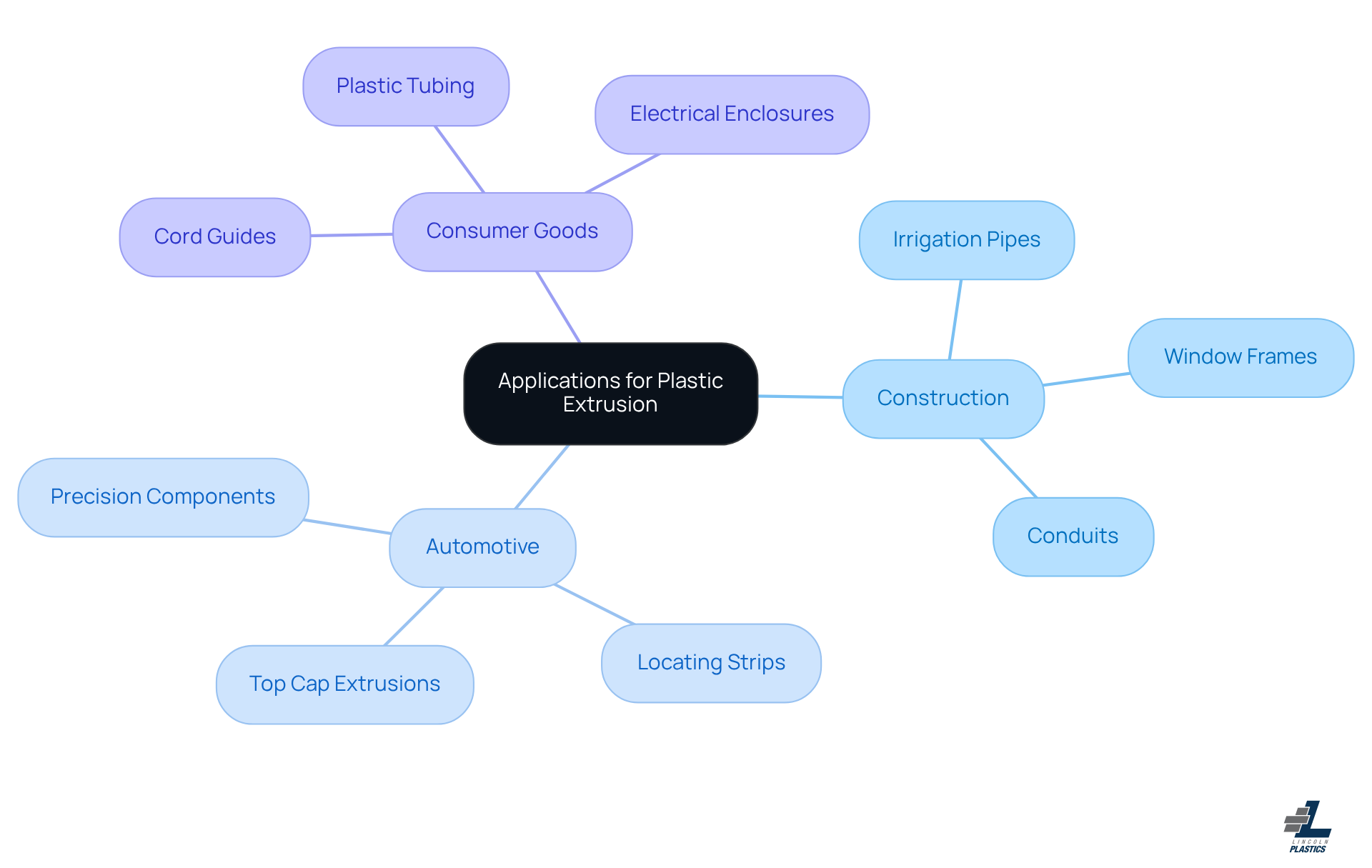
Plastic shaping is super important across different industries, especially in construction, automotive, and consumer goods. You see it everywhere—from irrigation pipes and window frames to conduits and components for electrical enclosures. Thanks to the advancements in technology, we can create both standard and custom products for our clients and their customers.
At Lincoln Plastics, we love working closely with our clients to make sure every product meets strict quality standards. We even have special checks for fit and function! Our quality system is robust, featuring comprehensive testing procedures. This ensures that products meet specifications and that the end-use fit is just right.
Now, let’s talk about the market! The plastic extrusion market is expected to grow significantly, with a compound annual growth rate (CAGR) of over 3.91% from 2025 to 2034. In construction, using synthetic materials boosts fluid transport efficiency and corrosion resistance. And in the automotive world, innovations really help improve assembly efficiency.
These trends show just how crucial plastic extrusion is for the success of OEM projects. The applications are essential for manufacturers aiming to adapt to changing market demands. So, what do you think? Isn’t it fascinating how plastic shaping impacts various industries?
Step 8: Understand Advantages of Plastic Extrusion
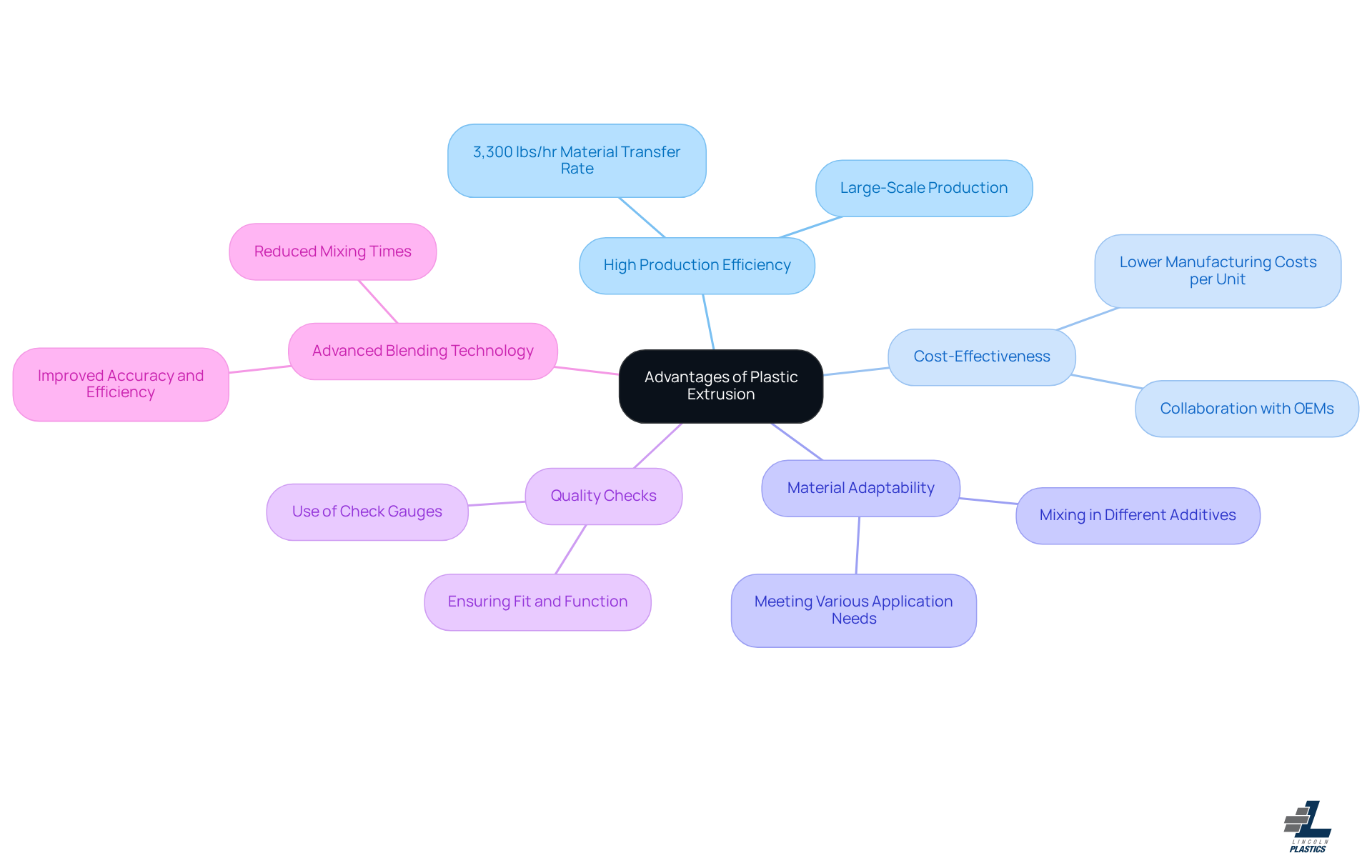
When it comes to plastic shaping, there are plenty of perks that really stand out—like flexibility and cost-effectiveness. This makes it a go-to option for manufacturers. The extrusion method is particularly great because it allows for large-scale production, which means lower manufacturing costs per unit. Take Lincoln Plastics, for example. They collaborate closely with OEMs to ensure their products hit all the specifications, including those important checks for ‘fit and function.’ This partnership is key to keeping everything accurate and on point during manufacturing.
Lincoln Plastics uses a variety of check gauges to make sure everything fits just right for its end use. Did you know that companies that adopt advanced molding techniques can achieve outputs of up to 3,300 lbs./hr.? That’s impressive and shows just how much potential there is for increased throughput.
Another cool thing about the materials used in shaping is their adaptability. This allows for different additives to be mixed in, which can boost the performance traits of the final products. Not only does this meet various application needs, but the enhancements also improve overall operational efficiency, making this a favorite across many industries.
As D’Jeri, a Plant Engineer, pointed out, the company really took their mixing process to the next level. It improved accuracy, efficiency, safety, and even reduced mixing times. This real-world example highlights how advancements can significantly enhance the efficiency of polymer shaping techniques. Plus, the company ensures that all products are produced to the specified critical dimensions thanks to their robust quality system.
Step 9: Recognize Limitations of Plastic Extrusion
Plastic extrusion is a fantastic manufacturing process, but it does have its quirks. For instance, there are limits to how complex the shapes can be and sometimes, materials just don’t play well together. Dr. Joseph Lawrence, a Senior Director and Research Professor at the University of Toledo, points out that if you’re aiming for intricate designs, you might need to think about extra processing steps or even to get the results you want.
Now, let’s talk about additional services. They offer a bunch of solutions, like:
- Laser etching
- Fitting insertion
- Co-extrusion
- Threading
- Specialized packaging
These services can really enhance the functionality and look of extruded items. But there’s more—item dimensions can vary due to temperature changes and material inconsistencies. Did you know that dimensional variations can hit up to 10%? That’s a big deal when it comes to how well an item fits and functions!
OEM managers need to consider these factors if they want to nail their project outcomes. You might be wondering about potential issues—this can sometimes lead to production delays. That’s why it’s crucial to understand these factors within the extrusion process. And don’t forget, Lincoln Plastics also offers protective solutions that help protect products during transport and storage, which can ease some of these challenges.

Conclusion
The plastic extrusion process is quite the operation, isn't it? It really requires us to pay attention to each step if we want to ensure quality outcomes. From picking the right materials to mastering the cooling and shaping techniques, every little detail plays a crucial role in delivering high-performance products that meet the unique needs of various industries. When OEM managers understand these essential steps, they not only optimize their production processes but also boost their ability to work hand-in-hand with custom extrusion providers like Lincoln Plastics.
So, what are the key takeaways? Well, it turns out that additives are super important for enhancing material properties. Plus, keeping a close eye on temperature during the melting process is critical, as is having well-designed molds to achieve those desired shapes. And let’s not forget—recognizing the limitations of plastic extrusion, like the challenges with complex shapes and material compatibility, is vital for steering clear of potential pitfalls in production.
Ultimately, the plastic extrusion process is a cornerstone of modern manufacturing. It offers a bunch of advantages, such as cost-effectiveness, efficiency, and the ability to adapt to various applications. As industries evolve, embracing these insights and best practices is essential for staying competitive and meeting the market's growing demands. So, why not engage with experts and leverage tailored solutions from experienced providers? This can really enhance your operational capabilities, ensuring that the journey from raw materials to finished products is as seamless and successful as possible.
Frequently Asked Questions
What does Lincoln Plastics specialize in?
Lincoln Plastics specializes in custom profile extrusion, particularly for products like center pivot irrigation pipes and cord covers, catering to small to midsize businesses.
What materials does Lincoln Plastics use for extrusion?
Lincoln Plastics uses a variety of materials for extrusion, including polyethylene, ridged PVC, flexible PVC, and polypropylene.
What is the importance of additives in the plastic extrusion process?
Additives enhance the characteristics of synthetic materials, impacting performance and longevity. Common additives include UV stabilizers, impact modifiers, flame retardants, and eco-friendly options.
How do UV stabilizers benefit plastic products?
UV stabilizers protect against sunlight degradation, ensuring that products maintain their mechanical properties and last longer, especially in outdoor applications.
What role does melting play in the plastic extrusion process?
Melting is a crucial step where plastic is heated until it becomes pliable for shaping. Proper temperature control during this process is essential to avoid defects like warping or air bubbles.
What can happen if the temperature is not controlled during melting?
If the temperature goes off track, the material can break down, leading to defects in the final product, such as warping or air bubbles, which can affect quality.
Why is it important to choose the right additives for plastic products?
Choosing the right additives is key to achieving specific performance traits in the final product, such as strength, durability, and compliance with safety standards, particularly in applications like medical products.
List of Sources
- Lincoln Plastics: Custom Profile Extrusion for Tailored Solutions
- imarcgroup.com (https://imarcgroup.com/aluminium-extrusion-market-statistics)
- precedenceresearch.com (https://precedenceresearch.com/extruded-plastics-market)
- Step 1: Additives for Enhanced Material Properties
- tsm-controls.com (https://tsm-controls.com/blog/case_studies/cherry-pipes-tsm-control-systems-a-partnership-in-sustainability)
- amiplastics.com (https://amiplastics.com/magazines)
- revpart.com (https://revpart.com/what-can-additives-do-for-plastics)
- ims-tex.com (https://ims-tex.com/plastic-additives-and-fillers-for-injection-molding)
- Plastics Technology | Helping Plastics Processors Do Things Better (https://ptonline.com)
- Step 2: Melt the Material for Shaping
- The Importance of Quality Control in Plastic Extrusion Manufacturing - Craftedplastics (https://craftedplastics.com/blog/the-importance-of-quality-control-in-plastic-extrusion-manufacturing)
- Step 3: Form the Mold for Desired Shapes
- siliconeplastics.com (https://siliconeplastics.com/post/plastic-extrusion-innovations)
- Step 4: Cool the Extruded Material for Stability
- southernheatcorp.com (https://southernheatcorp.com/water-to-air-a-cool-conversion-for-plastic-extruders)
- plasticstoday.com (https://plasticstoday.com/extrusion-pipe-profile/everything-you-ever-wanted-to-know-about-extrusion-cooling)
- interplasinsights.com (https://interplasinsights.com/plastics-industry-news/latest-plastics-industry-news/the-role-of-advanced-process-cooling-systems)
- Step 5: Explore Types of Plastic Extrusion Processes
- tsm-controls.com (https://tsm-controls.com/blog/case_studies)
- One moment, please... (https://plextrusions.com/extrusion-blog/the-extrusion-industry-in-2025-innovations-trends-and-opportunities)
- plasticextrusiontech.net (https://plasticextrusiontech.net)
- Plastic Extrusion Explained | Fictiv (https://fictiv.com/articles/plastic-extrusion-explained)
- Plastics Technology | Helping Plastics Processors Do Things Better (https://ptonline.com)
- Step 7: Identify Applications for Plastic Extrusion
- paulmurphyplastics.com (https://paulmurphyplastics.com/industry-news-blog/custom-plastic-extrusions-for-the-automotive-industry)
- precedenceresearch.com (https://precedenceresearch.com/extruded-plastics-market)
- Step 8: Understand Advantages of Plastic Extrusion
- tsm-controls.com (https://tsm-controls.com/blog/case_studies/powder-blending-with-material-handling-and-railcar-system-at-polysource)
- Step 9: Recognize Limitations of Plastic Extrusion
- 4spe.org (https://4spe.org/i4a/calendar/details.cfm?id=1152)
Related posts

Discover essential insights on selecting effective fire retardant for plastic to enhance safety and compliance.


Learn how to effectively choose a PVC co-extrusion mould manufacturer for your project needs.
Master crosshead extrusion with best practices for efficiency, quality, and supplier collaboration.
