
9 Essential Facts About Extrusion Moulding Plastic You Need to Know
Introduction
Extrusion moulding plastic is really making waves in modern manufacturing. It’s crucial for creating a wide range of products across different industries. As companies look for smarter and more cost-effective ways to ramp up production, getting a grip on this process is key. So, what challenges and opportunities does extrusion moulding plastic present? And how can manufacturers tap into its benefits to stay ahead of the game?
In this article, we’ll explore nine essential facts that shine a light on the importance of extrusion moulding. These insights can help businesses optimize their operations and spark innovation in a fast-changing market. Let’s dive in!
Lincoln Plastics: A Leader in Custom Profile Extrusion Molding
You know, Lincoln Plastics really shines in the game. They’re all about delivering that service that fits the unique needs of small to midsize companies. Specializing in products like center pivot irrigation pipes and innovative cord covers, they’ve built a solid reputation as a go-to partner in the industry.
Now, let’s talk about their certification. It’s a big deal! This certification ensures that all their products meet industry standards, which is super important in the competitive world of plastic manufacturing. Their commitment to quality and customization doesn’t just make Lincoln Plastics a market leader; it also helps them tackle the unique challenges that OEMs and other businesses face when they need tailored solutions.
And here’s something interesting: recent trends show a growing demand for sustainable materials. This really highlights how crucial that is for maintaining consistent quality and operational efficiency in manufacturing processes. So, if you’re in the market for custom extrusion solutions, Lincoln Plastics might just be the partner you need!
Understanding the Extrusion Molding Process: How It Works
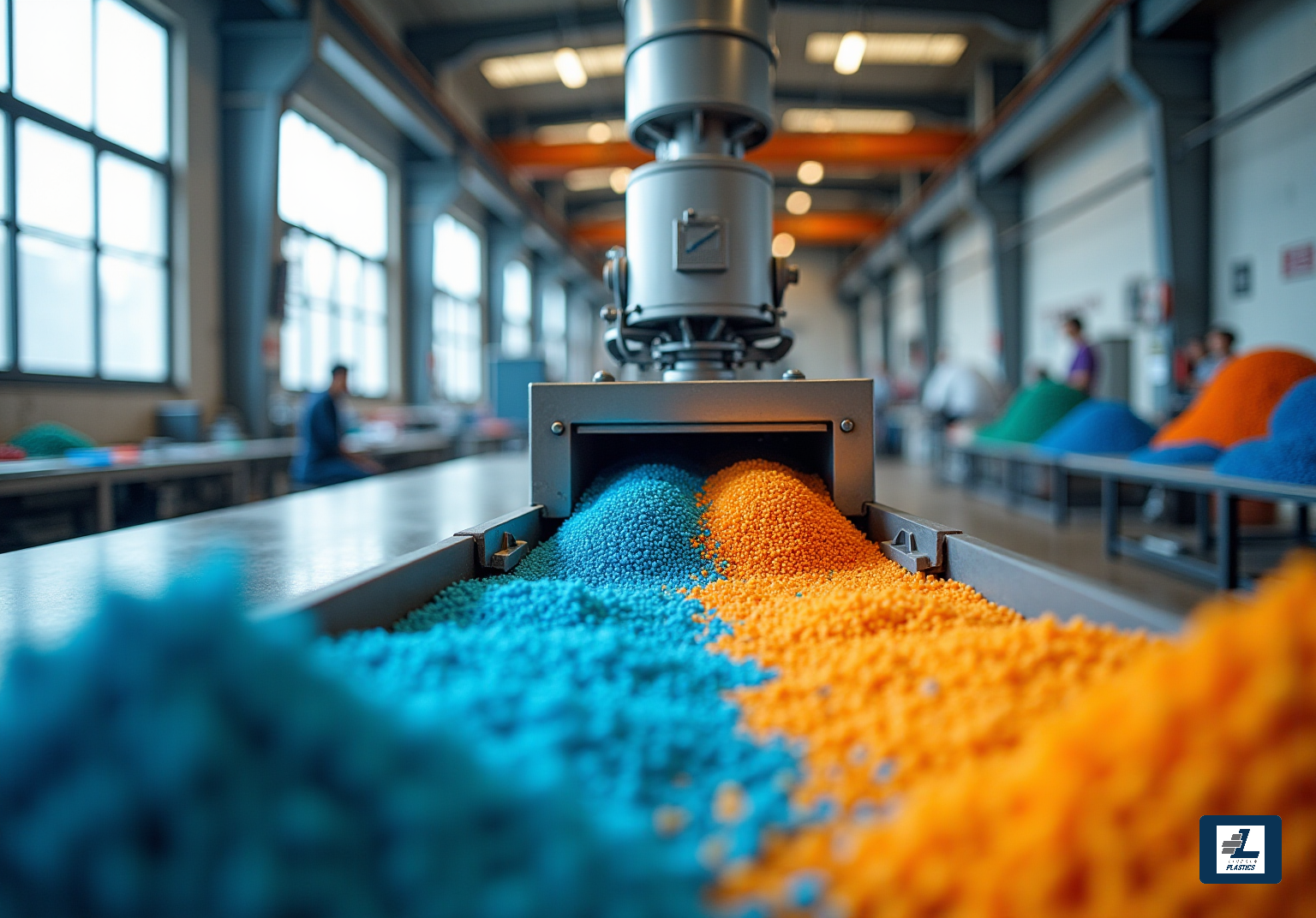
is a pretty cool process that turns plastic into long, uniform shapes. It all starts with raw plastic pellets that get fed into an extruder. There, they’re heated up until they’re nice and pliable. Sometimes, manufacturers mix in additives to boost the properties of the plastic. Once it’s molten, the plastic is forced through a die, shaping it into whatever profile is needed. After that, it cools down and gets cut to the right lengths. This method of using extrusion is a game-changer for applications like pipes, tubes, and profiles. It’s no wonder manufacturers love it for its efficiency and consistency!
Since 1948, Lincoln Plastics has been leading the way in OEM irrigation solutions and cable management. They’ve been using technology to optimize order sizes and production efficiency. And guess what? Recent advancements in extrusion have made this process even better! For instance, with the new gauge control systems, manufacturers can monitor and adjust parameters during production. This means less waste and better product quality. Plus, continuous manufacturing speeds up production times and helps with sustainability by cutting down on excess material. Did you know that the minimum specific energy consumption to shape a polymer is about 0.10 hp.hr/lb? That really shows how efficient modern shaping processes can be. Real-world applications, like making profiles and components, highlight just how effective this method is for meeting various industry needs.
Experts in the field point out that moulding plastic brings some serious advantages, like cost-effectiveness. As Seaholm, a leader in the trade association, puts it, "With advocacy, communication, and sustainability as three main pillars, we are more active today than we have ever been." By tapping into these advancements, Lincoln Plastics helps manufacturers reach higher quality standards while staying competitive in the market.

Key Materials Used in Extrusion Molding: What You Should Know
When it comes to shaping processes, thermoplastics like polyethylene, polypropylene, and polyvinyl chloride are the go-to materials. Each one has its own perks! PE is known for its flexibility and strong chemical resistance, making it perfect for all sorts of applications. Then there's PP, which shines with its lightweight nature and excellent fatigue resistance - great for those tough environments. And let’s not forget PVC, a favorite for its durability and versatility, catering to a wide range of industrial needs.
Now, let’s talk about Lincoln Plastics. They specialize in crafting both custom profiles, including designs that can be tailored just for you. Plus, they offer color blending, which means you can integrate multiple colors into a single profile. How cool is that? It not only boosts functionality but also adds a nice aesthetic touch.
But wait, there’s more! The rise of thermoplastic elastomers is significantly transforming the industry. TPEs blend the best of rubber and plastic, giving you flexibility and resilience - key ingredients for innovative designs. And with bio-based plastics gaining traction, manufacturers are stepping up their game to find sustainable alternatives. This shift not only meets the growing consumer demand for eco-friendly products but also opens up exciting new avenues for creativity in design and functionality.
However, it’s important to keep in mind that while extrusion molding has its advantages, it also comes with challenges. Think material compatibility. So, understanding these materials and their implications is crucial for manufacturers. It helps in picking the best options for specific applications, especially when considering the quality standards and dedicated quality plans that Lincoln Plastics offers.

Advantages of Extrusion Molding: Why Choose This Method?
has a lot going for it, especially when you think about cost-effectiveness, efficiency, and versatility. Imagine a process that keeps churning out products continuously, cutting down waste by as much as 30% compared to traditional methods. That’s not just good for the environment; it also means higher quality and better profits for producers.
Take Lincoln Plastics, for example. They’ve been shaping the industry since 1948, and they really know how to deliver custom profiles and cable management. They make sure their shaping processes hit the highest quality and compliance standards.
Now, why is extrusion so great? Well, it’s fantastic at creating complex shapes. Think about pipes and window frames - applications that really need that uniformity. You’ll find common items like plastic tubing popping up everywhere, showcasing just how versatile this method is.
And here’s something cool: the ability to create multi-layered products means you can create multi-functional items or just a more appealing look. But, a quick heads-up - not all plastics can be extruded, which might limit your material choices for certain projects.
These advantages make extrusion molding a popular choice, from construction to consumer products. As industry specialists often say, "The efficiency and versatility make it a preferred option for producers aiming to enhance production while preserving quality." So, if you’re looking to boost your production game, extrusion molding might just be the way to go!

Disadvantages of Extrusion Molding: What to Consider
While extrusion moulding processes have their perks, they come with a few hiccups too. For starters, creating intricate shapes can be a bit tricky; this method works best for components that have uniform cross-sections. Plus, there’s the issue of die swell in extrusion, where the material expands after leaving the die, which can mess with production. And let’s not forget about the costs - they can be pretty steep, which might put off smaller manufacturers.
Now, here at Lincoln Plastics, we’re all about customer satisfaction. We offer expert guidance on design optimization, making sure your designs are optimized for manufacturing. Our team is ready to assist you in selecting the right materials based on your specific application needs. We provide resources and can connect you with material experts who know their stuff.
Understanding these drawbacks is crucial for businesses like yours to weigh your options effectively. And with our inventory management solutions, we can help you keep your inventory levels in check, ensuring you stay within your required min-max ranges. So, why not reach out and see how we can support you?

Applications of Extrusion Molding: Where It Is Used
The process is a pretty versatile manufacturing technique, right? You see it popping up in all sorts of industries, and it’s impressive how adaptable and efficient it can be. Take the construction sector, for example. It’s often used to create pipes, plus window frames and weather stripping. These components are crucial for energy efficiency, don’t you think?
What’s really cool is that extrusion processes can produce components ranging from 100 to 1000 feet in length! That’s some serious capacity for large-scale production. Lincoln Plastics has been a leader in custom profile extrusion and manufacturing since 1948. They really show how this process can create components and irrigation systems.
Now, let’s talk about the automotive industry. Extruded components are vital here too, enhancing vehicle performance and aesthetics. Think about it: they’re used in everything from interior and exterior trim to seals and insulation materials. With the growing trend towards lightweight materials, producers are really focusing on innovation while keeping weight down.
And here’s something to consider: shaping processes also allow for complex designs. This aligns perfectly with sustainability goals and cost-saving strategies. As industries keep evolving, the role of extrusion molding is becoming even more critical in meeting the demands of modern manufacturing. With Lincoln Plastics leading the way, we can expect quality and customized solutions to keep coming our way!

Extrusion Molding vs. Injection Molding: Key Differences
Let’s dive into the world of manufacturing processes! You might be wondering about the differences between extrusion molding and injection molding. Well, each has its own unique perks that cater to specific needs. For instance, at Lincoln Plastics, the process of extrusion molding shines when it comes to producing long, continuous forms like pipes and profiles. This makes it a go-to choice in industries such as construction and packaging. Plus, the tooling costs are generally lower, which is great for the production of simpler shapes.
Now, here’s where Lincoln Plastics really steps up: they offer expert guidance on material selection. This means that when you’re looking for custom profiles or cable management, you can trust that they’ll meet your requirements.
On the flip side, injection molding is where the magic happens for creating complex, detailed components. It allows for greater design flexibility and tighter tolerances, making it perfect for intricate parts used in automotive and medical devices. While injection molding is efficient for longer productions, it can complete cycles in as little as 30 seconds! That’s why it’s ideal for high-volume needs.
Understanding these differences is crucial for manufacturers. It helps you choose the right method based on your specific production needs and design requirements. As Ronan Ye, a rapid prototyping specialist, puts it, "The injection molding process is compatible with a wide range of plastic materials, including thermoplastics like polyethylene and polypropylene." This really highlights the versatility of injection molding across various applications.
And don’t forget, Lincoln Plastics also offers project management services. This means you’ll get tailored support throughout your projects, making the whole process smoother and more efficient.

Technological Advancements in Extrusion Molding: What’s New?
The molding sector is going through some exciting changes, thanks to innovations that really boost efficiency and product quality. Have you noticed how Industry 4.0 technologies, like automation and real-time monitoring, are shaking things up? They’re transforming the shaping process in ways we couldn’t have imagined before. For instance, advancements are cutting down on downtime and optimizing production schedules. This means manufacturers can increase output, which is pretty crucial, right?
Now, let’s talk about die design. Recent advancements are allowing the use of lightweight polymers and composite materials. Not only do these materials enhance performance, but they also align with sustainability goals. Take Lincoln Plastics, for example. They’ve been a leader in custom profile extrusion molding since 1948 and are at the forefront of these advancements. Their tailored solutions, like the innovative cable management systems, help organize desks, furniture, and equipment to boost workplace productivity while eliminating cord hazards. How cool is that?
As more companies jump on the bandwagon, the focus on technological innovation is becoming super important. Industry leaders are saying that the future of shaping processes hinges on these advancements. So, it’s essential for manufacturers to stay informed and adapt to these evolving technologies to keep that competitive edge. If you’re looking to enhance your operations, consider how Lincoln Plastics’ commitment to quality assurance and customization in their products can help you hit your production goals.

Sustainable Practices in Extrusion Molding: Going Green
Sustainable practices in extrusion molding are becoming a big deal in the industry, right? Producers are stepping up their game by using recycled materials, optimizing energy use, and reducing waste during production. For instance, innovations like advanced blending techniques let us blend recycled and virgin materials, making products more sustainable without skimping on quality.
Now, let’s talk about closed-loop systems. Many companies are adopting these systems to improve efficiency and boost sustainability. By embracing these practices, the industry isn’t just reducing its environmental footprint; it’s also meeting the growing demand for eco-friendly products. Isn’t that something we can all get behind?

The Importance of Extrusion Molding in Modern Manufacturing
is a significant process in modern manufacturing, and it’s essential for producing all sorts of products. This process really shines when it comes to creating plastic components, which is super important for industries like construction, automotive, and consumer goods. You know, the shaping market has been growing quite a bit lately, thanks to its efficiency and cost-effectiveness. This means producers can meet demand without skimping on quality. Plus, the ability to reuse leftover plastic during manufacturing not only cuts down on waste but also saves money, making the shaping process even more appealing.
Now, let’s talk about the industries that rely heavily on extrusion molding. Take automotive, for instance, where parts like nylon tubes and locating strips are made to meet strict standards. And in construction, materials like extruded polystyrene provide insulation. As technologies keep evolving, the flexibility of the shaping process ensures it stays relevant, allowing producers to innovate and adapt to changing market needs. Industry leaders really get how crucial this process is, highlighting its role in producing products efficiently and sustainably. It’s clear that extrusion molding is a vital technique in today’s production landscape.

Conclusion
Extrusion moulding plastic plays a key role in manufacturing, right? It’s all about creating those uniform, long shapes efficiently. This method not only supports high-volume production but also highlights the importance of quality and customization. Just look at industry leaders like Lincoln Plastics! Their dedication to tailored solutions and commitment to ISO 9001 standards really shows how crucial quality assurance is for staying competitive.
Now, throughout this article, we’ve explored various aspects of extrusion moulding. We’ve looked at the process, the materials, and even the pros and cons. One thing that stands out is that while extrusion is cost-effective and versatile, it does come with its own set of challenges - like those high initial setup costs and the struggle to produce intricate shapes. Plus, with the growing demand for sustainable practices and tech advancements, the extrusion moulding industry is definitely dynamic.
So, why does understanding extrusion moulding plastic matter for manufacturers? Well, it’s essential for those looking to innovate and optimize production. As industries evolve, embracing these advancements and sustainable practices can really boost operational efficiency and meet the rising consumer demand for eco-friendly products. Engaging with experts like Lincoln Plastics can help businesses tap into the full potential of extrusion moulding, keeping them ahead in modern manufacturing.
Frequently Asked Questions
What does Lincoln Plastics specialize in?
Lincoln Plastics specializes in custom profile extrusion molding, delivering tailored solutions for small to midsize companies, particularly in high-quality plastic components like center pivot irrigation pipes and innovative cord covers.
What is the significance of Lincoln Plastics' ISO 9001 certification?
The ISO 9001 certification ensures that all products from Lincoln Plastics meet strict quality standards, which is crucial in the competitive plastic manufacturing industry and helps them address the unique challenges faced by OEMs and other businesses.
How does the extrusion molding process work?
The extrusion molding process begins with raw plastic pellets being fed into an extruder, where they are heated until pliable. The molten plastic is then forced through a die to create the desired shape, cooled, and cut to the required lengths.
What are the advantages of using extrusion molding for production?
Extrusion molding is efficient and consistent, allowing for high-volume production of items like pipes, tubes, and custom profiles. Recent advancements have improved production efficiency, reduced waste, and enhanced product quality.
What types of materials are commonly used in extrusion molding?
Common materials include thermoplastics like polyethylene (PE), polypropylene (PP), and polyvinyl chloride (PVC), each with unique properties that suit various applications.
What are the benefits of using advanced materials in extrusion molding?
Advanced materials, such as thermoplastic elastomers (TPE) and bio-based plastics, offer improved flexibility, resilience, and sustainability, catering to the growing demand for eco-friendly products and innovative designs.
What challenges are associated with extrusion molding?
Challenges include high initial setup costs and limitations in product complexity. Understanding the materials and their implications is essential for manufacturers to choose the best options for specific applications.
How does Lincoln Plastics enhance its product offerings?
Lincoln Plastics offers both custom and standard round plastic profiles, co-extrusion solutions for integrating multiple colors into a single profile, and dedicated quality plans to ensure high standards in production.
List of Sources
- Lincoln Plastics: A Leader in Custom Profile Extrusion Molding
- qmsuk.com (https://qmsuk.com/news/the-importance-of-compliance-in-manufacturing)
- 5 Steps to Evaluate Reliable Extrusion Suppliers for Your Needs (https://lincoln-plastics.com/news-post/5-steps-to-evaluate-reliable-extrusion-suppliers-for-your-needs)
- Tariffs, policy shifts weigh on extrusion machinery outlook (https://plasticsnews.com/suppliers/machinery/pn-extrusion-outlook-2025)
- Extrusion Machinery Market Size, Share & Analysis Report 2032 (https://snsinsider.com/reports/extrusion-machinery-market-6831)
- North America Plastic Extrusion Market Report: Size, Growth, Trends & Forecast (2025–2033) (https://verifiedmarketresearch.com/product/north-america-plastic-extrusion-market)
- Understanding the Extrusion Molding Process: How It Works
- Overcoming Challenges and Misconceptions of Extrusion - Alexandria Industries (https://alexandriaindustries.com/industry-news/overcoming-challenges-misconceptions-extrusion)
- tsm-controls.com (https://tsm-controls.com/blog/case_studies/driving-growth-and-efficiency-how-bolsas-de-los-altos-leveraged-tsm-technology)
- Plastics Processing recent news | Plastics Today (https://plasticstoday.com/plastics-processing)
- How to Collect & Interpret Process Data in Extrusion (https://ptonline.com/articles/how-to-collect-interpret-process-data-in-extrusion-part-1(2))
- renoirgroup.com (https://renoirgroup.com/case_studies/plastics/redefining-success-in-plastic-film-manufacturing-a-strategic-approach-to-achieving-competitive-advantage)
- Key Materials Used in Extrusion Molding: What You Should Know
- plasticsnews.com (https://plasticsnews.com/news/weber-extrusion-tackles-wear-recyclates)
- xometry.com (https://xometry.com/resources/extrusion/extrusion-molding)
- Plastic Extrusion Explained | Fictiv (https://fictiv.com/articles/plastic-extrusion-explained)
- Choosing Materials for Plastic Extrusion - PET (https://plasticextrusiontech.net/choosing-the-right-materials-for-plastic-extrusion)
- Advantages of Extrusion Molding: Why Choose This Method?
- tsm-controls.com (https://tsm-controls.com/blog/case_studies/streamlining-production-at-polykemis-new-u-s-facility)
- unionfab.com (https://unionfab.com/blog/2024/11/extrusion-vs-injection-molding)
- lonestarchemical.com (https://lonestarchemical.com/extrusion-molding-of-plastic-resins)
- pexco.com (https://pexco.com/custom-plastic-extrusion-basics-benefits-and-future-explained)
- 2026 Aluminum Extrusion Trends & Outlook | Profile Precision Extrusions (https://profileprecisionextrusions.com/2026-outlook-innovations-and-trends-shaping-the-future-of-aluminum-extrusions)
- Disadvantages of Extrusion Molding: What to Consider
- Tariffs, policy shifts weigh on extrusion machinery outlook (https://plasticsnews.com/suppliers/machinery/pn-extrusion-outlook-2025)
- lonestarchemical.com (https://lonestarchemical.com/extrusion-molding-of-plastic-resins)
- tsm-controls.com (https://tsm-controls.com/blog/case_studies/streamlining-production-at-polykemis-new-u-s-facility)
- moldall.com (https://moldall.com/injection-molding-vs-extrusion-2)
- tandfonline.com (https://tandfonline.com/doi/pdf/10.1080/03602558808070103?needAccess=true)
- Applications of Extrusion Molding: Where It Is Used
- xometry.com (https://xometry.com/resources/extrusion/extrusion-molding)
- plasticsnews.com (https://plasticsnews.com/news/weber-extrusion-tackles-wear-recyclates)
- 2026 Aluminum Extrusion Trends & Outlook | Profile Precision Extrusions (https://profileprecisionextrusions.com/2026-outlook-innovations-and-trends-shaping-the-future-of-aluminum-extrusions)
- 3erp.com (https://3erp.com/case-study)
- Extrusion Molding vs. Injection Molding: Key Differences
- plasticstoday.com (https://plasticstoday.com/industry-trends/plastics-processing-machinery-shipments-drop-by-double-digits)
- 3erp.com (https://3erp.com/blog/injection-molding-vs-extrusion-differences-and-comparison)
- unionfab.com (https://unionfab.com/blog/2024/11/extrusion-vs-injection-molding)
- xometry.com (https://xometry.com/resources/injection-molding/injection-molding-vs.-extrusion)
- Technological Advancements in Extrusion Molding: What’s New?
- tsm-controls.com (https://tsm-controls.com/blog/case_studies/driving-growth-and-efficiency-how-bolsas-de-los-altos-leveraged-tsm-technology)
- The Extrusion Industry in 2025: Innovations, Trends, and Opportunities (https://plextrusions.com/extrusion-blog/the-extrusion-industry-in-2025-innovations-trends-and-opportunities)
- jurryextrusion.com (https://jurryextrusion.com/blog/extrusion-die-head-tech-trends-2025)
- weforum.org (https://weforum.org/stories/2016/01/9-quotes-that-sum-up-the-fourth-industrial-revolution)
- Sustainable Practices in Extrusion Molding: Going Green
- virgio.com (https://virgio.com/blogs/news/50-recycling-and-sustainability-quotes-lifestyle-fashion)
- earth.org (https://earth.org/plastic-pollution-quotes)
- 12 Recycling and Sustainability Quotes to Inspire Kindness to our Earth (https://harmony1.com/recycling-sustainability-quotes)
- techsciresearch.com (https://techsciresearch.com/report/extrusion-molding-plastics-market/14445.html)
- plasticsindustry.org (https://plasticsindustry.org/blog/the-u-s-plastics-industry-in-2024-seven-key-charts)
- The Importance of Extrusion Molding in Modern Manufacturing
- xometry.com (https://xometry.com/resources/extrusion/extrusion-molding)
- netnewsledger.com (https://netnewsledger.com/2025/01/14/how-plastic-profile-extrusion-is-shaping-modern-manufacturing)
- Exploring Modern Applications of Plastic Extrusion (https://paulmurphyplastics.com/industry-news-blog/exploring-modern-applications-of-plastic-extrusion)
- plasticmouldingsnorthern.co.uk (https://plasticmouldingsnorthern.co.uk/case_studies/types-of-plastic-moulding)
Related posts

Why Custom Pipe Extrusion Matters More Than Ever
Standard pipe sizes don’t always work. Learn how Lincoln Plastics delivers custom diameters, wall thicknesses, and finishes in right-sized runs.


Reducing Trip Hazards with Custom Cord Management
Loose cords are more than messy — they’re a safety hazard. Lincoln Plastics’ custom cord covers and Flexiduct solutions improve safety and efficiency.
The Power of Custom Plastic Profiles for OEMs
Off-the-shelf profiles force compromises. Learn how Lincoln Plastics designs custom extruded profiles for OEMs with exact specs and right-sized runs.
