

5 Steps to Choose the Right Manufacturer of Plastic Products
Introduction
Choosing the right manufacturer for plastic products can really make or break your project. But let’s be honest - many people overlook just how complex this selection process can be. So, what’s the deal? This guide is here to walk you through some essential steps to help you make a well-informed decision. We’ll cover everything from figuring out your specific product needs to evaluating what manufacturers can actually do and how to communicate effectively with them.
Now, as the stakes get higher in this competitive market, you might be wondering: how do you sift through all these options? How do you find a partner who not only hits your production goals but also aligns with your quality standards and keeps things running smoothly? Let’s dive in!
Identify Your Specific Plastic Product Needs
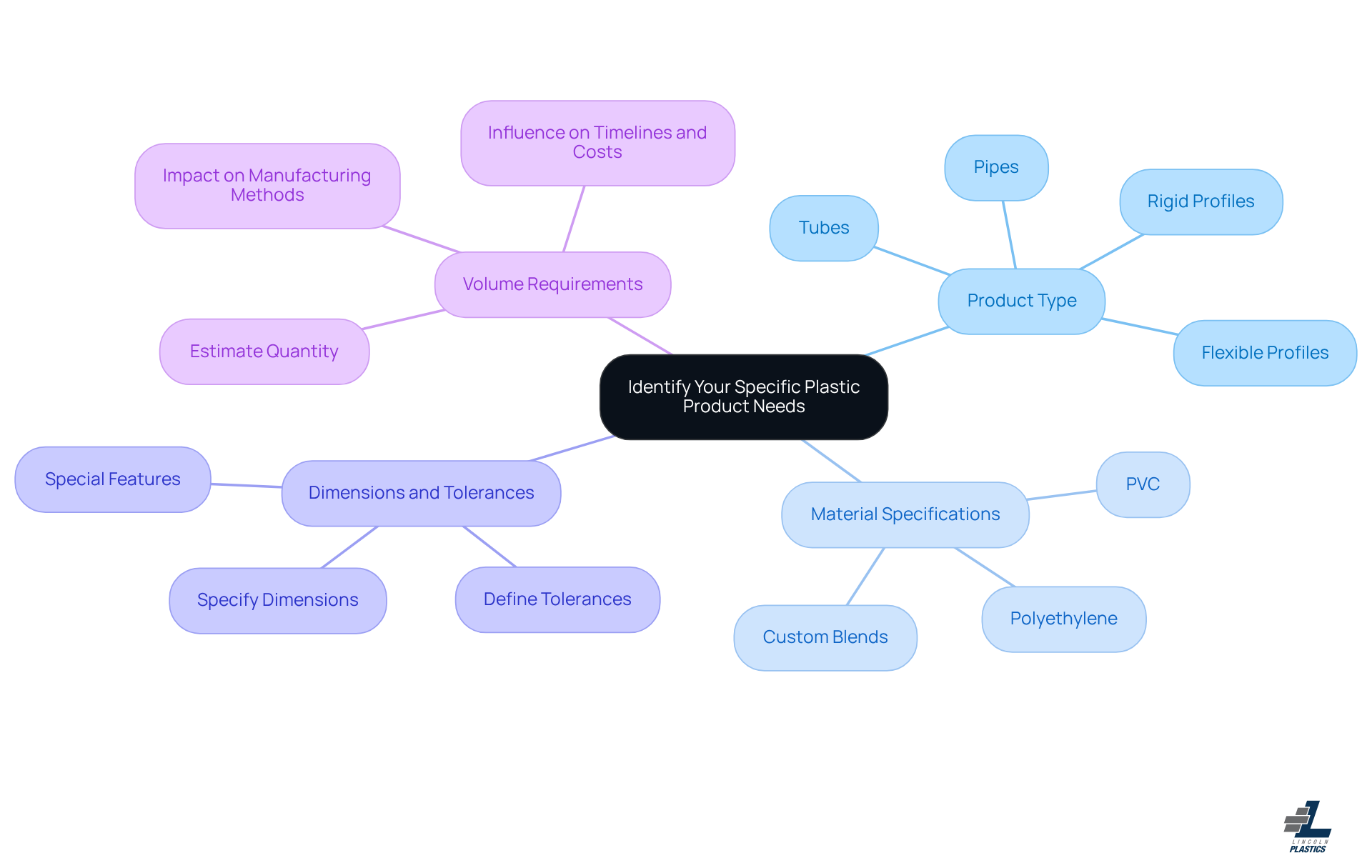
Let’s kick things off by figuring out exactly what kind of plastic items you need. It’s super important to get this right, so here are a few things to think about:
- Product Type: Are you looking for containers, components, or products? Each of these has its own manufacturing quirks and uses, which can really influence who you choose as your manufacturer.
- Material: What materials do you need? Think about options like PVC, polyethylene, or maybe even some custom blends. The material you pick can really change how the product performs and how well your final product performs.
- Specifications: Make sure to clearly lay out the dimensions, tolerances, and any special features your item needs. This info is crucial for the manufacturer of plastic products to understand what they can do and to ensure that everything is made accurately.
- Quantity: How many items are you thinking of? Estimating the quantity will help shape the production schedules, timelines, and costs involved.
By putting together a solid list of your product specs, you’ll be in a great position to chat with potential suppliers. This way, you can make sure they can meet your needs and help boost your business.
Evaluate Manufacturer Capabilities and Offerings
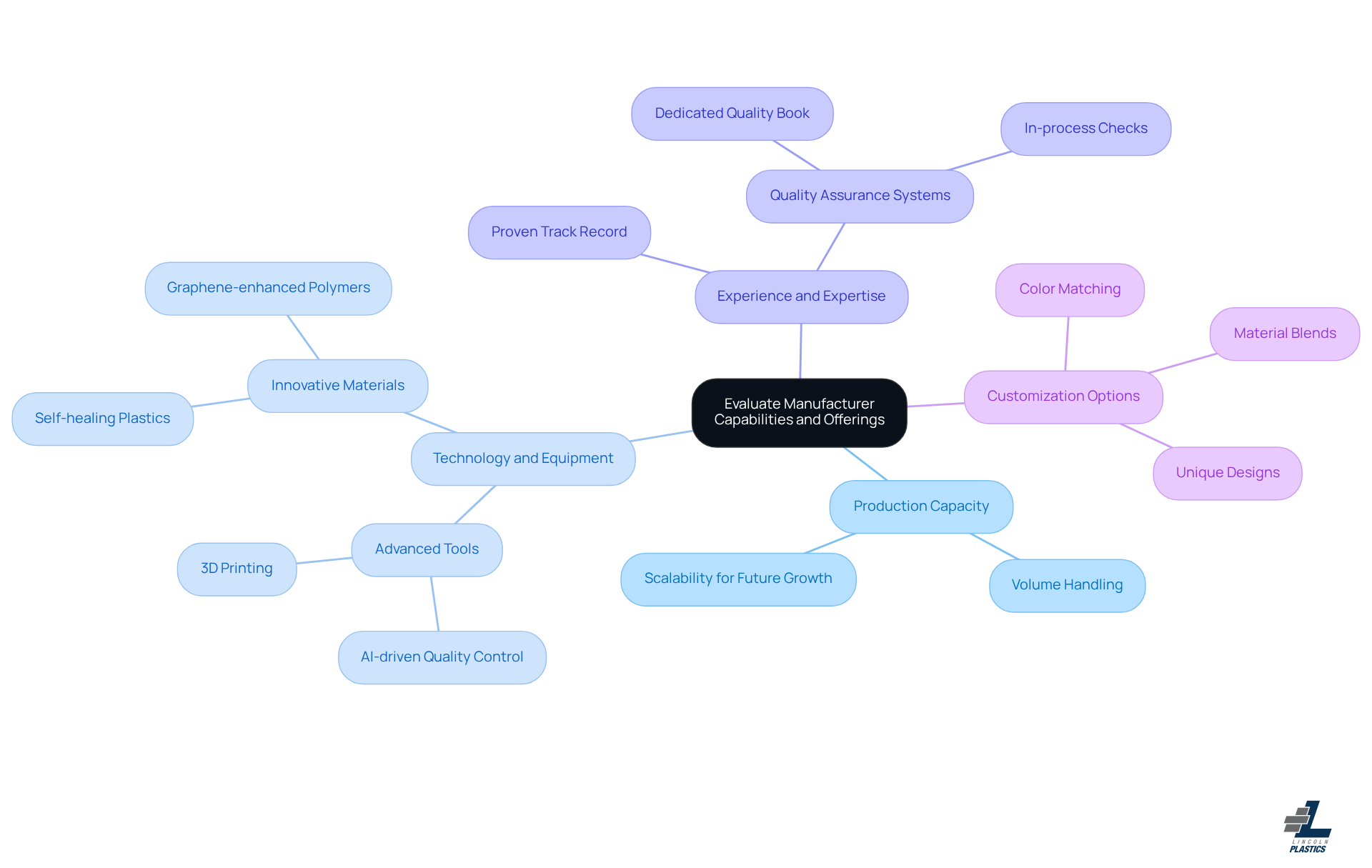
When you're on the hunt for the right manufacturer, there are a few key things to keep in mind to make sure they fit your needs perfectly:
- Volume Capacity: First off, can they handle the volume you need? If you're thinking about ramping up production later, it's crucial to find a manufacturer who can grow with you. A solid producer will help you expand without dropping the ball on quality or timelines.
- Technology and Equipment: Next, take a look at the tech and machinery they use. Advanced technology can really boost product quality and efficiency. For example, some manufacturers are leading the charge in innovation, offering top-notch performance and sustainability.
- Experience and Expertise: It’s also important to partner with manufacturers who have a strong track record. Their experience can significantly influence the quality and reliability of what you end up with. Take Lincoln Plastics, for instance. They work closely with OEMs to ensure everything meets the necessary standards, including specific checks for ‘fit and function’. Their robust quality assurance features a detailed process, complete with drawings and critical in-process checks, ensuring everything is precise and compliant.
- Customization Options: Lastly, make sure they can cater to your specific requirements, whether it’s color, material blends, or unique designs. Lincoln Plastics can easily match colors to your Pantone specifications, ensuring consistency across all your products. This attention to detail is essential.
By keeping these factors in mind, you’ll be well on your way to finding a manufacturer that not only meets your production goals but also boosts your operational efficiency.
Assess Quality Assurance and Certifications
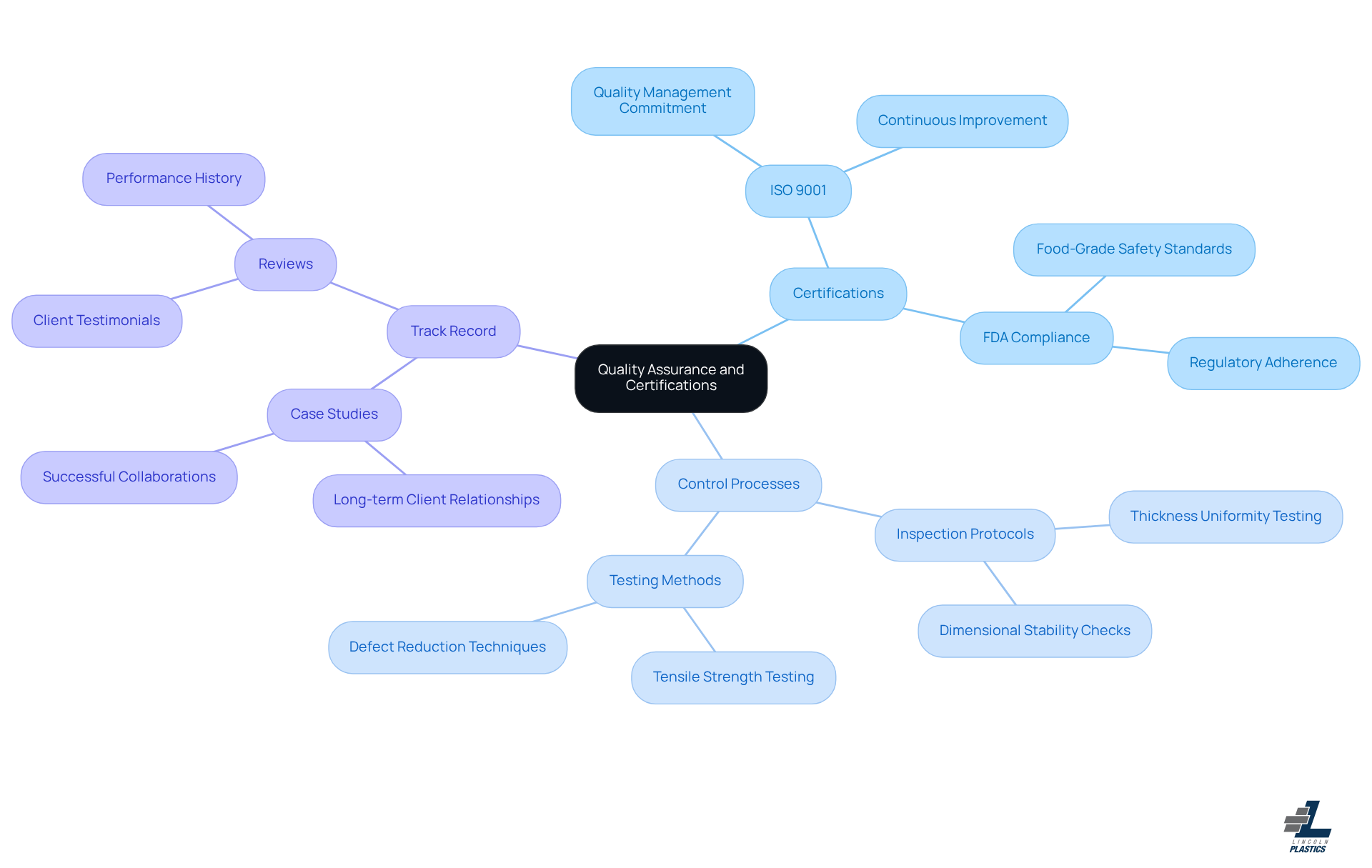
When choosing a manufacturer, quality assurance is a significant consideration. Let’s break down a few key things to keep in mind:
- Certifications: First off, check for important certifications like ISO 9001. This one shows that the manufacturer is committed to quality. Take Talisman Group, a well-known company, for example - they're ISO certified, which means they stick to strict standards at every stage of production. This really boosts product reliability. And if you’re dealing with food packaging, FDA compliance is a must to ensure safety and meet regulations.
- Assurance Measures: Next, let’s talk about quality assurance measures. You want to ensure that the manufacturer has solid assurance measures in place, such as quality control protocols. Good practices often mean rigorous testing for things like thickness uniformity, tensile strength, and dimensional stability. Manufacturers of plastic products, such as those which hold certification, usually have organized methods to keep production in check, reducing defects and ensuring consistent quality. For instance, Talisman Group emphasizes that they incorporate quality assurance of standards into every molded part they create.
- Track Record: Now, don’t forget to look at the manufacturer’s track record. Reviews or case studies can really show how well they maintain standards over time. The manufacturer works with international clients for both global shipping and domestic distribution, proving their reliability and commitment to excellence. Plus, they collaborate with clients from the get-go, helping to create specifications and ensuring the final products meet all the necessary standards. A strong track record not only shows the manufacturer’s dedication but also instills confidence in their ability to deliver dependable products.
By making sure your manufacturer has solid quality assurance practices, you can really cut down on defects and boost the reliability of your products. So, what are you waiting for? Dive into your search with these tips in mind!
Establish Communication and Support Channels
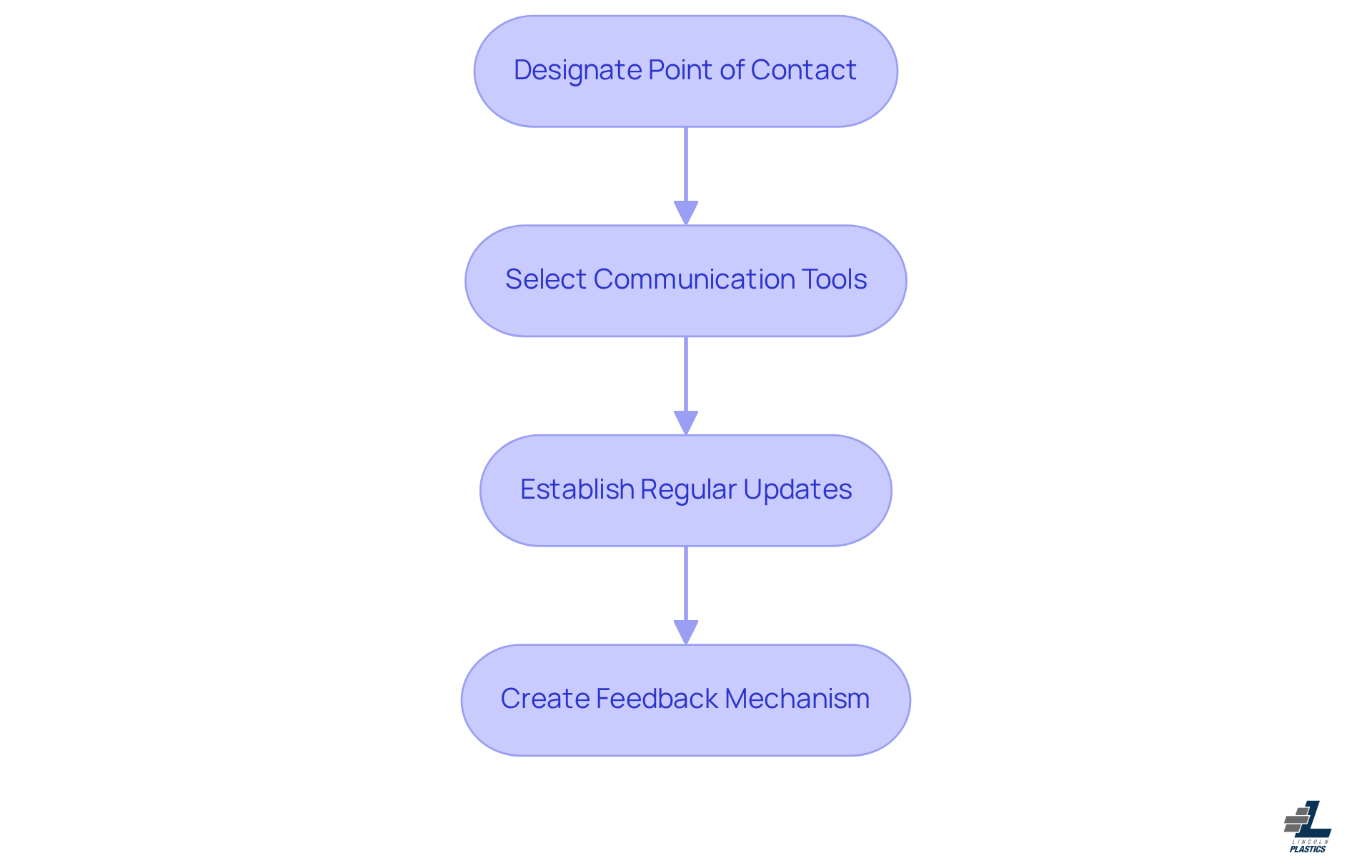
Effective communication is key to building relationships with a manufacturer. So, how can you optimize collaboration? Let’s break it down with a few simple steps:
- Point of Contact: First off, designate a representative within the manufacturing company. This person should really know your project inside and out. They’ll be your go-to liaison, making sure your needs are understood and addressed quickly.
- Communication Methods: Next, let’s talk about communication methods. It’s important to discuss and agree on how you’ll stay in touch-whether that’s through email, phone calls, or project management tools. Picking the right tools can really speed up updates and feedback, making everything clearer.
- Status Updates: Now, establish a routine for updates on manufacturing status, progress, and timelines. This proactive approach keeps everyone in the loop and reduces the chances of misunderstandings.
- Feedback Process: Lastly, create a structured process for giving feedback on prototypes and initial production runs. This way, you can make adjustments before diving into full-scale manufacturing, ensuring the final product meets your expectations.
By putting these best practices into action, you’ll foster a collaboration that not only boosts efficiency but also strengthens your partnership with your manufacturer. So, why not give it a try?
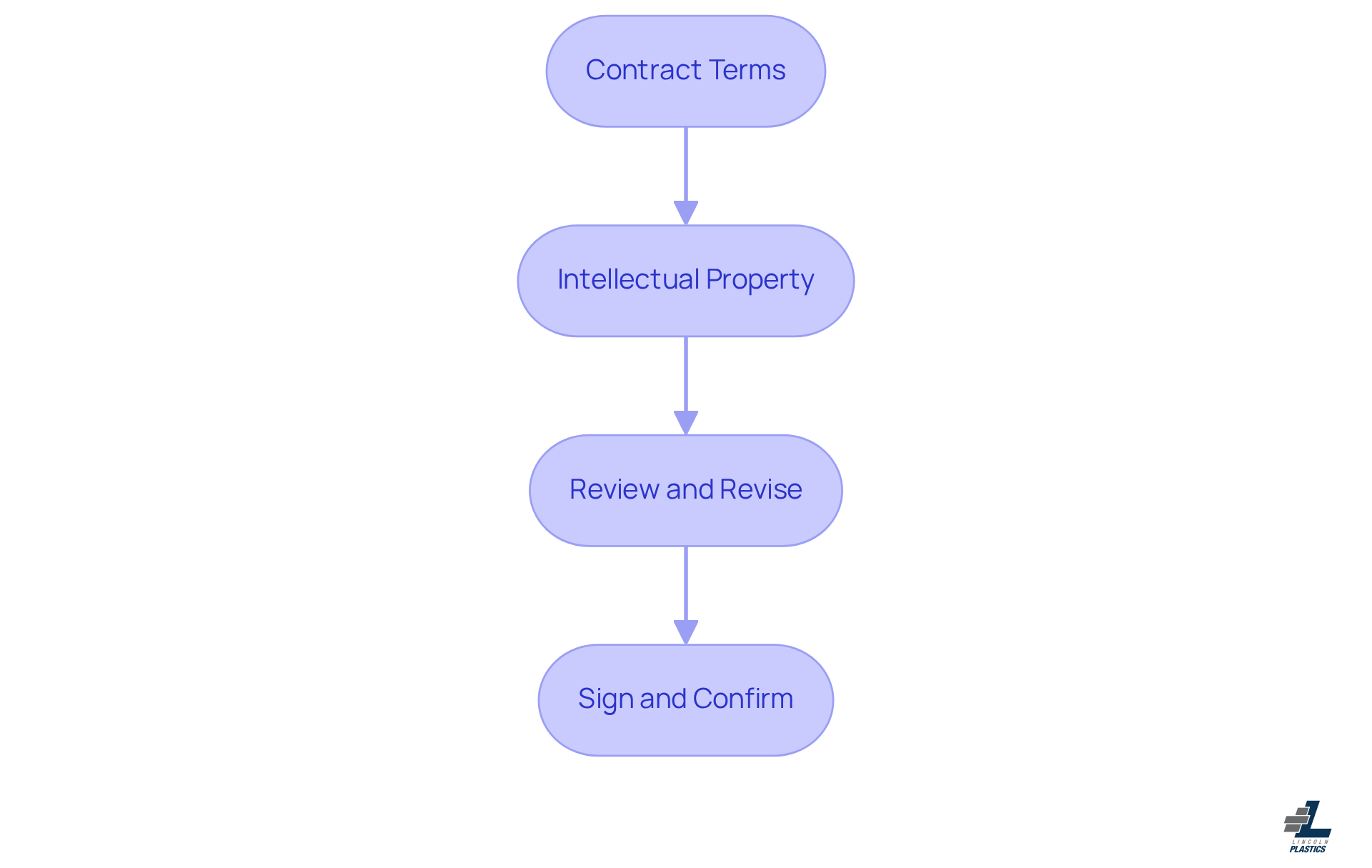
Finalize Your Decision and Negotiate Contracts
Alright, so you’ve weighed all the factors, and now it’s time to wrap things up and get those contracts sorted. Let’s break it down:
- Terms: Make sure to lay out the terms of the agreement clearly. Think about pricing, payment schedules, penalties, and what happens if things don’t go as planned.
- Issues: Don’t forget to tackle any issues, especially if you’re sharing any responsibilities.
- Review and Revise: It’s a smart move to have a lawyer take a look at the contract. You want to ensure everything is fair and that both parties are protected.
- Sign and Confirm: Once both sides are on the same page, go ahead and sign the contract. Don’t forget to confirm when it’s finalized!
By taking the time to carefully negotiate, you’re setting the stage for a solid and successful partnership. Sounds good, right?
Conclusion
Choosing the right manufacturer for plastic products can feel like a daunting task, right? It’s not just about picking a name off a list; it’s about careful planning and making informed choices. By clearly identifying what you need, evaluating potential manufacturers, and keeping the lines of communication open, you can build partnerships that really boost your operational efficiency and product quality.
So, where do you start? First off, define the specific types of plastic products you need. Think about material specifications and how much you’ll need. Next, take a good look at what each manufacturer can offer. What’s their production capacity? Do they have the technology you require? Can they customize products to fit your needs? And don’t forget about quality assurance practices and certifications - they’re crucial for ensuring your products meet safety and performance standards.
Now, let’s talk about communication. Establishing clear channels and negotiating comprehensive contracts is key to a successful collaboration. It’s all about making sure everyone’s on the same page.
In conclusion, taking the time to thoroughly assess and select the right manufacturer can really make a difference in the success of your plastic products. By following these steps, you’re not just ensuring high-quality items; you’re also building long-lasting partnerships that can drive innovation and efficiency. So, why not embrace this structured approach? It could lead to better outcomes in the competitive world of plastic manufacturing!
Frequently Asked Questions
What should I consider when identifying my specific plastic product needs?
You should consider the product type (pipes, tubes, flexible or rigid profiles), material specifications (like PVC or polyethylene), dimensions and tolerances, and volume requirements. This information is crucial for selecting the right manufacturer.
Why is it important to know the dimensions and tolerances of my plastic product?
Clearly laying out the dimensions and tolerances ensures that the manufacturer understands your requirements, which is essential for accurate production and meeting your specifications.
How does my estimated volume of plastic items affect the manufacturing process?
The estimated volume influences the manufacturing methods, timelines, and costs involved. Knowing how many items you need helps shape these factors.
What key factors should I evaluate when looking for a plastic manufacturer?
You should evaluate the manufacturer's production capacity, technology and equipment, experience and expertise, and customization options to ensure they can meet your needs.
Why is production capacity important when choosing a manufacturer?
Production capacity is important because if you plan to increase production in the future, you need a manufacturer who can scale up without compromising quality or timelines.
How does technology and equipment impact the quality of plastic products?
Advanced technology, such as AI-driven quality control and 3D printing, can enhance product quality and efficiency. Manufacturers using innovative materials like self-healing plastics and graphene-enhanced polymers are often more reliable.
What role does a manufacturer’s experience play in product quality?
A manufacturer’s experience in producing similar products can significantly affect the quality and reliability of the final product. Experienced manufacturers are more likely to meet industry standards and quality checks.
What customization options should I look for in a plastic manufacturer?
You should ensure that the manufacturer can accommodate custom needs, such as color matching, material blends, and unique designs, to achieve the desired functionality and appearance of your products.
List of Sources
- Identify Your Specific Plastic Product Needs
- manufacturingdive.com (https://manufacturingdive.com/news/opinion-polymershapes-aerospace-standards-plastic-manufacturing/804279)
- Plastic Products Market Forecast Shows Significant Expansion (https://plasticsindustry.org/articles/plastic-product-market-forecast-shows-significant-expansion)
- plasticsengineering.org (https://plasticsengineering.org/2025/09/u-s-regulations-for-plastic-manufacturing-companies-009645)
- Evaluate Manufacturer Capabilities and Offerings
- plasticstoday.com (https://plasticstoday.com/industry-trends/report-us-plastics-industry-generates-550-7-billion-outpaces-manufacturing-growth)
- plasticsnews.com (https://plasticsnews.com/opinion/viewpoint/pn-viewpoint-12052025)
- mdplastics.com (https://mdplastics.com/the-future-of-plastics-manufacturing-trends-and-innovations-for-2025-and-beyond)
- Assess Quality Assurance and Certifications
- rosti.com (https://rosti.com/resources/blogs/plastic-injection-moulding-manufacturers-certifications)
- profilemn.com (https://profilemn.com/post/profile-plastics-achieves-iso-9001-2015-renewal-for-quality-management-excellence)
- talismangroup.co.uk (https://talismangroup.co.uk/news/standards-in-plastics-manufacturing-why-certification-matters)
- lincoln-plastics.com (https://lincoln-plastics.com/news-post/10-benefits-of-iso-certified-plastic-extrusion-services?dcc2137a_page=29)
- wdtn.com (https://wdtn.com/business/press-releases/ein-presswire/875478538/leading-pvc-film-manufacturer-linyang-gains-global-recognition-with-iso9001-iso14001-certifications)
- Establish Communication and Support Channels
- leandna.com (https://leandna.com/resource/simple-steps-to-strengthen-supply-chain-manufacturing-partnerships)
- blog.haiilo.com (https://blog.haiilo.com/blog/40-corporate-communications-stats-every-employer-should-know)
- speakap.com (https://speakap.com/insights/manufacturing-industry-statistics)
- finnpartners.com (https://finnpartners.com/news-insights/navigating-economic-headwinds-why-communication-is-a-manufacturers-most-powerful-tool)
- 2026 Outlook: Three Communication Strategies for Manufacturers to Win Market Share - FINN Partners (https://finnpartners.com/news-insights/2026-outlook-three-communication-strategies-for-manufacturers-to-win-market-share)
- Finalize Your Decision and Negotiate Contracts
- contractpodai.com (https://contractpodai.com/news/what-to-know-about-manufacturing-contracts)
- myerson.co.uk (https://myerson.co.uk/news-insights-and-events/key-clauses-in-manufacturing-contracts-equipment-delivery-and-acceptance-explained)
- outsidegc.com (https://outsidegc.com/blog/9-key-contract-terms-for-outsourced-manufacturing-success)
- drewstevenslaw.com (https://drewstevenslaw.com/key-clauses-in-manufacturing-and-supply-agreements)
- keystonelaw.com (https://keystonelaw.com/keynotes/contract-manufacturing-agreements-the-key-issues-to-get-right)
Related posts

Discover essential steps for selecting reliable custom plastic tubing solutions for various industries.


Discover best practices for procuring clear plastic flexible tubing to enhance performance and reliability.
Discover key insights and features of top flexible PVC manufacturers for your business needs.
