
5 Steps to Choose the Right Extrusion Method for Your Needs
Introduction
Choosing the right extrusion method can feel a bit overwhelming, right? With so many options out there in the manufacturing world, it’s easy to get lost. Each method has its own perks and is tailored for specific applications. So, before you dive in, it’s crucial to understand what you really need.
What should you think about to make sure the method you pick aligns with your project goals and production needs? This article is here to help! We’ll walk you through the key steps for selecting the best extrusion technique. We’ll explore material types, performance criteria, and why teaming up with experts can make all the difference.
So, let’s get started!
Understand the Basics of Extrusion Methods
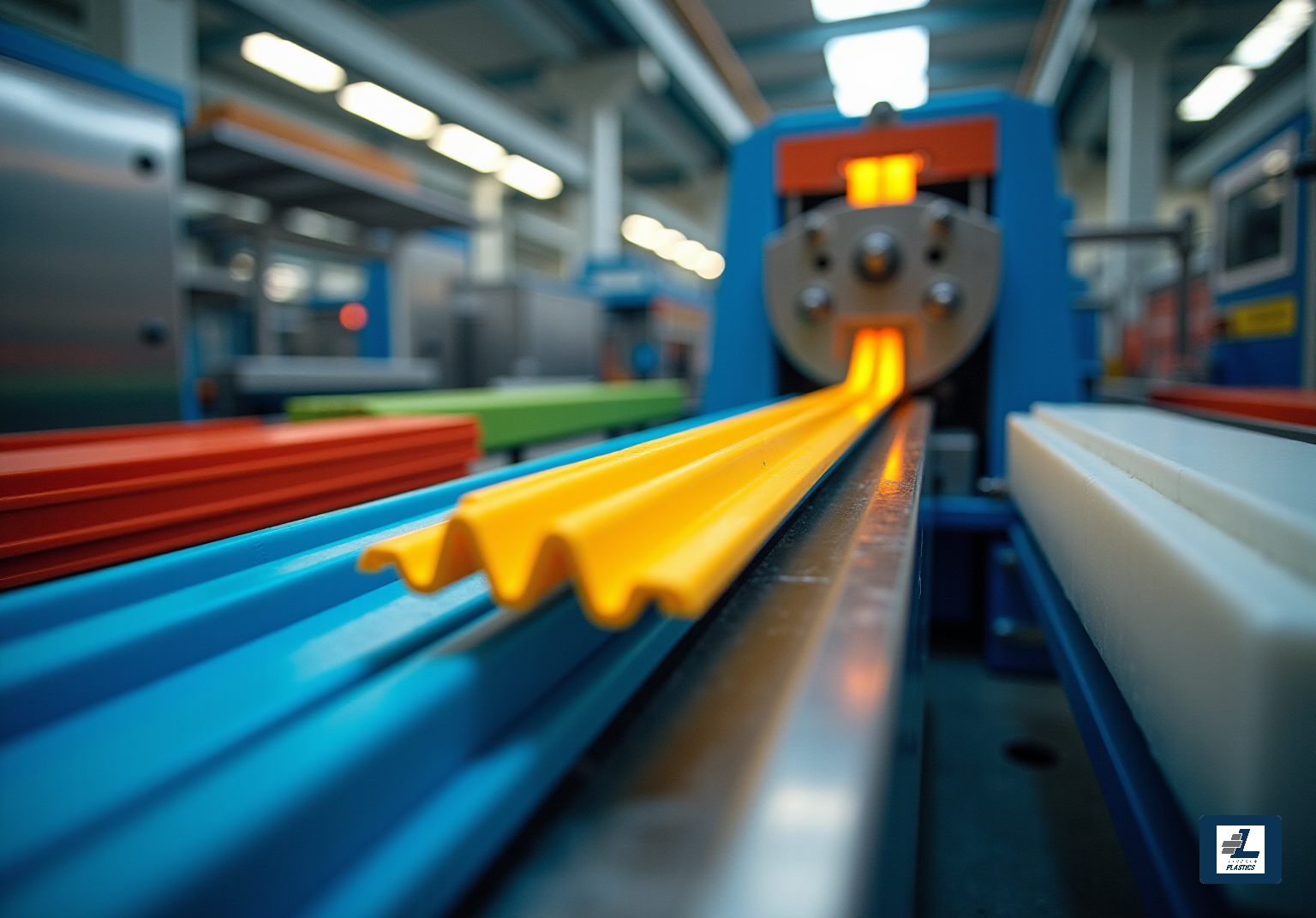
The method of manufacturing known as extrusion involves forcing a substance through a die to create specific shapes. Have you ever thought about how those shapes come to life? Well, Lincoln Plastics has been a pioneer in the extrusion industry since 1948, providing dependable solutions. They’re all about timely delivery and quality assurance.
They manufacture a variety of products in multiple sizes and materials. And guess what? They can even co-extrude another color into your profile, like a bright yellow stripe! Now, let’s talk about the primary types of extrusion methods:
- Direct extrusion: Here, material is pushed through a die in the same direction as the applied force. This is frequently employed to create basic forms and is highly economical for large quantities.
- Indirect extrusion: In this case, the die moves towards the substance, which is then forced through the die. The method allows for more intricate shapes and better surface finishes.
- Cold extrusion: Conducted at room temperature, this is perfect for materials sensitive to heat, offering high strength and precision.
- Hot extrusion: This method involves heating the material before shaping it, making it easier to mold and allowing for more complex profiles.
Understanding these techniques can really help you figure out which method is best for your specific needs. Whether you’re looking for custom profiles or OEM irrigation products, knowing your options is key!
Identify Your Custom Plastic Requirements
Choosing the right extrusion method can indeed feel a bit overwhelming, right? But don’t worry! Let’s break it down together by looking at some key factors you should consider:
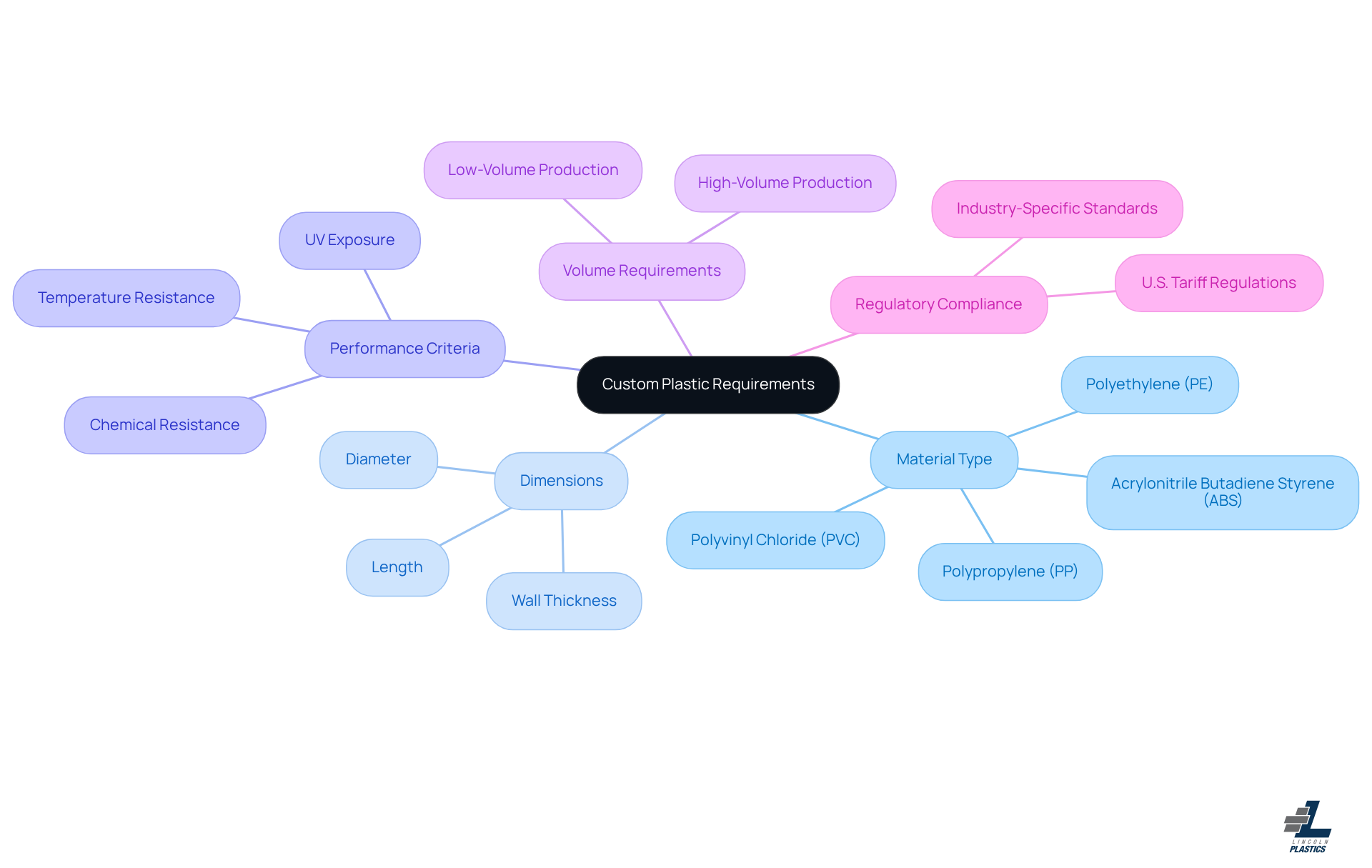
- Type of plastic: First off, think about the type of plastic you need. What properties are important to you? Flexibility, strength, or maybe chemical resistance? For instance, Polyvinyl Chloride (PVC) is often chosen for its durability, while Polyethylene (PE) is a go-to for flexibility. At Lincoln Plastics, we’ve got a variety of materials, including options tailored just for you.
- Dimensions: Next, let’s talk dimensions. What are the specifics of your product? Length, diameter, and wall thickness all matter. Getting these details right is crucial since they directly impact how the shaping process goes and how well the final product performs. Lincoln Plastics offers both in a range of colors, diameters, and lengths, so we can meet your exact needs.
- Environmental conditions: Now, consider the environment your product will face. Will it be exposed to extreme temperatures, UV rays, or chemicals? Understanding these conditions helps you choose materials. Our expertise in custom solutions means we can help optimize designs for various applications.
- Production volume: What about how much you need? Evaluating your output level is key, as it influences the shaping technique and machinery you’ll use. If you’re looking at high production, certain extrusion methods and equipment may be essential to manage larger outputs without sacrificing quality. At Lincoln Plastics, we’re equipped to manage both high and low volume production efficiently, ensuring you get what you need on time.
- Industry regulations: Lastly, don’t forget about regulations. It’s important to ensure that your materials and processes meet any industry-specific standards. This is especially crucial in sectors like healthcare and food packaging, where safety and quality are non-negotiable. Plus, keep an eye on U.S. tariff regulations for imported processing equipment and feedstocks coming in 2025, as these could affect your material choices.
By laying out these criteria, you’ll be in a better position to figure out which shaping technique suits your needs best. And with the processing equipment market projected to hit $10.01 billion by 2035, making informed choices about your material selection is more important than ever. As Kate Daly from Closed Loop Partners points out, focusing on sustainability is key to keeping up with industry trends and what consumers expect. So, take a moment to think about these standards, and you’ll be well on your way to finding the perfect technique for your project!
Evaluate Available Extrusion Methods
When you're looking into extrusion methods, there are a few key factors you really want to keep in mind:
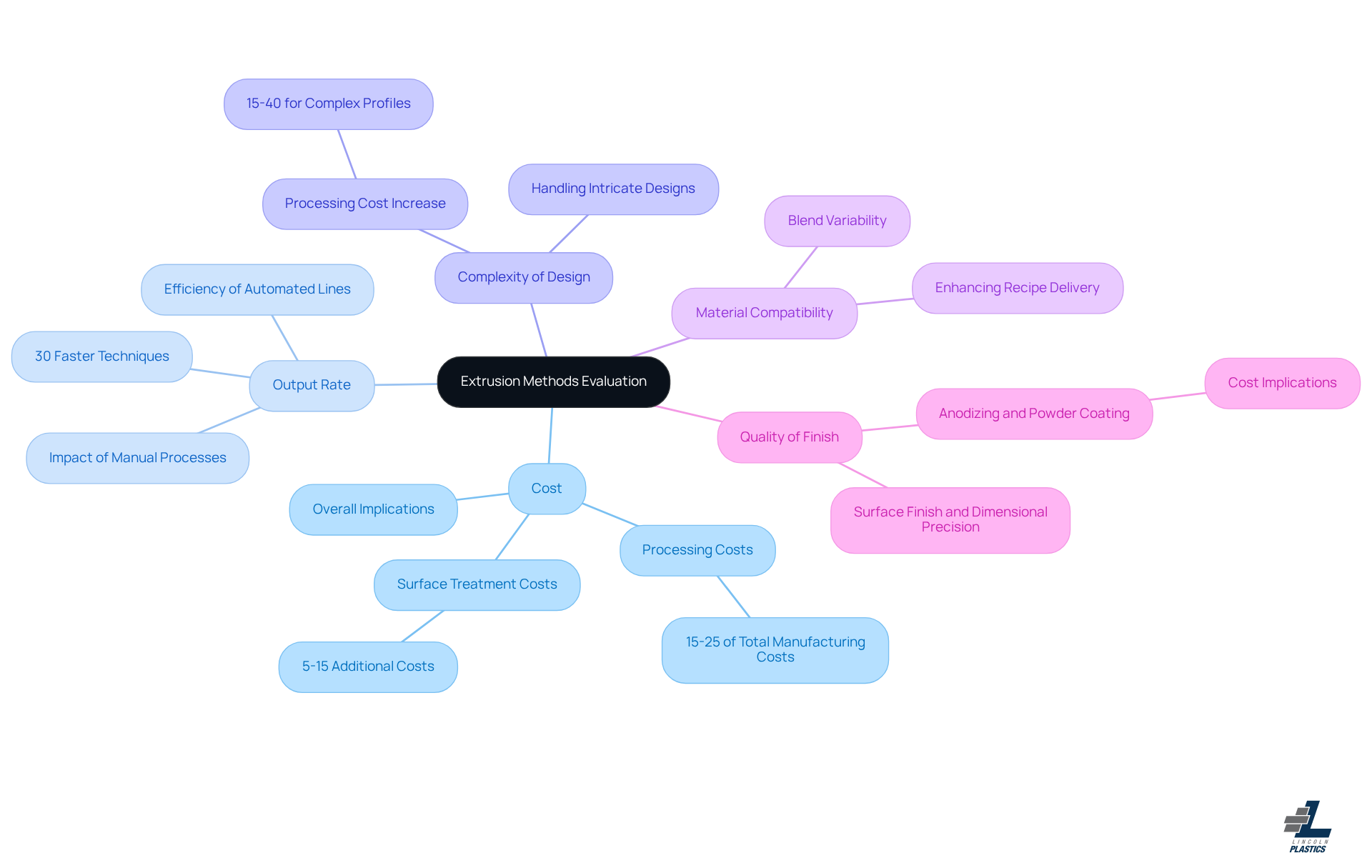
- Cost: First off, let’s talk about cost. It’s crucial to look at the pricing structure, including material costs. Understanding the cost framework is key since shaping can make up about 15-25% of your total manufacturing costs.
- Speed: Next up is the production speed. You’ll want to evaluate how quickly each technique can help you hit your desired volume. For instance, automated shaping lines can really cut down on labor costs and boost efficiency, while manual processes might slow things down. Did you know that some advanced techniques can deliver results up to 30% faster than traditional methods? Pretty impressive, right?
- Complexity: Now, let’s talk about design complexity. Can the shaping technique handle the intricacies of your design? Some methods are better suited for those detailed shapes and features, which can affect your production speed and efficiency. For example, if you’re working with complex profiles that need extra machining, you might see delays compared to the extrusion method used for standard profiles.
- Compatibility: It’s also super important to ensure that the method you choose is compatible with the materials you plan to use. The right equipment can really enhance things like recipe delivery and blend variability, leading to better overall performance.
- Finish: Finally, think about the surface finish you can achieve. What kind of surface finish and dimensional precision can each technique provide? Surface treatments like anodizing and powder coating can enhance both functionality and appearance, but keep in mind they usually add about 5-15% to your total manufacturing costs.
By taking the time to consider these factors, you’ll be better equipped to choose the technique that aligns with your project goals, ensuring quality and top-notch results.
Consider Practical Factors in Your Decision
When you're picking an extrusion method, there are a few practical things to think about:
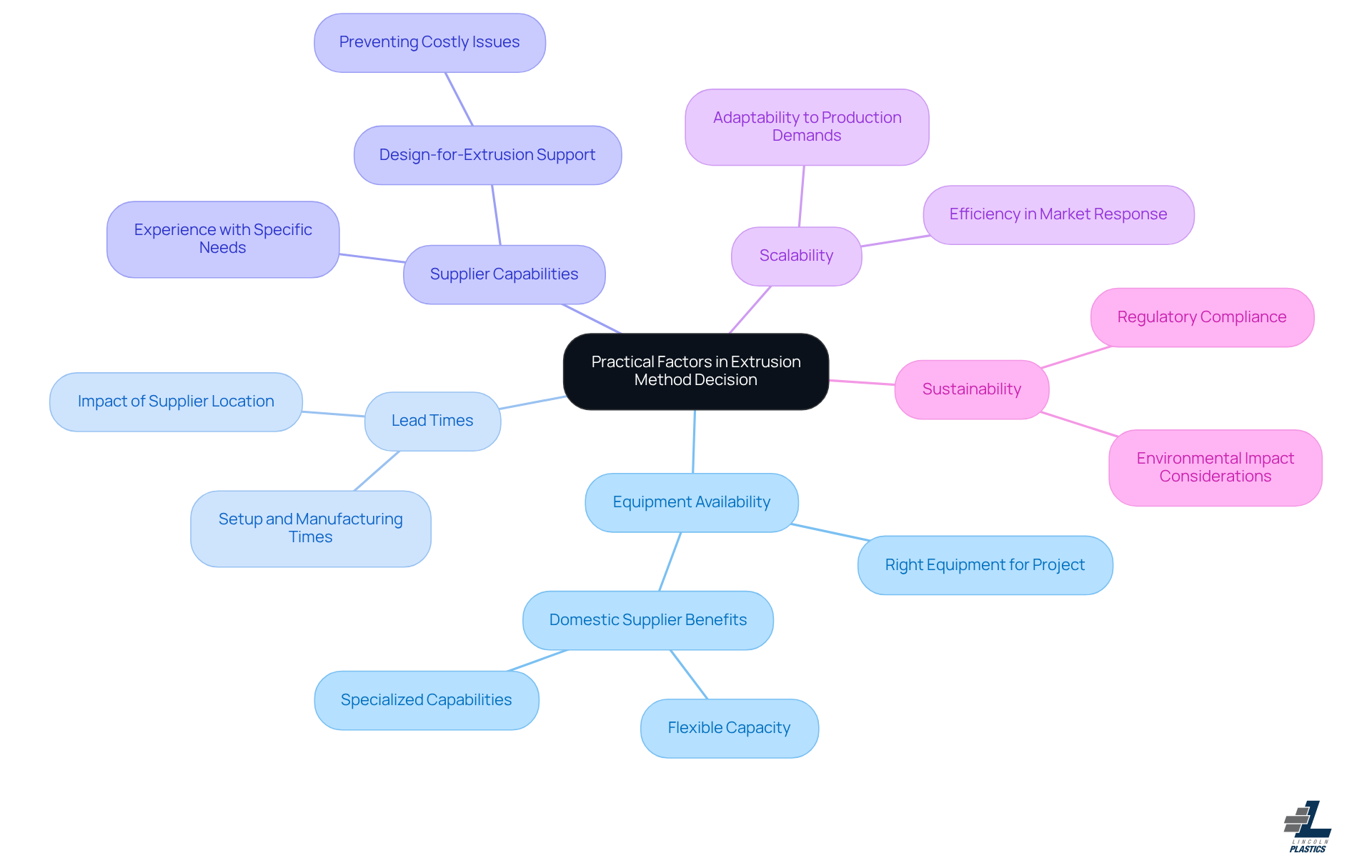
- Equipment: First off, make sure you have the right equipment on hand for your project. It’s gotta fit your needs!
- Setup: Next, take a look at the requirements for setup and manufacturing. For example, if you have a domestic supplier with flexible, pre-vetted capacity, they can handle volume shifts pretty smoothly. This means efficiency, which is super important if you’re racing against the clock.
- Suppliers: Don’t forget to check out what your potential suppliers can do. Look for those who have experience. Reliable partners often offer solutions, which can save you from issues like tolerance problems and material waste.
- Scalability: Think about whether your chosen method can adapt to demand. Being able to scale up or down effectively can really benefit your operations and help you respond to market changes.
- Sustainability: Lastly, take a moment to consider the environmental impact of the shaping process. Look at waste production and energy use. Embracing sustainable practices not only boosts your brand’s reputation but also helps you stay in line with growing regulatory requirements.
By keeping these factors in mind, you can ensure that your extrusion method is not just efficient but also practical and aligned with your business goals. So, what’s your next step?
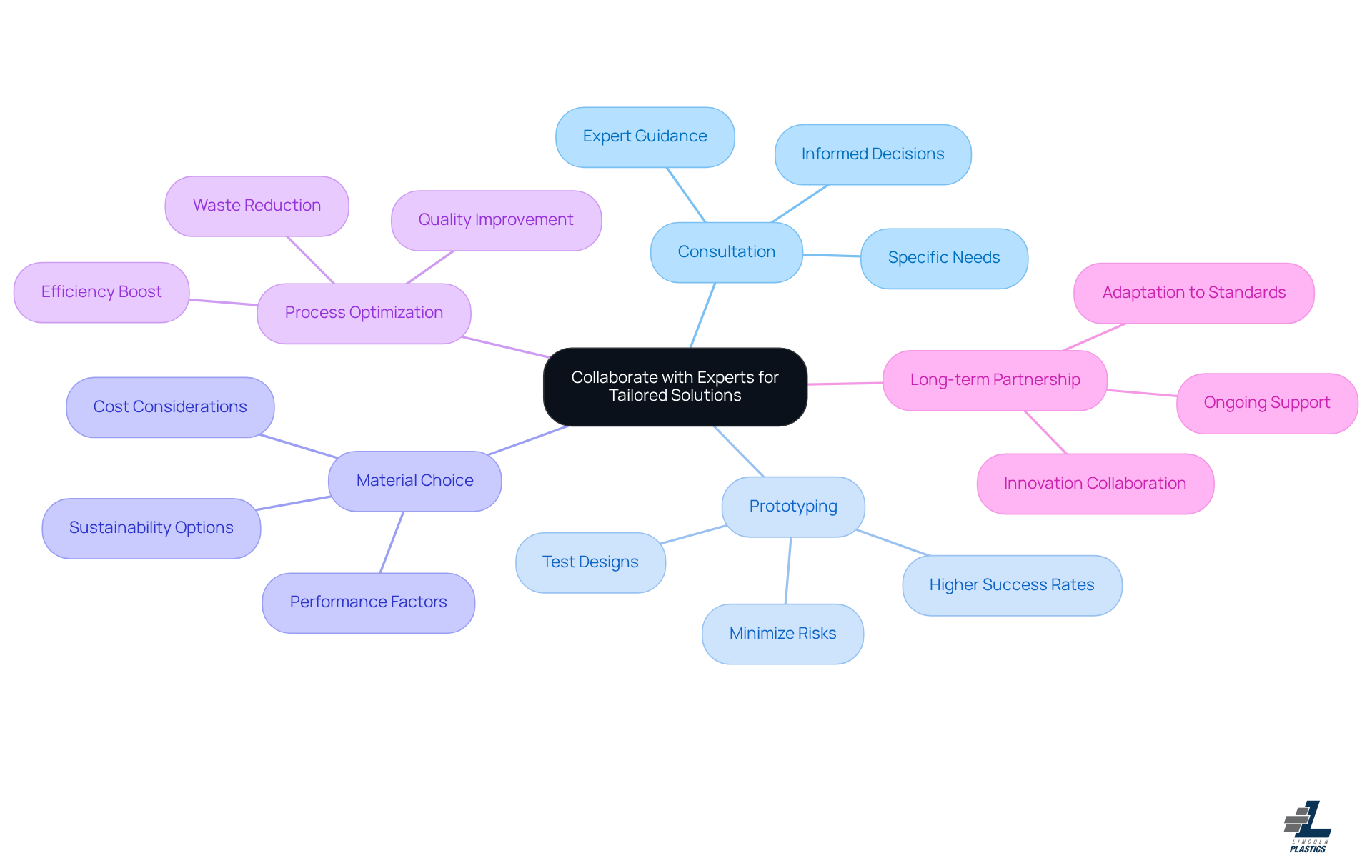
Collaborate with Experts for Tailored Solutions
Engaging with the experts can really enhance your selection process in the industry.
- Consultation: Have you ever felt overwhelmed by choices? Seeking advice from the extrusion specialists at Lincoln Plastics can be a game changer. They bring a wealth of experience from similar projects, helping you make informed decisions that fit your specific needs-especially when it comes to design and cable management solutions.
- Prototyping: Now, let’s talk about prototyping. Working with Lincoln Plastics' experts to develop prototypes is key. It gives you the chance to test and refine your design before diving into full-scale production. This way, you minimize risks and ensure the final product meets your expectations. Industry insights show that prototyping significantly improves outcomes.
- Material Choice: You might be wondering about material selection. Lean on the expert knowledge at Lincoln Plastics to pick the right substances for your application. Performance, cost, and sustainability are all crucial factors here. With the growing demand for eco-friendly materials, their experts can help you navigate these options effectively.
- Process Optimization: Let’s not forget about process optimization. Collaborating with Lincoln Plastics' specialists can enhance your shaping process. Their insights can boost efficiency, cut down on waste, and improve overall product quality. Understanding key metrics like Cpk and Ppk can really make a difference in production consistency and quality.
- Long-term Partnership: Finally, think about the benefits of a long-term partnership. Building a relationship with a reliable manufacturing partner like Lincoln Plastics means ongoing support and innovation. This collaboration can lead to continuous improvements in your projects, adapting to changing industry standards and customer needs. Plus, attending events like trade shows can open doors to connect with industry leaders and stay updated on the latest advancements.
By collaborating with the right experts, you can ensure that your extrusion method is not only suitable but also customized to meet your specific needs. This approach can really enhance the success rates of your extrusion projects!
Conclusion
Choosing the right extrusion method? That’s a big deal! It can really shape the outcome of your manufacturing project. By getting to know the different extrusion techniques and how they fit your specific needs, you can make choices that truly align with your goals.
So, what’s the best way to tackle this? The article laid out some essential steps to help you through the selection process. Key factors to consider include:
- Understanding the types of extrusion methods out there
- Pinpointing your custom plastic requirements
- Weighing practical considerations
- Teaming up with experts to fine-tune your approach
Each of these elements is crucial for ensuring that the method you choose hits the mark on performance, cost, and sustainability.
Now, let’s talk about why picking the right extrusion method is so important. It doesn’t just affect the quality and efficiency of your production; it also helps you stay compliant with industry standards and meet customer expectations. Partnering with knowledgeable folks, like Lincoln Plastics, can be a game-changer. They can offer invaluable support as you navigate this complex landscape, making sure your projects are successful and tailored to your unique specifications.
So, take a moment to assess your needs. Leverage expert insights to enhance your extrusion processes and pave the way for a sustainable future!
Frequently Asked Questions
What is the extrusion method?
The extrusion method is a manufacturing process that involves forcing a substance through a die to create specific shapes.
What types of extrusion methods are there?
The primary types of extrusion methods include: - Direct Extrusion: Material is pushed through a die in the same direction as the applied force, ideal for basic forms and large quantities. - Indirect Extrusion: The die moves toward the substance, allowing for more intricate shapes and better surface finishes. - Cold Extrusion: Conducted at room temperature, suitable for heat-sensitive materials, providing high strength and precision. - Hot Extrusion: Involves heating the material before shaping, making it easier to mold and allowing for complex profiles.
What factors should I consider when choosing an extrusion method?
Key factors to consider include: - Material Type: The specific properties needed, such as flexibility, strength, or chemical resistance. - Dimensions: The specifics of the product, including length, diameter, and wall thickness. - Performance Criteria: The environmental conditions the product will face, like extreme temperatures or UV exposure. - Volume Requirements: The quantity needed, which influences the shaping technique and machinery. - Regulatory Compliance: Ensuring materials and processes meet industry-specific standards, particularly in sectors like healthcare and food packaging.
How does Lincoln Plastics assist with custom plastic requirements?
Lincoln Plastics offers a variety of materials, dimensions, and custom solutions tailored to specific needs, including both high and low volume production capabilities. They also ensure compliance with industry regulations.
Why is it important to consider sustainability in material selection?
Focusing on sustainability in resource choices is essential to keep up with industry trends and consumer expectations, especially as the processing equipment market is projected to grow significantly.
List of Sources
- Understand the Basics of Extrusion Methods
- The Extrusion Industry in 2025: Innovations, Trends, and Opportunities (https://plextrusions.com/extrusion-blog/the-extrusion-industry-in-2025-innovations-trends-and-opportunities)
- plasticsnews.com (https://plasticsnews.com/news/weber-extrusion-tackles-wear-recyclates)
- precedenceresearch.com (https://precedenceresearch.com/north-america-aluminum-extrusion-market)
- zsjtjx.com (https://zsjtjx.com/blog/trends-2025-pvc-profile-extruder-innovations-efficiency)
- imarcgroup.com (https://imarcgroup.com/aluminium-extrusion-market)
- Identify Your Custom Plastic Requirements
- The Extrusion Industry in 2025: Innovations, Trends, and Opportunities (https://plextrusions.com/extrusion-blog/the-extrusion-industry-in-2025-innovations-trends-and-opportunities)
- plasticsnews.com (https://plasticsnews.com/suppliers/materials/pn-comp25-items)
- kentleyinsights.com (https://kentleyinsights.com/custom-plastic-compound-manufacturing-market-report)
- plasticsindustry.org (https://plasticsindustry.org/blog/the-u-s-plastics-industry-in-2024-seven-key-charts)
- Plastic Packaging Market Trends and Size 2026-35 (https://towardspackaging.com/insights/plastic-packaging-market)
- Evaluate Available Extrusion Methods
- imarcgroup.com (https://imarcgroup.com/united-states-aluminum-extrusion-market)
- yajialuminum.com (https://yajialuminum.com/aluminum-extrusion-cost-per-kg-in-2025)
- Plastics Extrusion: 4 Critical Statistics to Track for Increased Quality & Plant Profit (https://gaugeadvisor.com/2025/05/26/plastics-extrusion-4-critical-statistics-to-track-for-increased-quality-plant-profit)
- finance.yahoo.com (https://finance.yahoo.com/news/north-america-aluminum-extrusion-market-150000422.html)
- Consider Practical Factors in Your Decision
- precedenceresearch.com (https://precedenceresearch.com/north-america-aluminum-extrusion-market)
- extrusions.com (https://extrusions.com/post/reshoring-aluminum-extrusions)
- plasticstoday.com (https://plasticstoday.com/industry-trends/plastics-machinery-shipments-surge-19-5-in-q3)
- futuremarketinsights.com (https://futuremarketinsights.com/reports/extrusion-equipment-market)
- Collaborate with Experts for Tailored Solutions
- lincoln-plastics.com (https://lincoln-plastics.com/news-post/10-benefits-of-using-a-custom-extruder-for-your-business-needs?dcc2137a_page=49)
- projectworks.com (https://projectworks.com/blog/50-consulting-quotes)
- datainsightsmarket.com (https://datainsightsmarket.com/news/article/promix-solutions-pioneering-sustainable-extrusion-at-k-2025-83464)
- Plastics Extrusion: 4 Critical Statistics to Track for Increased Quality & Plant Profit (https://gaugeadvisor.com/2025/05/26/plastics-extrusion-4-critical-statistics-to-track-for-increased-quality-plant-profit)
- databridgemarketresearch.com (https://databridgemarketresearch.com/reports/global-extruder-and-compounding-machine-market?srsltid=AfmBOor8nBsZkKLp_AryV0qaAfob7V6iiYPorq2MwyjRrgKNR2_wY27C)
Related posts

Why Custom Pipe Extrusion Matters More Than Ever
Standard pipe sizes don’t always work. Learn how Lincoln Plastics delivers custom diameters, wall thicknesses, and finishes in right-sized runs.


Reducing Trip Hazards with Custom Cord Management
Loose cords are more than messy — they’re a safety hazard. Lincoln Plastics’ custom cord covers and Flexiduct solutions improve safety and efficiency.
The Power of Custom Plastic Profiles for OEMs
Off-the-shelf profiles force compromises. Learn how Lincoln Plastics designs custom extruded profiles for OEMs with exact specs and right-sized runs.
