
5 Best Practices for Using Polypropylene (PP) Plastic in Manufacturing
Introduction
Polypropylene (PP) plastic is really making waves in modern manufacturing. It’s lightweight, resistant to chemicals, and super versatile. But as industries push for efficiency and sustainability, it’s crucial to get a handle on how to best use this thermoplastic. You might be wondering, what are the best practices? Well, understanding these can really amp up production processes.
But here’s the catch: while polypropylene has its perks, it also comes with some limitations that can make things tricky. So, how can manufacturers tackle these challenges? How can they tap into the full potential of polypropylene while keeping quality and sustainability in check? Let’s dive into this together!
Understand Polypropylene: Definition and Importance in Manufacturing
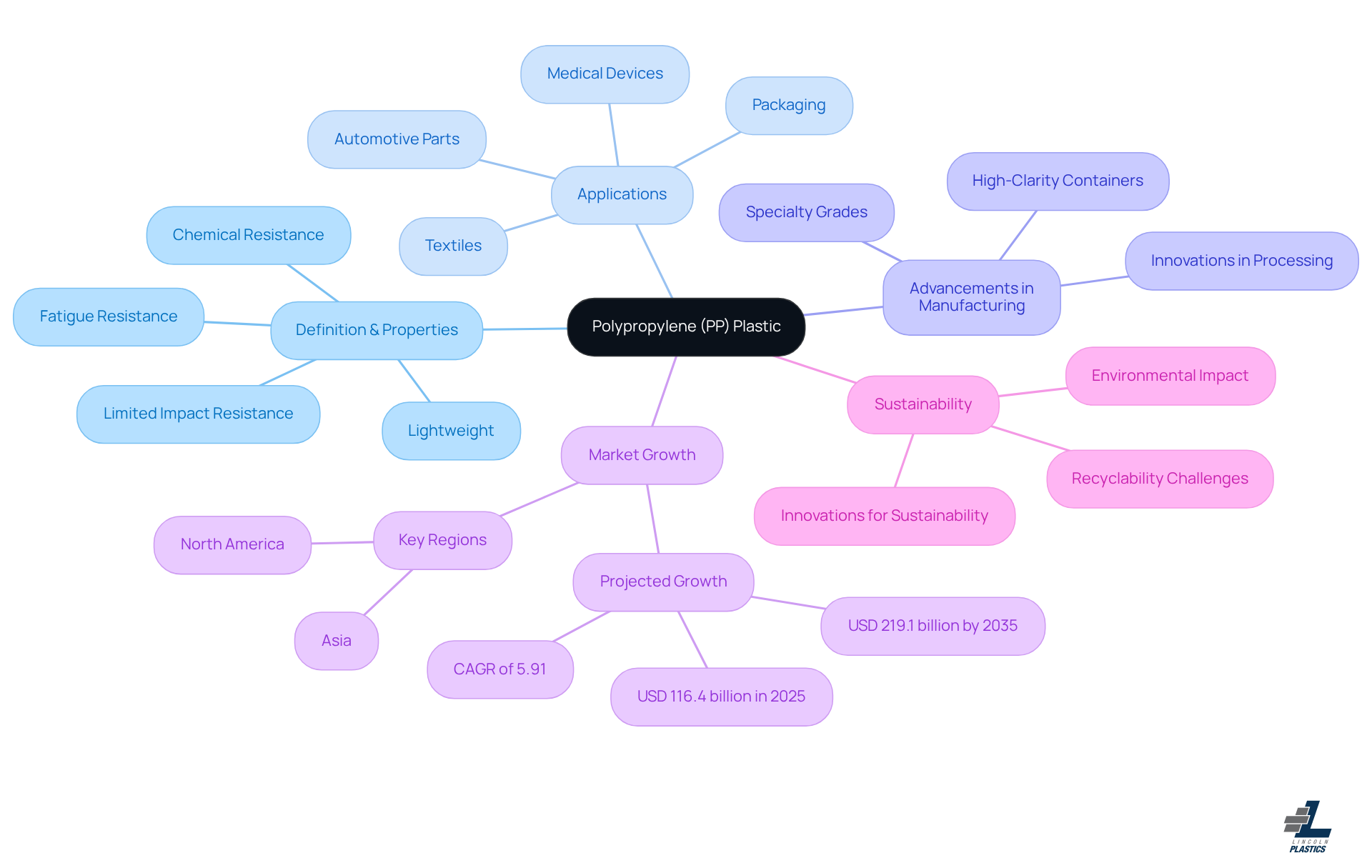
is a thermoplastic polymer made from propylene monomers. You might be surprised to learn that it’s lightweight, highly resistant to chemicals, and super versatile. That’s why it’s become a go-to material in so many industries! Its ability to be molded into various shapes, along with its affordability, makes it perfect for manufacturing. You’ll find it everywhere, from consumer goods to packaging, where it’s used to create durable and functional products.
Now, let’s discuss some exciting advancements in plastic manufacturing that have made polypropylene even more appealing. Innovations in processing technologies have really stepped up the game, allowing for the creation of new materials and specialty grades designed for specific uses. The polypropylene market is booming, with projections showing it could grow from around USD 116.4 billion in 2025 to USD 219.1 billion by 2035. That’s a compound annual growth rate (CAGR) of 5.91%! This growth is driven by increasing demand in the container, automotive, and medical industries, highlighting how essential polypropylene is in today’s manufacturing landscape.
What’s really cool about polypropylene is its unique characteristics. It boasts excellent tensile strength, making it ideal for applications that require durability and safety-think food containers and medical devices. However, it’s worth noting that this material does have limited impact resistance at low temperatures, which can affect its performance in certain situations. As the industry evolves, there’s a growing focus on sustainability. Innovations are underway to enhance its environmental profile and expand its use in eco-friendly solutions. So, keep an eye on this space-it’s definitely one to watch!
Identify Key Properties of Polypropylene for Manufacturing Applications
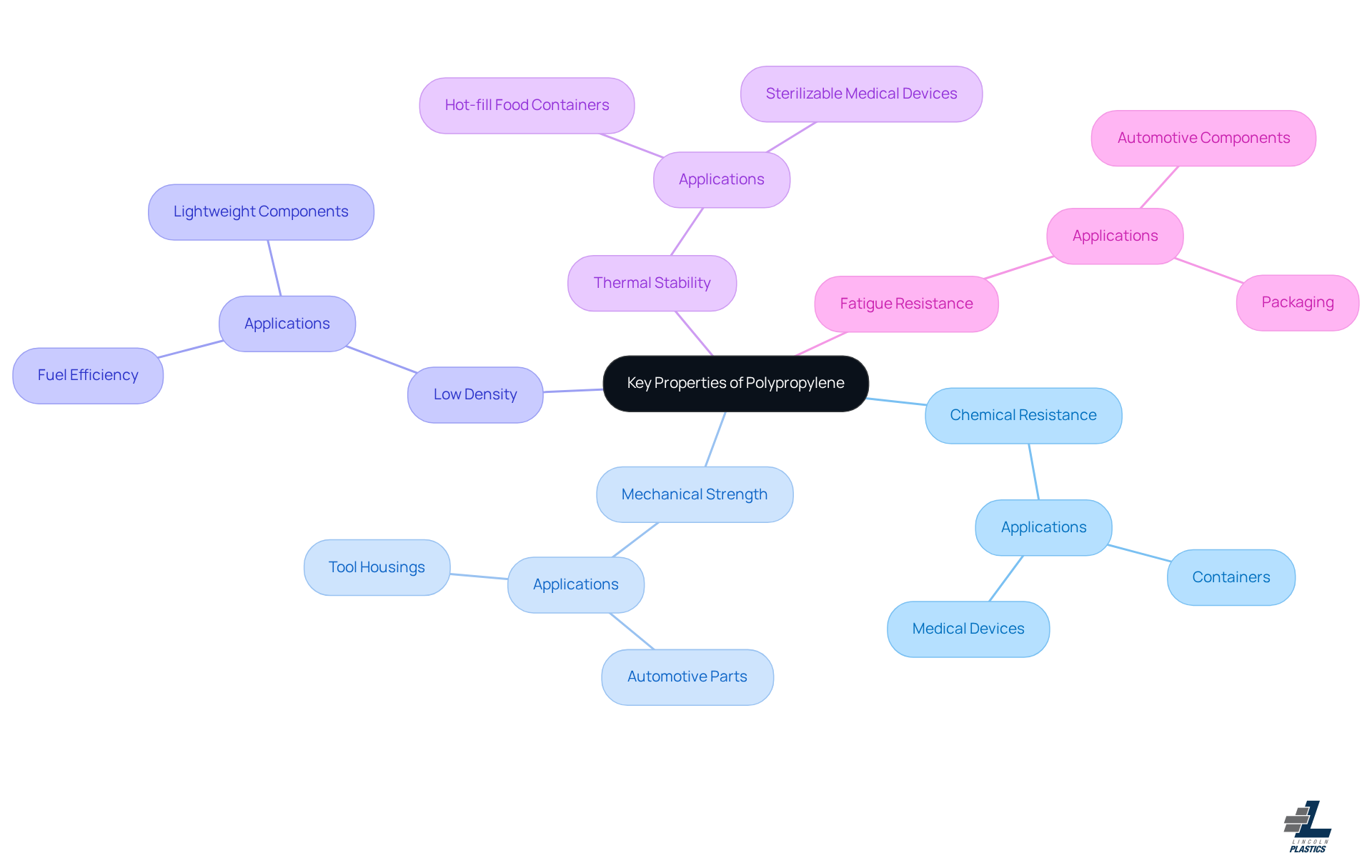
Polypropylene is pretty amazing when it comes to manufacturing, and it has some standout properties that make it a go-to choice for many applications.
Chemical resistance is one of its key features. This material can handle a wide range of chemicals, including acids and bases, which is why it’s often used for containers and in various industrial settings. Imagine needing a container that won’t break down when exposed to harsh cleaning agents - polypropylene has got you covered! It’s even used in medical settings for things like sutures and hernia repairs, thanks to its durability.
Tensile strength is another important property. With a tensile strength between 30 to 50 MPa, polypropylene can take a beating without losing its shape. This is super important in the automotive world, where parts need to withstand tough conditions. Plus, its impact resistance, usually around 5-10 kJ/m², means it won’t crack easily when faced with sudden impacts - perfect for bumpers and tool housings.
Another great thing about polypropylene is its low density. We’re talking about a density of about 0.90 to 0.91 g/cm³, which helps improve fuel efficiency in cars. Lighter parts mean less weight overall, and that’s a win for manufacturers looking to cut down on material use and waste.
When it comes to thermal stability, polypropylene shines again. It can handle temperatures from -20°C to 100°C, making it suitable for both hot and cold environments. This is crucial for applications like hot-fill food containers and sterilizable medical devices, where performance needs to stay consistent, no matter the temperature.
Let’s not forget about flexibility. This material can bend repeatedly without breaking, which is essential for things like automotive components and packaging. Its excellent fatigue resistance makes it ideal for designs like flip-top bottle caps and flexible molded parts, ensuring they last longer.
All these properties make polypropylene a versatile and reliable material across various manufacturing sectors. It enables the creation of products that meet modern demands. However, it’s worth noting that the recycling rates are pretty low - around 1% worldwide. This presents some challenges for sustainability, so there’s definitely a need for better recycling practices and infrastructure.
Explore Practical Applications of Polypropylene in Various Industries
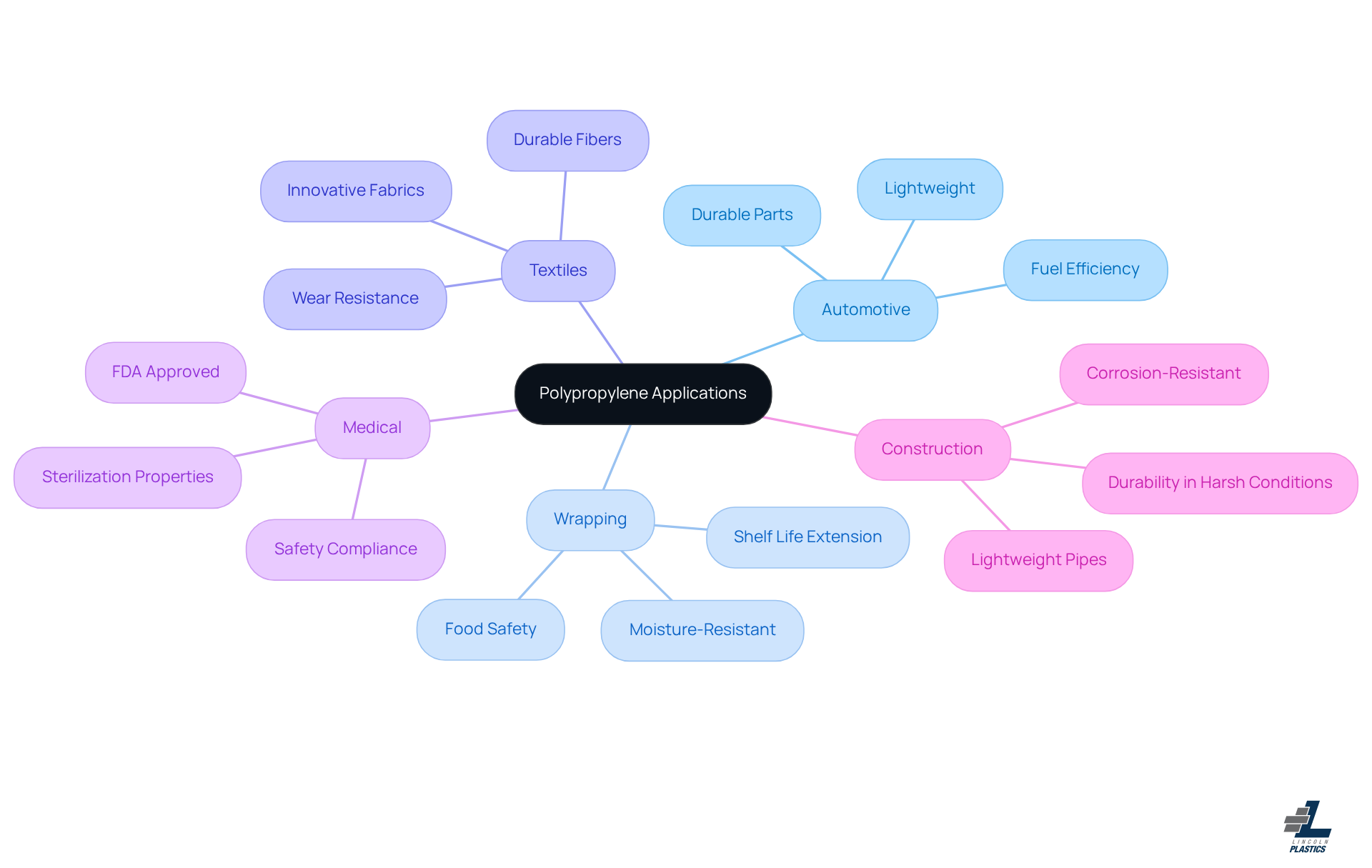
Polypropylene is a go-to material in many industries, and it’s easy to see why! Its unique properties make it a favorite among manufacturers looking for versatility.
- Automotive: Think about the cars we drive. In the automotive world, polypropylene is used for interior trims and battery cases. Its lightweight nature helps reduce vehicle weight, which boosts fuel efficiency and overall performance. Plus, it can handle heavy loads, making it a solid choice for automotive applications.
- Wrapping: Now, let’s talk about wrapping. This sector really benefits from polypropylene’s lightweight and moisture-resistant features. You’ll often find it in packaging containers and films, all of which help keep products safe and extend their shelf life. Did you know the wrapping market was valued at USD 9.85 billion in 2025? It’s expected to grow to around USD 17.66 billion by 2034! That’s a clear sign of the rising demand for sustainable materials. In the U.S., the plastic market is projected to expand at a CAGR of 5.1% through 2035, showing some strong market dynamics.
- Textiles: Moving on to textiles, polypropylene is used because it’s durable and resistant to wear. This makes it perfect for carpets, upholstery, and clothing. Recent innovations have even led to the creation of polypropylene-based fabrics that are not just lightweight but also perform better in various applications.
- Medical: In the medical field, polypropylene’s versatility makes it a reliable option. It’s widely used in syringes and containers thanks to its excellent sterilization properties, ensuring safety and compliance with health standards. Industry leaders have pointed out that this plastic is often a better choice than many alternatives for food packaging, reinforcing its value in this sector.
- Construction: Lastly, in construction, polypropylene (pp) plastic is utilized in insulation, offering a lightweight alternative to traditional materials. This is especially important in environments where durability and resistance to harsh conditions are key.
These diverse applications really showcase how adaptable polypropylene is, and with ongoing innovations, its use in textiles and medical devices is only set to grow. It’s clear that this material is a top pick for production!
Evaluate Advantages and Disadvantages of Polypropylene in Manufacturing
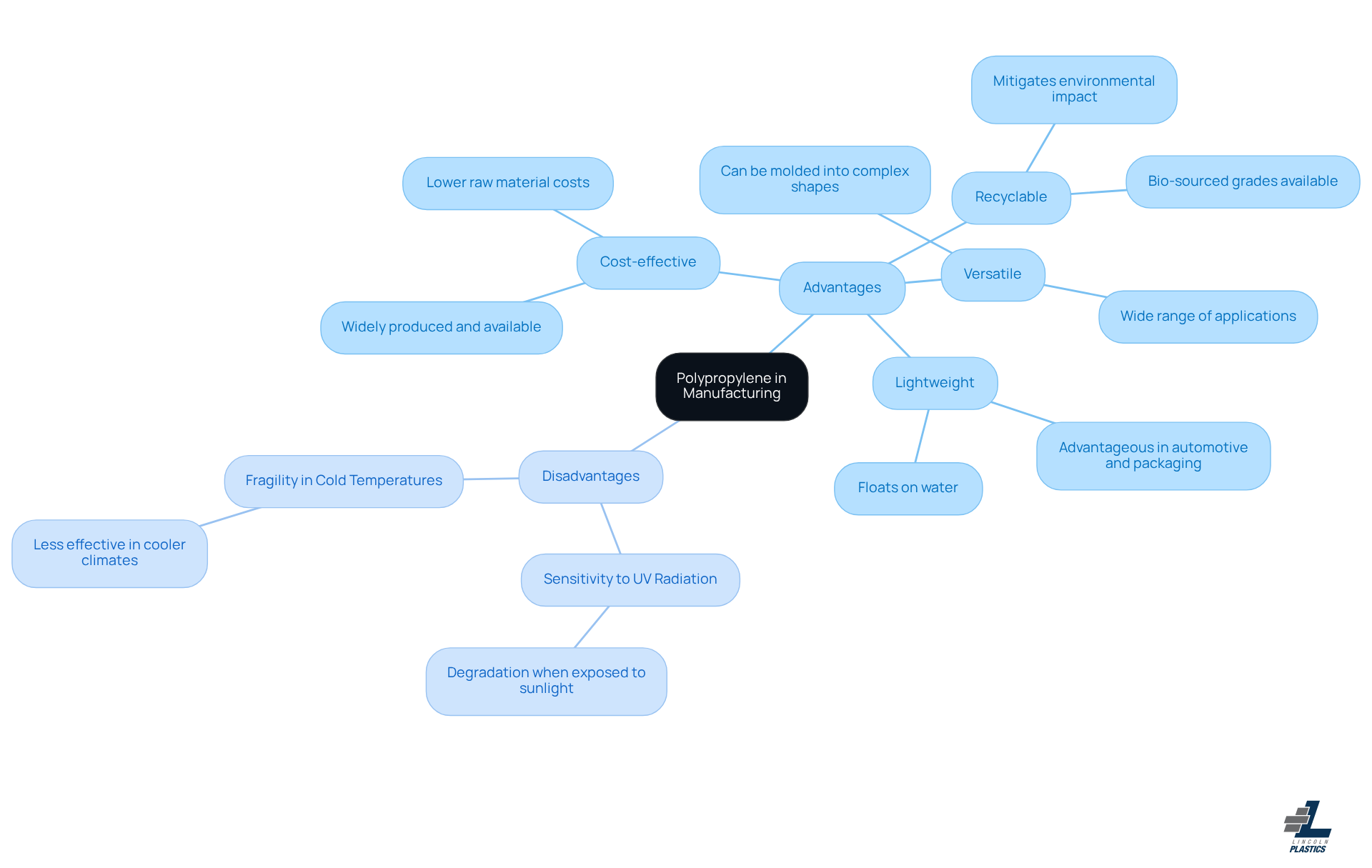
Polypropylene (PP) plastic has a lot going for it, making it a popular pick in manufacturing. For starters, it’s cost-effective. It’s lightweight, which is great for large-scale production. As one source puts it, "it’s durable, which leads to lower raw material costs." Plus, it’s recyclable, which is a significant advantage in the industry. Its versatility means it can be molded into all sorts of complex shapes, paving the way for innovative product designs that cater to various needs. And let’s not forget its strength - this is a real plus in industries like automotive and packaging, where cutting down on weight is key.
But, of course, polypropylene (PP) plastic isn’t perfect. One major downside is its susceptibility to UV degradation. If it’s exposed to sunlight for too long, it can start to break down, making it less suitable for outdoor applications. While it does have some resistance to moisture, which is good for outdoor conditions, it can be brittle. This fragility can really impact its effectiveness in cooler climates. So, these limitations can definitely influence production choices, especially when selecting materials for specific uses.
Implement Best Practices for Effective Use of Polypropylene in Manufacturing
When it comes to using polypropylene in manufacturing, there are some key practices you’ll want to keep in mind:
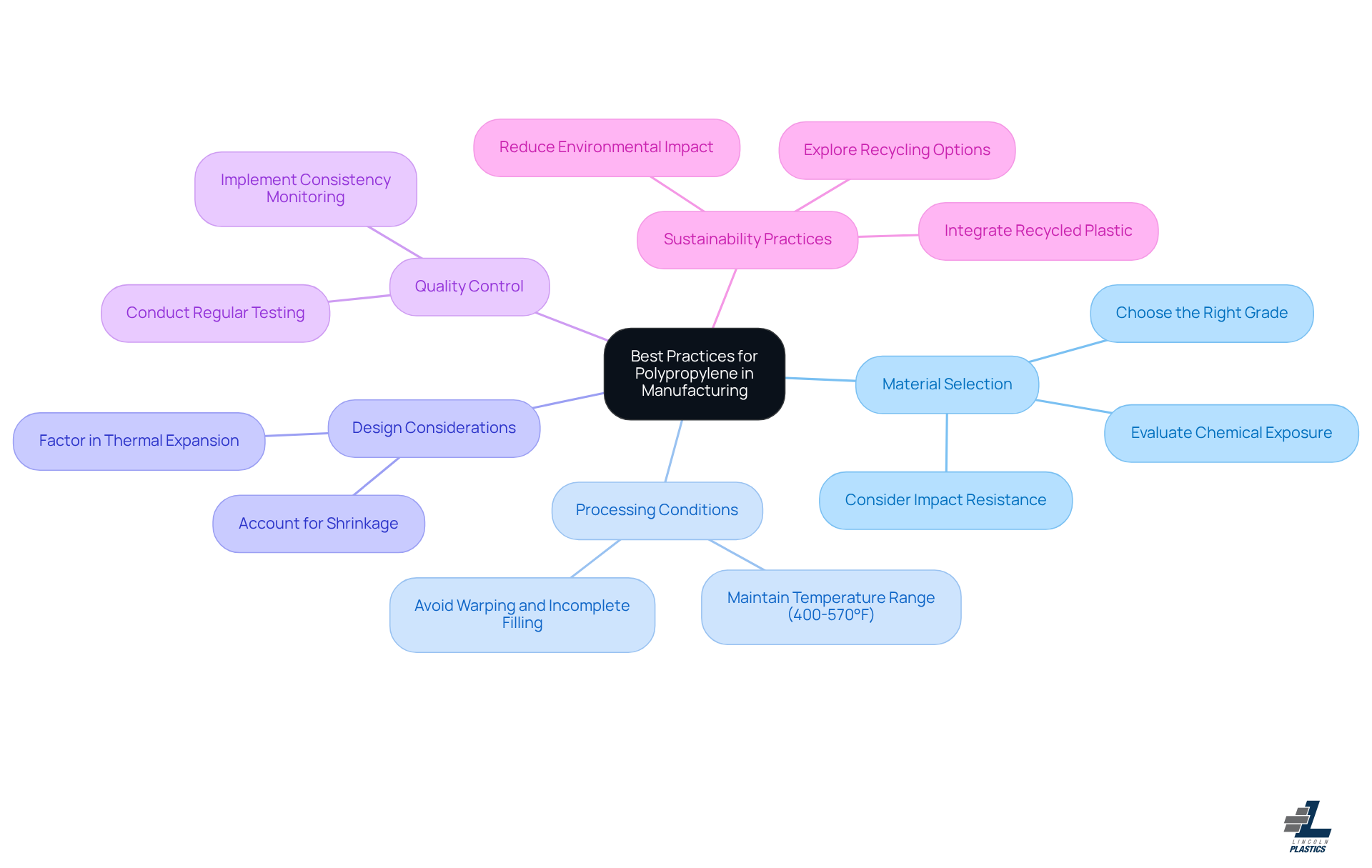
- First off, choose the right grade of polypropylene that fits your specific needs. Are you looking for a material or something that can handle chemical exposure? For example, polypropylene is a great pick if you need clarity and low-temperature impact strength—perfect for packaging and medical containers.
- Processing Conditions: Next, let’s talk about temperature settings. Keeping them between 400-570°F is crucial. This range helps ensure proper flow and consistency during molding. If the temperatures are off, you might run into issues like warping or incomplete filling, which nobody wants!
- Design Considerations: Don’t forget about design! It’s important to factor in the material’s shrinkage and thermal expansion properties. This little bit of foresight can save you from dimensional inaccuracies, making sure your final product meets all the specs and performs reliably.
- Quality Control: Now, let’s discuss quality assurance. Implementing solid measures to monitor the consistency of your polymer batches is key. Regular testing and sticking to industry standards help maintain product integrity and performance, especially as the demand for high-quality plastic keeps rising.
- Sustainability: Lastly, think about sustainability. Have you explored recycling options? Integrating recycled plastic into your manufacturing processes is a smart move. The interest in sustainability is on the rise, reflecting a shift towards sustainability in the industry. By adopting these practices, you can reduce your environmental impact while meeting regulatory requirements and consumer expectations for eco-friendly products.
Conclusion
Polypropylene (PP) plastic really shines as a key player in manufacturing. Why? Well, it’s lightweight, resistant to chemicals, and super versatile! As industries keep changing, getting a grip on how to use polypropylene effectively can really boost production efficiency and product quality.
So, what makes polypropylene such a great choice? This article has looked at its standout properties that make it perfect for everything from car parts to medical devices. With its mechanical strength and low density, it’s no wonder many sectors prefer it. But, let’s not forget the challenges - like its sensitivity to UV radiation and those pesky recycling rates. These factors remind us to be thoughtful when choosing and processing materials.
Now, here’s the good news: manufacturers can adopt some best practices to make the most of polypropylene. By focusing on material selection, processing conditions, and sustainability efforts, companies can not only enhance their production processes but also help create a greener industry. Embracing these strategies means optimizing the benefits of polypropylene while tackling its limitations. So, why not take the leap towards innovative and sustainable manufacturing solutions?
Frequently Asked Questions
What is polypropylene and why is it important in manufacturing?
Polypropylene (PP) is a thermoplastic polymer made from propylene monomers. It is lightweight, highly resistant to chemicals, and versatile, making it a popular material in various industries, including automotive and packaging.
What are some advancements in polypropylene manufacturing?
Innovations in processing technologies have led to the creation of high-clarity containers and specialty grades of polypropylene for specific applications. The global plastic sector is projected to grow significantly, driven by demand in the container, automotive, and medical industries.
What are the key characteristics of polypropylene?
Polypropylene has excellent fatigue resistance, chemical inertness, and is ideal for durable applications like food containers and medical devices. However, it has limited impact resistance at low temperatures.
How does polypropylene perform in terms of chemical resistance?
Polypropylene can withstand a wide range of chemicals, including acids and bases, making it suitable for containers and industrial applications. It is also used in medical settings for synthetic sutures and hernia repairs.
What is the mechanical strength of polypropylene?
Polypropylene has a tensile strength between 30 to 50 MPa and an impact strength of around 5-10 kJ/m², allowing it to withstand tough conditions without cracking, which is essential for automotive parts.
How does polypropylene's low density benefit manufacturing?
With a density of about 0.90 to 0.91 g/cm³, polypropylene helps improve fuel efficiency in vehicles by reducing overall weight, which is advantageous for manufacturers aiming to minimize material use and waste.
What is the thermal stability range of polypropylene?
Polypropylene can handle temperatures from -20°C to 100°C, making it suitable for both hot and cold applications, such as hot-fill food containers and sterilizable medical devices.
What does fatigue resistance mean for polypropylene?
Fatigue resistance refers to polypropylene's ability to bend repeatedly without breaking, which is crucial for components like automotive parts and flexible packaging, ensuring longevity and reliability.
What challenges does polypropylene face regarding recycling?
The recycling rates for polypropylene are quite low, around 1% worldwide, highlighting the need for improved recycling practices and infrastructure to enhance its sustainability profile.
List of Sources
- Understand Polypropylene: Definition and Importance in Manufacturing
- futuremarketinsights.com (https://futuremarketinsights.com/reports/polypropylene-market)
- Is Polypropylene Eco-Friendly? Stats & Trends (https://greenmatch.co.uk/polypropylene-environmental-impact)
- globenewswire.com (https://globenewswire.com/news-release/2025/12/08/3201326/0/en/Trends-Strategies-Shaping-the-219-Billion-Polypropylene-Industry-2025-2035-Packaging-End-Use-Leads-Automotive-Gains-Momentum-in-Polypropylene-Use.html)
- Guide to Polypropylene (PP): A Versatile Material for Manufacturing (https://aprios.com/insights/polypropylene-pp-a-versatile-and-durable-material-for-manufacturing)
- finance.yahoo.com (https://finance.yahoo.com/news/trends-clarified-polypropylene-pp-bottles-151600717.html)
- Identify Key Properties of Polypropylene for Manufacturing Applications
- Is Polypropylene Eco-Friendly? Stats & Trends (https://greenmatch.co.uk/polypropylene-environmental-impact)
- polychemer.com (https://polychemer.com/news/the-application-of-polypropylene-in-the-automo-81241165.html)
- palmetto-industries.com (https://palmetto-industries.com/polypropylene-properties?srsltid=AfmBOor48r00ZuLbCyl7mwofJxWWEN-PcG1t1RUkz_LLRNRSEnlLTDqg)
- delta-engineering.be (https://delta-engineering.be/pp)
- Explore Practical Applications of Polypropylene in Various Industries
- futuremarketinsights.com (https://futuremarketinsights.com/reports/polypropylene-market)
- globenewswire.com (https://globenewswire.com/news-release/2025/07/24/3121202/0/en/Recycled-Polypropylene-Packaging-Market-2025-Statistics-Global-Valuation-and-Regional-Trends.html)
- codefine.com (https://codefine.com/blog/polypropylene-uses)
- globenewswire.com (https://globenewswire.com/news-release/2025/12/08/3201326/0/en/Trends-Strategies-Shaping-the-219-Billion-Polypropylene-Industry-2025-2035-Packaging-End-Use-Leads-Automotive-Gains-Momentum-in-Polypropylene-Use.html)
- Evaluate Advantages and Disadvantages of Polypropylene in Manufacturing
- Polypropylene (PP): Understand the Key Benefits and Applications (https://protolabs.com/materials/polypropylene)
- marketsandmarkets.com (https://marketsandmarkets.com/Market-Reports/polypropylene-ecycling-market-65069830.html)
- in3dtec.com (https://in3dtec.com/which-plastic-is-the-cheapest-in-injection-molding)
- Polypropylene: Benefits, Challenges, and Applications. (https://prototek.com/article/polypropylene-benefits-challenges-and-applications)
- Implement Best Practices for Effective Use of Polypropylene in Manufacturing
- Is Polypropylene Eco-Friendly? Stats & Trends (https://greenmatch.co.uk/polypropylene-environmental-impact)
- tpplasticusa.com (https://tpplasticusa.com/plastic-manufacturing-trends-in-2025-what-businesses-need-to-know-tp-plastic-usa-guide)
- fictiv.com (https://fictiv.com/articles/injection-molding-trends-2025)
- globenewswire.com (https://globenewswire.com/news-release/2025/12/08/3201326/0/en/Trends-Strategies-Shaping-the-219-Billion-Polypropylene-Industry-2025-2035-Packaging-End-Use-Leads-Automotive-Gains-Momentum-in-Polypropylene-Use.html)
Related posts

Right-Sized Production Runs: Flexibility Without the Waste
Lincoln Plastics offers right-sized production runs with a 10-hour minimum — balancing efficiency with flexibility so OEMs avoid oversized orders.


Co-Extrusion: Combining Two Materials for Better Performance
Lincoln Plastics offers co-extrusion, combining two plastics into a single profile for greater design freedom, performance, and cost savings.
Beyond Extrusion: Value-Added Services That Simplify Production
Beyond Extrusion: Value-Added Services That Simplify Production
