
5 Best Practices for the Profile Extrusion Process You Need
Introduction
The profile extrusion process is not just a manufacturing method; it's a vital driver of innovation and quality in today's competitive landscape. As industries demand higher quality outputs, manufacturers must grasp best practices to enhance their competitiveness. Manufacturers often struggle to keep pace with evolving industry standards and customer expectations. What are the critical steps and considerations that can elevate the profile extrusion process from standard to exceptional? By mastering these practices, companies can not only meet but surpass industry benchmarks, setting themselves apart from competitors.
Understand the Profile Extrusion Process
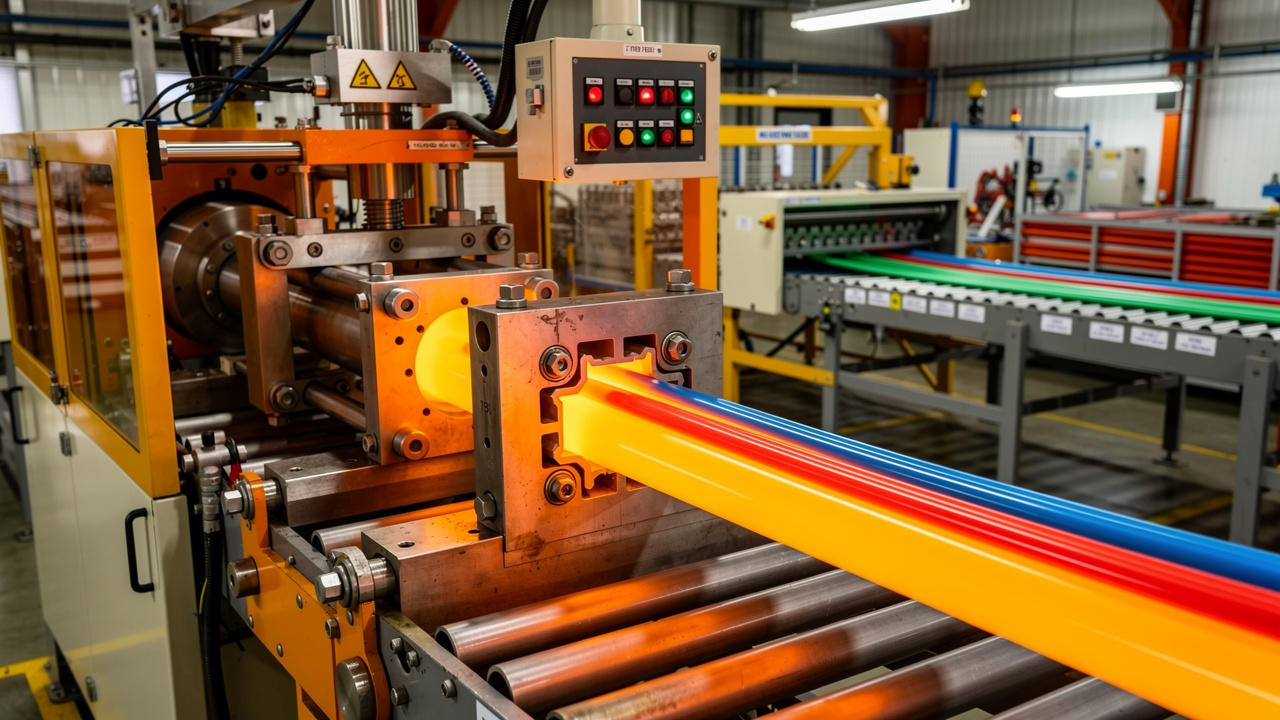
At the forefront of manufacturing innovation, our profile extrusion process capabilities redefine industry standards for quality and efficiency. This advanced manufacturing method, known as the profile extrusion process, converts thermoplastic substances into continuous forms with a consistent cross-section. The process begins with the careful selection of raw materials, commonly thermoplastics such as PVC, polyethylene, or polypropylene. These materials are heated until they reach a flexible state. Once melted, the thermoplastic is shaped into various profiles, including pipes, tubes, and custom designs, through the profile extrusion process. To maintain the desired shape and dimensional accuracy, cooling systems solidify the extruded material promptly. Getting this process right is crucial for boosting production efficiency and delivering high-quality products that meet your specific needs.
Furthermore, recent advancements in shaping technology, including automation and improved die precision, are enhancing production capabilities. These advancements not only enhance production capabilities but also position manufacturers as leaders in the industry, enabling tighter tolerances and quicker turnaround times. Embracing these advancements ensures your products not only meet but exceed market expectations, setting you apart from the competition.

Outline Key Steps in Profile Extrusion
The profile extrusion process is a meticulous journey that demands precision at every stage to ensure high-quality outcomes:
- Substance Preparation: Choosing and readying the appropriate thermoplastic substances is crucial. Ensuring that substances are clean and free from impurities is vital, as these factors can compromise the final product's quality. For instance, PVC typically melts at around 160-220°C, while polyethylene and polypropylene have melting points of approximately 120-180°C and 160-230°C, respectively. Lincoln Plastics emphasizes the importance of utilizing premium materials to enhance the profile extrusion process for efficiency and quality.
- Melting: The prepared substances are fed into the extruder, where they are heated to their melting point. This step is vital. It ensures materials flow smoothly, paving the way for effective shaping. Mastering this step is essential for achieving the desired characteristics in the final product.
- Shaping: The molten plastic is forced through a die that shapes it into the desired profile. The design of the die is critical for achieving the correct dimensions and surface finish, which directly affects the performance of the item. Lincoln Plastics offers custom diameters, wall thicknesses, and finishes to meet specific OEM requirements, ensuring that standard pipe sizes don’t always dictate the outcome.
- Cooling: After exiting the die, the extruded profile is cooled, typically using air or water. Cooling tanks may also be utilized to enhance the cooling process, solidifying the material and helping maintain its shape, preventing warping or dimensional instability. This step is key to keeping the final product intact.
- Cutting and Finishing: Once cooled, the profiles are cut to the required lengths. Additional finishing processes, such as trimming or surface treatment, may be applied to enhance the item's functionality and aesthetic appeal. Filtering is also a crucial step in this process, ensuring that contaminants are eliminated from the melted plastic before shaping, which is essential for preserving product integrity. Lincoln Plastics' dedication to excellence includes focused improvement strategies and value-added services that enhance the overall manufacturing process.
By carefully adhering to these steps and incorporating best practices, manufacturers can significantly enhance the quality and efficiency of their profile extrusion process. By mastering these critical steps, manufacturers not only enhance product quality but also position themselves as leaders in a competitive market.

Select Appropriate Materials and Design
Selecting the right components for the profile extrusion process is not just important; it's essential for achieving peak performance and reliability in your applications. At Lincoln Plastics, we produce a range of flexible profiles in various sizes and substances, ensuring our solutions satisfy diverse application requirements. Key materials include:
- PVC: Renowned for its versatility and cost-effectiveness, PVC is extensively utilized in applications such as irrigation pipes and cable management systems.
- Polyethylene: This substance is celebrated for its excellent flexibility and chemical resistance, making it ideal for various outdoor applications.
- Polypropylene: Known for its good impact resistance and fatigue strength, polypropylene is well-suited for products that demand durability.
Furthermore, design factors play a critical role in determining the quality of the profile extrusion process. Profiles should have uniform wall thickness to ensure consistent flow during shaping and to minimize defects. Avoiding sharp corners and incorporating rounded edges can enhance the structural integrity of the profiles. Neglecting to match material characteristics with design specifications can lead to defects and compromised product quality. Our innovative Flexiduct solution provides tailored cord management options, enhancing workplace safety and productivity while protecting your business from cord hazards. Choosing Lincoln Plastics means investing in quality and innovation that directly impacts your operational success.

Utilize Auxiliary Equipment Effectively
In the competitive landscape of custom plastic extrusion, auxiliary equipment is essential for achieving superior efficiency and shaping in the profile extrusion process. Let’s explore some key auxiliary systems that can transform your extrusion process:
- Cooling Systems: These are crucial for solidifying the extruded profiles quickly and uniformly, preventing warping or dimensional inaccuracies. Mastering the cooling process is vital for optimizing the profile extrusion process, ensuring that the final outcome meets strict standards.
- Material Handling Equipment: This includes conveyors and feeders that ensure a steady supply of raw materials to the extruder, minimizing downtime. By optimizing order sizes and production efficiency, Lincoln Plastics can maximize machine run times per setup, ultimately benefiting OEM applications.
- Cutting and Finishing Tools: Automated cutting systems can improve precision and reduce labor costs, ensuring that profiles are cut to exact specifications. Applying best practices in cutting and finishing can greatly enhance the overall standard of the extruded items.
Incorporating these auxiliary systems into the profile extrusion process can streamline operations, minimize waste, and enhance the overall quality of the extruded items. Without the right auxiliary equipment, achieving optimal efficiency and quality in the profile extrusion process becomes a significant challenge. Producers should evaluate their existing configurations and contemplate investments in supplementary equipment that correspond with their production objectives. By strategically investing in auxiliary systems, producers can not only enhance their operational efficiency but also ensure their products consistently meet the highest standards of quality.

Implement Quality Control Measures
In the competitive landscape of custom plastic extrusion, quality control is not just important; it's essential for maintaining product integrity and customer trust. Essential quality control measures include:
- Material Inspection: Before production, raw materials must undergo rigorous inspection for purity and compatibility with the extrusion process. This step is vital, as various substances respond differently to processing conditions, affecting the final item's standard.
Continuous oversight of extrusion parameters, such as temperature, pressure, and flow rate, is crucial for maintaining consistency and preventing defects in the profile extrusion process. Real-time monitoring allows for prompt modifications, ensuring that the molten plastic is handled effectively and that the final output meets standards.
- Dimensional Checks: Regular measurements of extruded profiles are necessary to verify compliance with dimensional tolerances. This can be accomplished through automated inspection systems or manual checks, utilizing high-precision tools like calipers and micrometers to ensure accuracy.
- Final Item Testing: Testing completed items for tensile strength and flexibility ensures they perform as expected, giving you peace of mind about their quality. These tests not only confirm adherence to customer specifications but also facilitate complete traceability, strengthening the dedication to excellence.
By applying these control measures, you enhance product reliability, reduce waste, and increase customer satisfaction, ultimately resulting in a more successful profile extrusion process. As industry data suggests, rigorous quality control can significantly reduce defect rates, fostering trust and satisfaction among clients. By prioritizing quality control, you not only enhance product reliability but also build lasting relationships with your clients, ensuring long-term success in the industry.

Conclusion
The profile extrusion process is not just a manufacturing method; it’s a critical factor in achieving market leadership. Emphasizing the importance of each step - from material selection to quality control - ensures that manufacturers can produce high-quality profiles that meet market demands. Mastering this process allows organizations to enhance their production capabilities. It also helps solidify their position in a competitive landscape.
What key practices can elevate your profile extrusion process? Meticulous preparation of materials, effective shaping techniques, and the right auxiliary equipment can streamline operations. Each stage plays a critical role in achieving consistent quality and efficiency, reinforcing the notion that attention to detail can significantly impact the final product. How can you ensure product integrity? Implementing robust quality control measures is essential for fostering trust with clients.
In the end, optimizing the profile extrusion process is crucial for success. By adopting these best practices, manufacturers are empowered to deliver superior products, enhance operational efficiency, and cultivate long-lasting relationships with customers. Ignoring the optimization of this process could mean falling behind competitors who prioritize quality and innovation.
Frequently Asked Questions
What is the profile extrusion process?
The profile extrusion process is an advanced manufacturing method that converts thermoplastic substances into continuous forms with a consistent cross-section, producing items such as pipes, tubes, and custom designs.
What materials are commonly used in the profile extrusion process?
Commonly used thermoplastics in the profile extrusion process include PVC, polyethylene, and polypropylene.
What are the key steps involved in the profile extrusion process?
The key steps are substance preparation, melting, shaping, cooling, and cutting and finishing.
Why is substance preparation important in the profile extrusion process?
Substance preparation is crucial because it ensures that the thermoplastic materials are clean and free from impurities, which can compromise the quality of the final product.
What happens during the melting stage of the profile extrusion process?
During the melting stage, prepared thermoplastic substances are fed into the extruder and heated to their melting point, allowing them to flow smoothly for effective shaping.
How does the shaping process work in profile extrusion?
In the shaping process, the molten plastic is forced through a die that shapes it into the desired profile, with the design of the die being critical for achieving the correct dimensions and surface finish.
What is the cooling process in profile extrusion?
After exiting the die, the extruded profile is cooled using air or water, or in cooling tanks, to solidify the material and maintain its shape, preventing warping or dimensional instability.
What occurs during the cutting and finishing stage of profile extrusion?
Once cooled, the profiles are cut to the required lengths, and additional finishing processes, such as trimming or surface treatment, may be applied to enhance functionality and aesthetic appeal.
How do recent advancements in technology impact the profile extrusion process?
Recent advancements in shaping technology, including automation and improved die precision, enhance production capabilities, allowing for tighter tolerances and quicker turnaround times, positioning manufacturers as industry leaders.
What role does Lincoln Plastics play in the profile extrusion process?
Lincoln Plastics emphasizes the importance of using premium materials, offers custom diameters and finishes, and implements focused improvement strategies and value-added services to enhance the profile extrusion process for efficiency and quality.
List of Sources
- Understand the Profile Extrusion Process
- custom-profile.com (https://custom-profile.com/blog/how-changes-in-extrusion-technology-enhance-the-manufacturing-process)
- 2026 Aluminum Extrusion Trends & Outlook | Profile Precision Extrusions (https://profileprecisionextrusions.com/2026-outlook-innovations-and-trends-shaping-the-future-of-aluminum-extrusions)
- Bot Verification (https://rainbowbelts.com/news/profile-extrusion-what-is-it-and-how-does-it-work)
- linkedin.com (https://linkedin.com/pulse/north-america-aluminum-extrusion-manufacturing-market-o360c)
- plasticstoday.com (https://plasticstoday.com/plastics-processing/extrusion-pipe-profile)
- 10 Ways Extrusion Technology Transforms Manufacturing Efficiency (https://lincoln-plastics.com/news-post/10-ways-extrusion-technology-transforms-manufacturing-efficiency)
- Aluminum Extrusion Market Set to Hit USD 202.23 Billion by 2035, Driven by Rising Demand for Lightweight and Sustainable Materials | Report by SNS Insider (https://globenewswire.com/news-release/2026/03/16/3256280/0/en/aluminum-extrusion-market-set-to-hit-usd-202-23-billion-by-2035-driven-by-rising-demand-for-lightweight-and-sustainable-materials-report-by-sns-insider.html)
- Outline Key Steps in Profile Extrusion
- custom-profile.com (https://custom-profile.com/blog/how-the-profile-extrusion-process-works)
- 2026 Aluminum Extrusion Trends & Outlook | Profile Precision Extrusions (https://profileprecisionextrusions.com/2026-outlook-innovations-and-trends-shaping-the-future-of-aluminum-extrusions)
- Bot Verification (https://rainbowbelts.com/news/profile-extrusion-what-is-it-and-how-does-it-work)
- nextmsc.com (https://nextmsc.com/blogs/what-is-driving-aluminum-extrusion-growth-across-global-manufacturing-in-2026?srsltid=AfmBOopNXAWE3ozHNtfj9vubcTGdcLt2k_aqqsNBMFgsQZWTyTnMm6jT)
- nextmsc.com (https://nextmsc.com/blogs/what-is-driving-aluminum-extrusion-growth-across-global-manufacturing-in-2026?srsltid=AfmBOoq7wM14P0Sydc8tJmTjOKRz81lDo_Sk9HNPSu1sHLpMUFqLELSg)
- 5 Best Practices for Optimizing Your Plastic Extrusion Profile (https://lincoln-plastics.com/news-post/5-best-practices-for-optimizing-your-plastic-extrusion-profile)
- jiantaimachine.com (https://jiantaimachine.com/plastic-extrusion-process-step-by-step-guide-2026)
- gwellextrusion.com (https://gwellextrusion.com/what-are-the-5-steps-of-extrusion-step-by-step-guide)
- lincoln-plastics.com (https://lincoln-plastics.com/news-post/the-extrusion-process-explained)
- Select Appropriate Materials and Design
- 2026 Aluminum Extrusion Trends & Outlook | Profile Precision Extrusions (https://profileprecisionextrusions.com/2026-outlook-innovations-and-trends-shaping-the-future-of-aluminum-extrusions)
- shengaoaluminum.com (https://shengaoaluminum.com/blog/2026-aluminum-profile-extrusion-techniques-innovations-guide)
- Extrusion Design Tips | Aluminum Extruders Council (https://aec.org/extrusion-design-tips)
- nextmsc.com (https://nextmsc.com/blogs/what-is-driving-aluminum-extrusion-growth-across-global-manufacturing-in-2026?srsltid=AfmBOooewjyHXUc8G6upzJBl6pcCQYmlYRCMEjgAjGg9lanAhcuswLky)
- m3extrusion.com (https://m3extrusion.com/common-design-issues-solved-by-custom-extruded-plastic-profiles)
- lincoln-plastics.com (https://lincoln-plastics.com/news-post/engineer-education-series-1-designing-plastic-extrusion-profiles---key-engineering-considerations)
- earth.org (https://earth.org/plastic-pollution-quotes)
- Choosing the Right Materials for Plastic Extrusion - Rocal Extrusions (https://rocalextrusions.co.uk/news/choosing-the-right-materials-for-plastic-extrusion)
- Utilize Auxiliary Equipment Effectively
- extruderfactory.com (https://extruderfactory.com/news/industry-news/enhancing-efficiency-and-precision-exploring-plastic-processing-auxiliary-equipment-and-polymer-processing-auxiliary-devices.html)
- prm-taiwan.com (https://prm-taiwan.com/blog/2026-extrusion-survival-guide-beat-labor-shortages-hit-80-pcr-targets_674)
- iextrusion.com (https://iextrusion.com/the-ultimate-2026-buyers-guide-to-hdpe-pe-pipe-extrusion-lines-polyolefin-processing-auxiliary-equipment-complete-turnkey-setup)
- jjindustriesindia.com (https://jjindustriesindia.com/how-plastic-auxiliary-equipment-boosts-efficiency-in-injection-molding-and-extrusion-lines)
- plasticstoday.com (https://plasticstoday.com/plastics-processing/auxiliaries)
- lincoln-plastics.com (https://lincoln-plastics.com/news-post/10-essential-insights-on-extrusion-tubing-for-oe-ms?dcc2137a_page=8)
- Implement Quality Control Measures
- Quality Control Measures in Precision Aluminum Extrusion Manufacturing | Profile Precision Extrusions - Aluminum Extrusions Blog (https://profileprecisionextrusions.com/quality-control-measures-in-precision-aluminum-extrusion-manufacturing)
- One moment, please... (https://condaleplastics.com/extrusion-advice/plastic-extrusion-a-guide-to-quality-control)
- shengaoaluminum.com (https://shengaoaluminum.com/blog/2026-aluminum-profile-extrusion-techniques-innovations-guide)
- 4 Best Practices for Quality Extrusion in Your Supply Chain (https://lincoln-plastics.com/news-post/4-best-practices-for-quality-extrusion-in-your-supply-chain)
- Quality Control and Testing Procedures - Plastic Extrusion Technologies (https://plasticextrusiontech.net/quality-control-and-testing-procedures-in-plastic-extrusions)
- Quality Control in Plastic Extrusion for Consistent Results | Rocal (https://rocalextrusions.co.uk/news/quality-control-in-plastic-extrusion-to-ensure-consistent-results)
- 4 Best Practices for Effective Process Control Quality in Extrusion (https://lincoln-plastics.com/news-post/4-best-practices-for-effective-process-control-quality-in-extrusion)
Related posts

Why Custom Pipe Extrusion Matters More Than Ever
Standard pipe sizes don’t always work. Learn how Lincoln Plastics delivers custom diameters, wall thicknesses, and finishes in right-sized runs.


Reducing Trip Hazards with Custom Cord Management
Loose cords are more than messy — they’re a safety hazard. Lincoln Plastics’ custom cord covers and Flexiduct solutions improve safety and efficiency.
The Power of Custom Plastic Profiles for OEMs
Off-the-shelf profiles force compromises. Learn how Lincoln Plastics designs custom extruded profiles for OEMs with exact specs and right-sized runs.
