
5 Best Practices for Sourcing Thermoplastic Plastics Effectively
Introduction
Thermoplastics are shaking things up in manufacturing! Their ability to be reshaped and reused makes them a key player in modern production. As industries look for sustainable and cost-effective solutions, getting a grip on how to source these versatile materials is super important.
But let’s be real: sourcing thermoplastics isn’t always a walk in the park. There are challenges like fluctuating costs and finding reliable suppliers. So, how can manufacturers tackle these hurdles and really tap into the potential of thermoplastics in their operations?
Now, let’s talk about some strategies that can help you navigate this complex landscape!
Define Thermoplastics and Their Importance in Manufacturing
Thermoplastics are pretty fascinating! They’re a special type of plastic that softens and becomes moldable when heated, then hardens again when cooled. This cool property of thermoplastics means you can reshape them over and over without them falling apart, which is why their versatility is so valuable.
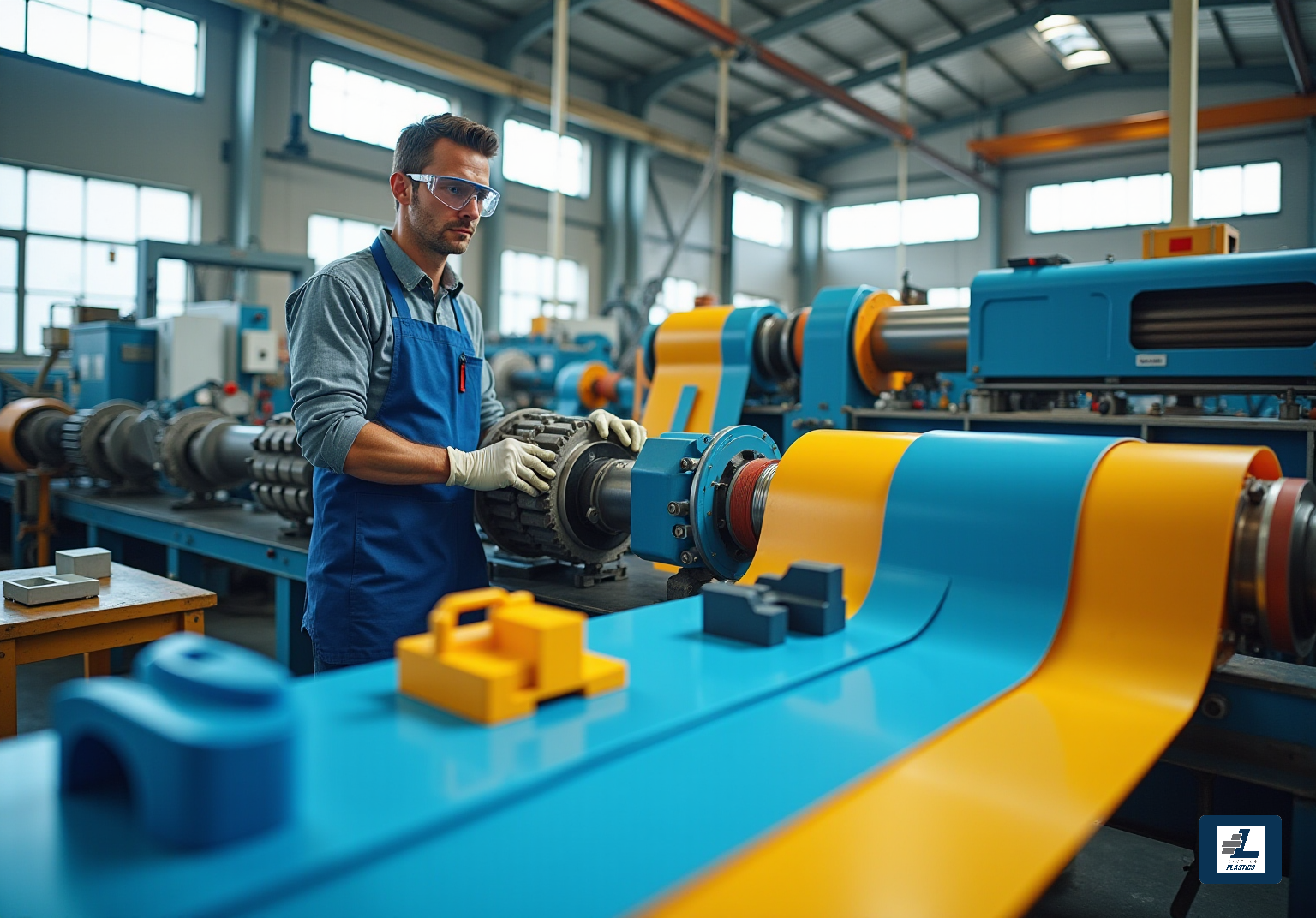
Now, let’s talk about applications. Here, plastic materials really shine because they’re super adaptable. Companies like Lincoln Plastics can whip up products that fit specific needs. They even offer custom formulations and can co-extrude colors right into those profiles, making sure everything is just right for their clients.
These materials are significant in manufacturing as well. They deliver solutions made from plastics that are used across various industries, from automotive to consumer goods and even medical devices. As we see more demand for innovative materials, these plastics are getting a lot of attention for their potential to revolutionize production.
Did you know that forecasts suggest the total output of plastic from 1950 to 2050 is set to skyrocket? That just shows how important plastic materials are in our industry. Plus, sustainability is becoming a priority, especially with trends expected to ramp up in 2026, as noted by Key Plastics. It’s clear the industry is shifting towards more eco-friendly practices.
But, let’s be real - getting plastic materials isn’t always a walk in the park. There are challenges like fluctuating material costs and supply chain issues. That’s where Lincoln Plastics steps in, working closely with OEMs to ensure their products meet all quality standards. They use strict quality control measures to guarantee everything is precise and reliable.
And here’s a real

Identify Common Types of Thermoplastics and Their Applications
Let’s dive into some common heat-sensitive plastics you might encounter:
- PE
- PP
- PVC
- ABS
Each of these materials has its own unique traits that make them perfect for specific uses.
Take polyethylene, for instance. It’s well-known for its flexibility and durability, which is why it’s a go-to choice for packaging solutions. Now, if we shift gears to polypropylene, you’ll find it’s gaining traction in OEM products. Why? Because it’s lightweight and boasts excellent chemical resistance, making it a star performer in automotive and consumer goods.
Then there’s PVC. This material is celebrated for its versatility, making it a staple in construction and plumbing. And let’s not forget ABS, which is a favorite in the automotive sector thanks to its strength and impact resistance.
Understanding these materials is crucial for anyone looking to source thermoplastics in manufacturing. And here’s something to think about: the market growth. That’s driven by innovations and increasing demand across various sectors. So, what do you think? Are you ready to explore how these materials can enhance your projects?

Evaluate the Advantages of Sourcing Thermoplastics
Sourcing can really make a difference for manufacturers, right? They’re essential! You see, these materials can be produced at lower costs compared to traditional options, which is a big win for anyone in the industry. Plus, their ability to be reshaped and reused as needed significantly contributes to sustainability, helping to reduce waste.
Now, let’s talk about how Lincoln Plastics takes these benefits up a notch. We offer some pretty cool solutions that enhance what thermoplastics can do for you. For example, our advanced technology allows for greater flexibility. And with our precise fitting insertion, you can be sure everything is compatible with various applications.
But that’s not all! Our thorough quality assurance procedures mean that each item meets the highest standards. This gives manufacturers the confidence that their specifications are fulfilled accurately. It’s all about customization and personalization, allowing manufacturers to create outstanding items that meet diverse market needs. So, why not explore how we can help you elevate your products?

Ensure Supplier Reliability and Quality Control in Sourcing
When it comes to finding reliable suppliers, manufacturers often face a real challenge. It’s crucial to assess potential partners thoroughly, focusing on their quality assurance processes, certification standards like ISO 9001, and their track record of successful deliveries. At Lincoln Plastics, we work hand-in-hand with OEMs to make sure their products meet all necessary standards, including those special checks for ‘fit and function.’
Now, let’s talk about communication. Establishing clear channels and setting expectations can really strengthen those relationships. Our assurance system is pretty robust, featuring a dedicated manual for your reference that includes:
- Drawings
- Critical in-process checks
- Run documentation
This ensures everything is precise and compliant.
But that’s not all! Quality control is essential to maintain high standards in plastic sourcing. By prioritizing supplier reliability, manufacturers can significantly reduce the risks of production delays and quality issues. So, why not take that step today?
Implement Effective Contract Negotiation and Supplier Management Strategies
When it comes to successful sourcing, preparation is key. You really need to understand the market and what your vendors can offer. Setting clear goals and knowing what you want out of the negotiations is crucial.
Now, let’s talk about collaboration. Building relationships with vendors based on mutual benefits, rather than just simple transactions, can lead to better deals. Have you ever thought about how strong partnerships can give you an edge in pricing negotiations? They really can make a difference!
And don’t forget about communication. Keeping the lines open and regularly assessing vendor performance is essential for nurturing relationships. This not only boosts efficiency but also enhances product quality. Did you know that organizations that prioritize collaboration with vendors see a 25% increase in sourcing effectiveness? That’s a significant boost!
On the flip side, it’s important to recognize that contracting inefficiencies can lead to losses that exceed 8% of annual revenue. That’s a hefty price to pay for poor management! As Thomas Thym points out, effective negotiation is vital for maximizing operational performance and achieving sustainable outcomes. So, what steps can you take today to improve your vendor relationships?

Conclusion
Thermoplastics are pretty essential in today’s manufacturing world. They bring unique properties that really boost the versatility and efficiency of production processes. Plus, their ability to be reshaped and recycled not only saves costs but also meets the rising demand for sustainable practices across various industries. As manufacturers look for innovative materials, getting a grip on thermoplastics is key to staying ahead of the game.
Now, let’s talk about some best practices for sourcing thermoplastics effectively. It’s all about:
- Knowing the common types and their applications
- Weighing the advantages of these materials
- Ensuring your suppliers are reliable
- Mastering those contract negotiation strategies
Each of these points highlights how important it is to plan thoroughly and manage proactively to tackle challenges like fluctuating costs and supply chain hiccups.
Ultimately, embracing these sourcing best practices can lead to better product quality, improved operational efficiency, and a stronger commitment to sustainability. Manufacturers should definitely explore these strategies and build collaborative relationships with suppliers. This approach paves the way for a more resilient and innovative manufacturing landscape. By prioritizing effective sourcing practices, organizations can not only meet today’s demands but also drive future growth in an ever-evolving market.
Frequently Asked Questions
What are thermoplastics and why are they important in manufacturing?
Thermoplastics are a type of plastic that soften and become moldable when heated, then harden again when cooled. Their ability to be reshaped multiple times without damage makes them valuable in manufacturing, providing durable, lightweight, and cost-effective solutions across various industries.
What is custom profile extrusion and how do thermoplastics play a role in it?
Custom profile extrusion is a process where plastic materials are shaped into complex designs to meet specific needs. Thermoplastics are adaptable and can be used to create flexible profiles, with options for co-extruding colors, allowing manufacturers like Lincoln Plastics to tailor products for their clients.
What are some common types of thermoplastics and their applications?
Common types of thermoplastics include: - Polyethylene (PE): Known for flexibility and chemical resistance, often used in packaging. - Polypropylene (PP): Lightweight with excellent fatigue resistance, used in automotive and consumer goods. - Polyvinyl Chloride (PVC): Celebrated for durability and versatility, commonly used in construction and plumbing. - Acrylonitrile Butadiene Styrene (ABS): Favored in the automotive sector for its strength and impact resistance.
What challenges do OEM Purchasing Managers face when sourcing plastic materials?
OEM Purchasing Managers often encounter challenges such as fluctuating material costs and supply chain issues. Companies like Lincoln Plastics help address these challenges by working closely with OEMs to meet quality standards through strict quality control measures.
How is the plastics market expected to grow in the coming years?
The plastics market is projected to grow by 5.3% each year from 2026 to 2033, driven by innovations and increasing demand across various sectors, highlighting the significance of thermoplastics in enhancing product performance and sustainability.
List of Sources
- Define Thermoplastics and Their Importance in Manufacturing
- compositesworld.com (https://compositesworld.com/topics/thermoplastics)
- statista.com (https://statista.com/statistics/1192886/thermoplastics-production-volume-by-type-globally?srsltid=AfmBOoopFWfB54x_X7-ZGN-vW6Zj4uMoEDjRn6lqSN5k8PaxFydsG7ps)
- openpr.com (https://openpr.com/news/4366506/united-states-thermoplastic-composites-market-supports-growth)
- What are the Plastic Manufacturing Trends for 2026? - Key Plastics (https://keyplastics.ie/what-are-the-plastic-manufacturing-trends-for-2026)
- Identify Common Types of Thermoplastics and Their Applications
- linkedin.com (https://linkedin.com/pulse/overview-thermoplasticsmarket-industryshowing-growth-rate-53-52v2e)
- compositesworld.com (https://compositesworld.com/topics/thermoplastics)
- vgm.com (https://vgm.com/communities/opga/exploring-the-latest-trends-in-the-orthotics-and-prosthetics-profession)
- engineering.tamu.edu (https://engineering.tamu.edu/news/2022/04/etid-new-method-for-thermoplastic-production-offers-potential-to-replace-metals.html)
- Evaluate the Advantages of Sourcing Thermoplastics
- 3 benefits of thermoformed plastics for sustainable supply chains (https://nefab.com/news-insights/2022/3-benefits-of-thermoformed-plastics-for-sustainable-supply-chains)
- automationplastics.com (https://automationplastics.com/news/exploring-the-versatility-of-thermoplastic-parts-across-industries-1)
- intelmarketresearch.com (https://intelmarketresearch.com/global-thermoplastic-elastomers-for-construction-forecast-market-26344)
- nsaen.com (https://nsaen.com/7-reasons-thermoplastics-are-the-go-to-material-for-manufacturers-and-fabricators)
- Is Polypropylene Eco-Friendly? Stats & Trends (https://greenmatch.co.uk/polypropylene-environmental-impact)
- Ensure Supplier Reliability and Quality Control in Sourcing
- ima-net.org (https://ima-net.org/being-a-plastic-manufacturer)
- rosti.com (https://rosti.com/en-us/resources/blogs/plastic-injection-moulding-manufacturers-certifications)
- caryproducts.com (https://caryproducts.com/iso-9001-2015-quality-plastic-manufacturing)
- rodongroup.com (https://rodongroup.com/blog/importance-of-quality-certifications-manufacturing)
- talismangroup.co.uk (https://talismangroup.co.uk/news/standards-in-plastics-manufacturing-why-certification-matters)
- Implement Effective Contract Negotiation and Supplier Management Strategies
- procurementmag.com (https://procurementmag.com/news/how-does-bmw-manage-90bn-spend-and-thousands-of-suppliers)
- 40 must know contract management trends for 2026 | fynk (https://fynk.com/en/blog/contract-management-statistics-trends)
- The Future of Procurement | Trends and Predictions for 2026 (https://getfocalpoint.com/the-future-of-procurement-trends-and-predictions-for-2026)
Related posts

Custom Colors & Branding in Extrusion
Lincoln Plastics delivers Pantone-matched colors, striping, and finishes in extrusion for OEMs — combining performance with branding.


How We Solve Problems When Standard Parts Don’t Work
Lincoln Plastics solves challenges OEMs face when standard parts don’t work — delivering custom extrusions that improve fit, cost, and reliability.
Cable & Cord Protection in High-Traffic Environments
Lincoln Plastics manufactures durable cord covers and management solutions to keep high-traffic environments safe, organized, and compliant.
