
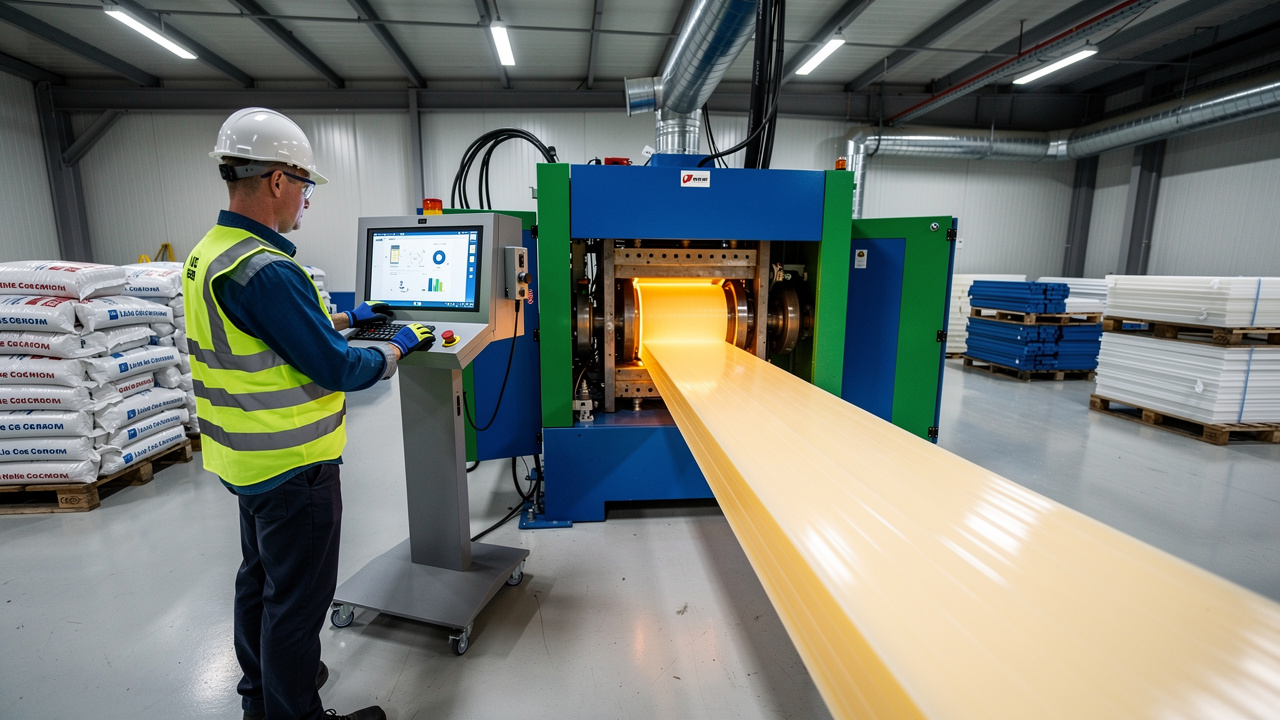
5 Best Practices for Optimizing the Extruding Process in Manufacturing
Introduction
The extrusion process is not just a manufacturing technique; it’s a cornerstone of efficiency in producing essential products. Industries are striving to optimize production. Understanding the nuances of extrusion methods is crucial for enhancing quality and reducing costs. Manufacturers face rising material costs and increasing demand for customization, creating a challenging landscape. How can they navigate these challenges while maintaining high standards?
Let’s explore five best practices that can help you optimize the extrusion process, offering insights that empower manufacturers to achieve greater efficiency and product excellence.
Define the Extrusion Process and Its Importance in Manufacturing
The extruding process serves as a cornerstone of modern manufacturing, transforming raw plastic into essential products with precision and efficiency. This method efficiently produces a range of products, from pipes and tubes to custom profiles designed for OEM needs. Its significance in manufacturing is underscored by the ability to create intricate forms with uniformity, making it a preferred choice across various sectors.
Lincoln Plastics, based in Lincoln, Nebraska, has been at the forefront of custom shaping solutions since 1948. The company specializes in manufacturing flexible profiles and offers co-extrusion capabilities, enabling multi-color or multi-material profiles that cater to diverse customer needs. In 2022, the agricultural processing market alone was valued at $2.3 billion, highlighting the critical role of the extruding process in sectors like irrigation. Furthermore, shaping contributes to substantial waste reduction, with near-net-shape methods minimizing machining steps and improving resource utilization.
How are manufacturers coping with rising material costs? They are grappling with escalating material costs, which have surged by 27% from 2021 to 2023.
The shaping process also supports high-volume production. How does it do this? It’s crucial for meeting the ever-growing market demands. For instance, the average output of a standard extruding process can reach 10-20 tons per day, enabling manufacturers to respond swiftly to customer needs. Furthermore, Lincoln Plastics employs advanced automated quality control systems, enhancing consistency and reducing defects by 25% since 2020. Their robust quality management program, including ISO 9001:2015 certification, ensures that all items meet stringent quality standards through dedicated quality plans and in-process checks.
Case studies illustrate the importance of shaping processes in boosting manufacturing efficiency. For example, the implementation of advanced measurement technologies, such as in-line thickness gauges, enables manufacturers to maintain optimal product specifications, avoiding excessive material usage and enhancing overall quality. As the sector develops, the demand for tailored solutions is on the rise, with 72% of producers expressing increased interest in customized applications.
In summary, the shaping process is not only essential for creating high-quality components but also plays a crucial role in enhancing efficiency and sustainability in manufacturing. By partnering with Lincoln Plastics, OEMs can navigate these challenges and leverage innovative solutions that drive their success in a competitive landscape.

Explore Different Types of Extrusion Methods and Their Applications
Choosing the right extrusion method can significantly impact production efficiency and product quality. Several extrusion methods are utilized in manufacturing, each with distinct advantages and applications:
- Direct Extrusion: This common technique involves pushing substance through a die directly, making it ideal for producing simple shapes. Its cost-effectiveness and efficiency make it suitable for high-volume production, particularly in industries like agriculture where consistent, reliable components are essential.
- Indirect Extrusion: In the indirect extruding process, the die moves toward the substance, allowing for enhanced control over the extrusion process. This method is particularly beneficial for creating complex shapes with tighter tolerances, which is crucial in applications requiring precision, such as medical tubing and specialized agricultural components.
- Co-Extrusion: This method extrudes two or more substances at the same time through a single die, allowing the creation of multi-layered items with improved characteristics. Co-extrusion is commonly employed in applications that require a combination of flexibility and rigidity, such as irrigation systems and cord management solutions, which are vital in agricultural and industrial settings. We at Lincoln Plastics focus on excellence and collaboration, ensuring you receive high-quality, reliable rigid plastic manufacturing solutions backed by our ISO 9001:2015 certification and strong quality management practices.
- Blown Film Extrusion: Primarily used for producing plastic films, this method involves extruding a tube of plastic that is then inflated to form a thin film. It is widely utilized in packaging applications, including food-grade packaging, where maintaining item integrity is critical.
Understanding these shaping techniques, particularly the extruding process, is essential for producers to select the best method for their specific applications. The right choice of shaping technique can greatly influence material consumption and production efficiency. Co-extrusion enables accurate control over layer thicknesses and material characteristics, minimizing waste and improving product quality. With our expertise, you can navigate these choices confidently, ensuring your products meet the highest standards of quality and reliability. Since 1948, Lincoln Plastics has been a trusted partner in delivering innovative solutions tailored to meet the needs of OEMs across various industries.

Identify Key Factors Influencing the Extrusion Process: Materials and Die Design
Optimizing the extrusion process hinges on several critical factors that can make or break manufacturing outcomes:
- Material Selection: The selection of thermoplastic substance is paramount, as different substances exhibit distinct properties such as strength, flexibility, and thermal stability. Common substances used in extrusion include PVC, polyethylene, and polypropylene. Choosing the suitable substance according to particular application needs is essential for attaining optimal performance and quality. At Lincoln Plastics, we offer expert guidance on selecting the right materials for your needs, ensuring that OEMs choose the appropriate components for their applications.
- Die Design: The design of the extrusion die is crucial in determining the quality of the final item. Key aspects such as die geometry, land length, and surface finish can greatly influence flow and the uniformity of the extrudate. A well-engineered die ensures consistent item dimensions and minimizes defects, which is vital for maintaining production efficiency. Lincoln Plastics' proficiency in die design enables the creation of custom and standard round plastic profiles, including co-extruded options that showcase multiple colors or substances, enhancing product versatility.
- Processing conditions such as temperature, pressure, and screw speed are critical parameters that require meticulous control during the extruding process. Maintaining optimal processing conditions is crucial for achieving the desired properties of the substance and reducing the likelihood of defects. For instance, improper temperature settings can lead to material degradation, while incorrect pressure levels may cause inconsistencies in the extrudate. Manufacturers face the dual challenge of managing costs while adhering to stringent regulations. Lincoln Plastics, located in Lincoln, Nebraska, adheres to ISO 9001:2015 standards, implementing rigorous quality management plans and in-process checks to maintain high production standards.
By addressing these factors, manufacturers not only enhance their production efficiency but also secure a competitive edge in the market. Additionally, Lincoln Plastics invites OEMs to contact their experts for tailored solutions and quotes, ensuring a partnership focused on excellence.

Implement Quality Control Measures to Ensure Consistent Product Standards
Quality assurance measures are not just important; they are essential for ensuring that products meet the highest standards of reliability and performance. Key practices include:
- Substance Examination: Perform comprehensive evaluations of raw substances before production, guaranteeing purity, consistency, and compatibility with the shaping process. This initial step is crucial for minimizing defects and maintaining quality.
- In-Process Monitoring: Implement real-time monitoring of critical parameters such as temperature, pressure, and material flow during the extruding process. Advanced monitoring systems allow for immediate identification of deviations from established standards, enabling prompt corrective actions to maintain quality.
- Final Item Testing: Rigorous testing of completed items is vital to verify compliance with dimensional tolerances and performance specifications. This encompasses mechanical testing, visual inspections, and accurate dimensional measurements to ensure that every item meets customer expectations.
- Documentation and Traceability: Maintain comprehensive records of production methods, quality checks, and material sources. This documentation ensures traceability and accountability, which are crucial for continuous improvement and adherence to industry standards.
At Lincoln Plastics, we take pride in our ISO 9001:2015 certification, which reflects our commitment to rigorous quality management practices, including dedicated quality books and in-process checks throughout the extruding process. Additionally, we offer co-extrusion capabilities for multi-color or multi-material profiles, allowing for greater customization to meet specific OEM needs. By prioritizing these quality control measures, manufacturers can not only enhance product reliability but also foster long-term customer loyalty and trust.

Adopt Continuous Improvement Strategies for Enhanced Extrusion Efficiency
In the competitive landscape of manufacturing, ongoing enhancement is not just beneficial; it's essential for survival and success. To truly optimize manufacturing methods, consider these key strategies:
- Lean Manufacturing Principles: Embracing lean techniques aids in recognizing and removing waste in all forms throughout the production cycle. This involves streamlining workflows, minimizing setup times, and optimizing material usage, which collectively enhance efficiency and reduce costs.
- Employee Training and Engagement: How can manufacturers ensure their workforce is equipped for the future? By investing in comprehensive training programs that empower employees with essential skills. According to a 2025 survey by the National Association of Manufacturers, 74% of manufacturers plan to increase training budgets to enhance automation and technology adoption. Involved employees are more inclined to suggest creative concepts for improvements, fostering a culture of ongoing enhancement.
- Regular Procedure Evaluations: Carrying out regular assessments of the manufacturing method is essential for recognizing bottlenecks and areas requiring enhancement. Utilizing data analytics to assess performance metrics, including rigorous tracking of KPIs and root cause analysis, enables informed decision-making and targeted interventions.
- Technology Integration: Utilizing advanced technologies, such as automation and data analytics, can significantly improve control and efficiency. Implementing smart manufacturing solutions not only boosts productivity but also positions manufacturers to adapt swiftly to changing market demands.
By implementing these strategies, manufacturers not only enhance their processes but also secure their position in an ever-changing market landscape.

Conclusion
Optimizing the extrusion process is not just beneficial; it's essential for manufacturers aiming to thrive in a competitive landscape. By understanding the different extrusion methods - direct, indirect, and co-extrusion - manufacturers can choose the best techniques for their needs. Material selection and die design are crucial; they greatly affect the performance and consistency of the final product. Furthermore, implementing rigorous quality control measures, as exemplified by Lincoln Plastics' ISO 9001:2015 certification, ensures that manufacturers maintain high standards throughout the production process.
Key insights from this discussion highlight the necessity of continuous improvement strategies, including lean manufacturing principles and employee engagement, to foster a culture of innovation and efficiency. Many manufacturers struggle to choose the right extrusion method, leading to inefficiencies and wasted resources. By regularly evaluating procedures and integrating advanced technologies, manufacturers can adapt to market demands and enhance their competitive edge. At Lincoln Plastics, we’re here to provide OEMs with customized solutions and expert advice, ensuring that every aspect of the extrusion process is optimized for success.
The extrusion process is vital, representing a commitment to quality, efficiency, and sustainability that can drive your business forward. By partnering with experts like Lincoln Plastics, manufacturers can navigate the complexities of extrusion, leveraging innovative solutions that drive their success in a rapidly evolving industry. Choosing the right partner in extrusion can be the difference between stagnation and sustained growth in your business.
Frequently Asked Questions
What is the extrusion process and why is it important in manufacturing?
The extrusion process transforms raw plastic into essential products with precision and efficiency. It is significant in manufacturing because it allows for the creation of intricate forms with uniformity, making it a preferred choice across various sectors.
What types of products can be produced through extrusion?
Extrusion can produce a range of products, including pipes, tubes, and custom profiles designed for OEM needs.
How does Lincoln Plastics contribute to the extrusion process?
Lincoln Plastics, based in Lincoln, Nebraska, specializes in manufacturing flexible profiles and offers co-extrusion capabilities for multi-color or multi-material profiles, catering to diverse customer needs since 1948.
What is the impact of rising material costs on manufacturers?
Manufacturers are facing rising material costs, which have increased by 27% from 2021 to 2023, affecting their production strategies.
How does the extrusion process support high-volume production?
The extrusion process can achieve an average output of 10-20 tons per day, enabling manufacturers to meet growing market demands swiftly.
What quality management practices does Lincoln Plastics implement?
Lincoln Plastics employs advanced automated quality control systems and has an ISO 9001:2015 certification, ensuring that all items meet stringent quality standards through dedicated quality plans and in-process checks.
What are the different types of extrusion methods?
The main extrusion methods include: - Direct Extrusion: Ideal for producing simple shapes and suitable for high-volume production. - Indirect Extrusion: Allows for enhanced control and is beneficial for creating complex shapes with tighter tolerances. - Co-Extrusion: Extrudes multiple substances simultaneously, creating multi-layered items with improved characteristics. - Blown Film Extrusion: Used for producing plastic films, particularly in packaging applications.
How does co-extrusion benefit product manufacturing?
Co-extrusion enables the creation of multi-layered items with a combination of flexibility and rigidity, minimizing waste and improving product quality.
Why is it important for manufacturers to understand different extrusion techniques?
Understanding extrusion techniques helps producers select the best method for their specific applications, greatly influencing material consumption and production efficiency.
How can OEMs benefit from partnering with Lincoln Plastics?
By partnering with Lincoln Plastics, OEMs can navigate challenges in manufacturing and leverage innovative solutions that drive success in a competitive landscape, supported by a commitment to quality and customer partnership.
List of Sources
- Define the Extrusion Process and Its Importance in Manufacturing
- 2026 Aluminum Extrusion Trends & Outlook | Profile Precision Extrusions (https://profileprecisionextrusions.com/2026-outlook-innovations-and-trends-shaping-the-future-of-aluminum-extrusions)
- Extrusion Industry Statistics 2026 (https://worldmetrics.org/extrusion-industry-statistics)
- Plastics Extrusion: 4 Critical Statistics to Track for Increased Quality & Plant Profit (https://gaugeadvisor.com/plastics-extrusion-4-critical-statistics-to-track-for-increased-quality-plant-profit)
- New 3D printing extrusion system redefines limits (https://eurekalert.org/news-releases/1113524)
- Explore Different Types of Extrusion Methods and Their Applications
- Plastics Extrusion: 4 Critical Statistics to Track for Increased Quality & Plant Profit (https://gaugeadvisor.com/plastics-extrusion-4-critical-statistics-to-track-for-increased-quality-plant-profit)
- North American Extruders Remain Resilient Amid Challenging Market - Light Metal Age Magazine (https://lightmetalage.com/news/industry-news/extrusion/north-american-extruders-remain-resilient-amid-challenging-market)
- Shaping the Future: Innovations in Plastic Extrusion Techniques - SeaGate Plastics Company (https://seagateplastics.com/shaping-the-future-innovations-in-plastic-extrusion-techniques)
- Identify Key Factors Influencing the Extrusion Process: Materials and Die Design
- Understanding Aluminum Extrusion Dies (https://geminigroup.net/understanding-aluminum-extrusion-dies)
- Food Extrusion Market 2026 Market Trends and 2034 Forecasts: Exploring Growth Potential (https://datainsightsreports.com/reports/food-extrusion-market-2245)
- Food Extrusion Market Size, Trends & Forecast, 2026-2033 (https://coherentmarketinsights.com/industry-reports/food-extrusion-market)
- Global Food Extrusion Market Forecast to 2026: $99.7 Billion Trend and Opportunity Assessment - ResearchAndMarkets.com (https://businesswire.com/news/home/20211013005500/en/Global-Food-Extrusion-Market-Forecast-to-2026-$99.7-Billion-Trend-and-Opportunity-Assessment---ResearchAndMarkets.com)
- Implement Quality Control Measures to Ensure Consistent Product Standards
- Interplas Insights | Latest Plastics Extrusion Machinery News (https://interplasinsights.com/plastics-machinery/plastics-extrusion-machinery-news)
- Quality Control Measures in Aluminum Extrusion Manufacturing: A Comprehensive Overview (https://aluphant.com/quality-control-measures-in-aluminum-extrusion-manufacturing-a-comprehensive-overview)
- Quality Control Measures in Precision Aluminum Extrusion Manufacturing | Profile Precision Extrusions - Aluminum Extrusions Blog (https://profileprecisionextrusions.com/quality-control-measures-in-precision-aluminum-extrusion-manufacturing)
- 4 Best Practices for Effective Process Control Quality in Extrusion (https://lincoln-plastics.com/news-post/4-best-practices-for-effective-process-control-quality-in-extrusion?dcc2137a_page=2)
- The Importance of Quality Control in Plastic Extrusion Manufacturing - Craftedplastics (https://craftedplastics.com/blog/the-importance-of-quality-control-in-plastic-extrusion-manufacturing)
- Adopt Continuous Improvement Strategies for Enhanced Extrusion Efficiency
- Implementing Lean Methodology in Aluminum Extrusion Production (https://eztube.com/implementing-lean-methodology-in-aluminum-extrusion?srsltid=AfmBOop3UExw-qiUKRiEa0E3wGsyeCpd7LZiNbSuPJsSOpKpfSN2XBiR)
- How Manufacturers Are Improving Efficiency in 2026 (https://aktion.com/how-manufacturers-are-improving-efficiency-in-2026)
- How Continuous Improvement in Manufacturing Increases Flexibility and Buffers Against Uncertainty (https://linkedin.com/pulse/how-continuous-improvement-manufacturing-increases-2fuye)
- Continuous Improvement in the Plastic Molding and Extrusion Process Industry - Plastic Resources, Inc. (https://plastic-resources.com/posts/continuous-improvement-in-the-plastic-molding-and-extrusion-process-industry)
- Put Some ‘Lean’ into Your Profile Extrusion Process (https://ptonline.com/articles/put-some-lean-into-your-profile-extrusion-process)


