
5 Best Practices for High-Quality Extrusion Molding Solutions
Introduction
In the competitive world of manufacturing, we can’t overlook the importance of high-quality extrusion molding solutions. This vital process takes raw plastics and shapes them into all sorts of forms, serving industries from construction to packaging. By honing in on best practices in extrusion molding, manufacturers can really boost product quality and operational efficiency.
But as the industry keeps evolving, you might be asking yourself: What specific strategies should we implement to ensure consistency and excellence in extrusion molding? Well, you’re in luck! This article dives into five best practices that can take your extrusion molding processes to the next level.
Understand the Basics of Extrusion Molding
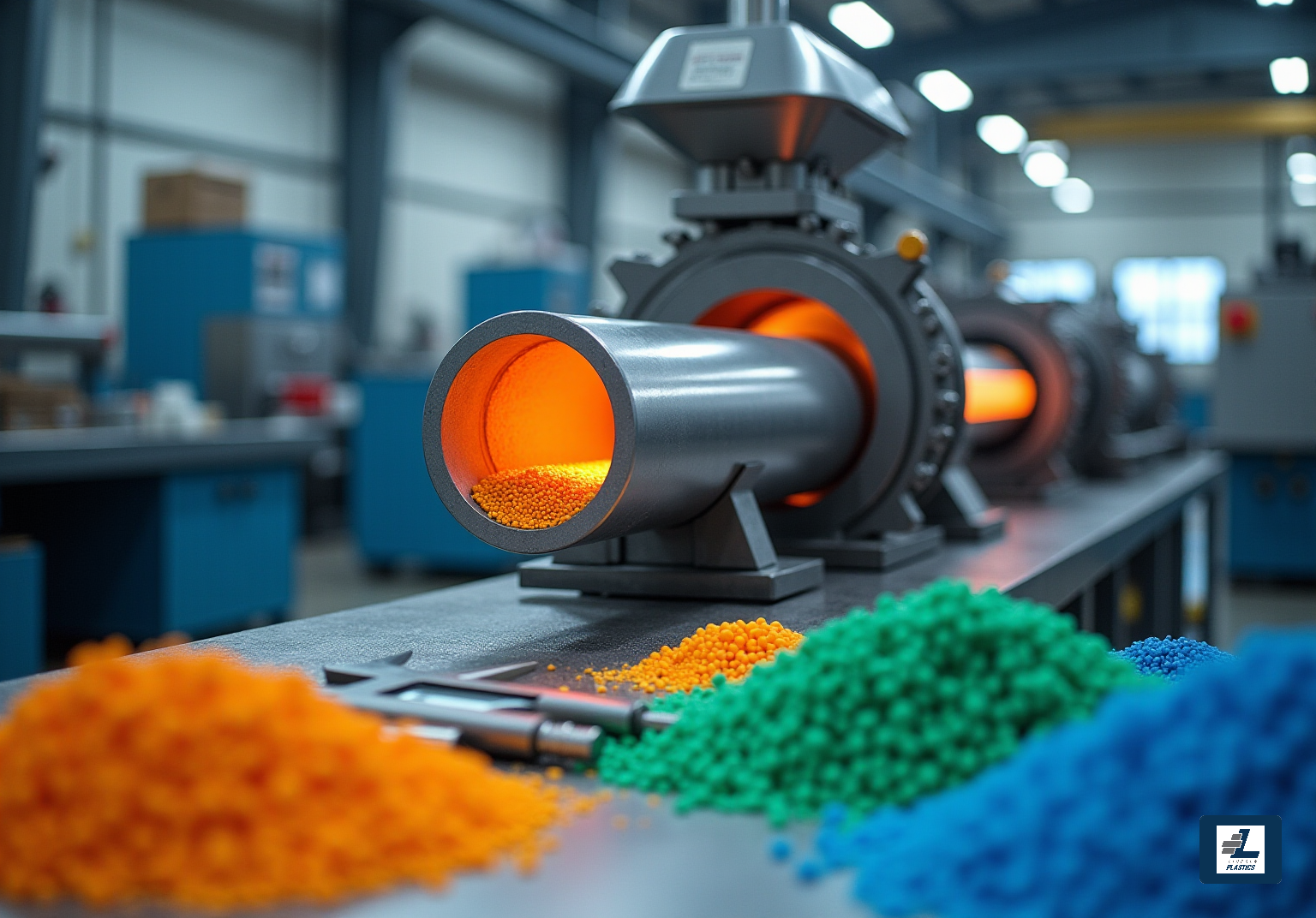
is a key manufacturing process that turns raw plastic into continuous shapes with a fixed cross-section. You might see this technique in action when creating pipes, tubes, or even profiles. At the heart of this process is the extruder, which uses a screw mechanism to push the plastic through a heated barrel, melting it before it exits through a die.
Now, let’s talk about what it takes to keep the quality consistent. It’s all about controlling variables. For example, keeping the temperature just right ensures the plastic melts properly. And when you control the pressure, you can achieve the flow rate and shape accuracy you need. Plus, tweaking the screw speed can change how long the material stays in the barrel, which can really affect the final product.
Industry leaders often emphasize the importance of quality control. Why? Because understanding the mechanics of extrusion molding is crucial. Successful examples in the field show that paying attention to these details not only improves efficiency but also enhances product quality. So, if you’re in manufacturing, focusing on these fundamentals is a must!

Explore Different Types of Extrusion Molding Processes
Molding is pretty fascinating, right? It involves several processes like extrusion, co-shaping, and thermoforming, each tailored for specific applications. For instance, extrusion is all about pushing a substance through a die to create a continuous profile. This makes it perfect for simple forms. Now, co-extrusion is where things get interesting! It combines multiple materials in one go, boosting product properties like strength. Not only does this method enhance durability, but it also allows for adding color and texture without needing extra finishing steps. Talk about streamlining production and cutting costs!
Then there's blown film processing, which specializes in creating those flexible films. At Lincoln Plastics, we’re dedicated to excellence by offering quality products and customization. We work closely with our customers to meet their needs. Our expertise in extrusion enables us to deliver tailored solutions for OEM irrigation products and cable management. We can even stripe, cap stock, and perforate, ensuring everything is accurate and meets industry standards. Since 1948, Lincoln Plastics has been leading the way in these innovative solutions. So, if you’re looking for high-quality extrusion molding, you know where to turn!

Implement Quality Control Measures for Consistent Results
When it comes to molding, we all want consistent outcomes, right? That’s exactly why Lincoln Plastics takes quality control seriously throughout our production process. It all kicks off with material selection. We make sure that only the best inputs are used.
Now, let’s talk about those critical factors: temperature and pressure. Keeping an eye on these is key to maintaining optimal conditions and preventing defects. Plus, we routinely evaluate our final items to ensure they meet our quality standards.
We also work closely with suppliers to make sure their products hit all the right marks, including special checks for specifications. You might be wondering how we do this? Well, we use various tools like calipers and micrometers to ensure everything fits just right for end use.
And there’s more! Our robust assurance system includes a comprehensive manual. This book is packed with drawings, guidelines, and run documentation. By prioritizing these practices, Lincoln Plastics not only improves quality but also ensures our products consistently meet or even exceed your expectations.

Optimize Material Selection and Design for Efficiency
Choosing the right materials for shaping is super important for boosting performance and efficiency, especially when you think about the products from Lincoln Plastics. So, what should you consider? Well, key factors include the properties, like tensile strength and flexibility, along with their applications. For example, polypropylene is often a go-to because of its great impact resistance and flexibility, making it perfect for dynamic applications. On the flip side, polystyrene is known for its rigidity and durability, plus it can handle a wider range of chemicals, which is ideal for load-bearing structures. Did you know that PVC profiles usually show a tensile strength of 40-60 MPa, while PE ranges from 10-30 MPa? That really highlights the trade-offs between flexibility and strength.
Now, let’s talk about the design of the extrusion profile. It’s crucial for ensuring smooth material flow and reducing stress concentrations that could lead to defects. Lincoln Plastics really shines here with their expertise in design and engineering, allowing for innovative designs that boost performance. Partnering with resource suppliers can also provide valuable insights into the latest tech advancements, like high-density polyethylene (HDPE), which can really enhance performance in shock-prone environments thanks to its superior elongation at break. Plus, understanding how recyclable materials are processed is becoming more important. PE is generally easier to recycle than PVC, which aligns with sustainability goals and helps reduce environmental impact.
By carefully considering these elements - like the variety of colors, diameters, and lengths available for profiles - manufacturers can really improve their shaping processes. This leads to better efficiency and product quality, all while benefiting from Lincoln Plastics' expertise and timely delivery. So, why not take a closer look at what Lincoln Plastics has to offer?

Foster Strong Relationships with Extrusion Manufacturers
Building relationships is key to making the process smoother. Think about it: producers need to clearly express their needs and expectations, but they also have to be open to feedback from their partners. Regular meetings and updates? Absolutely essential! They help align goals and tackle any challenges that pop up during production.
Now, you might be wondering how this all plays out in real life. Companies that focus on open dialogue often find themselves with stronger collaborations. This, in turn, leads to improved efficiency and higher quality. By fostering a culture of communication, manufacturers not only strengthen their partnerships but also improve their production processes, which contributes to a more successful outcome. This way, they can promptly and effectively meet their needs.

Conclusion
When it comes to extrusion molding solutions, quality is key for manufacturers looking to boost product consistency and efficiency. Think about it: mastering the basics of extrusion, exploring different molding processes, and implementing solid quality control measures can really make a difference. Plus, choosing the right materials and building strong relationships with manufacturers can lead to some impressive production outcomes. Each of these steps is crucial for ensuring that the final products meet top-notch standards of quality and performance.
Now, let’s talk about some key insights. It’s all about controlling critical parameters like temperature and pressure. And don’t forget the importance of selecting the right materials and designs for your extrusion profiles. Working closely with manufacturing partners can spark innovation and problem-solving, which ultimately boosts product quality and efficiency in the extrusion molding process.
Embracing these best practices not only improves the quality of your extrusion molding solutions but also helps manufacturers stay ahead of future industry standards and advancements. By focusing on these strategies, companies can keep their competitive edge in a fast-paced market, paving the way for sustainable growth and success in the extrusion molding industry. So, why not take these insights to heart and see how they can transform your operations?
Frequently Asked Questions
What is extrusion molding?
Extrusion molding is a manufacturing process that transforms raw plastic into continuous shapes with a fixed cross-section, commonly used for creating pipes, tubes, and custom profiles.
How does the extrusion molding process work?
The process involves an extruder that uses a screw mechanism to push plastic through a heated barrel, melting it before it exits through a die.
What factors are important for maintaining quality in extrusion molding?
Key factors include controlling temperature, pressure, and screw speed, which are essential for ensuring proper melting of plastic, achieving desired flow rates, and maintaining shape accuracy.
Why is it important for manufacturers to understand the basics of extrusion molding?
Mastering the fundamentals helps manufacturers troubleshoot issues and improve production processes, leading to enhanced product quality and operational efficiency.
What are some different types of extrusion molding processes?
Types of extrusion molding processes include direct shaping, co-extrusion, and blown film forming, each designed for specific applications.
What is direct shaping in extrusion molding?
Direct shaping involves pushing a substance through a die to create a continuous profile, making it suitable for simple forms.
What is co-extrusion and its benefits?
Co-extrusion combines multiple materials in one process, enhancing product properties like barrier performance and durability while allowing for color and structural strength without extra finishing steps.
What is blown film processing used for?
Blown film processing specializes in creating thin plastic films commonly used in packaging.
How does Lincoln Plastics contribute to extrusion molding solutions?
Lincoln Plastics offers high-quality extrusion molding solutions, customization, and expertise in optimizing order sizes and production efficiency for various products, including OEM irrigation products and cable management.
Since when has Lincoln Plastics been providing extrusion molding solutions?
Lincoln Plastics has been leading in innovative extrusion molding solutions since 1948.
List of Sources
- Understand the Basics of Extrusion Molding
- plasticsnews.com (https://plasticsnews.com/suppliers/machinery/pn-plasticsindustryassociation-machinery-stats-3q-2025)
- Interplas Insights | Latest Plastics Extrusion Machinery News (https://interplasinsights.com/plastics-machinery/plastics-extrusion-machinery-news)
- 2026 Outlook: Innovations and Trends Shaping the Future of Aluminum Extrusions | Profile Precision Extrusions - Aluminum Extrusions Blog (https://profileprecisionextrusions.com/2026-outlook-innovations-and-trends-shaping-the-future-of-aluminum-extrusions)
- plasticsnews.com (https://plasticsnews.com/news/amut-unveils-new-recycling-extrusion-and-cast-film-lines)
- plasticstaffing.com (https://plasticstaffing.com/blow-molding-hiring-trends)
- Explore Different Types of Extrusion Molding Processes
- ptonline.com (https://ptonline.com/articles/how-to-collect-interpret-process-data-in-extrusion-part-1(2))
- Redefining Durability and Customization with Coextrusion Technology (https://windowanddoor.com/article/redefining-durability-and-customization-coextrusion-technology)
- lincoln-plastics.com (https://lincoln-plastics.com/news-post/understanding-the-extrusion-process-in-manufacturing-key-insights)
- One moment, please... (https://plextrusions.com/extrusion-blog/the-extrusion-industry-in-2025-innovations-trends-and-opportunities)
- Plastics Extrusion: 4 Critical Statistics to Track for Increased Quality & Plant Profit (https://gaugeadvisor.com/2025/05/26/plastics-extrusion-4-critical-statistics-to-track-for-increased-quality-plant-profit)
- Implement Quality Control Measures for Consistent Results
- The Importance of Quality Control in Plastic Extrusion Manufacturing - Craftedplastics (https://craftedplastics.com/blog/the-importance-of-quality-control-in-plastic-extrusion-manufacturing)
- Statistical Quality Control in Manufacturing | Business and Management | Research Starters | EBSCO Research (https://ebsco.com/research-starters/business-and-management/statistical-quality-control-manufacturing)
- Plastics Extrusion: 4 Critical Statistics to Track for Increased Quality & Plant Profit (https://gaugeadvisor.com/2025/05/26/plastics-extrusion-4-critical-statistics-to-track-for-increased-quality-plant-profit)
- Master Extrusion in Polymers: Best Practices for OEM Purchasing Managers (https://lincoln-plastics.com/news-post/master-extrusion-in-polymers-best-practices-for-oem-purchasing-managers)
- Optimize Material Selection and Design for Efficiency
- tldvietnam.com (https://tldvietnam.com/products/pvc-vs-pe-a-comprehensive-comparision)
- goodreads.com (https://goodreads.com/quotes/tag/materials-engineering)
- dalang-plastic.com (https://dalang-plastic.com/pvc-vs-pe-plastic-profiles-comprehensive-comparison-of-performance-cost-and-application-scenarios.html)
- Master Extrusion in Polymers: Best Practices for OEM Purchasing Managers (https://lincoln-plastics.com/news-post/master-extrusion-in-polymers-best-practices-for-oem-purchasing-managers)
- alexandriaindustries.com (https://alexandriaindustries.com/industry-news/overcoming-challenges-misconceptions-extrusion)
- Foster Strong Relationships with Extrusion Manufacturers
- veridion.com (https://veridion.com/blog-posts/supplier-sourcing-statistics)
- 79 Supply Chain Statistics To Know in 2026 | Tradeverifyd (https://tradeverifyd.com/resources/supply-chain-statistics)
- Why supply chain relationships matter more than ever in 2026 (https://immago.com/why-supply-chain-relationships-matter)
- corexcorp.com (https://corexcorp.com/insights/11-critical-stats-on-procurement-2024)
- mddionline.com (https://mddionline.com/contract-manufacturing/the-strategic-role-of-extrusion-partners-in-medical-device-development)
Related posts

Plastic Extrusion for Energy & Infrastructure Projects
Lincoln Plastics provides durable, custom extrusion solutions for energy and infrastructure projects, from conduit to tubing to protective profiles.


Made in the Midwest: Why Location Matters
Lincoln Plastics’ Midwest location provides faster shipping, lower freight costs, and the reliability OEMs need in a manufacturing partner.
How Extrusion Supports OEM Supply Chains
Lincoln Plastics helps OEMs strengthen supply chains with flexible production runs, reliable delivery, and custom extrusion solutions.
