
5 Best Practices for Collaborating with Extruded Plastic Manufacturers
Introduction
The plastic extrusion industry stands as a pivotal force in modern manufacturing, shaping everything from common household items to specialized components. To truly collaborate with extruded plastic manufacturers, businesses need to grasp the intricacies of this process. By mastering best practices in communication, material selection, and quality control, companies can enhance their product outcomes and streamline production. What if miscommunication or a lack of knowledge results in costly mistakes? By addressing these challenges, businesses can pave the way for successful partnerships in the plastic extrusion industry.
Understand the Plastic Extrusion Process
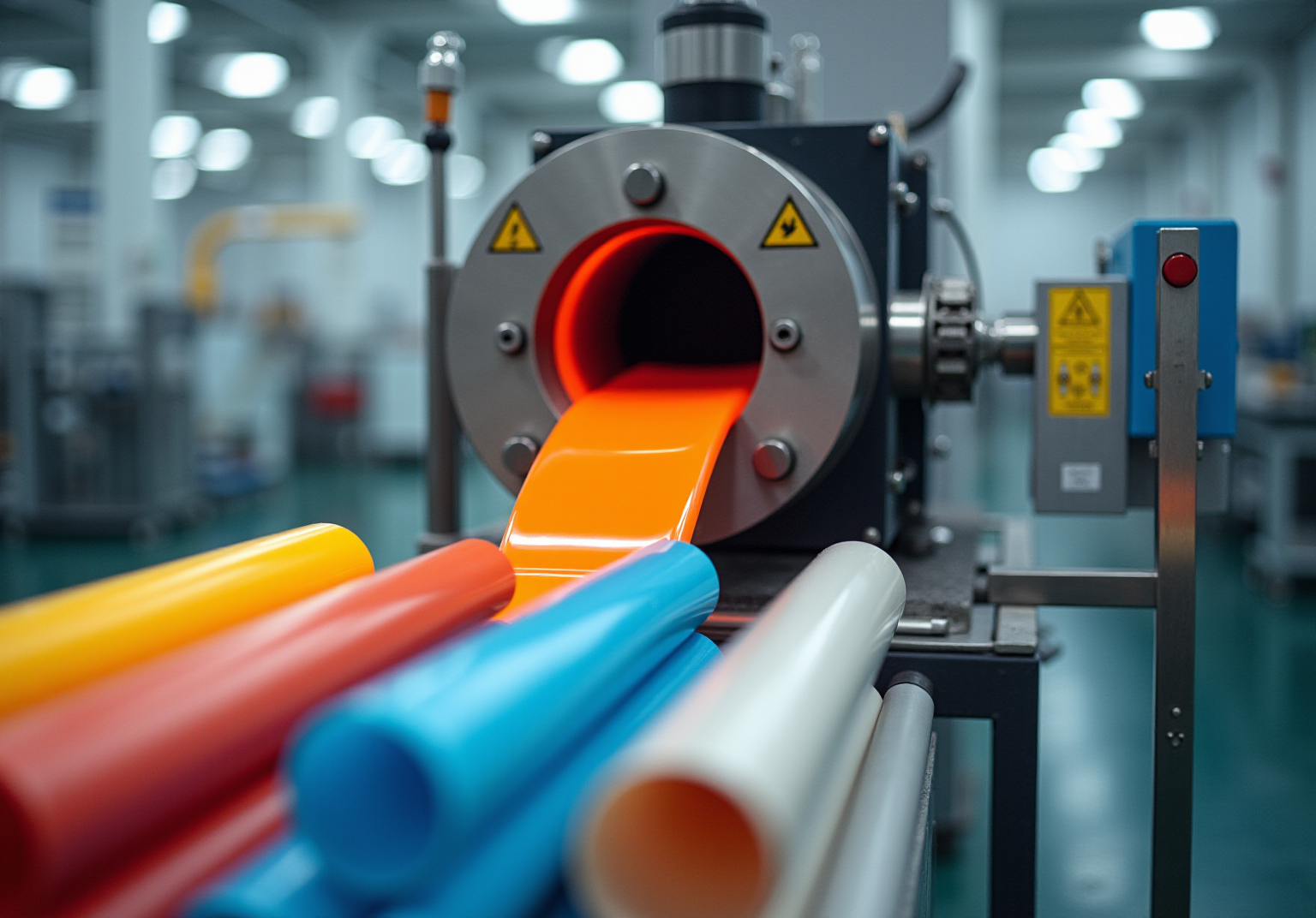
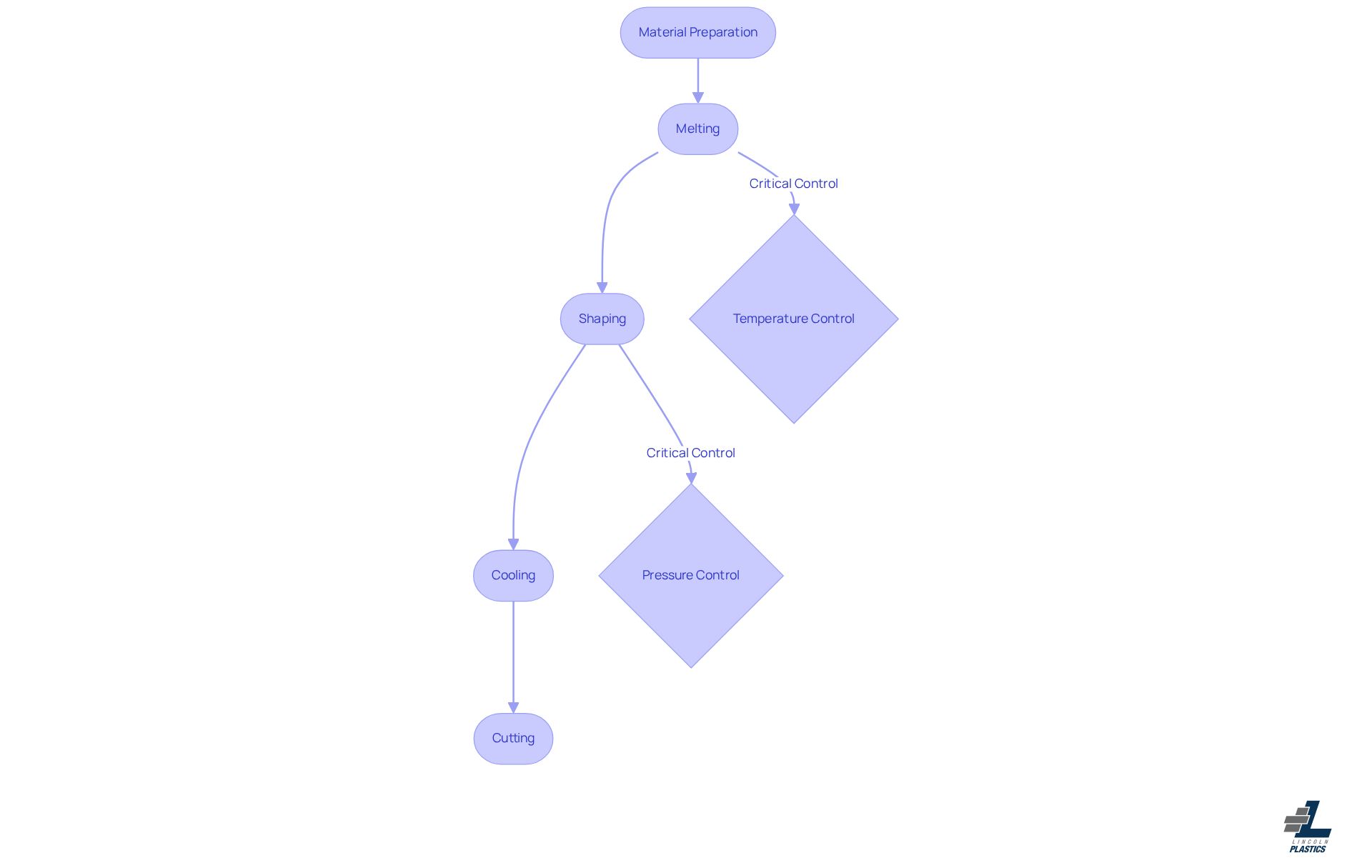
The plastic extrusion process is not just a method; it's a critical factor in achieving high-quality, reliable products. This sophisticated technique involves melting raw plastic materials and forcing them through a die to create continuous profiles, such as pipes, tubes, and custom shapes. Mastering key stages - material preparation, melting, shaping, cooling, and cutting - is essential for working effectively with extruded plastic manufacturers such as Lincoln Plastics. Our strong assurance system, certified to the ISO 9001 standard, guarantees that your rigid profiles meet specified critical dimensions. This is supported by a dedicated assurance book that includes drawings, in-process checks, and run documentation.
Have you considered the consequences of not managing temperature and pressure effectively? Precise control during the melting and shaping stages significantly influences the quality and consistency of the final product. Understanding these parameters is crucial; otherwise, you risk costly production errors. This knowledge enables clients to define their requirements more precisely, ensuring that the production method aligns with their operational needs. Furthermore, familiarity with different extrusion types, including single-screw and co-extrusion, empowers clients to choose the most suitable manufacturing approach for their specific applications.
At Lincoln Plastics, we collaborate with extruded plastic manufacturers to refine designs for manufacturing, ensuring that your item performs effectively while streamlining the production process. This expertise not only improves performance but also results in more efficient outcomes. Additionally, we can assist in choosing the right materials for your application, ensuring that the final outcome meets your specific needs. Without precise control over these elements, your production could face significant setbacks, impacting both quality and efficiency.
Identify Suitable Materials for Extrusion
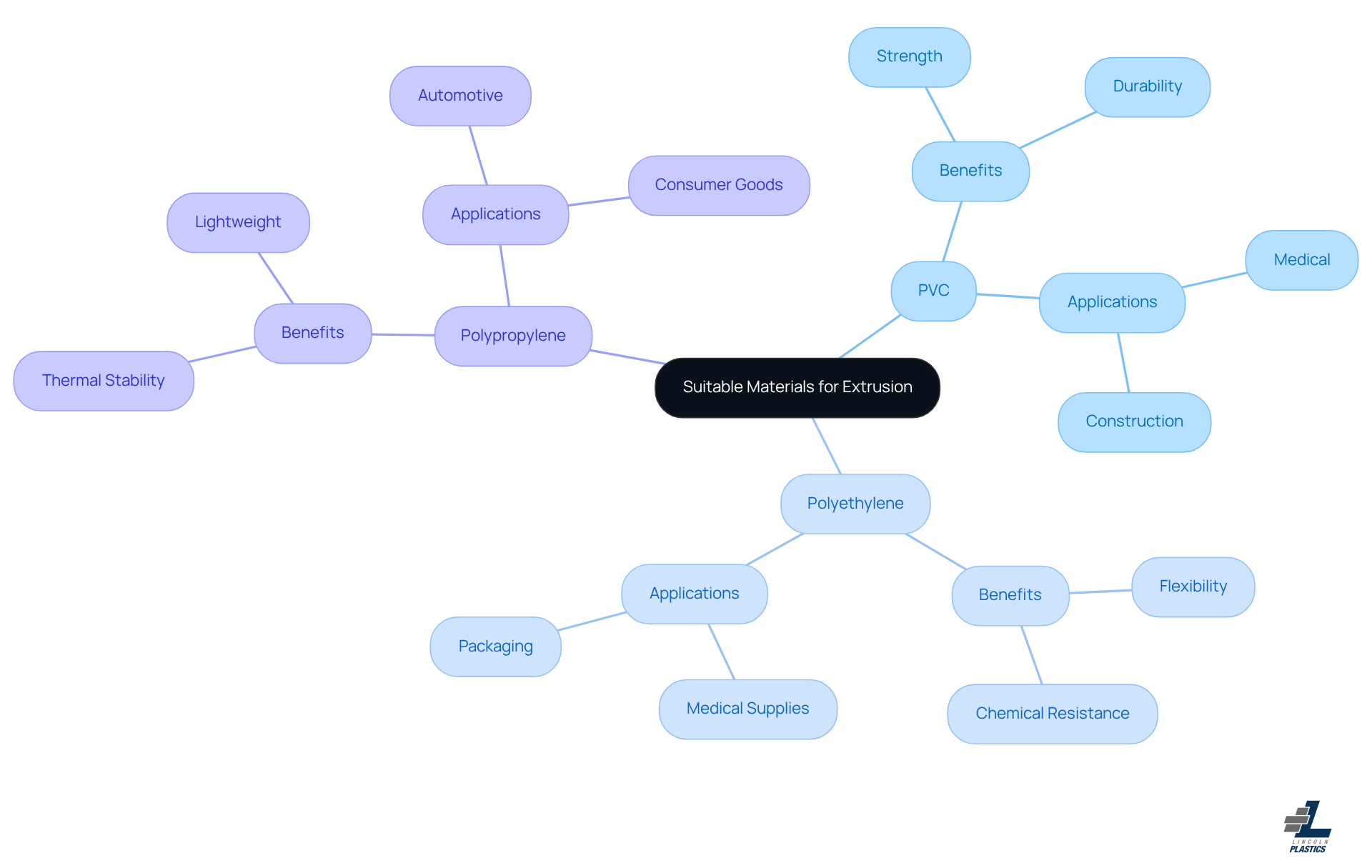
Selecting the right materials is crucial for achieving optimal results in custom plastic extrusion projects. The following materials are the most frequently utilized, each offering unique benefits:
- PVC: Renowned for its strength and durability, making it ideal for rigid profiles in construction and medical applications.
- Polyethylene: Preferred for its flexibility and excellent chemical resistance, often utilized in medical supplies and packaging.
- Polypropylene: Known for its thermal stability and lightweight nature, widely used in various applications, including automotive and consumer goods.
Are you unsure which material best suits your project needs? Collaborating with your manufacturing partners can help you understand these materials' characteristics and align them with your specific requirements. Furthermore, considering environmental conditions and regulatory compliance is essential for enhancing material selection and ensuring successful outcomes in your production projects.
Establish Clear Communication and Expectations
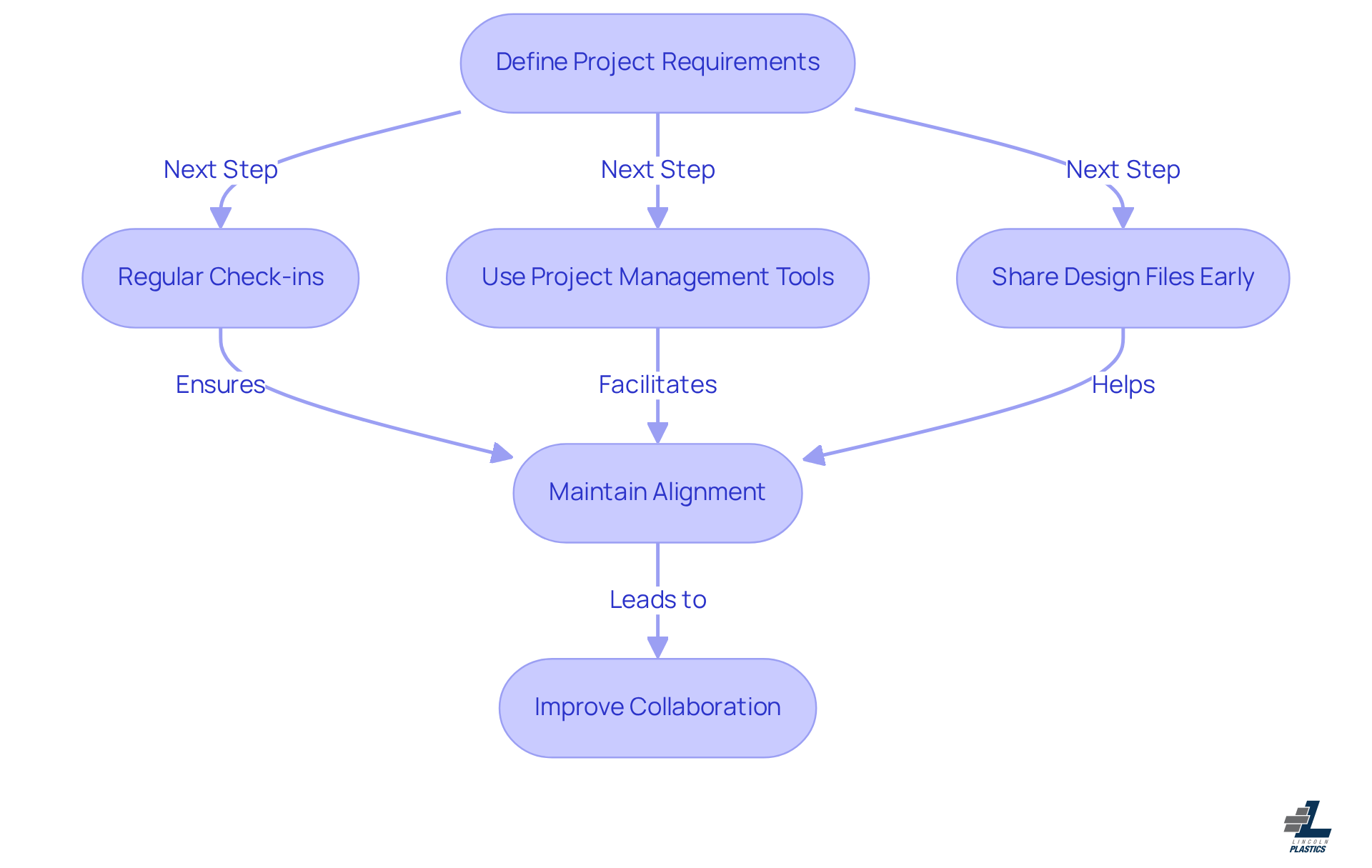
Effective communication is the cornerstone of successful collaboration with extruded plastic manufacturers. Clients must clearly define their project requirements, including dimensions, tolerances, and desired functionalities. Regular check-ins and updates are essential. They help maintain alignment throughout the production workflow.
Using project management tools can really boost your communication efforts, allowing for real-time feedback and adjustments. For instance, sharing design files and prototypes early on facilitates the identification of potential issues before they escalate, ensuring a smoother workflow and reducing the risk of expensive revisions.
Are your expectations clear? Remember, 70% of projects fail due to unclear requirements or shifting objectives, so clarity is key. By prioritizing clarity and utilizing effective tools, manufacturers can improve collaboration and drive project success.
Implement Quality Control Standards
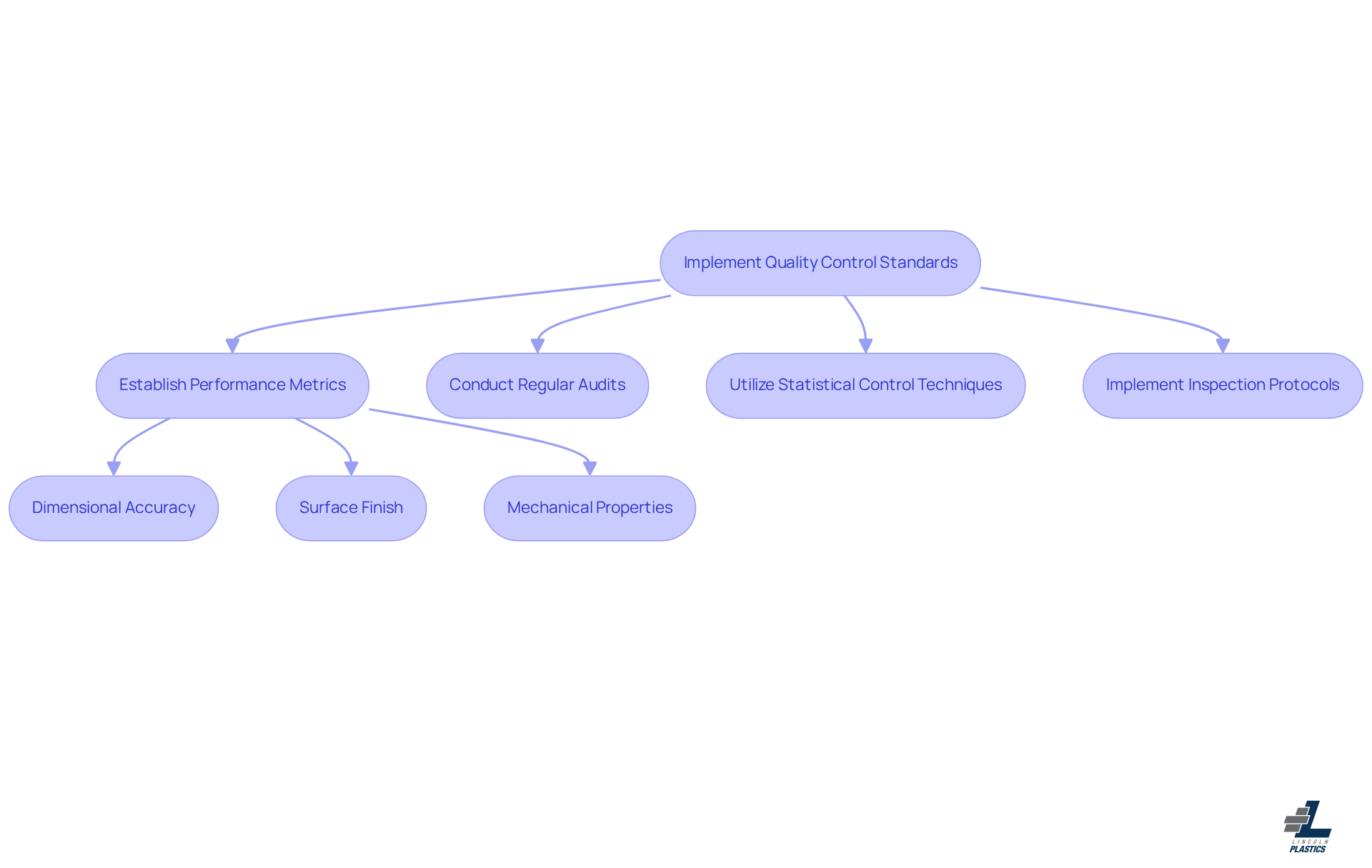
Ensuring top-notch quality in extrusion is non-negotiable at Lincoln Plastics. Our commitment to quality is evident in our rigorous assurance system, which includes detailed manuals for each plastic profile, complete with drawings and essential in-process checks. Establishing clear performance metrics - such as dimensional accuracy, surface finish, and mechanical properties - ensures that our products meet client specifications. Moreover, regular audits and feedback loops enhance our quality control efforts.
For instance, employing statistical control techniques helps identify trends and variations in production, enabling prompt interventions to uphold standards. Research indicates that effective SPC implementation can lead to a reduction in defects by up to 50%, significantly improving overall production efficiency. Aiming for a Cpk of 1.33 or higher is recommended for capable, well-tuned lines, as this indicates effective process control and minimizes waste.
As assurance expert John Doe states, 'Implementing robust inspection protocols is essential for maintaining high standards in manufacturing.' This collaboration ensures that our products not only meet but exceed industry standards, solidifying our reputation for excellence.
Leverage Innovative Solutions for Enhanced Functionality
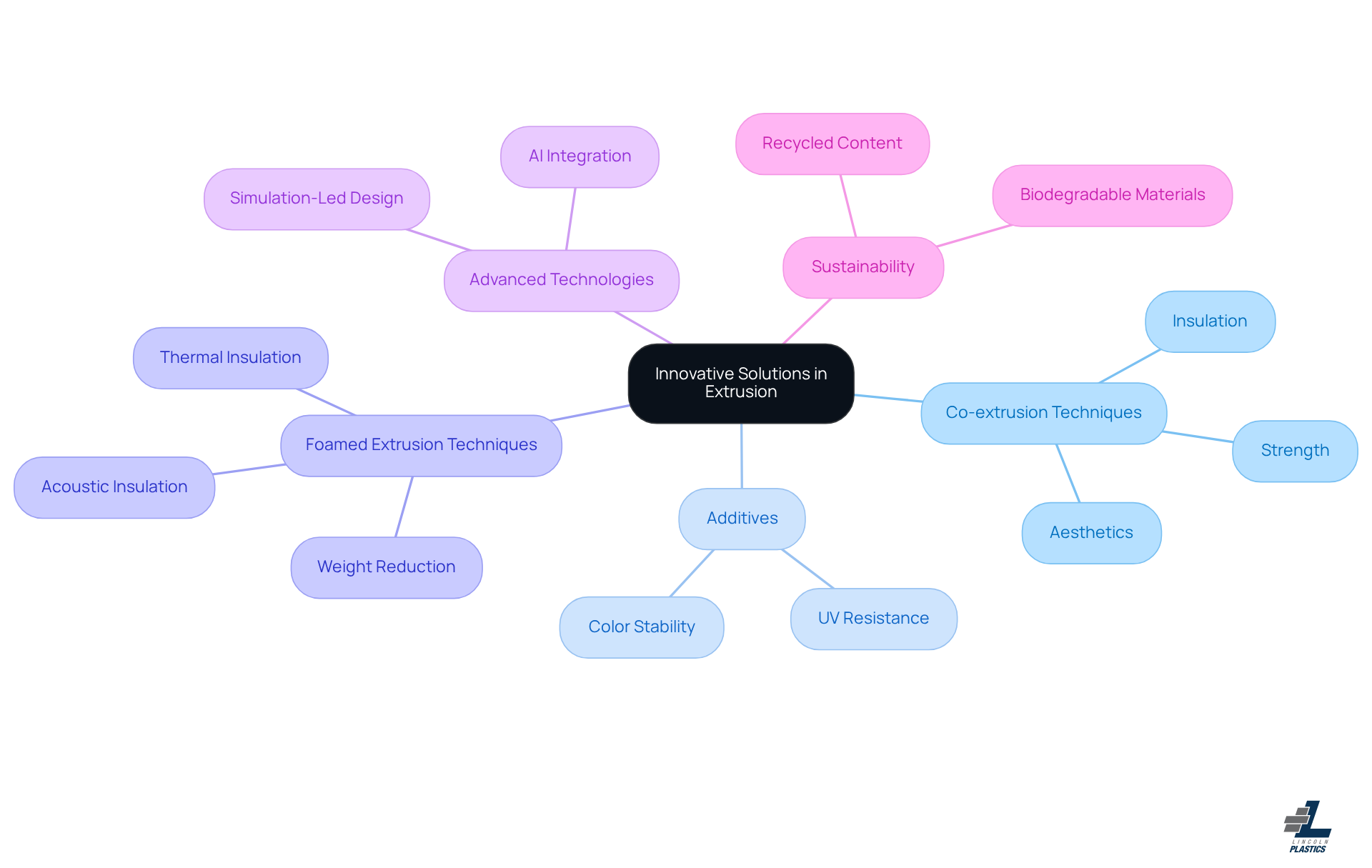
Innovation in the extrusion process is not just an option; it's a necessity for enhancing product functionality. Co-extrusion techniques enable the creation of multi-layered profiles that combine various materials, improving properties such as strength, insulation, and aesthetics. This method provides precise control over layer thicknesses. It also enhances material properties, resulting in components with better barrier characteristics and visual appeal.
At Lincoln Plastics, we produce different kinds of conduits for electrical and specialty plastic uses, ensuring they satisfy all standards, including specific checks for ‘fit and function’. Our strong assurance system includes a dedicated manual for your plastic profile, complete with drawings, critical in-process checks, and run documentation.
Additionally, the incorporation of additives can bolster UV resistance, color stability, and other performance metrics. We encourage clients to collaborate closely with their manufacturing partners to explore these innovative solutions, ensuring their offerings not only meet market demands but also excel in quality and functionality.
For example, foamed extrusion techniques can reduce weight while preserving structural integrity, leading to more efficient and cost-effective products. Without embracing these advancements, companies risk falling behind their competitors.
Conclusion
Navigating the complexities of working with extruded plastic manufacturers is crucial for project success. By mastering the plastic extrusion process, selecting suitable materials, establishing clear communication, implementing robust quality control standards, and leveraging innovative solutions, are you ready to elevate your project outcomes? These steps will ensure your products not only meet but exceed expectations.
Key insights from the article highlight:
- The importance of precise temperature and pressure control during the extrusion process.
- The necessity of choosing the right materials based on specific application needs.
- The critical role of clear communication in maintaining project alignment.
- The implementation of stringent quality control measures.
- The exploration of innovative extrusion techniques to enhance product functionality, ensuring that offerings remain competitive in the marketplace.
Ultimately, when you embrace these best practices, you create a collaborative environment that boosts efficiency and quality in plastic manufacturing. By adopting these strategies, companies can transform their operations and thrive in a competitive landscape. Engaging with experienced partners and continuously seeking improvement will pave the way for innovative solutions that meet the demands of today's market. The commitment to these practices not only enhances product quality but also secures a competitive edge in the industry.
Frequently Asked Questions
What is the plastic extrusion process?
The plastic extrusion process involves melting raw plastic materials and forcing them through a die to create continuous profiles, such as pipes, tubes, and custom shapes.
Why is mastering key stages of the extrusion process important?
Mastering key stages such as material preparation, melting, shaping, cooling, and cutting is essential for ensuring high-quality and reliable products when working with extruded plastic manufacturers.
What does the assurance system at Lincoln Plastics entail?
Lincoln Plastics has a strong assurance system certified to the ISO 9001 standard, which guarantees that rigid profiles meet specified critical dimensions, supported by a dedicated assurance book that includes drawings, in-process checks, and run documentation.
What are the consequences of not managing temperature and pressure effectively during extrusion?
Failing to manage temperature and pressure can lead to costly production errors, impacting the quality and consistency of the final product.
How can clients define their requirements for the extrusion process?
Understanding temperature and pressure parameters allows clients to define their requirements more precisely, ensuring that the production method aligns with their operational needs.
What types of extrusion methods are mentioned in the article?
The article mentions single-screw and co-extrusion as different types of extrusion methods.
How does Lincoln Plastics assist in the design and material selection process?
Lincoln Plastics collaborates with extruded plastic manufacturers to refine designs for manufacturing and helps in choosing the right materials for specific applications to ensure optimal performance and efficiency.
What are some commonly used materials in plastic extrusion?
Commonly used materials include PVC, known for strength and durability; polyethylene, valued for flexibility and chemical resistance; and polypropylene, recognized for thermal stability and lightweight nature.
How can collaboration with manufacturing partners aid in material selection?
Collaborating with manufacturing partners helps clients understand the characteristics of different materials and align them with specific project requirements, considering environmental conditions and regulatory compliance for successful outcomes.
List of Sources
- Understand the Plastic Extrusion Process
- Emerging Trends Shaping Plastic Extruders in 2026 (https://audop.com/c/emerging-trends-shaping-plastic-extruders-in-2026.htm)
- marksparksolutions.com (https://marksparksolutions.com/reports/plastic-extrusion-machinery-market)
- Plastics Extrusion: 4 Critical Statistics to Track for Increased Quality & Plant Profit (https://gaugeadvisor.com/2025/05/26/plastics-extrusion-4-critical-statistics-to-track-for-increased-quality-plant-profit)
- Identify Suitable Materials for Extrusion
- Emerging Trends Shaping Plastic Extruders in 2026 (https://audop.com/c/emerging-trends-shaping-plastic-extruders-in-2026.htm)
- Plastics Extrusion: 4 Critical Statistics to Track for Increased Quality & Plant Profit (https://gaugeadvisor.com/2025/05/26/plastics-extrusion-4-critical-statistics-to-track-for-increased-quality-plant-profit)
- From Polyethylene to PVC: Exploring Common Plastic Extrusion Materials | High-Volume Plastic Profile Extrusion with In-House Tooling|Custom Profile (https://custom-profile.com/blog/from-polyethylene-to-pvc-exploring-common-plastic-extrusion-materials)
- jwell-recycling.com (https://jwell-recycling.com/The-Future-of-Extrusion-Top-5-Trends-in-Extruder-Line-Technology-for-2026-id45213365.html)
- Establish Clear Communication and Expectations
- 2026 Outlook: Three Communication Strategies for Manufacturers to Win Market Share - FINN Partners (https://finnpartners.com/news-insights/2026-outlook-three-communication-strategies-for-manufacturers-to-win-market-share)
- 36+ essential workplace communication statistics for 2026 (https://zoom.com/en/blog/workplace-communication-statistics)
- Project Management Statistics: 52 Statistics You Should Know (https://wimi-teamwork.com/en/blog/project-management/project-management-statistics)
- 36 Workplace Communication Quotes to Inspire Your Team (https://trinet.com/insights/workplace-communication-quotes)
- Workplace Communication Statistics for 2026 (https://pumble.com/learn/communication/communication-statistics)
- Implement Quality Control Standards
- Plastics Extrusion: 4 Critical Statistics to Track for Increased Quality & Plant Profit (https://gaugeadvisor.com/2025/05/26/plastics-extrusion-4-critical-statistics-to-track-for-increased-quality-plant-profit)
- visgl.com (https://visgl.com/quality-control-quotes-emphasizing-quality-over-quantity)
- North American Extruders Remain Resilient Amid Challenging Market - Light Metal Age Magazine (https://lightmetalage.com/news/industry-news/extrusion/north-american-extruders-remain-resilient-amid-challenging-market)
- 5 Important Things for Life Sciences Companies to Consider | MasterControl (https://mastercontrol.com/gxp-lifeline/quality-inspiration)
- 25 Quotes to Inspire Quality And Success - Pro QC Blog (https://proqc.com/blog/25-quotes-to-inspire-quality-success)
- Leverage Innovative Solutions for Enhanced Functionality
- prm-taiwan.com (https://prm-taiwan.com/blog/2026-extrusion-survival-guide-beat-labor-shortages-hit-80-pcr-targets_674)
- Shaping the Future: Innovations in Plastic Extrusion Techniques - SeaGate Plastics Company (https://seagateplastics.com/shaping-the-future-innovations-in-plastic-extrusion-techniques)
- jwell-recycling.com (https://jwell-recycling.com/The-Future-of-Extrusion-Top-5-Trends-in-Extruder-Line-Technology-for-2026-id45213365.html)
Related posts

Right-Sized Production Runs: Flexibility Without the Waste
Lincoln Plastics offers right-sized production runs with a 10-hour minimum — balancing efficiency with flexibility so OEMs avoid oversized orders.


Co-Extrusion: Combining Two Materials for Better Performance
Lincoln Plastics offers co-extrusion, combining two plastics into a single profile for greater design freedom, performance, and cost savings.
Beyond Extrusion: Value-Added Services That Simplify Production
Beyond Extrusion: Value-Added Services That Simplify Production
