

4 Steps to Choose a Plastic Extrusion Supplier Effectively
Introduction
Selecting a top-tier plastic extrusion supplier is crucial for the success of your custom plastic projects. Navigating the myriad of options can overwhelm even the most seasoned professionals. With countless suppliers and diverse capabilities, how do you ensure the best choice for your needs? Let’s explore the essential steps to select a plastic extrusion supplier that meets your project requirements, offering insights that can lead to a fruitful partnership and successful project outcomes.
Define Your Project Requirements
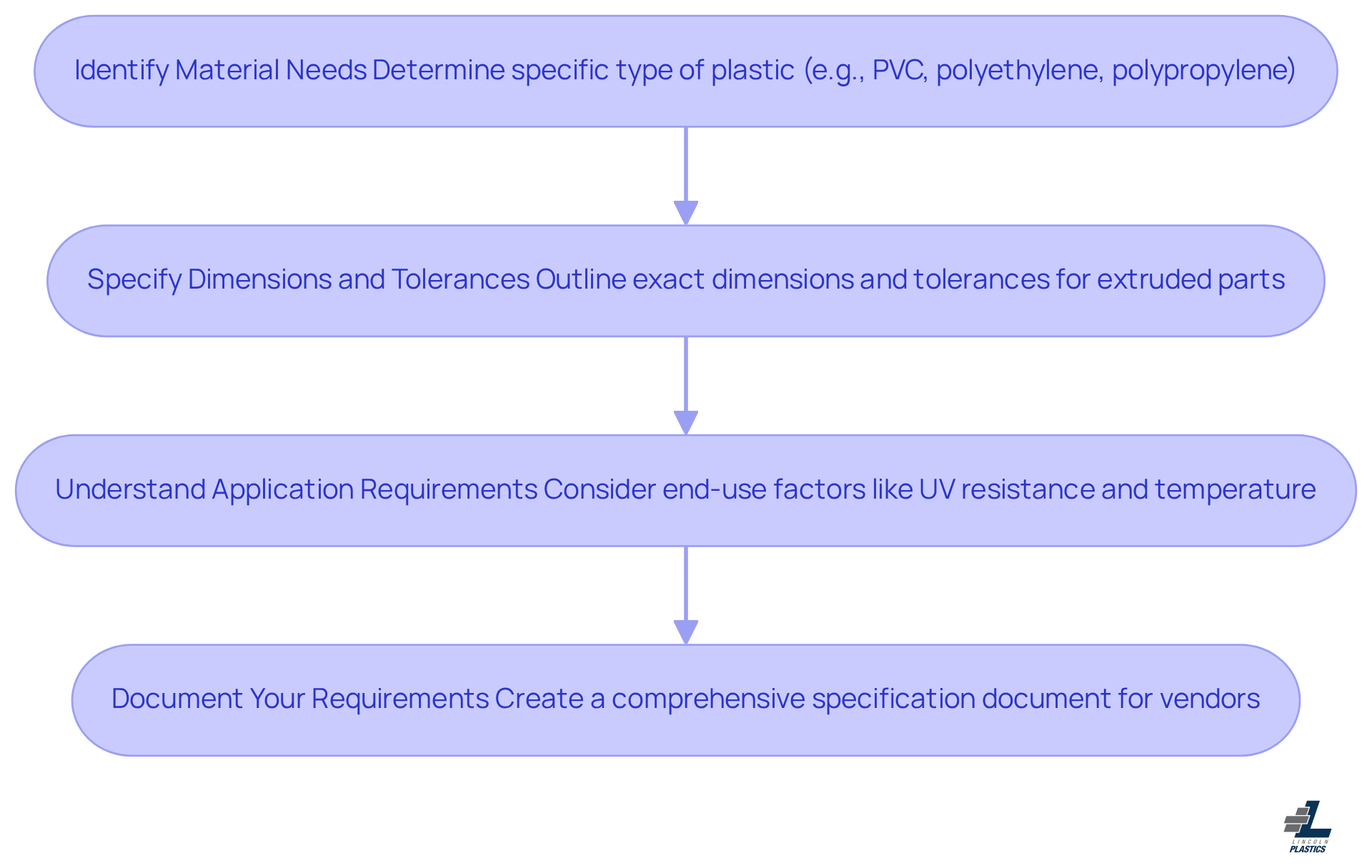
Many struggle with the complexities involved in how to choose a plastic extrusion supplier, which is crucial for the success of their project. To effectively select a plastic extrusion provider, it’s important to know how to choose a plastic extrusion supplier by clearly outlining your requirements. Follow these essential steps:
- Identify Material Needs: Determine the specific type of plastic required for your project, such as PVC, polyethylene, or polypropylene. Each material has distinct characteristics that can greatly influence the performance and durability of your final creation. For instance, PVC is often favored for its durability and cost-effectiveness, while polypropylene may be chosen for its resistance to chemical exposure. A company named Plastics provides a variety of materials, including choices for custom flexible profiles and co-extrusion solutions, enabling unique designs such as a ‘yellow stripe’ incorporated into your profiles.
- Specify Dimensions and Tolerances: Clearly outline the exact dimensions and tolerances necessary for your extruded parts. This includes length, width, thickness, and any specific design features that are critical to your application. Exact specifications assist in guaranteeing that the final outcome fulfills your operational requirements without expensive modifications. Lincoln Plastics is known for its reliable on-time delivery of mission-critical rigid plastic extrusion components, ensuring that your specifications are met accurately.
- Understand Application Requirements: Consider the end-use of the extruded item. Will it be exposed to outdoor environments requiring UV resistance, or does it need to withstand high temperatures? Understanding these factors is crucial. They guide your material selection and ensure the product performs as intended. The company can assist in selecting the right materials based on your application needs, ensuring optimal performance.
- Document Your Requirements: Create a comprehensive specification document that includes all the above points. Think of this document as your go-to reference when discussing your project with potential vendors, ensuring that all parties are aligned on expectations and requirements. Additionally, familiarize yourself with best practices for optimizing plastic extrusion profiles, as outlined in the user manual provided by Lincoln Plastics, to enhance efficiency and quality in your production process. By taking the time to document your requirements, you not only streamline the selection process but also understand how to choose a plastic extrusion supplier, setting the stage for a successful partnership with your provider.
Assess Supplier Capabilities and Offerings
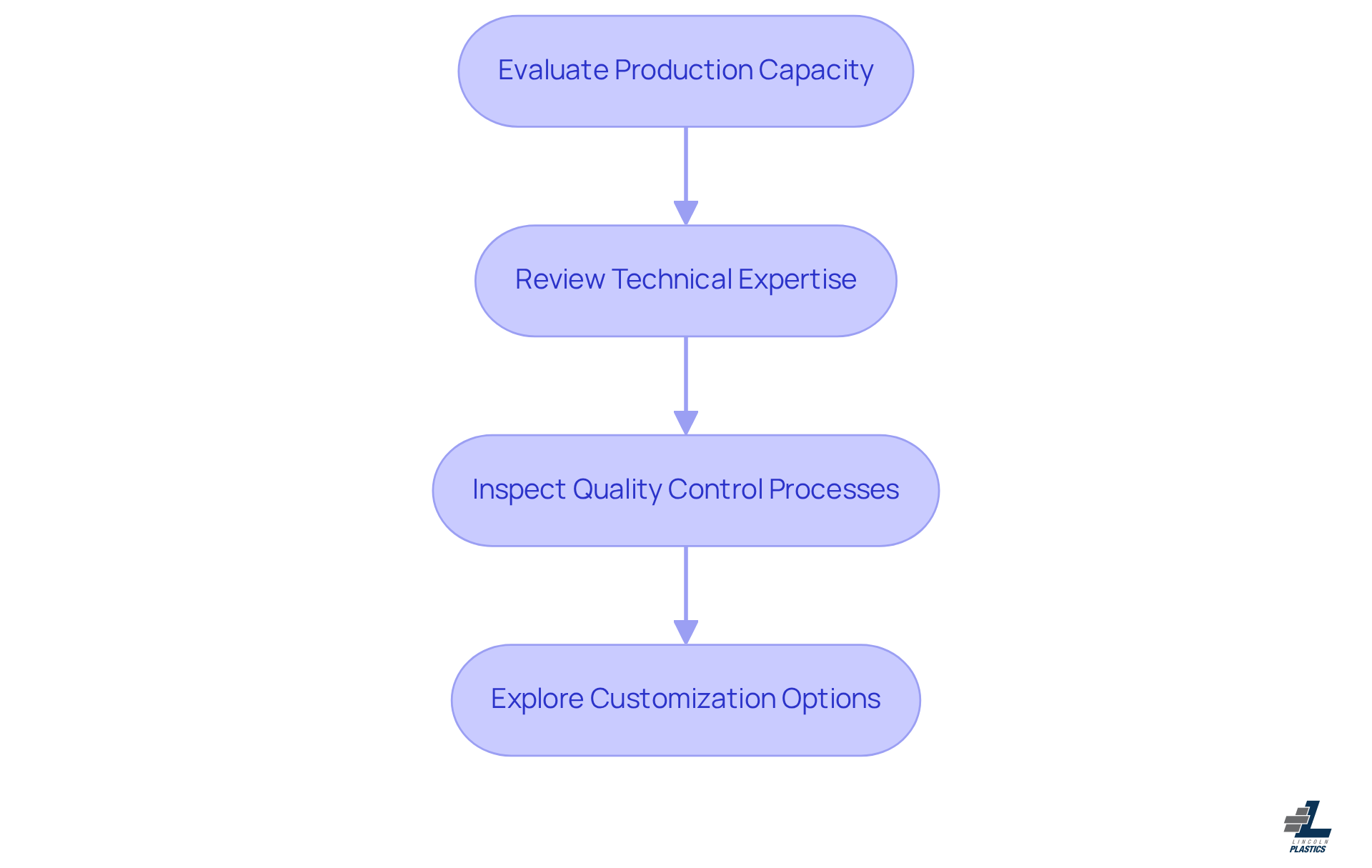
Understanding how to choose a plastic extrusion supplier is crucial for ensuring the success of your custom plastic extrusion project. Once you have outlined your requirements, the next step involves understanding how to choose a plastic extrusion supplier by evaluating their capabilities and offerings. Follow these guidelines:
- Evaluate Production Capacity: You’ll want to check if the provider has the capacity to handle your order volume. This includes understanding their machinery capabilities, like the types of extrusion machines they operate, including single-screw and twin-screw systems, which are projected to grow at a CAGR of 6.21% from 2026 to 2031. Additionally, the overall market for plastic extrusion machines is expected to grow at a CAGR of 6.12% during the same period. To ensure they align with your project deadlines, assess their production timelines as part of how to choose a plastic extrusion supplier.
- Review Technical Expertise: Look for providers with experience in producing similar products. Their technical knowledge can significantly impact the quality and manufacturability of your extrusions. For example, providers such as Plastics, who focus on custom profiles crafted from polyethylene, ridged PVC, flexible PVC, and polypropylene, can offer tailored solutions that satisfy specific needs without the trade-offs frequently linked to standard options.
- To understand how to choose a plastic extrusion supplier, it is essential to inspect their quality control processes and ensure that the vendor has robust quality control measures in place. This may include ISO certifications, regular testing of materials, and adherence to industry standards. The company Plastics, certified to the ISO 9001 standard, exemplifies a commitment to stringent quality protocols, making them more likely to deliver reliable products that meet your specifications. If quality control is lacking, you might end up with products that fail to meet your standards.
- Explore Customization Options: If your assignment necessitates unique specifications, confirm that the vendor can accommodate custom designs and modifications. This flexibility is essential for projects requiring specific dimensions or features, such as Lincoln Plastics' ability to create custom pipe diameters and wall thicknesses tailored to client needs. Additionally, ensure that the vendor complies with current laws and regulations, as this demonstrates a high level of integrity and reliability.
Ultimately, understanding how to choose a plastic extrusion supplier can make all the difference in achieving your project goals efficiently and effectively.
Compare Costs and Value Propositions
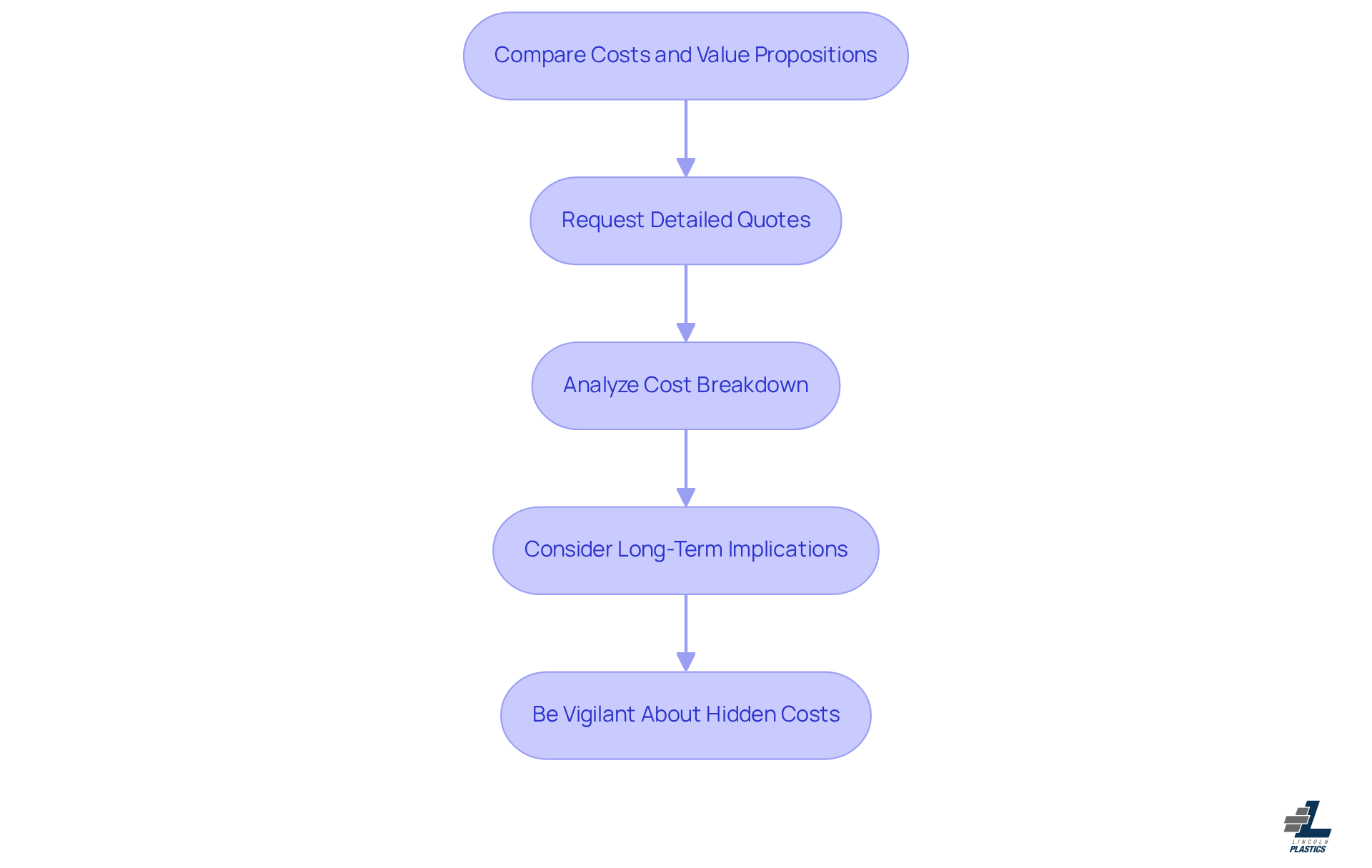
When it comes to selecting the right vendor, understanding costs and value propositions is crucial for making an informed decision.
- Have you requested detailed quotes from various vendors? Obtain comprehensive quotes that encompass all project-related costs, including materials, labor, and shipping. This ensures a complete understanding of the financial commitment involved.
- Take a moment to analyze the cost breakdown to see where your funds are going. Go beyond the total price by examining the cost breakdown. This analysis helps identify where funds are allocated and reveals potential areas for savings, allowing for more informed decision-making.
- Consider the long-term implications of your choice. A slightly higher upfront expense may be justified by superior quality, reduced maintenance needs, or an extended lifespan, ultimately leading to lower total ownership costs. Dependable providers such as Lincoln Plastics enhance processes, refine designs, and increase production to lower overall expenses while guaranteeing consistent quality and delivery. Their collaboration with OEMs ensures that products meet all quality requirements, including special checks for fit and function, which is critical for maintaining high standards.
- Be vigilant about potential hidden costs. Navigating vendor quotes can be challenging, particularly with hidden costs that may arise unexpectedly, such as tooling fees, setup charges, or additional expenses for revisions. Ensure these are clearly outlined in the quotes to avoid unexpected financial burdens later on.
By thoroughly evaluating costs and potential hidden fees, you can safeguard your investment and ensure a successful partnership with your chosen vendor.
Establish Communication and Support Channels
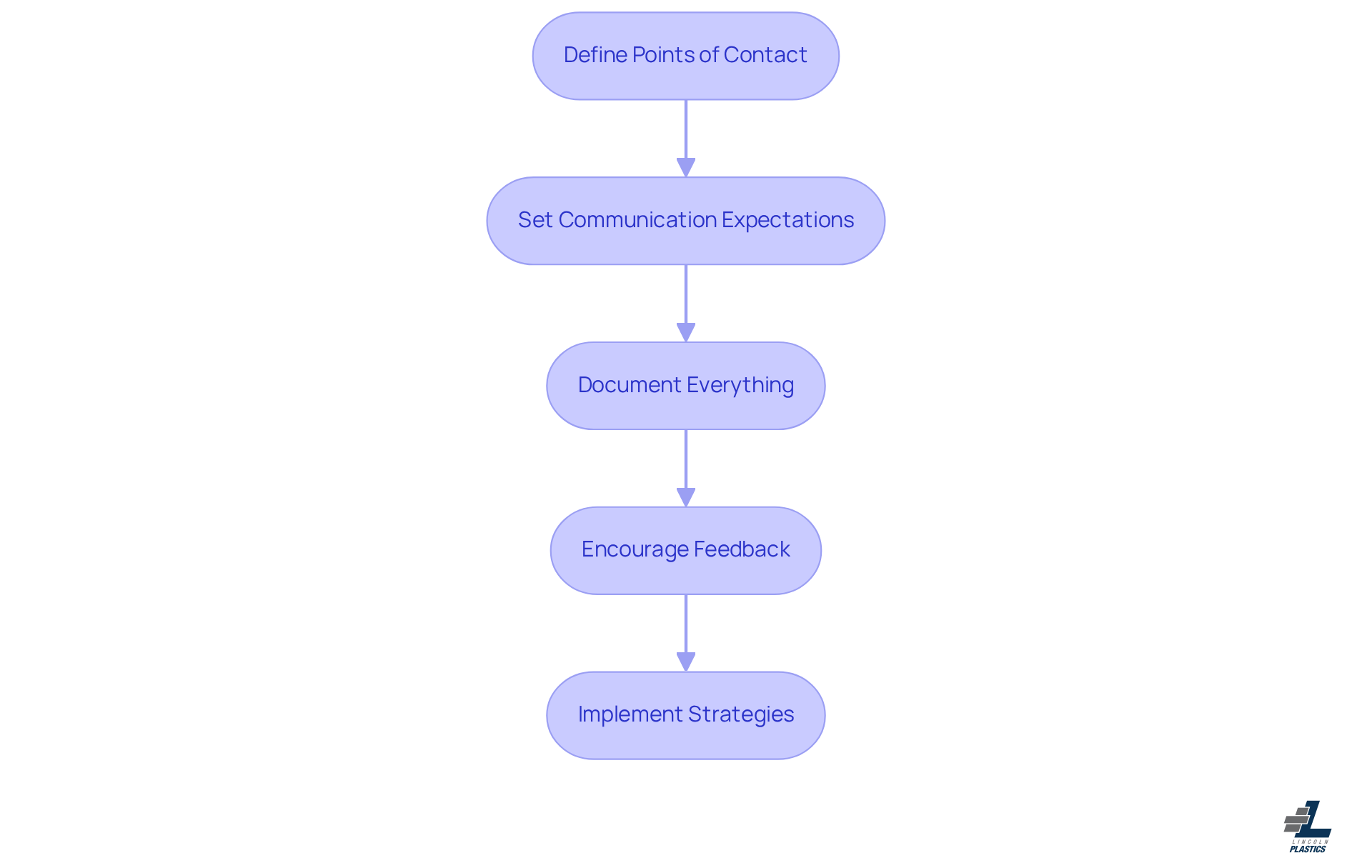
Selecting the right plastic extrusion supplier involves understanding how to choose a plastic extrusion supplier by establishing robust communication and support channels. Here are key steps to ensure effective collaboration:
- Define Points of Contact: Clearly identify key contacts on both sides responsible for communication. This clarity helps information flow smoothly. It reduces the risk of miscommunication, which can cause costly delays.
- Set Communication Expectations: Agree on the frequency and channels of communication, such as email, phone, or video calls. Frequent updates are essential for maintaining progress and ensuring that both parties are aligned on goals and schedules.
- Document Everything: Maintain thorough records of all communications, agreements, and project changes. This documentation serves as a valuable resource for resolving disputes or misunderstandings, fostering a transparent relationship.
- Encourage Feedback: Create an environment that promotes open feedback from both parties. This practice not only leads to process improvements but also strengthens the partnership, enhancing overall collaboration.
In manufacturing partnerships, effective communication strategies are crucial for success. For example, companies that emphasize clear communication experience enhanced vendor performance and customer satisfaction. A staggering 98% of suppliers express a desire for better communication from their largest customers, highlighting the need for defined communication protocols. By implementing these strategies, businesses can build resilient partnerships that contribute to long-term success in a competitive market.
Conclusion
Choosing the right plastic extrusion supplier is crucial for project success and long-term collaboration. Clearly defining project requirements and assessing supplier capabilities are essential steps. Comparing costs and establishing effective communication channels ensures businesses partner with a provider that meets their specific needs.
Key insights discussed include:
- The importance of identifying material needs
- Specifying dimensions
- Understanding application requirements to create a comprehensive specification document
Evaluating supplier capabilities involves:
- Examining production capacity
- Technical expertise
- Quality control processes
- Customization options
Furthermore, a thorough cost analysis helps uncover hidden fees and ensures that the chosen vendor offers the best value proposition, balancing quality with affordability.
Choosing the wrong supplier can lead to project delays and increased costs. In the end, selecting a plastic extrusion supplier goes beyond just immediate project needs; it’s about building a sustainable partnership that fosters collaboration and innovation. By following these best practices, companies can not only streamline their selection process but also enhance the overall quality and efficiency of their plastic extrusion projects, paving the way for long-term success in a competitive market. A strategic partnership with the right supplier can transform your project outcomes and drive future innovations.
Frequently Asked Questions
Why is it important to define project requirements when choosing a plastic extrusion supplier?
Defining project requirements is crucial as it helps ensure that the selected supplier can meet the specific needs of your project, leading to successful outcomes without costly modifications.
What should I consider when identifying material needs for my project?
You should determine the specific type of plastic required, such as PVC, polyethylene, or polypropylene, as each material has unique characteristics that affect performance and durability.
How do the characteristics of different plastics influence my choice?
For example, PVC is favored for its durability and cost-effectiveness, while polypropylene is chosen for its resistance to chemical exposure. Understanding these characteristics helps in selecting the right material for your application.
What dimensions and tolerances should I specify for extruded parts?
You should clearly outline the exact dimensions (length, width, thickness) and any specific design features critical to your application to ensure the final product meets operational requirements.
Why is it important to understand application requirements?
Knowing the end-use of the extruded item, such as whether it will be exposed to outdoor environments or high temperatures, guides material selection and ensures the product performs adequately.
What should be included in a comprehensive specification document?
The document should include material needs, dimensions, tolerances, and application requirements to serve as a reference when discussing the project with potential vendors.
How can documenting my requirements help in the supplier selection process?
Documenting your requirements streamlines the selection process and ensures that all parties are aligned on expectations, setting the stage for a successful partnership with your supplier.
What additional resources can help optimize the plastic extrusion process?
Familiarizing yourself with best practices for optimizing plastic extrusion profiles, as outlined in user manuals provided by suppliers like Lincoln Plastics, can enhance efficiency and quality in production.
List of Sources
- Define Your Project Requirements
- paulmurphyplastics.com (https://paulmurphyplastics.com/industry-news-blog/the-plastic-extrusion-process-explained-in-5-steps)
- porterie.com (https://porterie.com/blog/a-step-by-step-guide-on-custom-plastic-extrusion)
- Choosing the Right Materials for Plastic Extrusion - Rocal Extrusions (https://rocalextrusions.co.uk/news/choosing-the-right-materials-for-plastic-extrusion)
- porterie.com (https://porterie.com/blog/why-selecting-the-proper-plastic-extrusion-materials-is-critical-for-success)
- A Guide to Material Selection for Extrusion | Inplex LLC (https://inplexllc.com/blog/a-guide-to-material-selection-for-extrusion)
- Assess Supplier Capabilities and Offerings
- 5 Steps to Evaluate Reliable Extrusion Suppliers for Your Needs (https://lincoln-plastics.com/news-post/5-steps-to-evaluate-reliable-extrusion-suppliers-for-your-needs)
- Plastic Extrusion Machine Market Size, Share & 2031 Growth Trends Report (https://mordorintelligence.com/industry-reports/plastic-extrusion-machine-market)
- T.O. Plastics expands extrusion capacity at Minnesota plant (https://plasticsnews.com/processors/thermoforming/pn-toplastics-extrusion-minnesota)
- odmetals.com (https://odmetals.com/blog/how-to-choose-your-next-reliable-supplier-that-deals-in-extruded-plastics)
- linkedin.com (https://linkedin.com/pulse/what-makes-good-plastic-extrusion-supplier-custom-profile-mnjxf)
- Compare Costs and Value Propositions
- lincoln-plastics.com (https://lincoln-plastics.com/news-post/compare-local-plastic-extrusion-companies-services-costs-and-reliability)
- moldingdynamics.net (https://moldingdynamics.net/blog/plastic-injection-molding-online-quote-comparison-guide)
- chinaruicheng.com (https://chinaruicheng.com/news/how-to-compare-injection-molding-quotes-to-achieve-the-best-cost-performance)
- hudsonvalleyplastics.com (https://hudsonvalleyplastics.com/blog/how-to-compare-injection-molding-quotes-beyond-price)
- Establish Communication and Support Channels
- Master the Art of Supplier Communication (https://toolsgroup.com/blog/master-the-art-of-supplier-communication)
- Why Communication Matters in Supplier Relationship Management (https://supplyhive.com/the-role-of-communication-in-supplier-relationship-management)
- How Companies Can Strengthen Supplier Collaboration (https://forbes.com/sites/kweilinellingrud/2020/07/30/deepening-supplier-collaboration)
- Supplier Collaboration | Benefits, Importance, and Strategies (https://kodiakhub.com/blog/supplier-collaboration)
- hicx.com (https://hicx.com/news/98-of-suppliers-want-better-communication)
Related posts

Discover the key benefits of ISO certified plastic extrusion services for reliability and efficiency.


Discover the diverse applications of plastic tubing PVC across industries, enhancing efficiency and safety.
Master the installation and benefits of strain relief clamps for range cords to enhance safety and reliability.
