
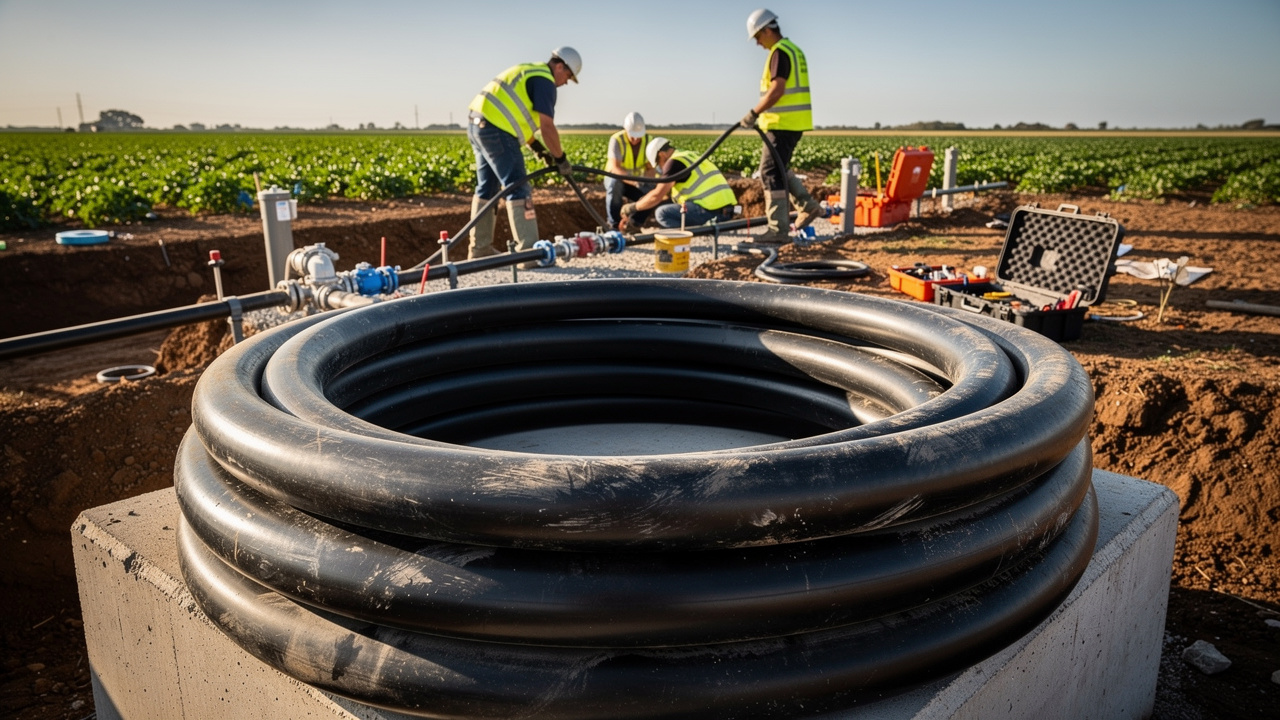
4 Key Benefits of High Density Polyethylene Tubing for OEMs
Introduction
High-density polyethylene (HDPE) tubing stands at the forefront of operational efficiency, revolutionizing how Original Equipment Manufacturers (OEMs) approach their production processes. This game-changing piping option not only makes installation a breeze but also cuts down on maintenance expenses, positioning itself as an indispensable asset for modern manufacturing and agricultural applications.
With numerous materials on the market, OEMs often struggle to find the most efficient and cost-effective solution. So, with a sea of choices out there, how do OEMs know if making the switch to HDPE is the right move for them?
Lightweight Nature of HDPE Tubing
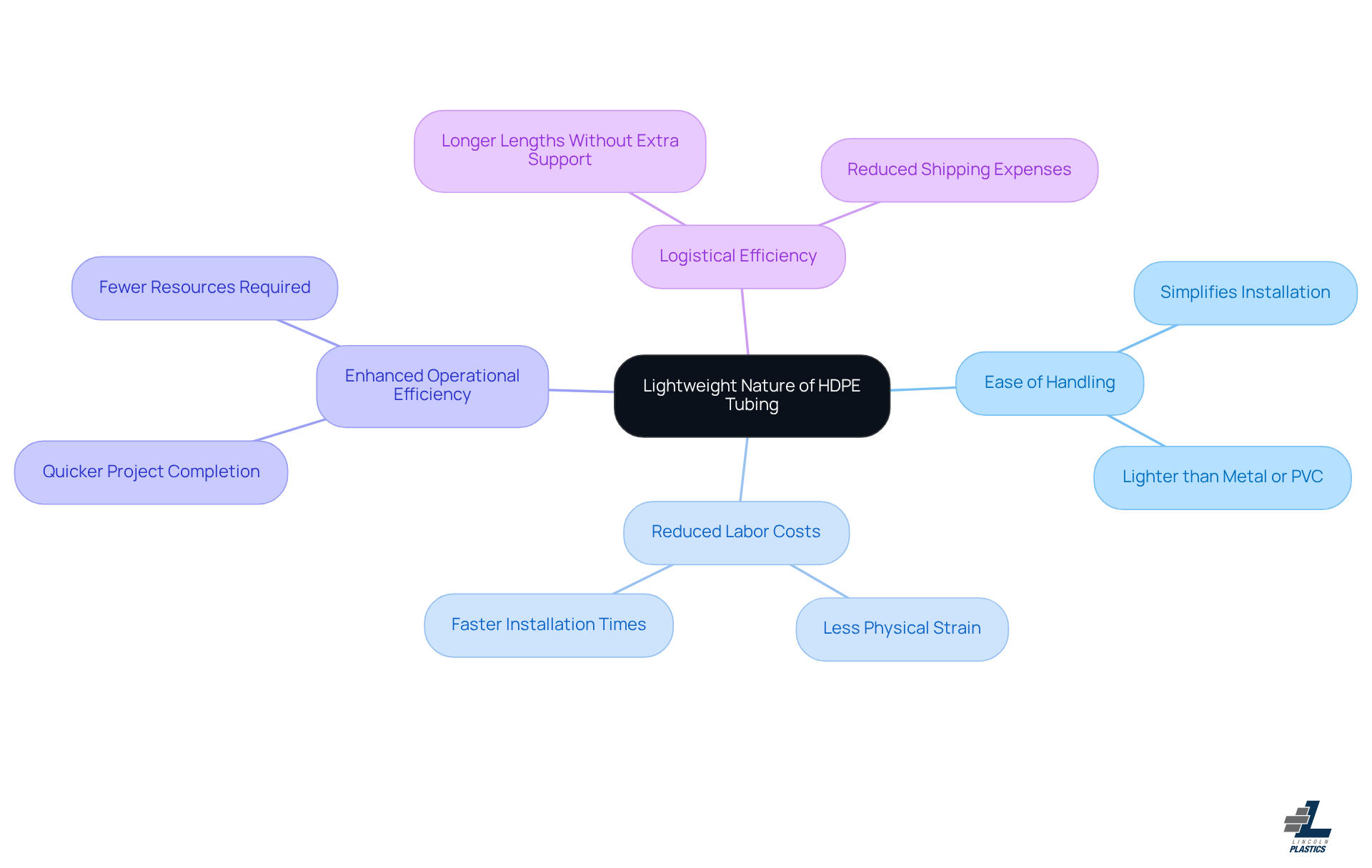
High-density polyethylene tubing revolutionizes the way projects are executed, offering unmatched ease of handling and installation. These pipes are considerably lighter than conventional materials such as metal or PVC, which not only simplifies the installation process but also reduces labor costs and shipping expenses. How much faster could your projects be completed with fewer resources at your disposal? For OEMs, this translates to enhanced operational efficiency, allowing for quicker project completion. The decreased weight of plastic piping also permits longer lengths to be moved without the need for extra support frameworks, further improving logistical efficiency.
At Lincoln Plastics, we manufacture both standard and custom round plastic profiles in a variety of colors, diameters, and lengths, including flexible profiles tailored to your specific needs. Our co-extrusion capabilities allow for the integration of different colors into your profiles, such as a distinctive yellow stripe, providing added versatility for your applications. Choosing Lincoln Plastics means investing in solutions that not only meet but exceed your project expectations.
Corrosion Resistance of HDPE Tubing
High-density polyethylene piping stands out as a game-changer in agricultural applications, offering unmatched resistance to corrosion that metal pipes simply can't match. This non-reactive characteristic allows high-density polyethylene to withstand exposure to various chemicals. These include fertilizers and pesticides commonly used in agriculture. As a result, OEMs can depend on high-density polyethylene tubing to sustain operational efficiency over prolonged durations, significantly decreasing the need for replacements.
Have you considered the benefits of switching from metal to plastic pipes? Farmers who have made the change report fewer leaks and significantly lower maintenance costs, with some noting a decrease in expenses by up to 30%.
Emily Chen, a material scientist, points out, "Unlike metal pipes, which can rust when they come into contact with moisture and certain chemicals in the soil, high-density polyethylene doesn't have that problem." This durability not only minimizes downtime but also translates into substantial cost savings, reinforcing the value of high-density polyethylene in modern irrigation practices.

Flexibility and Damage Resistance of HDPE Tubing
Imagine a piping solution that bends without breaking, adapting seamlessly to your operational needs. High-density polyethylene tubing is celebrated for its remarkable flexibility, allowing it to navigate obstacles and fit specific layouts without compromising integrity. This flexibility is crucial for applications where pipes need to navigate obstacles or fit specific layouts. The robust molecular structure of high-density polyethylene offers exceptional damage resistance, making it resilient against impacts and environmental stressors.
For OEMs, systems that include high-density polyethylene tubing can operate efficiently in dynamic environments, greatly minimizing the chance of failure. Did you know that high-density polyethylene tubing can withstand impacts of up to 1,500 psi? Imagine the reliability this brings to your operations, improving operational efficiency and reducing repair expenses.
Practical uses, such as the application of high-density polyethylene tubing in agricultural irrigation systems, demonstrate that it maintains performance even under challenging conditions, showcasing its reliability and durability in diverse operational scenarios. As industry engineer John Smith notes, 'The adaptability of high-density polyethylene tubing permits creative designs that conventional materials simply cannot support.'
Choosing high-density polyethylene tubing isn't just a decision; it's a strategic move towards operational excellence. Since 1948, Lincoln Plastics has been at the forefront of custom extrusion molding, providing solutions that meet the unique needs of OEMs in irrigation and cable management. It's essential for OEM Purchasing Managers to consider these advantages when evaluating procurement strategies for piping systems.

Recyclability of HDPE Tubing
In an era where sustainability is paramount, high-density polyethylene pipes stand out as a robust and eco-friendly choice for OEMs. Not only are they known for their strength, but they also offer full recyclability, making them an environmentally responsible option. At the end of their life cycle, high-density polyethylene can be reprocessed into new products, significantly reducing waste and promoting sustainability. This characteristic aligns perfectly with the growing demand for responsible manufacturing practices.
When OEMs choose high-density polyethylene tubing, they not only reduce their environmental impact but also enhance their performance. How can your choice of materials impact sustainability? By selecting HDPE, OEMs actively contribute to a circular economy while benefiting from the substance's exceptional performance characteristics. With a service life that can surpass 100 years, HDPE becomes an attractive long-term solution. Furthermore, these products require less energy for production, transport, and installation compared to conventional options like steel or concrete, solidifying their position as an energy-efficient selection.
Our team at Lincoln Plastics is here to guide you in selecting the best materials for your needs. We assist in optimizing designs for manufacturing and provide tailored Vendor Managed Inventory (VMI) solutions to help maintain optimal inventory levels, adjusting for busy and slower seasons. The energy efficiency and long lifespan of HDPE further support the development of resilient infrastructure and help achieve sustainability goals. By opting for HDPE, you're not just making a choice for now; you're investing in a sustainable future for your business.

Conclusion
High-density polyethylene (HDPE) tubing is not just an option; it’s a game-changer for OEMs seeking efficiency and sustainability. Opting for HDPE is a decisive move that enhances operational efficiency and cuts costs on installation, maintenance, and material waste. This powerful material streamlines processes and champions a sustainable manufacturing approach.
The article highlights four key benefits of HDPE tubing:
- Its lightweight nature simplifies handling and installation.
- Its corrosion resistance ensures longevity in harsh environments.
- Its flexibility allows for adaptability in diverse applications.
- Its recyclability promotes environmental responsibility.
Each of these attributes contributes to improved performance and cost savings, making HDPE an attractive choice for OEMs looking to optimize their operations.
Incorporating HDPE tubing into manufacturing processes is a strategic investment that future-proofs operations. As the industry moves towards more sustainable practices, choosing HDPE can significantly impact both efficiency and environmental stewardship. Choosing HDPE is not just about materials; it’s about leading the charge towards a more efficient and sustainable future in manufacturing.
Frequently Asked Questions
What is the main advantage of high-density polyethylene (HDPE) tubing?
The main advantage of HDPE tubing is its lightweight nature, which simplifies handling and installation, reduces labor costs, and lowers shipping expenses.
How does the weight of HDPE tubing compare to traditional materials?
HDPE tubing is considerably lighter than traditional materials such as metal or PVC, facilitating easier installation and logistical efficiency.
What benefits does the reduced weight of HDPE tubing provide for project execution?
The reduced weight allows for longer lengths of tubing to be moved without additional support frameworks, leading to quicker project completion and enhanced operational efficiency for OEMs.
What types of plastic profiles does Lincoln Plastics manufacture?
Lincoln Plastics manufactures both standard and custom round plastic profiles available in various colors, diameters, and lengths, including flexible profiles tailored to specific needs.
Can Lincoln Plastics integrate different colors into their profiles?
Yes, Lincoln Plastics utilizes co-extrusion capabilities to integrate different colors into their profiles, such as adding a distinctive yellow stripe for added versatility.
What should customers expect when choosing Lincoln Plastics for their projects?
Customers can expect solutions that not only meet but exceed their project expectations when choosing Lincoln Plastics.
List of Sources
- Lightweight Nature of HDPE Tubing
- lincoln-plastics.com (https://lincoln-plastics.com/news-post/10-benefits-of-hard-polyethylene-tubing-for-project-efficiency)
- Corrosion Resistance of HDPE Tubing
- cnzjpipe.com (https://cnzjpipe.com/blog/do-hdpe-pipes-for-agriculture-have-a-good-resistance-to-soil-corrosion-2520421.html)
- riifo.com (https://riifo.com/news/hdpe-pipes-applications-and-features-everything-you-need-to-know)
- openpr.com (https://openpr.com/news/4480491/hdpe-pipes-industry-analysis-report-2026-key-drivers-market)
- Flexibility and Damage Resistance of HDPE Tubing
- lincoln-plastics.com (https://lincoln-plastics.com/news-post/10-benefits-of-hard-polyethylene-tubing-for-project-efficiency)
- riifo.com (https://riifo.com/news/hdpe-pipes-applications-and-features-everything-you-need-to-know)
- polypipenews.com.au (https://polypipenews.com.au/news/alarming-new-study-on-hdpe-pvc-pipe-health-risks)
- Recyclability of HDPE Tubing
- Discover the environmental benefits of HDPE (https://wlplastics.com/environmental-benefits-of-hdpe)
- newtech-pipes.com (https://newtech-pipes.com/the-environmental-impact-of-hdpe-pipes-and-their-sustainability)


