
4 Best Practices for Using Transparent Hard Plastic in Manufacturing
Introduction
Choosing the right transparent hard plastic is crucial for manufacturing success across diverse industries. Let’s explore best practices for using transparent hard plastics, including:
- Selection criteria
- Quality control measures
- Innovative sustainability approaches
Manufacturers often struggle to navigate the myriad of options available in transparent hard plastics. How can they balance performance, cost, and environmental responsibility? Making the right choice can lead to enhanced product quality and sustainability.
Understand Types of Transparent Hard Plastics
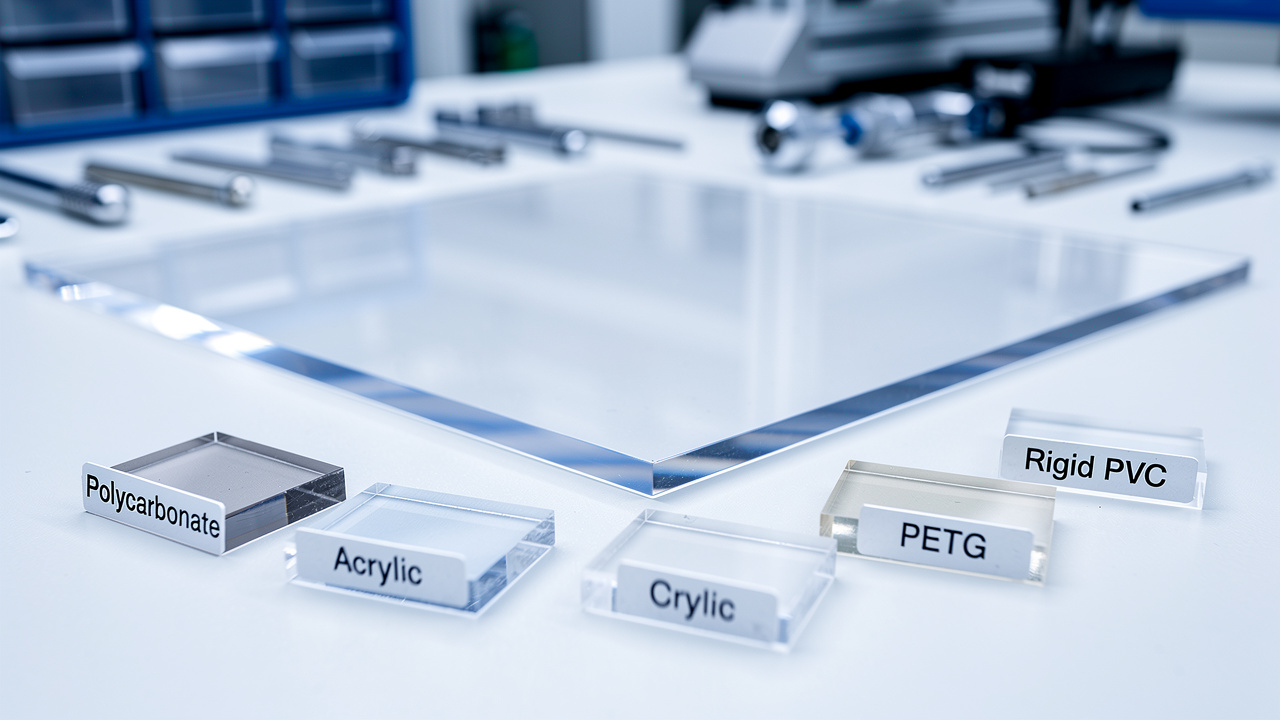
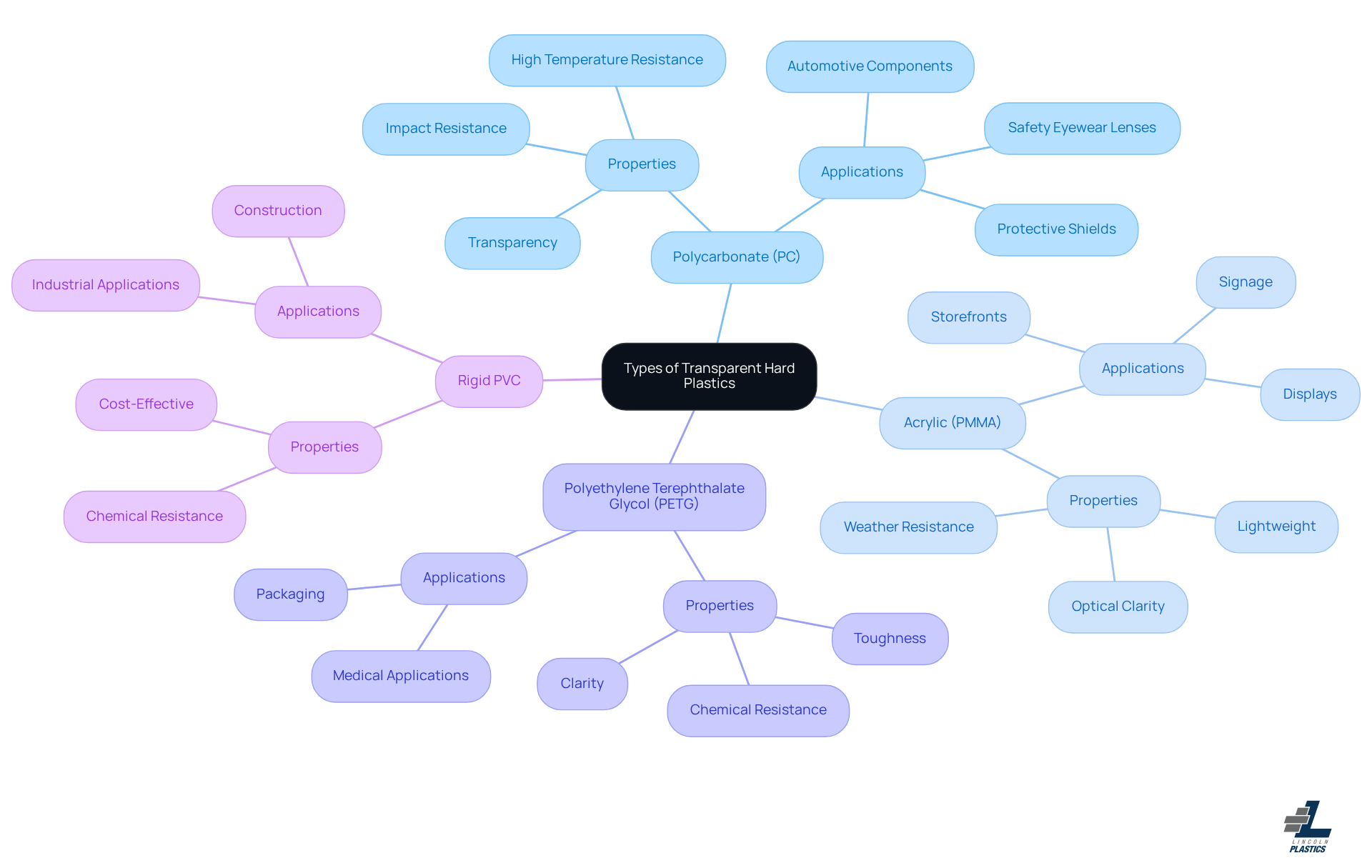
Selecting the appropriate transparent hard plastic can greatly influence the success of your manufacturing process. These materials are widely utilized across various industries due to their unique properties. The most common types include:
- Polycarbonate (PC): Known for its outstanding impact resistance and transparency, polycarbonate is frequently used in safety applications such as eyewear lenses and protective shields. It withstands high temperatures and is less prone to shattering compared to glass.
- Acrylic (PMMA): Acrylic is favored for its optical clarity and ease of fabrication. Lighter than glass, it offers good weather resistance, making it ideal for outdoor applications like signage and displays.
- Polyethylene Terephthalate Glycol (PETG): This material combines the clarity of acrylic with the toughness of polycarbonate. PETG is often used in packaging and medical applications due to its excellent chemical resistance and formability.
- Rigid PVC: While not as clear as the other options, rigid PVC is cost-effective and provides good chemical resistance, making it suitable for various industrial applications.
Understanding materials like transparent hard plastic ensures you make informed decisions that enhance product quality and durability.
Evaluate Selection Criteria for Transparent Plastics
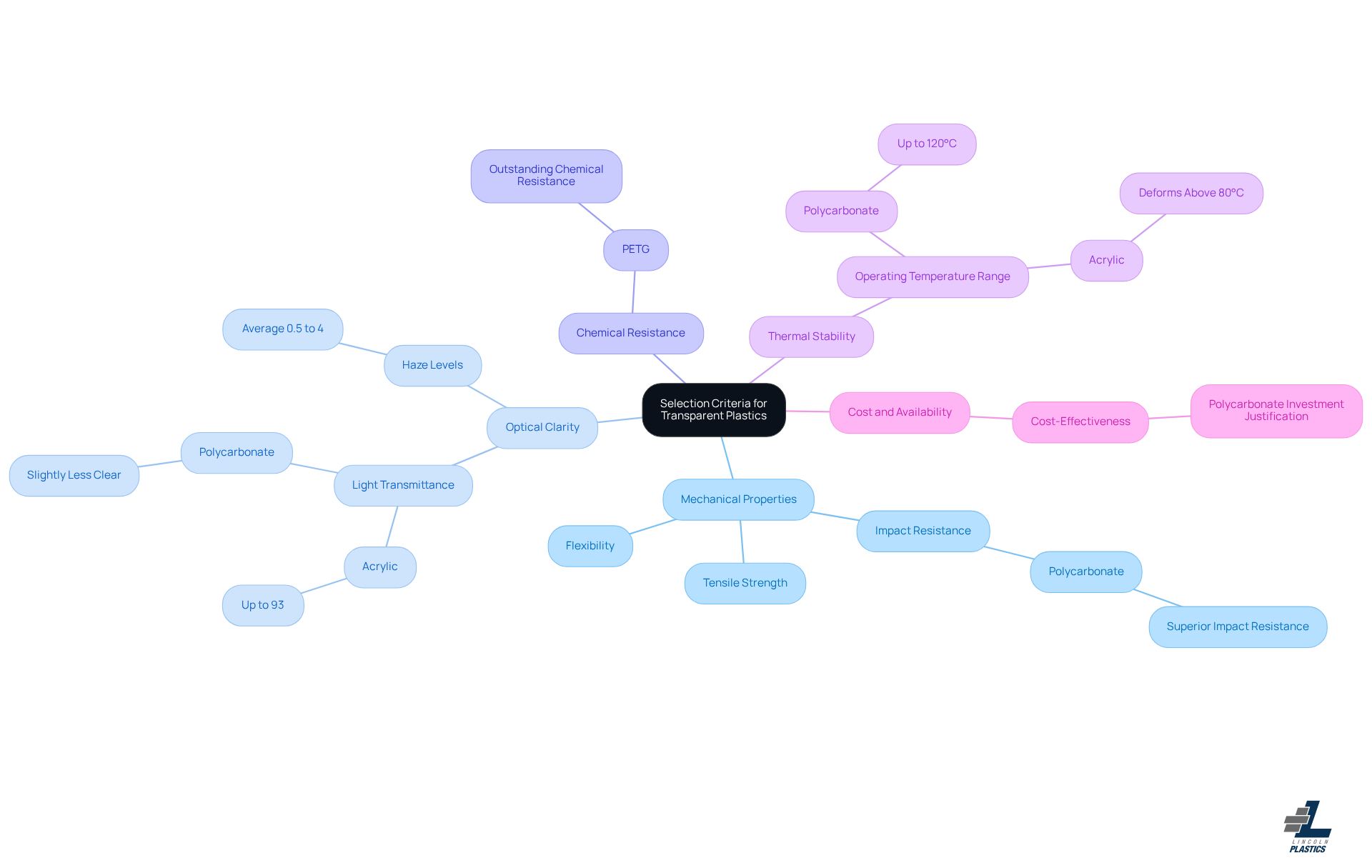
When it comes to manufacturing, the choice of transparent hard plastic can make or break your product's success. Several key criteria should be considered:
- Mechanical Properties: Evaluate the tensile strength, impact resistance, and flexibility of the material. For example, polycarbonate is renowned for its superior impact resistance, making it an excellent choice for applications that demand durability.
- Optical Clarity: Assess the light transmittance and haze levels of the material. Acrylic typically offers the highest clarity, achieving light transmittance values of up to 93%. However, transparent plastics generally have an average light transmittance value ranging from 88% to 92%, with haze measures between 0.5% and 4%. While polycarbonate is slightly less clear, it provides enhanced impact resistance.
- Chemical Resistance: Investigate the material's resistance to chemicals it may encounter throughout its lifecycle. PETG is especially recognized for its outstanding chemical resistance, making it appropriate for medical and food packaging uses.
- Thermal Stability: Consider the operating temperature range of your application. Polycarbonate can endure higher temperatures, typically up to 120°C, compared to acrylic, which may deform at temperatures above 80°C. This ensures reliability in demanding environments.
- Cost and Availability: Analyze the cost-effectiveness of the material relative to its performance benefits. Although polycarbonate may be more expensive, its durability can validate the investment in high-impact uses, especially in fields such as agriculture and healthcare.
By systematically assessing these criteria, manufacturers can select the right transparent hard plastic material for their needs. This ensures reliability and optimal performance in their products. Case studies have demonstrated that substances such as polycarbonate and acrylic not only satisfy mechanical property requirements but also improve the overall functionality of products in diverse applications, from automotive components to medical devices. It's also important to consider potential drawbacks, like the specific environmental conditions the material will face, as these can significantly impact performance. Neglecting these selection standards could lead to costly mistakes that compromise product integrity and performance.
Implement Best Practices for Using Transparent Plastics
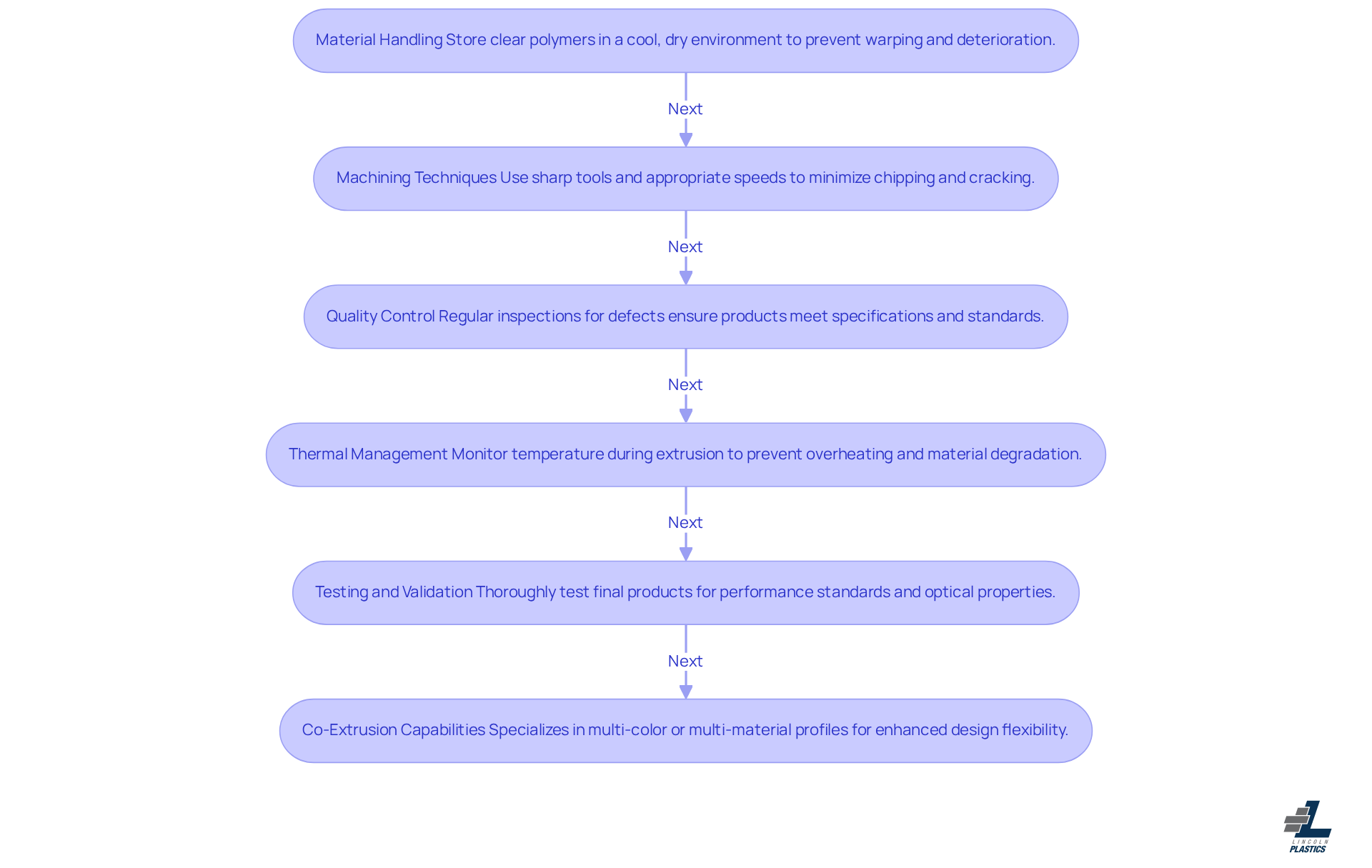
To maximize the effectiveness of transparent hard plastics in manufacturing, it’s crucial to adopt best practices that ensure quality and reliability:
- Material Handling: Store clear polymers in a cool, dry environment to prevent warping and deterioration. Use protective coverings to avoid scratches during handling, ensuring the integrity of the material.
- Machining Techniques: When cutting or machining transparent plastics, employ sharp tools and appropriate speeds to minimize chipping and cracking. A fine-toothed saw can achieve clean cuts without harming the material, which is essential for maintaining optical clarity.
- Quality Control: A strong quality control process guarantees that your products meet specifications and standards, boosting reliability. Regular inspections of extruded items for defects such as bubbles, discoloration, or dimensional inaccuracies are essential. Lincoln Plastics adheres to rigorous quality management plans, including dedicated quality books and in-process checks, all backed by our ISO 9001:2015 certification.
- Thermal Management: Monitor the temperature during the extrusion process to prevent overheating, which can lead to material degradation. Using temperature controls and sensors helps maintain ideal processing conditions, crucial for preserving the quality of clear polymers.
- Testing and Validation: Make sure to test your final products thoroughly to confirm they meet performance standards. This includes stress testing for impact resistance and clarity assessments to verify optical properties, which are vital for customer satisfaction.
- Co-Extrusion Capabilities: Lincoln Plastics specializes in co-extrusion for multi-color or multi-material profiles, allowing for enhanced design flexibility and functionality in your products.
By following these best practices, manufacturers can improve the quality and performance of their products made from transparent hard plastic, resulting in higher customer satisfaction and decreased waste. Elevate your manufacturing process and customer satisfaction by partnering with Lincoln Plastics for expert solutions.
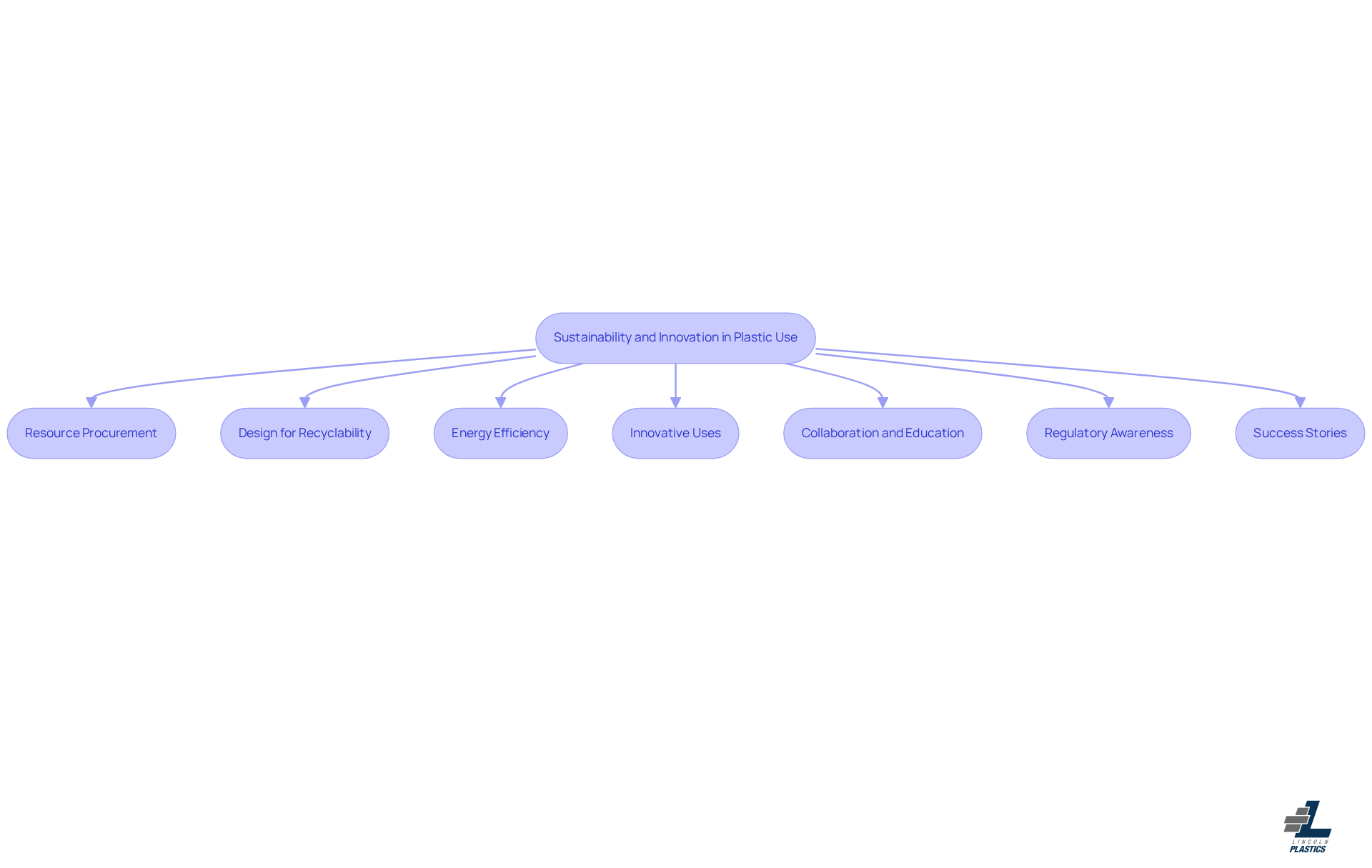
Incorporate Sustainability and Innovation in Plastic Use
In an era where sustainability is paramount, manufacturers must innovate in the use of transparent hard plastic to meet evolving consumer demands. Here are key strategies to consider:
- Resource Procurement: Consider utilizing recycled or bio-based clear polymers to lessen dependence on new resources and reduce your ecological footprint. This approach aligns with industry trends emphasizing the importance of sustainable sourcing.
- Design for Recyclability: How can products be designed for easy disassembly and recycling at the end of their lifecycle? Avoiding mixed materials is crucial, as they complicate recycling processes and hinder effective recovery.
- Energy Efficiency: Adopt energy-efficient manufacturing processes to lower carbon footprints. Techniques such as optimizing extrusion speeds and minimizing waste during production can significantly enhance sustainability efforts.
- Innovative Uses: Explore new uses for transparent hard plastic that not only improve functionality but also address sustainability issues. For example, using clear materials in energy-efficient lighting solutions can enhance product performance while decreasing energy usage.
- Collaboration and Education: Foster partnerships with suppliers and industry peers to share best practices and innovations in sustainable material use. Continuous education on emerging sustainability trends is vital for manufacturers to remain competitive in the evolving market.
- Regulatory Awareness: Stay informed about Extended Producer Responsibility (EPR) laws and their implications for manufacturing practices. Understanding these regulations can help manufacturers navigate compliance and leverage opportunities for sustainability.
- Success Stories: Learn from successful recycling initiatives, such as the effective recycling of beverage cups, to understand practical applications of sustainability strategies in the industry.
Embracing these strategies not only positions manufacturers as leaders in sustainability but also meets the rising consumer demand for responsible practices.
Conclusion
Choosing the right transparent hard plastics is not just a decision; it's a pivotal factor that can determine the success of your products. Selecting and utilizing these materials can significantly impact product quality and performance. Manufacturers can enhance their processes and meet customer expectations by understanding the types of transparent plastics, evaluating selection criteria, implementing best practices, and embracing sustainability.
Key insights from this article highlight the importance of choosing the right material based on:
- Mechanical properties
- Optical clarity
- Chemical resistance
- Thermal stability
Best practices such as:
- Proper material handling
- Rigorous quality control
- Effective thermal management
are essential for maintaining the integrity of transparent plastics. Furthermore, Lincoln Plastics' commitment to excellence, supported by ISO 9001:2015 certification and a robust quality management program, ensures that products meet the highest standards.
However, with so many options available, how do manufacturers ensure they are making the right choice? As the industry shifts towards sustainability, it's crucial for manufacturers to innovate and embrace eco-friendly materials. Are you ready to collaborate with experts like Lincoln Plastics to improve your manufacturing outcomes and contribute to a sustainable future? Embracing these best practices and insights will empower manufacturers to thrive in a competitive landscape while delivering high-quality products that meet the demands of today's market. By taking these steps, manufacturers can not only enhance their product quality but also secure their position in an increasingly competitive market.
Frequently Asked Questions
What are the common types of transparent hard plastics?
The most common types of transparent hard plastics include Polycarbonate (PC), Acrylic (PMMA), Polyethylene Terephthalate Glycol (PETG), and Rigid PVC.
What are the properties of Polycarbonate (PC)?
Polycarbonate is known for its outstanding impact resistance and transparency. It is frequently used in safety applications such as eyewear lenses and protective shields, and it can withstand high temperatures while being less prone to shattering compared to glass.
Why is Acrylic (PMMA) a popular choice for certain applications?
Acrylic is favored for its optical clarity and ease of fabrication. It is lighter than glass and offers good weather resistance, making it ideal for outdoor applications like signage and displays.
What advantages does Polyethylene Terephthalate Glycol (PETG) offer?
PETG combines the clarity of acrylic with the toughness of polycarbonate. It is often used in packaging and medical applications due to its excellent chemical resistance and formability.
How does Rigid PVC compare to other transparent hard plastics?
While Rigid PVC is not as clear as the other options, it is cost-effective and provides good chemical resistance, making it suitable for various industrial applications.
Why is it important to understand the types of transparent hard plastics?
Understanding materials like transparent hard plastic ensures informed decisions that enhance product quality and durability in manufacturing processes.
List of Sources
- Understand Types of Transparent Hard Plastics
- Polycarbonate Resins Market Share and Statistics - 2035 (https://factmr.com/report/3907/polycarbonate-resins-market)
- 15 Companies in Acrylic and Polycarbonate Sheets Market Size (https://sphericalinsights.com/blogs/top-15-companies-in-global-acrylic-and-polycarbonate-sheets-market-statistics-report-till-2035)
- Acrylic Usage Trends 2026: New Applications in Design and Industry (https://margacipta.com/User/News/detail/Acrylic-Usage-Trends-2026-New-Applications-in-Design-and-Industry)
- Best Practices for Using Clear Polycarbonate Plastic in Manufacturing (https://lincoln-plastics.com/news-post/best-practices-for-using-clear-polycarbonate-plastic-in-manufacturing)
- Evaluate Selection Criteria for Transparent Plastics
- The Mechanical Properties of Plastics (https://qualitymag.com/articles/95839-the-mechanical-properties-of-plastics)
- Plastics with good mechanical properties | Ensinger (https://ensingerplastics.com/en/plastic-material-selection/good-mechanical-properties)
- Transparent Plastics: Latest Technology Updates and End-use Applications (https://specialchem.com/plastics/guide/transparent-plastic-materials-applications-innovations)
- List of Transparent Plastic Materials: Polymer Transparency Detail Info (https://specialchem.com/plastics/guide/comprehensive-list-of-transparent-polymers)
- Implement Best Practices for Using Transparent Plastics
- PlasticsToday (https://plasticstoday.com)
- Newsroom - Plastics Industry Association (https://plasticsindustry.org/news)
- White House Announces New Strategy on Plastics Pollution | Insights | Holland & Knight (https://hklaw.com/en/insights/publications/2024/07/white-house-announces-new-strategy-on-plastics-pollution)
- What are the Plastic Manufacturing Trends for 2026? (https://linkedin.com/pulse/what-plastic-manufacturing-trends-2026-key-plastics-ltd-d4ekf)
- Plastics: Material-Specific Data | US EPA (https://epa.gov/facts-and-figures-about-materials-waste-and-recycling/plastics-material-specific-data)
- Incorporate Sustainability and Innovation in Plastic Use
- 2026 Sustainable Packaging Trends Report - Sustainable Packaging Coalition (https://sustainablepackaging.org/2026-sustainable-packaging-trends-report)
- Five Sustainability Trends Reshaping Plastic in 2026 (https://plasticsindustry.org/articles/five-sustainability-trends-reshaping-plastic-in-2026)
- The Essential Guide to Sustainable Plastic Manufacturing (https://goodfishgroup.com/the-essential-guide-to-sustainable-plastic-manufacturing-how-to-implement-eco-friendly-practices)
- Trend and Policies | Sustainable Plastics USA 2026 (https://sustainable-plastics-conference.com/trend/trends-and-policies)


