
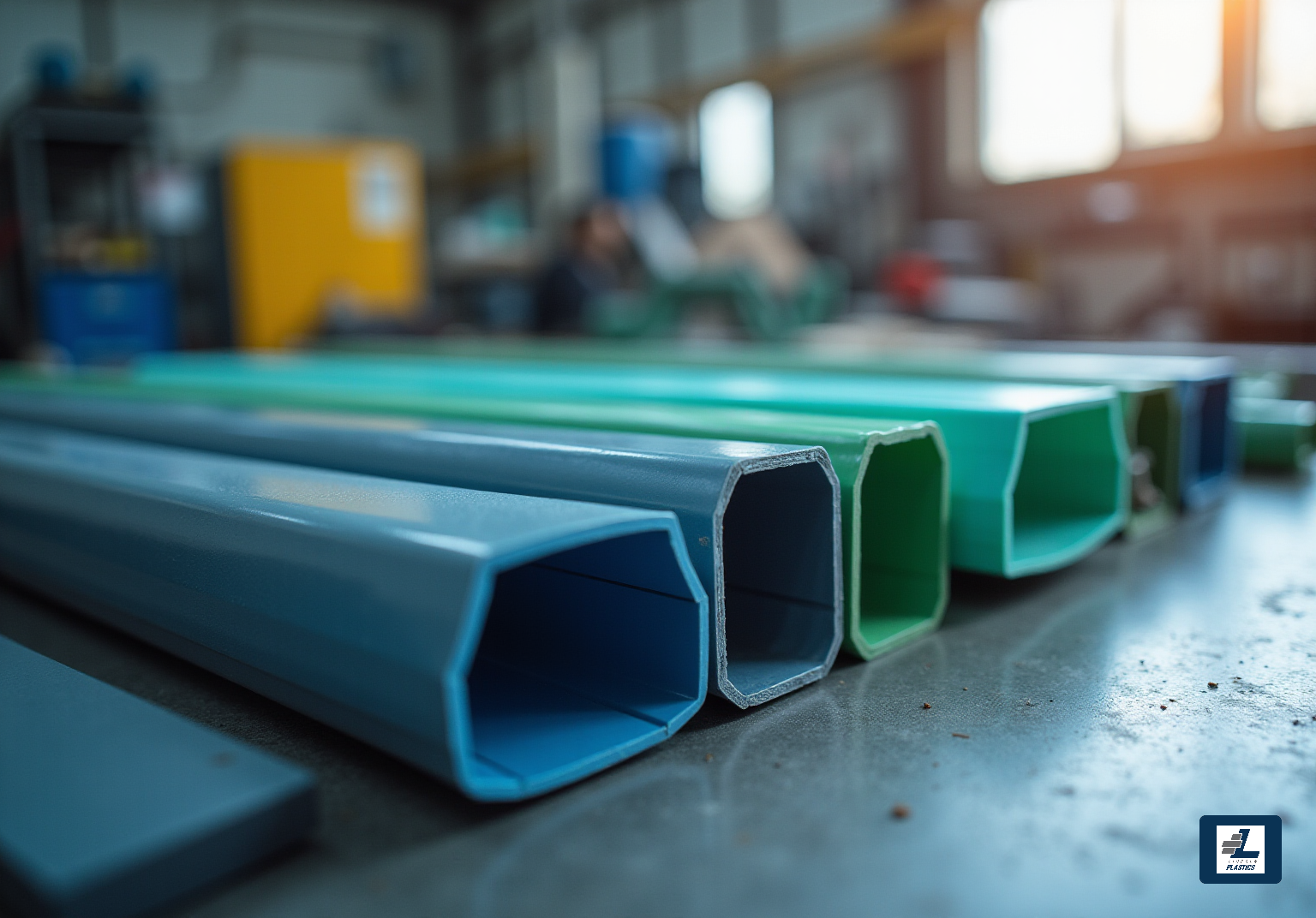
4 Best Practices for Using Plastic Extruded Channels Effectively
Introduction
Plastic extruded channels are super important in all sorts of industries, from construction to automotive. They do essential jobs like protecting wiring and boosting product durability. But here’s the thing: how can we make the most of these versatile components? By getting a grip on the best practices for using them, manufacturers can tap into some serious opportunities for better performance and happier customers.
Now, you might be wondering, what’s the best way to choose materials, design effectively, and ensure quality control? It’s a challenge, but it’s one worth tackling. Let’s dive into how we can ensure we’re making the right choices with plastic extruded channels, so we can maximize their benefits together!
Understand Plastic Extruded Channels and Their Applications
Plastic extruded channels are pretty handy in a bunch of industries, like construction, automotive, and electronics. They do all sorts of jobs, from protecting wires to guiding fluids and even providing structural support. For example, in construction, you’ll often see channels used for electrical installations. They help keep electrical wiring organized and safe from damage.
Now, let’s talk about automotive applications. These channels can be used for enhancing vehicle aesthetics, which really boosts a vehicle's durability and performance. Understanding how these materials work helps manufacturers to meet the unique needs of their clients. This ultimately leads to better products and happier customers. So, next time you see these channels, you’ll know just how important they are!

Select Appropriate Materials for Optimal Performance
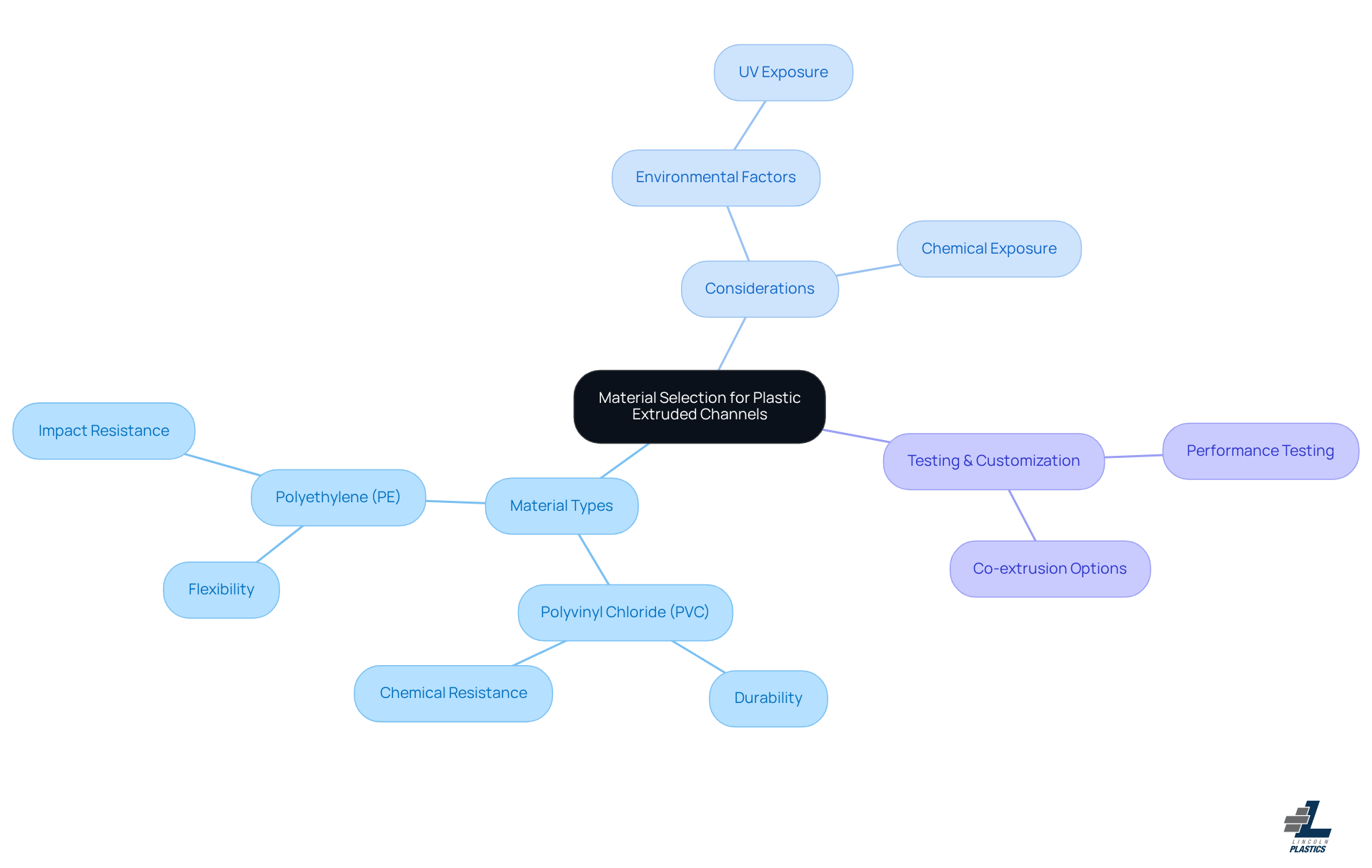
Choosing the right materials for plastic extruded channels is super important for achieving the best performance. You’ve probably heard of polycarbonate - it’s known for its durability and resistance to chemicals. Then there’s PVC, which is flexible and tough against impacts. When you’re picking materials, think about what you’ll be using the conduit for, what chemicals it might encounter, and the environment it’ll be in. For example, if it’s going to be outside, you’ll want to go for materials that can handle UV exposure.
Now, let’s talk about Lincoln Plastics. They offer a variety of channels in different sizes and materials. Plus, you can even add an extra color into your profile, which is a great way to customize it to fit your needs. And don’t forget about testing! Running some tests on the materials can help ensure they meet the performance standards you need, leading to a more reliable product.
With Lincoln Plastics, you can count on timely delivery and support for your essential components. So, why not explore your options today?
Incorporate Effective Design Strategies for Extruded Channels
When it comes to designing extruded channels, there are a few strategies that can really make a difference. First off, keeping a consistent wall thickness is super important. Why? Because it helps avoid flow problems during extrusion, which can lead to issues like warping or weak spots. A study even showed that maintaining uniform thickness can boost the quality of shaped items, cutting down on defects by ensuring materials are evenly distributed. Plus, with today’s optimization tools, you can test hundreds of different geometries in just one day - how cool is that?
Now, let’s talk about design simplicity. Steering clear of intricate details not only saves on tooling costs but also speeds up production. For instance, using rounded corners instead of sharp angles can improve material flow and reduce stress concentrations, making for stronger products. And here’s a tip: early detection is key. It helps spot potential issues early on, so you can make adjustments that enhance both performance and manufacturability.
At Lincoln Plastics, we work closely with OEMs to ensure our shaped sections meet all specifications, including checks for fit and function. By embracing these best practices and leveraging our robust quality system, manufacturers can achieve products that meet the needs of various applications. So, why not consider these strategies for your next project? You might just find they make a world of difference!

Implement Quality Control Measures to Ensure Consistency
measures are super important for the production of plastic extruded channels. They help ensure everything is consistent and reliable. At Lincoln Plastics, we work hand-in-hand with OEMs to make sure their products meet all the specifications, including those special checks for ‘fit and function.’
So, what does that look like? Well, we keep a close eye on material characteristics, control the temperature during extrusion, and carry out inspections on the final product. Our quality control process is pretty robust, too. We set clear specifications for both raw materials and finished goods, and we regularly audit our manufacturing process.
For instance, we use various types of check gauges to ensure a proper fit for end use. Plus, we’ve got systems in place to monitor extrusion parameters. This means we can spot any deviations in real-time and take immediate corrective actions. By prioritizing quality control, Lincoln Plastics not only reduces defects but also enhances product performance and builds trust with our clients, especially with our plastic extruded channel.
Now, doesn’t that sound like a win-win?

Conclusion
Let’s face it: understanding how to use plastic extruded channels effectively can be a game changer in various industries. Whether you’re in construction, automotive, or electronics, these channels are crucial for keeping things organized, protected, and structurally sound. By picking the right materials, using smart design strategies, and sticking to solid quality control, manufacturers can really step up their game and exceed what’s expected.
Throughout this article, we’ve shared some key insights that highlight how important it is to choose materials based on environmental factors and what you plan to use them for. For instance, keeping a consistent wall thickness and simplifying shapes can really boost production efficiency and make products last longer. Plus, having strong quality control processes in place is vital for ensuring consistency and reliability, which ultimately leads to happier customers.
So, what’s the takeaway? Leveraging these best practices isn’t just about making manufacturing smoother; it’s about creating top-notch products that can withstand the test of time. By honing in on material properties, effective design, and strict quality assurance, manufacturers can really set themselves up for success in a competitive market. Embracing these strategies not only enhances product functionality but also sparks innovation and growth in the industry. Ready to take your products to the next level?
Frequently Asked Questions
What are plastic extruded channels used for?
Plastic extruded channels are used in various industries such as construction, automotive, and electronics. They serve multiple functions including protecting wires, guiding fluids, and providing structural support.
How are plastic extruded channels applied in construction?
In construction, plastic extruded channels are commonly used for cable management systems, helping to keep electrical wiring organized and safe from damage.
What role do plastic extruded channels play in the automotive industry?
In the automotive industry, plastic extruded channels are utilized for weather stripping and sealing, which enhances a vehicle's durability and performance.
Why is it important for manufacturers to understand plastic extruded channels?
Understanding how these materials work allows manufacturers to tailor their designs to meet the unique needs of their clients, leading to better product functionality and increased customer satisfaction.
List of Sources
- Incorporate Effective Design Strategies for Extruded Channels
- custom-profile.com (https://custom-profile.com/blog)
- link.springer.com (https://link.springer.com/article/10.1007/s11012-024-01919-7)
Related posts

Why Custom Pipe Extrusion Matters More Than Ever
Standard pipe sizes don’t always work. Learn how Lincoln Plastics delivers custom diameters, wall thicknesses, and finishes in right-sized runs.


Reducing Trip Hazards with Custom Cord Management
Loose cords are more than messy — they’re a safety hazard. Lincoln Plastics’ custom cord covers and Flexiduct solutions improve safety and efficiency.
The Power of Custom Plastic Profiles for OEMs
Off-the-shelf profiles force compromises. Learn how Lincoln Plastics designs custom extruded profiles for OEMs with exact specs and right-sized runs.
