
4 Best Practices for Successful Polypropylene Extrusion
Introduction
Polypropylene extrusion stands as a pivotal force in the manufacturing sector, renowned for its exceptional strength and versatility. Understanding the properties of polypropylene is just the beginning; yet, many manufacturers struggle to effectively select the right equipment and optimize processes while fostering innovation in a competitive landscape. This article delves into the best practices for successful polypropylene extrusion, offering insights that can turn challenges into stepping stones for unprecedented growth and efficiency.
Understand Polypropylene Properties and Applications
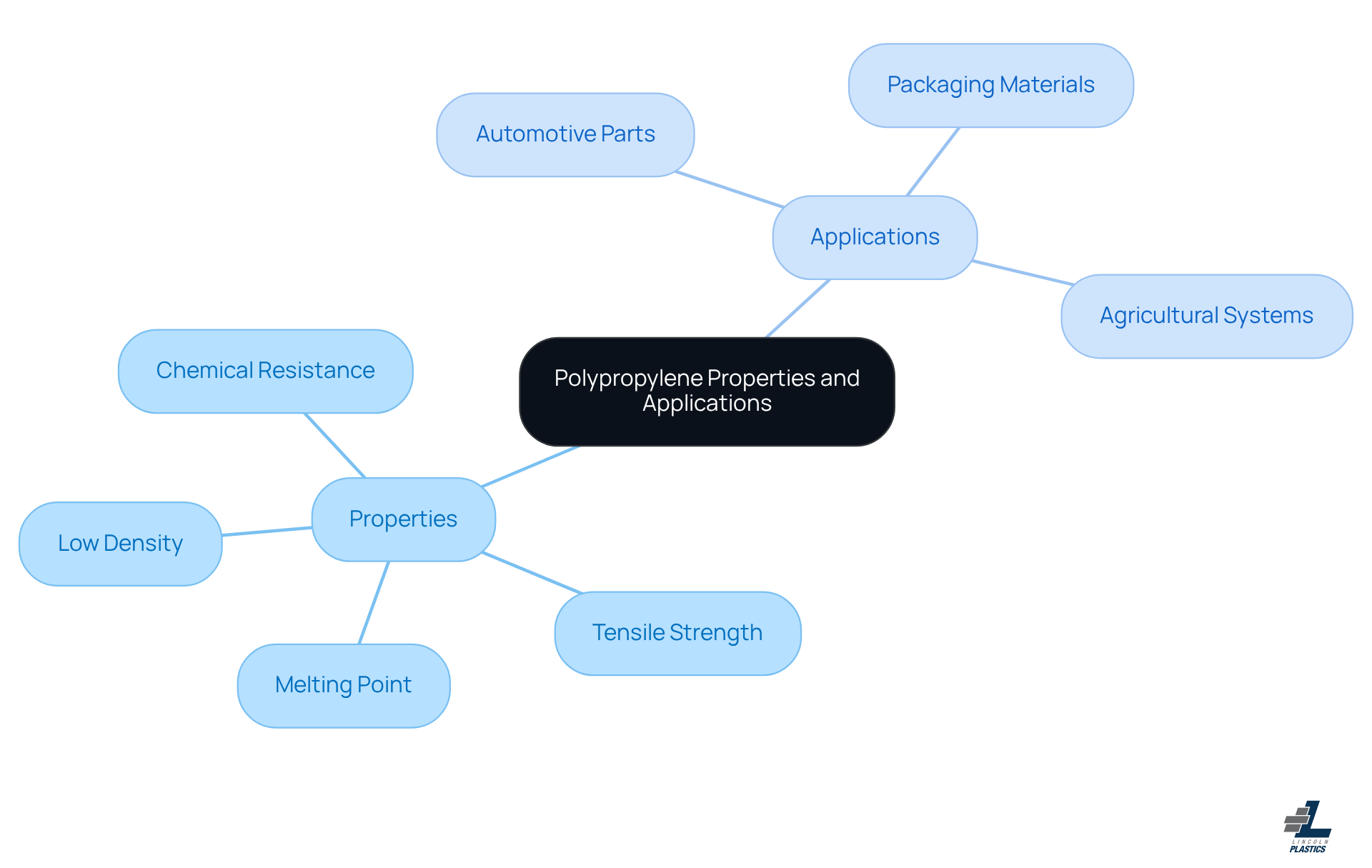
Polypropylene (PP) stands out as a thermoplastic polymer that combines versatility with exceptional strength, making it a top choice for various applications. It exhibits excellent chemical resistance, high tensile strength, and a melting point of approximately 160°C. Without a solid grasp of polypropylene's properties, achieving optimal results in production can be challenging. For instance, the material's low density makes it ideal for applications requiring lightweight components, such as automotive parts and packaging materials. Additionally, its resistance to moisture and chemicals allows for its use in agricultural applications, such as irrigation systems.
At Lincoln Plastics, we utilize these properties to provide a diverse selection of standard and custom round plastic profiles. Available in various colors, diameters, and lengths, our products cater to your specific needs. Furthermore, our capability to co-extrude various colors into profiles, like a 'yellow stripe,' enhances our offerings. This means that choosing Lincoln Plastics ensures you receive solutions that not only meet but exceed your expectations. We are committed to delivering high standards and durable solutions that align with your needs, ensuring on-time delivery and assurance.
Choose Appropriate Equipment and Technology for Extrusion
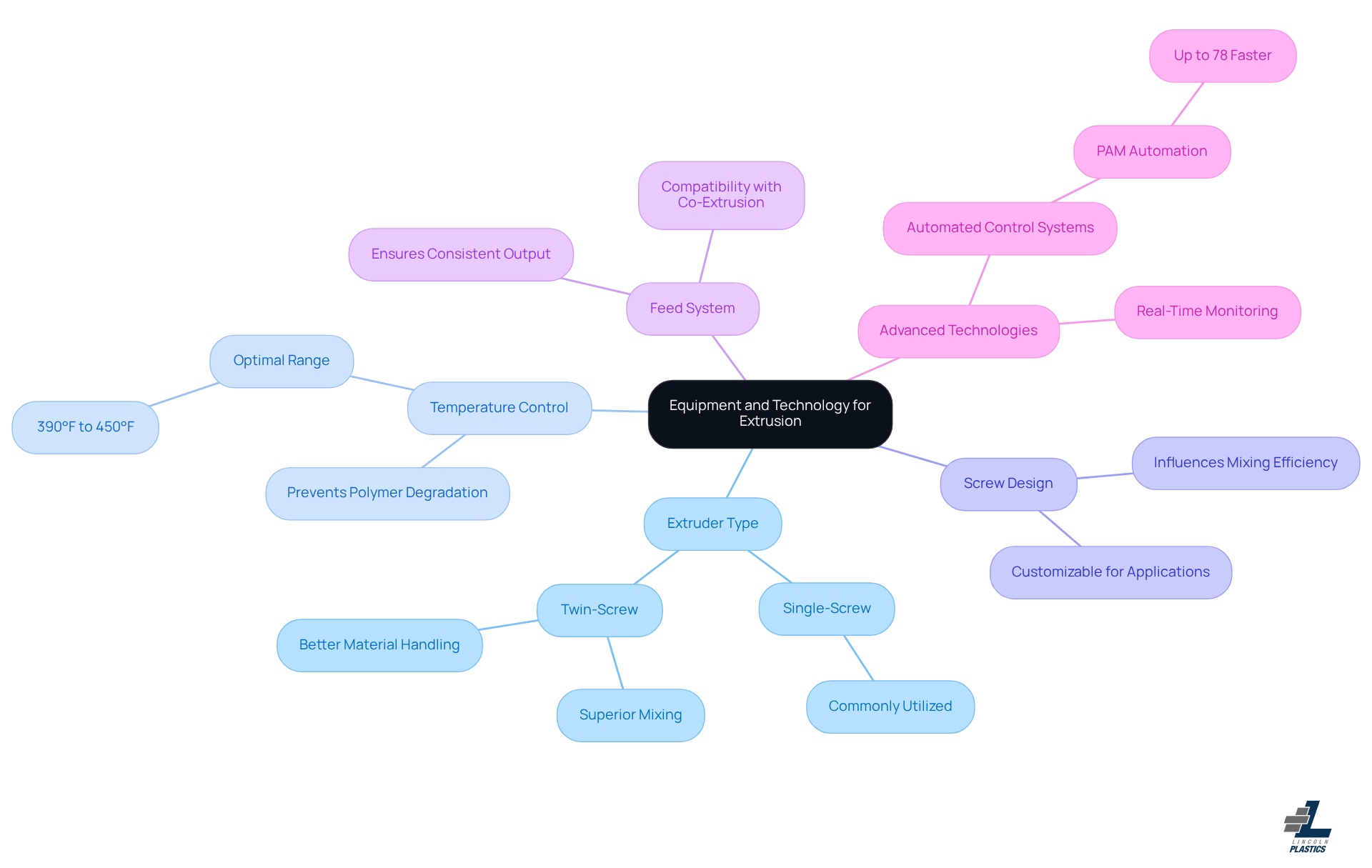
Selecting the right manufacturing machinery is critical for maximizing efficiency and ensuring top-notch quality in polypropylene extrusion. While single-screw extruders are commonly utilized, polypropylene extrusion with twin-screw extruders offers superior mixing and material handling capabilities, making them a preferred choice for many applications.
Key factors to consider in polypropylene extrusion include:
- The extruder's temperature control
- Screw design
- Feed system
Keeping barrel temperatures between 390°F and 450°F is vital. This prevents polymer degradation and ensures consistent output. Furthermore, investing in advanced technologies, such as automated control systems, enhances precision and consistency throughout the polypropylene extrusion process. For instance, the PAM automation option can be up to 78 percent faster than conventional control methods, significantly improving production efficiency.
Have you evaluated your specific application requirements, including the need for co-extrusion capabilities or specialized dies to create unique profiles? Making informed decisions that align with your production goals is essential.
At Lincoln Plastics, we collaborate closely with OEMs to guarantee that our products meet all standards, including special checks for fit and function. We employ various types of check gauges to ensure proper end-use fit, and our strong assurance system includes a dedicated record book for each plastic profile, complete with drawings, critical in-process checks, and run documentation.
Imagine the financial strain of a single day’s downtime; it can result in a loss of sales amounting to 48,000 euros. Ultimately, the right equipment can mean the difference between thriving and merely surviving in a competitive market.
Implement Process Optimization and Quality Control Measures
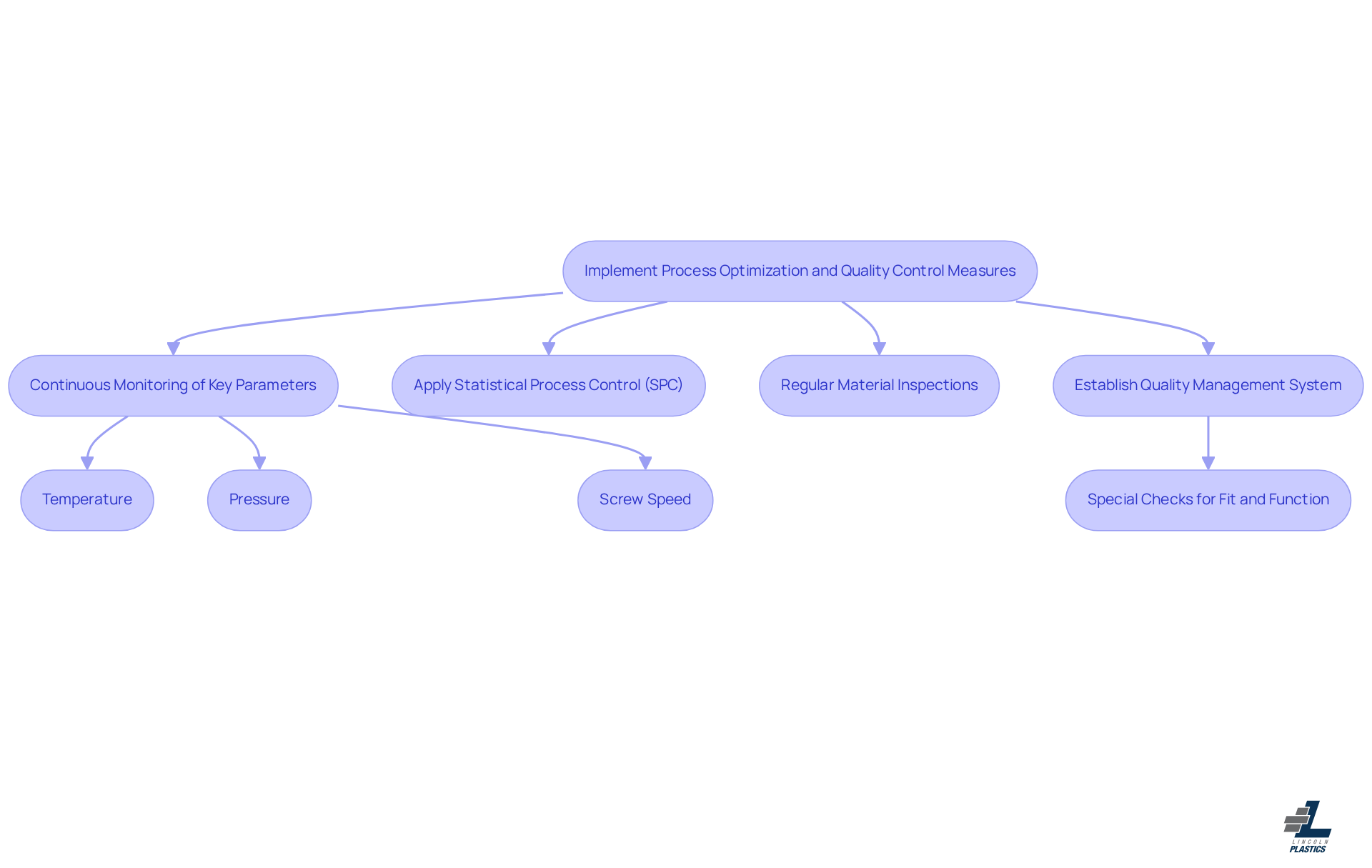
To achieve unparalleled quality in polypropylene extrusion, manufacturers must prioritize optimization and control measures. This requires continuous monitoring of key parameters.
- Temperature
- Pressure
- Screw speed must be carefully controlled.
Applying statistical process control (SPC) methods is essential for identifying variations in the shaping process. This allows for prompt modifications to preserve quality. Regular material inspections and testing for properties like melt flow rate (MFR) are crucial to prevent defects and ensure compliance with specifications. For instance, keeping the melt temperature below the degradation point of polypropylene is vital for maintaining its mechanical properties.
Establishing a robust quality management system is crucial.
- Special checks for 'fit and function'
- Various check gauges can significantly enhance product reliability and customer satisfaction.
This oversight can lead to costly defects and dissatisfied customers. Ultimately, this approach boosts operational efficiency. Integrating these practices not only reduces risks but also fosters long-term success in the competitive environment of polypropylene extrusion.
Foster Collaboration with Suppliers and Industry Partners
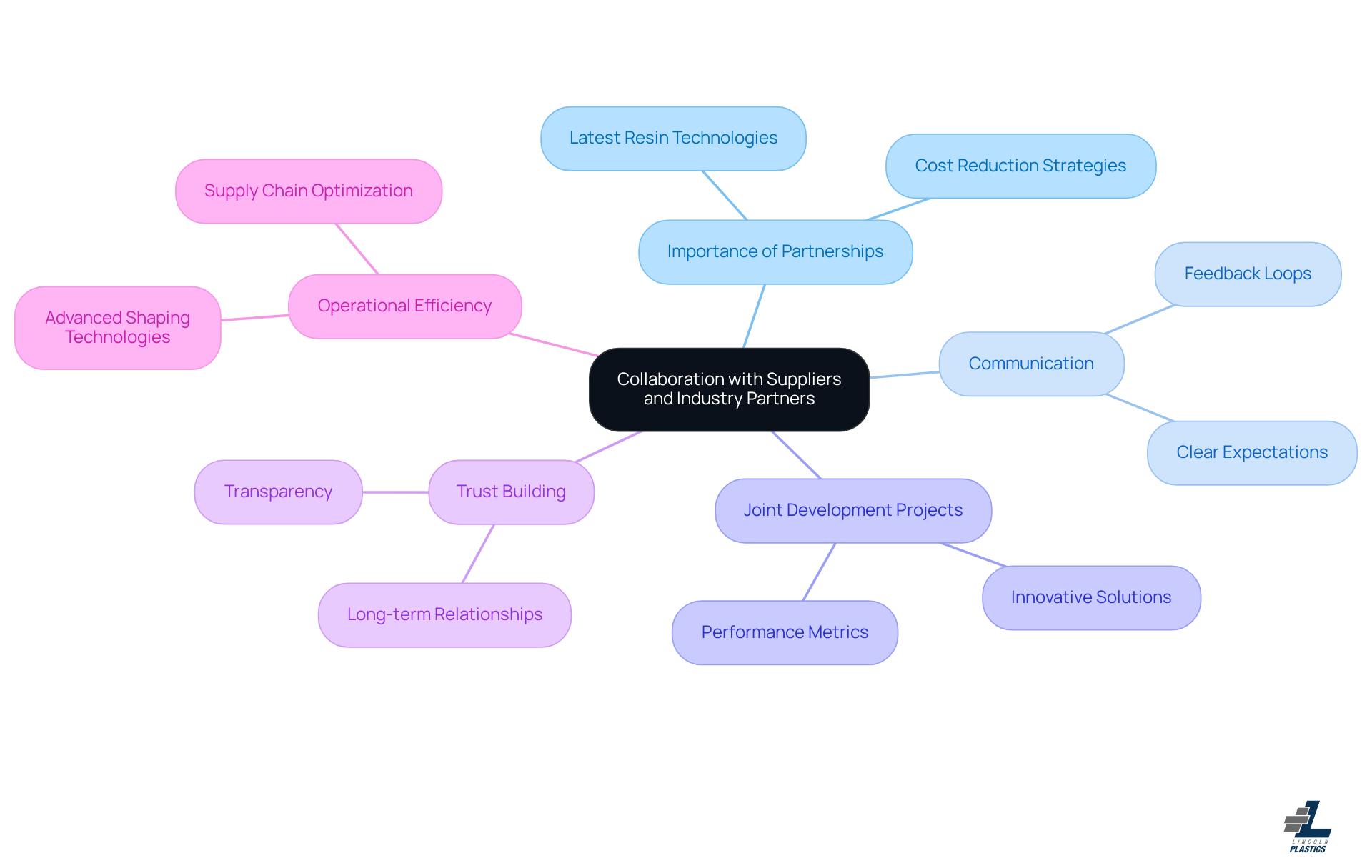
In the competitive landscape of polypropylene manufacturing, forging robust partnerships with suppliers is not just beneficial; it's imperative for success. It's crucial for manufacturers to connect with material suppliers who can share insights on the latest resin technologies and formulations. Collaborating with equipment producers deepens the understanding and utilization of advanced shaping technologies, ultimately leading to improved operational efficiency.
Regular communication and feedback loops are vital for addressing challenges and identifying opportunities for improvement. Joint development projects in the polypropylene sector have consistently led to innovative solutions that not only enhance product performance but also drive down costs. According to a survey, 76% of business leaders believe ecosystems will disrupt current business models, emphasizing the need for strategic partnerships.
Additionally, Richard Teuchler, Head of Demand Generation at Kodiak Hub, states, "When trust is established, suppliers become more than just vendors - they become partners who proactively help solve problems and drive innovation." By cultivating a collaborative environment, manufacturers can leverage external expertise, driving continuous improvement in their polypropylene extrusion processes.
To build strong relationships with industry partners, companies should focus on clear communication, setting mutual goals, and establishing trust through transparency. By prioritizing collaboration and transparency, manufacturers can transform their operations and stay ahead in a rapidly evolving market.
Conclusion
Mastering polypropylene extrusion is not just about technique; it’s about understanding the material's unique properties and the challenges that come with it. By focusing on polypropylene's characteristics is crucial. Selecting the right equipment, implementing rigorous quality control measures, and fostering collaboration with suppliers are essential steps. Together, these actions help manufacturers achieve optimal results and maintain a competitive edge.
The article explored essential practices, including the significance of choosing appropriate machinery, such as twin-screw extruders for enhanced mixing capabilities, and the necessity of maintaining precise temperature and pressure controls during production. Additionally, it emphasized the importance of process optimization through continuous monitoring and a robust quality management system to prevent defects and ensure compliance with specifications. Finally, the value of strategic partnerships with suppliers was highlighted as a means to drive innovation and improve operational efficiency.
In conclusion, adopting these best practices streamlines the polypropylene extrusion process. It also contributes to long-term success in a dynamic industry. When you prioritize education about polypropylene, invest in the right technology, and build strong relationships, you can navigate challenges and seize opportunities for growth. Ultimately, those who invest in these strategies will find themselves not just surviving but thriving in a competitive landscape.
Frequently Asked Questions
What is polypropylene and what are its key properties?
Polypropylene (PP) is a thermoplastic polymer known for its versatility and exceptional strength. Key properties include excellent chemical resistance, high tensile strength, and a melting point of approximately 160°C.
What are the advantages of using polypropylene in production?
The advantages of using polypropylene in production include its low density, which makes it ideal for lightweight components, as well as its resistance to moisture and chemicals, allowing for a wide range of applications.
In what applications is polypropylene commonly used?
Polypropylene is commonly used in automotive parts, packaging materials, and agricultural applications, such as irrigation systems.
What products does Lincoln Plastics offer that utilize polypropylene?
Lincoln Plastics offers a diverse selection of standard and custom round plastic profiles made from polypropylene, available in various colors, diameters, and lengths.
Can Lincoln Plastics customize polypropylene products?
Yes, Lincoln Plastics has the capability to co-extrude various colors into profiles, such as adding a 'yellow stripe' to enhance their offerings.
What commitment does Lincoln Plastics make regarding their products?
Lincoln Plastics is committed to delivering high standards and durable solutions that align with customer needs, ensuring on-time delivery and assurance.
List of Sources
- Choose Appropriate Equipment and Technology for Extrusion
- How to increase productivity in plastics extrusion | Reifenhauser (https://reifenhauser.com/en/company/media/news-and-stories/success-story/increase-productivity-plastics-extrusion)
- Emerging Trends Shaping Plastic Extruders in 2026 (https://audop.com/c/emerging-trends-shaping-plastic-extruders-in-2026.htm)
- Implement Process Optimization and Quality Control Measures
- Plastics Extrusion: 4 Critical Statistics to Track for Increased Quality & Plant Profit (https://gaugeadvisor.com/2025/05/26/plastics-extrusion-4-critical-statistics-to-track-for-increased-quality-plant-profit)
- North American Extruders Remain Resilient Amid Challenging Market - Light Metal Age Magazine (https://lightmetalage.com/news/industry-news/extrusion/north-american-extruders-remain-resilient-amid-challenging-market)
- Foster Collaboration with Suppliers and Industry Partners
- linkedin.com (https://linkedin.com/pulse/manufacturing-2026-strategic-shift-from-suppliers-partners-1d9ac)
- Every Stat We Have That Proves The Value Of Partnerships (https://insider.crossbeam.com/entry/every-stat-we-have-that-proves-the-value-of-partnerships)
- 112 Stats You Never Knew About Strategic Partnerships (https://breezy.io/blog/strategic-partnership-stats)
- Supplier Collaboration | Benefits, Importance, and Strategies (https://kodiakhub.com/blog/supplier-collaboration)
- eurostep.com (https://eurostep.com/supply-chain-collaboration-the-practical-playbook-for-2026)
Related posts

Why Custom Pipe Extrusion Matters More Than Ever
Standard pipe sizes don’t always work. Learn how Lincoln Plastics delivers custom diameters, wall thicknesses, and finishes in right-sized runs.


Reducing Trip Hazards with Custom Cord Management
Loose cords are more than messy — they’re a safety hazard. Lincoln Plastics’ custom cord covers and Flexiduct solutions improve safety and efficiency.
The Power of Custom Plastic Profiles for OEMs
Off-the-shelf profiles force compromises. Learn how Lincoln Plastics designs custom extruded profiles for OEMs with exact specs and right-sized runs.
