
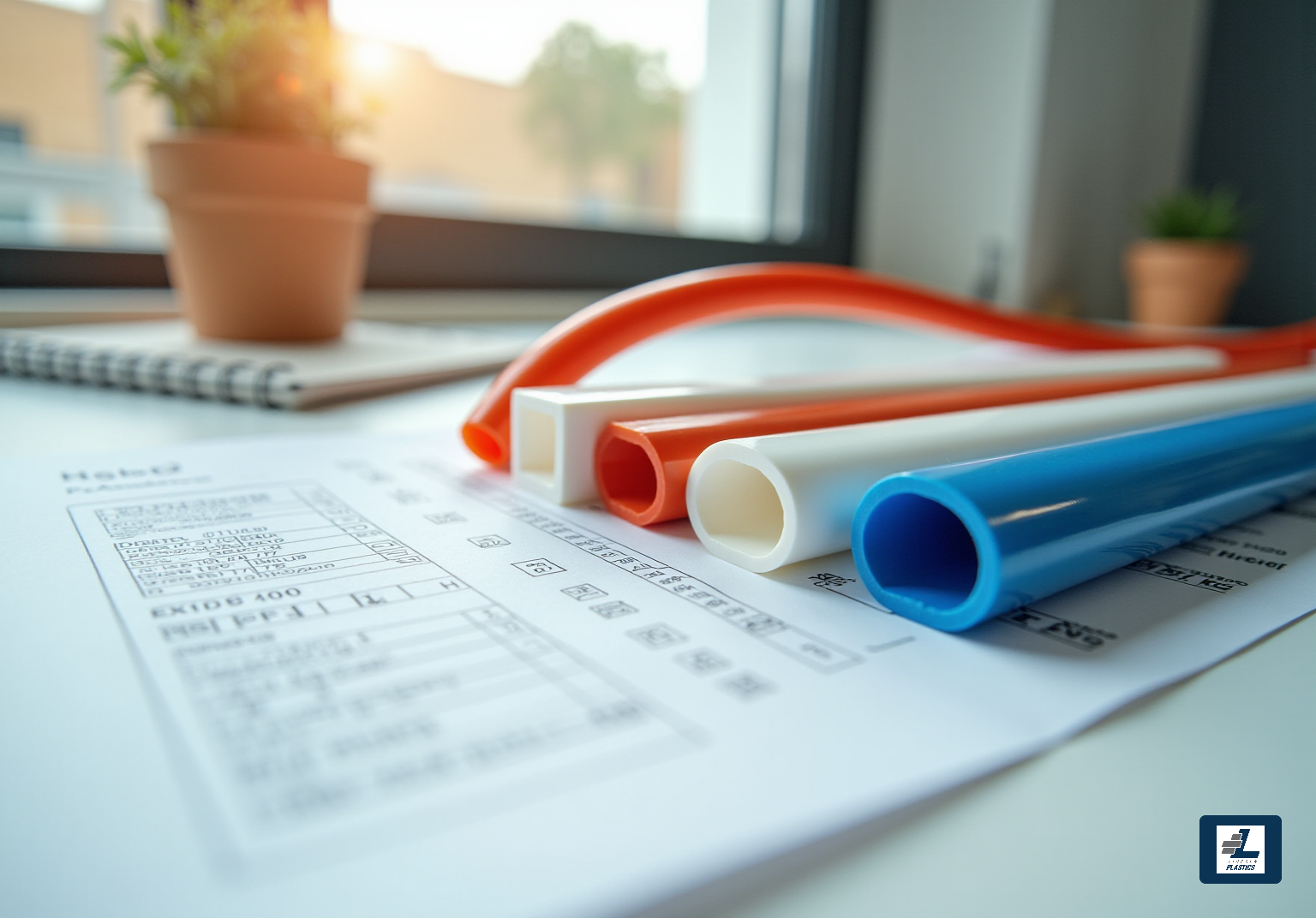
4 Best Practices for Sourcing Quality Extruded Parts Efficiently
Introduction
Sourcing quality extruded parts can often feel like navigating a tricky maze. You know, the right choices can lead to success, but one wrong turn might mean costly setbacks. It’s all about understanding the ins and outs of material specs, building solid supplier relationships, and keeping an eye on market trends. If you’re looking to optimize your sourcing strategy, these elements are key.
So, how can companies make sure they’re not just finding the best materials but also nurturing strong partnerships with suppliers? And how do they stay ahead of those ever-changing market conditions? In this article, we’ll explore four best practices that can simplify the sourcing process, boost product quality, and ultimately drive your business success. Let’s dive in!
Define Material Specifications and Quality Standards
When it comes to sourcing, getting your substance specifications and quality standards right from the start is key. Think about it: you need to know exactly what materials you’re working with - like HDPE, PVC, or ABS - and understand their properties. For instance, HDPE is lightweight, making it a great choice for various applications. On the flip side, PVC shines with its versatility, often finding its way into plumbing and electrical setups. And let’s not forget ABS, which is prized for its toughness and ease of fabrication.
Now, beyond just selecting the right materials, establishing clear specifications is super important. This means defining tolerances - typically allowing for a +/- 3mm tolerance on profiles up to 1,000mm long - and outlining surface finish requirements. Why does this matter? Well, if you’re aiming for quality, going for precision can really boost durability and functionality.
Working closely with your vendors to nail down specifications not only makes the sourcing process smoother but also cuts down on defects. When everyone’s on the same page about standards and expectations, manufacturers can consistently deliver results that meet their application needs. So, let’s get started on making those specifications clear and effective!

Select Reliable Suppliers and Build Strong Relationships
Choosing the right vendors is super important when it comes to sourcing quality extruded parts. Have you ever thought about how crucial it is to check out a vendor's reputation, certifications, and production capabilities? Look for vendors with strong track records—that’s a solid sign they’re reliable.
At Lincoln Plastics, we love working closely with OEMs to make sure our products meet all the specifications, including those special checks for ‘fit and function.’ Once you’ve got a list of potential vendors, it’s time to chat! Communication is key to discussing your specific needs and expectations.
Building relationships can lead to better teamwork, quicker responses, and a greater assurance of quality. For instance, regular meetings and feedback sessions can help tackle any issues right away and create a culture of continuous improvement. Plus, think about setting up contracts with your key suppliers. This can help you secure better terms and ensure a steady supply chain.
Our quality assurance process is pretty robust, too! We have a comprehensive system, complete with drawings, critical in-process checks, and run documentation. This way, you can be sure your specifications are met with precision.

Evaluate and Negotiate Contracts Effectively
Effective contract evaluation and negotiation are key when it comes to sourcing quality extruded parts. Have you ever felt overwhelmed by the terms and conditions of potential contracts? It’s important to start by carefully reviewing those details, especially the pricing, terms, and conditions. At Lincoln Plastics, we typically fulfill orders for our established customers within 2 to 10 days. That’s a crucial factor to keep in mind when you’re making decisions.
Now, let’s talk about our negotiation strategy. This really boosts our efficiency, allowing us to cater to diverse client needs across borders. During negotiations, aim for a win-win outcome by clearly defining expectations and responsibilities for both parties. For instance, consider including clauses that specify penalties for late deliveries. At Lincoln Plastics, we handle this through clear communication, plus we offer incentives for exceeding performance metrics.
Including terms that allow for modifications in response to changes in demand or resource costs can significantly reduce risks. This proactive approach not only protects your interests but also helps build a collaborative relationship with suppliers, which enhances overall supply chain efficiency.
And remember what J. Paul Getty said: negotiation is crucial for securing future deals. So, as you navigate this process, keep these tips in mind to foster better relationships and outcomes!

Monitor Market Trends and Material Costs
can be a bit of a challenge, right? Keeping an eye on market trends and resource costs is super important. You know, prices can swing wildly due to things like supply chain disruptions or geopolitical events. It’s a real rollercoaster out there! For instance, the growing demand for eco-friendly materials is shaking up pricing and availability in the industry.
So, what can companies do? Well, effective monitoring can really help shape your resource selection and sourcing strategies. And don’t forget about collaboration! Keeping those lines of communication open can give you valuable insights into what’s happening in the market.
Now, let’s talk about being prepared. Planning for fluctuations is a smart move. It can help you dodge the risks that come with sudden price hikes or supply shortages. By staying proactive and managing these factors, businesses can boost their resilience and ensure a steady supply of extruded parts of high quality. Sounds good, right?

Conclusion
Sourcing quality extruded parts can feel like a daunting task, right? It really comes down to having a solid strategy in place. Think about it: when you nail down your material specifications, build strong supplier relationships, negotiate contracts effectively, and keep an eye on market trends, you’re setting yourself up for success. By clearly defining what you need from the get-go, you can ensure that the products you source will meet your performance criteria and application needs. This foundational step is key to minimizing defects and boosting overall product quality.
Now, let’s talk about suppliers. Choosing reliable ones is crucial! When you build strong relationships with your vendors, it opens the door for better communication. This means quicker resolutions to any hiccups that might come up. Plus, effective contract evaluation and negotiation are game-changers. They help you secure favorable terms and make sure everyone’s on the same page. And don’t forget about monitoring market trends and material costs! Staying informed gives you the insights needed to navigate fluctuations and keep a steady supply of high-quality extruded parts.
So, what’s the takeaway here? Implementing these best practices not only streamlines your sourcing process but also sets you up for long-term success. I encourage you to take proactive steps:
- Define your specifications
- Nurture those supplier relationships
- Negotiate contracts wisely
- Stay tuned to market dynamics
By doing this, you can enhance your sourcing efficiency, reduce risks, and ultimately drive greater value in your manufacturing processes. Let’s make sourcing a breeze!
Frequently Asked Questions
Why are material specifications important when sourcing extruded parts?
Material specifications are crucial because they ensure that the correct materials, such as HDPE, PVC, or ABS, are selected based on their mechanical properties, which include tensile strength, flexibility, and thermal resistance.
What are the mechanical properties of HDPE, PVC, and ABS?
HDPE is known for its toughness and durability, making it suitable for various applications. PVC is recognized for its chemical resistance, commonly used in plumbing and electrical setups. ABS is valued for its toughness and ease of fabrication.
What quality standards should be established for extruded parts?
Quality standards should include defining dimensional tolerances, typically allowing for a +/- 3mm tolerance on profiles up to 1,000mm long, and outlining surface finish requirements.
Why is it important to specify surface finish requirements?
Specifying surface finish requirements is important because it can enhance the durability and functionality of extruded parts, especially for applications such as outdoor use where UV resistance may be needed.
How can working closely with vendors help in the sourcing process?
Collaborating with vendors to establish detailed specifications can streamline the sourcing process and reduce defects, as it ensures that everyone understands the standards and expectations, leading to consistent results that meet application needs.
List of Sources
- Define Material Specifications and Quality Standards
- Plastic Extrusion Design: 10 Key Considerations (https://condaleplastics.com/extrusion-advice/10-considerations-for-good-quality-extrusion-design)
- Plastics Extrusion: 4 Critical Statistics to Track for Increased Quality & Plant Profit (https://gaugeadvisor.com/2025/05/26/plastics-extrusion-4-critical-statistics-to-track-for-increased-quality-plant-profit)
- talismangroup.co.uk (https://talismangroup.co.uk/news/standards-in-plastics-manufacturing-why-certification-matters)
- Quality Control in Plastic Extrusion for Consistent Results | Rocal (https://rocalextrusions.co.uk/news/quality-control-in-plastic-extrusion-to-ensure-consistent-results)
- 5 Best Practices for the Manufacturing Process of Extrusion (https://lincoln-plastics.com/news-post/5-best-practices-for-the-manufacturing-process-of-extrusion)
- Select Reliable Suppliers and Build Strong Relationships
- 4 Best Practices for Supplier Reliability in Plastic Manufacturing (https://lincoln-plastics.com/news-post/4-best-practices-for-supplier-reliability-in-plastic-manufacturing)
- 9001simplified.com (https://9001simplified.com/iso-9001-case-studies.php?srsltid=AfmBOoqVhUYoC9x9dWBBI0pXXph_15Z6lBclBe7RwHe_vRUm3-N1i3Ar)
- mcl.bz (https://mcl.bz/blog/reasons-to-work-with-an-iso-certified-supplier)
- Evaluate and Negotiate Contracts Effectively
- procurementtactics.com (https://procurementtactics.com/negotiation-quotes)
- Plastics Extrusion: 4 Critical Statistics to Track for Increased Quality & Plant Profit (https://gaugeadvisor.com/2025/05/26/plastics-extrusion-4-critical-statistics-to-track-for-increased-quality-plant-profit)
- Negotiation Statistics 2026 — 60 Key Figures (https://procurementtactics.com/negotiation-statistics)
- 5 Negotiations Quotes That You Can Apply to Your Next Negotiation | Negotiations Ninja (https://negotiations.ninja/blog/5-negotiation-quotes-that-you-can-apply-to-your-next-negotiation)
- 20+ Negotiation Quotes for Inspiration and Successful Negotiation (https://scotwork.com/negotiation-insights/negotiation-quotes)
- Monitor Market Trends and Material Costs
- plasticstoday.com (https://plasticstoday.com/industry-trends/plastics-industry-braces-for-2026-construction-market-challenges)
- gonplastics.com (https://gonplastics.com/a-the-impact-of-fluctuating-polymer-raw-material-prices-on-businesses.html)
- thebusinessresearchcompany.com (https://thebusinessresearchcompany.com/report/plastic-material-and-resins-global-market-report)
- plasticstoday.com (https://plasticstoday.com/resin-pricing/the-2026-insider-s-guide-to-resin-pricing)
- ptonline.com (https://ptonline.com/articles/february-2026-pe-pp-pvc-prices-flat-to-up-ps-and-pet-flat-to-down)
Related posts

Right-Sized Production Runs: Flexibility Without the Waste
Lincoln Plastics offers right-sized production runs with a 10-hour minimum — balancing efficiency with flexibility so OEMs avoid oversized orders.


Co-Extrusion: Combining Two Materials for Better Performance
Lincoln Plastics offers co-extrusion, combining two plastics into a single profile for greater design freedom, performance, and cost savings.
Beyond Extrusion: Value-Added Services That Simplify Production
Beyond Extrusion: Value-Added Services That Simplify Production
