
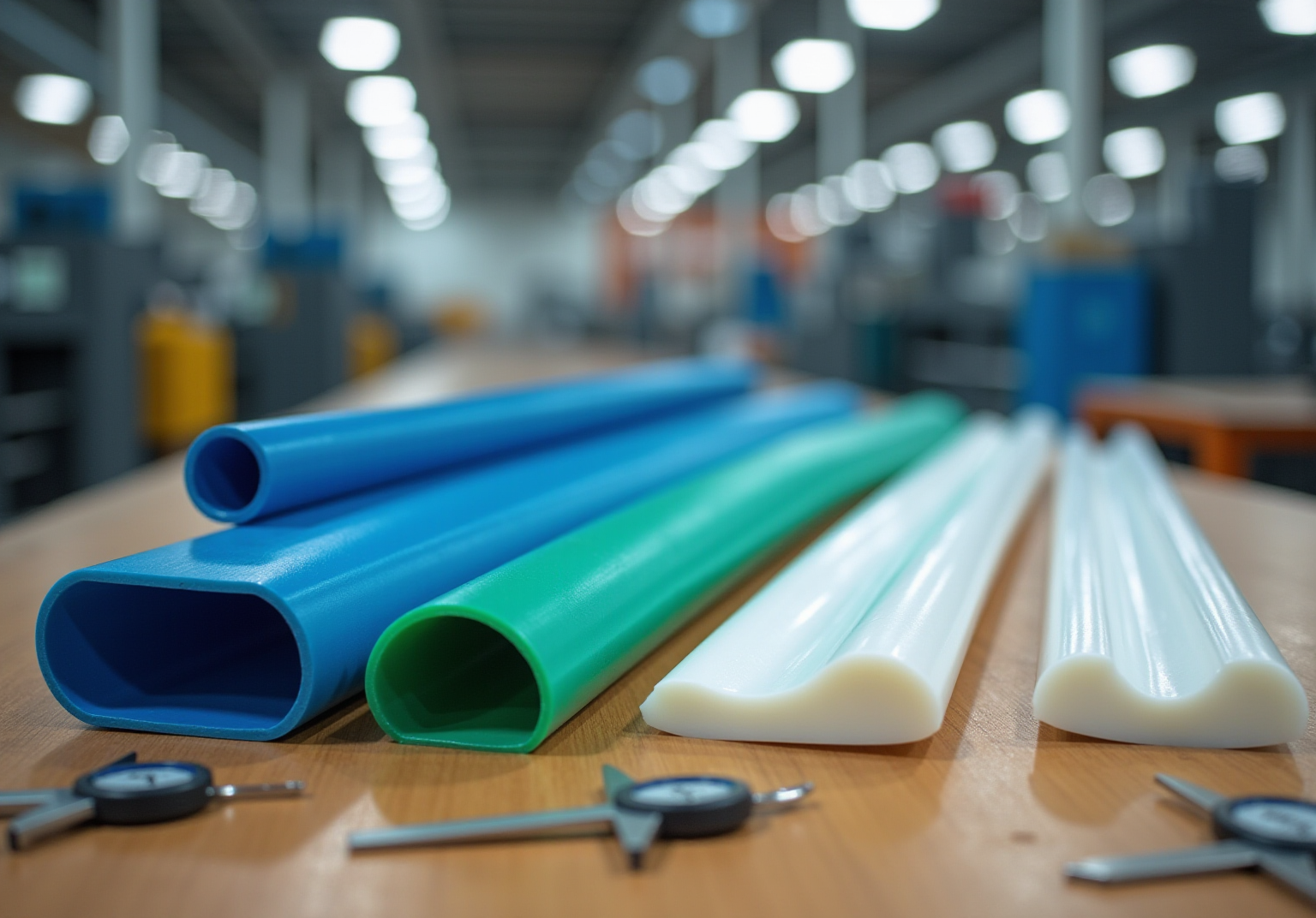
4 Best Practices for Sourcing Quality Extruded Material
Introduction
Getting a grip on the ins and outs of sourcing quality extruded materials can really boost your manufacturing efficiency and product reliability. With so many materials out there - each boasting unique traits like flexibility, rigidity, and chemical resistance - manufacturers face both exciting opportunities and tricky challenges when it comes to picking the right ones. So, how can businesses make sure they’re not just choosing the best materials but also building solid supplier relationships and putting effective quality control measures in place?
In this article, we’ll explore four best practices that can help manufacturers fine-tune their sourcing strategies and supercharge their production capabilities. Let’s dive in!
Understand Material Properties and Specifications
When you're looking into materials, it’s super important to really understand their characteristics and specifications. You might be surprised to learn that each material has its own unique traits that can really affect how they perform in different applications. For instance, PVC is known for its rigidity and strength, making it a go-to for structural profiles. On the other hand, polyethylene is all about flexibility, which is a big plus for things like irrigation pipes.
At Lincoln Plastics, we love working closely with OEMs to make sure our products meet all the necessary standards. We even have special checks for ‘fit and function’ to ensure everything is just right. Our quality control process is pretty robust, featuring a dedicated quality book for your plastic profile. This includes drawings, critical in-process checks, and run documentation, so you can rest assured that your specifications are exactly what you specified for those critical dimensions.
Now, let’s talk about how to effectively evaluate materials. Here are a few key points to consider:
- Properties: You’ll want to look at strength, flexibility, and impact resistance to ensure the material can handle operational demands. Did you know that the performance of polymer blends, like polypropylene, can be significantly influenced by the concentration of additives? It’s true, and it can really affect their overall performance.
- Stability: Understanding the viscosity and thermal stability is crucial to prevent degradation during the extrusion process. Recent studies have shown that the thermal characteristics of materials can remain stable across various blends, which is great for ensuring consistent performance.
- Compatibility: It’s important to assess how the substance interacts with potential chemicals it might encounter in its application environment. This is especially vital for materials used in industrial settings where contact with harsh substances is common.
By aligning these characteristics with application requirements, manufacturers can boost reliability and performance, leading to happier customers. This approach not only ensures that the materials meet specific operational needs but also helps with the durability and effectiveness of the final products. Plus, at Lincoln Plastics, we can easily source colors that match your Pantone specifications, ensuring consistency across manufacturers.

Select Reliable Suppliers and Build Strong Relationships
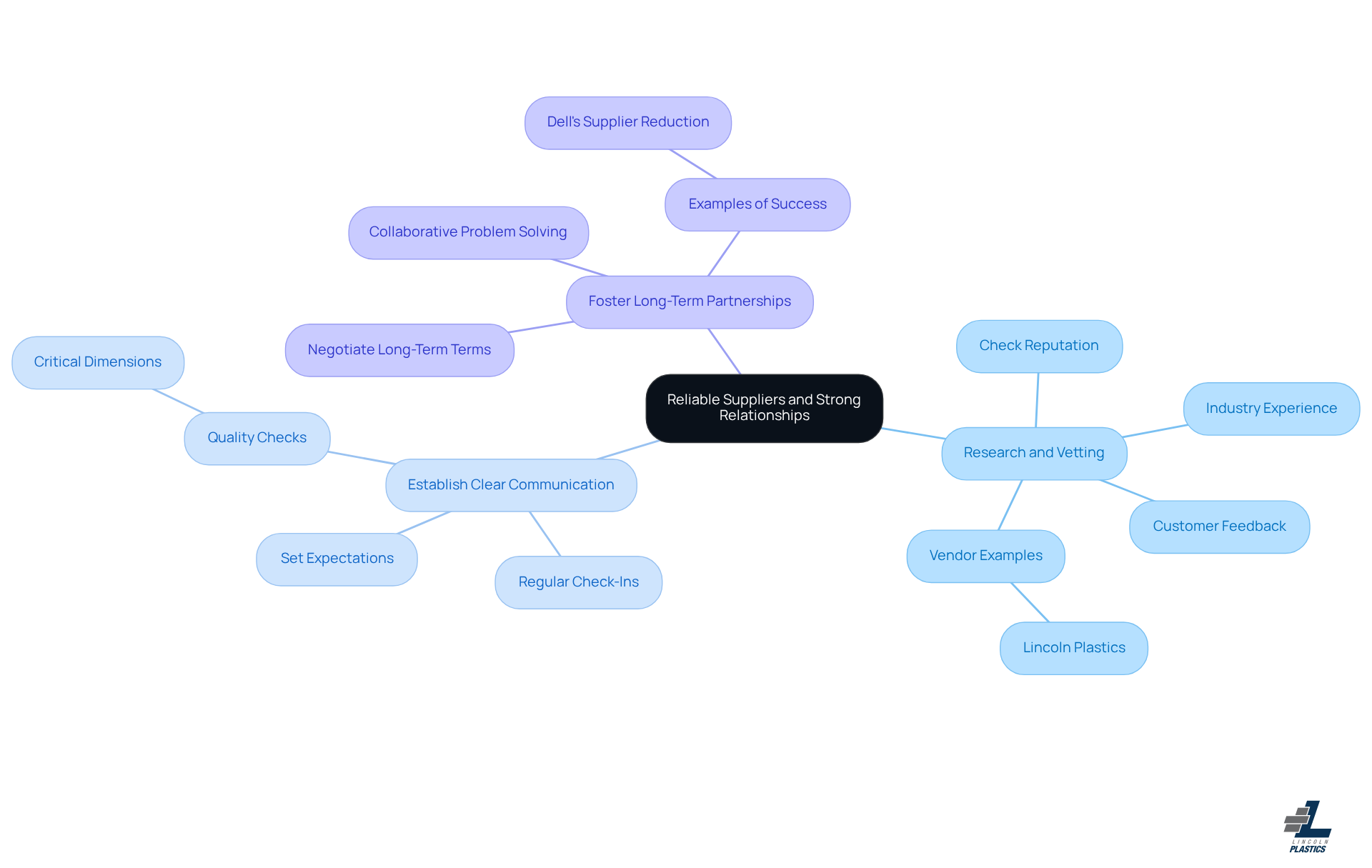
Choosing dependable vendors is super important for obtaining quality materials, right? This choice directly impacts how efficiently you can manufacture your products. So, let’s dive into some key strategies for building and keeping strong partnerships.
- Research and Vetting: First off, do your homework on potential suppliers. Look into their reputation, industry experience, and what customers are saying about them. Vendors like Lincoln Plastics stand out with a solid track record in the plastics industry, especially with extruded materials. Did you know that a recent survey found 61% of Chief Procurement Officers listed supplier selection as their top priority for 2023? That really shows how crucial it is to pick the right partners.
- Establish Clear Communication: Now, let’s talk about communication. Keeping those channels open is key to making sure everyone’s on the same page about expectations, timelines, and standards. Regular check-ins can help you spot and fix issues before they turn into bigger problems. As Matthew Baker, Founder of Gauge Advisor LLC, puts it, "The thicker your product runs compared to your target, the more resin you’re giving away when it goes out the door." This really highlights how important it is to communicate clearly about specifications. Lincoln Plastics gets this too, ensuring their products hit those critical dimensions through thorough quality checks.
- Foster Collaboration: Building lasting relationships with your suppliers can lead to some great perks, like better pricing, priority service, and teamwork in solving problems. When you negotiate terms that show you’re committed to a partnership, it can boost efficiency for both sides. Take Dell, for example; they managed to cut their vendor base from 204 to just 47, showing how effective supplier management can streamline operations. Lincoln Plastics is all about collaborating closely with OEMs, ensuring their offerings meet all standards and building trust.
By focusing on reliable vendors like Lincoln Plastics and nurturing these connections, you can secure a steady supply of top-notch extruded material. This, in turn, can really enhance your production capabilities and overall success!
Evaluate Quality Control Processes and Certifications
Quality control is extremely important when sourcing extruded material. It really impacts how efficiently you can produce and how reliable your products are. So, let’s dive into some best practices for checking out and evaluating quality control processes:
- Request Documentation: First off, make sure to get all the paperwork from your suppliers. You want to see their certifications, including their quality management system. For instance, Lincoln Plastics is certified to the ISO 9001 standard, which means they stick to rigorous quality control processes. This is key for keeping their outputs top-notch. Nowadays, having this certification is almost a must-have in manufacturing supply chains, ensuring that suppliers meet those tough standards.
- Conduct Inspections: If you can, do some on-site inspections of your suppliers. It’s a great way to get a firsthand look at their quality control measures. Keep an eye out for consistent testing and monitoring throughout the production process. This is crucial for making sure the components are up to snuff. Plus, advanced monitoring methods like in-line thickness gauges and automated inspections can give you real-time data to boost your assurance efforts.
- Review Testing Protocols: Get familiar with the testing protocols your vendors use to ensure their materials meet the standards. This includes mechanical and chemical testing. All of these are necessary to confirm compliance with specifications. High-quality thermoplastics, like PVC and polyethylene, are essential for achieving the strength, durability, and flexibility desired in extruded material products. So, it’s vital to ensure that your suppliers are using these materials effectively.
By taking the time to evaluate quality control procedures and certifications, you can significantly reduce the risks associated with material flaws. This way, you can ensure that your products consistently meet customer expectations and industry standards. Plus, this proactive approach not only boosts the reliability of your offerings but also strengthens your relationships with suppliers, paving the way for long-term partnerships built on trust and quality assurance. And don’t forget, Lincoln Plastics also excels in international shipping and collaborating on early-stage product ideas, which can really help OEMs hit their production targets.

Negotiate Favorable Terms and Conditions
with vendors is super important for getting the most out of negotiations. So, let’s dive into some strategies during your negotiations:
- Prepare Thoroughly: Before you step into negotiations, gather all the info you can on market prices, supplier performance, and your production needs. This way, you’re negotiating from a position of strength. As Hilce Vallenilla, a Procurement Manager, puts it, "In a negotiation, do not be the first to speak, think quickly, speak slowly, but the most important thing is to listen carefully."
- Be Clear About Expectations: It’s crucial to clearly communicate what you expect regarding pricing, delivery timelines, and quality. Being transparent here helps avoid misunderstandings and sets the stage for a successful partnership. Chris Voss, a former FBI hostage negotiator, reminds us that negotiation isn’t just about getting to 'yes;' it’s about understanding how to get there.
- Consider Long-Term Agreements: If you have ongoing sourcing needs, think about negotiating contracts. These can provide stability. Plus, they often lead to better pricing and priority service, which can really boost your operations. Nowadays, collaborative approaches are trending, fostering trust and open communication that can lead to win-win outcomes.
By using these effective negotiation strategies, manufacturers can secure terms that not only enhance profitability but also contribute to overall business success. As the procurement landscape keeps evolving, staying informed about current trends and leveraging data-driven insights will only strengthen your negotiation outcomes. So, what are you waiting for? Get out there and start negotiating!

Conclusion
Understanding the ins and outs of sourcing quality extruded materials is crucial for manufacturers looking to boost their product reliability and performance. By honing in on material properties, choosing trustworthy suppliers, evaluating quality control processes, and negotiating favorable terms, businesses can really step up their operational efficiency and keep customers happy.
So, what’s the deal with materials like PVC, polyethylene, and polypropylene? Recognizing their unique characteristics is key, as these traits directly impact how suitable they are for different applications. Building solid relationships with dependable suppliers and keeping those lines of communication open can lead to better pricing and service. Plus, rigorous quality control and certification checks help ensure that the materials meet industry standards. And let’s not forget about effective negotiation strategies - they can secure terms that strengthen long-term partnerships.
Ultimately, putting these best practices front and center not only enhances the quality of extruded materials but also nurtures a culture of collaboration and trust within the supply chain. Manufacturers should definitely consider implementing these strategies to achieve consistent results and stay competitive in the ever-evolving extrusion landscape. Embracing these principles can truly pave the way for sustained success and innovation in product development.
Frequently Asked Questions
Why is it important to understand the characteristics and specifications of extruded materials?
Understanding the characteristics and specifications of extruded materials is crucial because different materials, like PVC, polyethylene, and polypropylene, have unique traits that affect their performance in various applications.
What are some key characteristics of PVC, polyethylene, and polypropylene?
PVC is known for its rigidity and chemical resistance, making it suitable for structural profiles. Polyethylene is characterized by its flexibility and impact resistance, which is beneficial for applications like irrigation pipes. Polypropylene's mechanical properties can be influenced by the concentration of additives.
How does Lincoln Plastics ensure product quality?
Lincoln Plastics works closely with OEMs to ensure that products meet necessary standards. They have a robust quality system that includes a dedicated quality book for plastic profiles, which contains drawings, critical in-process checks, and run documentation.
What mechanical properties should be evaluated when selecting materials?
Key mechanical properties to evaluate include tensile strength, flexibility, and impact resistance, as these determine whether the material can handle operational demands.
Why are thermal properties important in evaluating materials?
Thermal properties, such as melting point and thermal stability, are important to prevent degradation during the extrusion process and ensure consistent performance across various blends.
What role does chemical resistance play in material selection?
Assessing chemical resistance is vital to understand how materials interact with potential chemicals in their application environment, especially in industrial settings where contact with harsh substances is common.
How can aligning material characteristics with application requirements benefit manufacturers?
Aligning material characteristics with application requirements can enhance reliability and performance, leading to increased customer satisfaction and improved durability and effectiveness of final products.
Can Lincoln Plastics source specific colors for their products?
Yes, Lincoln Plastics can source colors that match Pantone specifications, ensuring consistency across manufacturers.
List of Sources
- Understand Material Properties and Specifications
- Choosing Materials for Plastic Extrusion - PET (https://plasticextrusiontech.net/choosing-the-right-materials-for-plastic-extrusion)
- The Extrusion Industry in 2025: Innovations, Trends, and Opportunities (https://plextrusions.com/extrusion-blog/the-extrusion-industry-in-2025-innovations-trends-and-opportunities)
- mdpi.com (https://mdpi.com/2504-477X/8/10/384)
- Statistical Study on Additives Used to Improve Mechanical Properties of Polypropylene - PMC (https://pmc.ncbi.nlm.nih.gov/articles/PMC8747261)
- Select Reliable Suppliers and Build Strong Relationships
- Plastics Extrusion: 4 Critical Statistics to Track for Increased Quality & Plant Profit (https://gaugeadvisor.com/2025/05/26/plastics-extrusion-4-critical-statistics-to-track-for-increased-quality-plant-profit)
- worldcc.com (https://worldcc.com/Resources/Blogs-and-Journals/Contracting-Excellence-Journal/View/ArticleId/11601/Case-study-optimising-partnerships-with-supplier-relationship-management)
- linkedin.com (https://linkedin.com/posts/gihan-hassan-188749a0_procurement-quotes-1-you-dont-just-buy-activity-7361400652125683712-KpJC)
- scm.ncsu.edu (https://scm.ncsu.edu/scm-articles/article/case-studies-developing-collaborative-supplier-partnerships)
- Evaluate Quality Control Processes and Certifications
- Plastics Extrusion: 4 Critical Statistics to Track for Increased Quality & Plant Profit (https://gaugeadvisor.com/2025/05/26/plastics-extrusion-4-critical-statistics-to-track-for-increased-quality-plant-profit)
- The Importance of Quality Control in Plastic Extrusion Manufacturing - Craftedplastics (https://craftedplastics.com/blog/the-importance-of-quality-control-in-plastic-extrusion-manufacturing)
- labelandnarrowweb.com (https://labelandnarrowweb.com/breaking-news/plastic-suppliers-earns-iso-90012000-status)
- ideagen.com (https://ideagen.com/thought-leadership/blog/iso-9001-qms-for-manufacturers)
- Negotiate Favorable Terms and Conditions
- 5 negotiation tactics manufacturers need to win in 2026 (https://fastmarkets.com/insights/5-negotiation-tactics-manufacturers-need-to-win-in-2026)
- procurementtactics.com (https://procurementtactics.com/negotiation-quotes)
- The Key Procurement Negotiation Strategies for 2026 | GEP Blog (https://gep.com/blog/strategy/key-procurement-negotiation-strategies)
- 20+ Negotiation Quotes for Inspiration and Successful Negotiation (https://scotwork.com/negotiation-insights/negotiation-quotes)
Related posts

Discover essential strategies on how to improve quality in manufacturing effectively.


Discover the top 10 benefits of plastic angles for enhancing manufacturing efficiency and safety.
Optimize your manufacturing process with coextrusion for efficiency, quality, and design flexibility.
