
4 Best Practices for Selecting Stock Plastic Extrusion Profiles
Introduction
Choosing the right stock plastic extrusion profiles is not just important; it’s essential for ensuring optimal product performance and customer satisfaction. Manufacturers often struggle to identify the right materials amidst a sea of choices. What challenges do manufacturers face in this selection process, and how can they navigate these pitfalls effectively? This article explores best practices for selecting plastic extrusion profiles, emphasizing the importance of:
- Material characteristics
- Dimensional accuracy
- Supplier reliability
By understanding these factors, companies can make informed decisions that enhance their product offerings and strengthen customer trust.
Identify Key Material Characteristics for Stock Profiles
Choosing the appropriate stock plastic extrusion profiles is essential for attaining optimal product performance. Common substances used in extrusion include PVC, polyethylene, and polypropylene, each with distinct properties. PVC is recognized for its rigidity and chemical resistance, making it ideal for structural applications. In contrast, polyethylene offers excellent flexibility and impact resistance, making it suitable for applications that demand durability under stress.
Choosing the right material can be challenging without a clear understanding of key factors. What should you consider?
- Mechanical Properties: Evaluate tensile strength, impact resistance, and flexibility to ensure the material can endure operational demands.
- Environmental Resistance: Assess how the substance performs when subjected to UV light, moisture, and chemicals, which is essential for outdoor applications.
- Thermal Stability: Confirm that the substance can maintain its properties at the anticipated operating temperatures.
Furthermore, staying informed about current market trends is vital. For instance, LyondellBasell has indicated that polyethylene prices are expected to remain high through 2026, which could impact procurement strategies. Moreover, case studies like TerraCycle's recent acquisition to improve plastics recycling demonstrate the increasing focus on sustainability in resource selection.
Talking to industry experts can provide valuable insights that help you make better material choices and avoid common pitfalls, such as selecting materials that may not perform well under specific operational conditions.
By mastering these characteristics, manufacturers can elevate their products and ensure lasting customer satisfaction.

Evaluate Dimensional Accuracy and Quality Standards
Dimensional accuracy isn't just a preference; it's a necessity for manufacturers aiming for seamless integration in their applications. To effectively evaluate dimensional accuracy and uphold quality standards, manufacturers should take the following steps:
- Review Tolerance Specifications: Familiarize yourself with the acceptable tolerances for your specific application, which can differ based on industry standards and customer requirements. Many industries necessitate strict tolerances to comply with regulatory standards, ensuring that products perform reliably under various conditions.
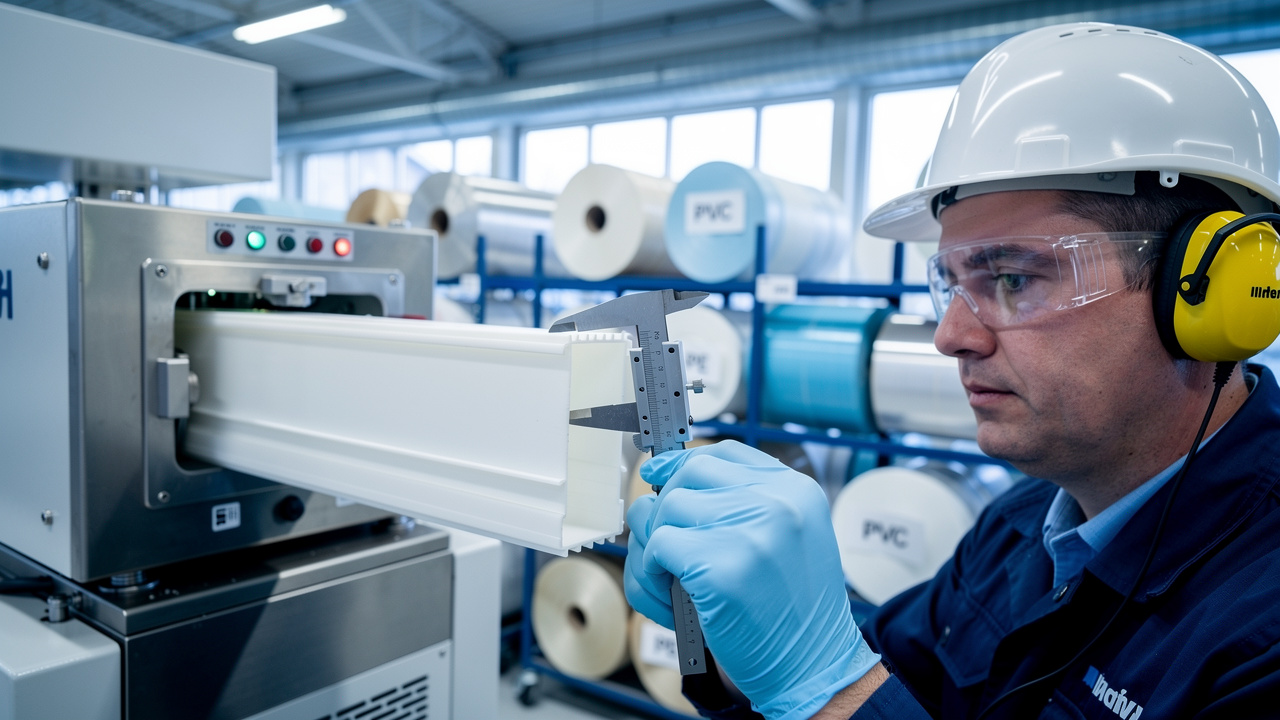
- Implement Quality Control Measures: Make sure to use precision measurement tools like calipers and laser systems to check that your extruded profiles hit the right dimensions. Regular inspections of the extrusion die and screw are crucial to maintaining material flow rate and pressure, which directly impacts dimensional accuracy. Furthermore, advanced monitoring technology can be employed to assess critical parameters such as temperature and pressure during the extrusion process, ensuring consistent standards. The company emphasizes rigorous management of standards through dedicated plans, process check sheets, and a commitment to ISO 9001:2015 certification, ensuring that all products meet the highest benchmarks.
- Conduct Regular Audits: Set up a regular check to make sure your production processes are consistently hitting the required specifications. This proactive approach not only minimizes defects but also enhances product reliability, ultimately leading to improved customer satisfaction and reduced costs associated with rework. 'Lincoln Plastics' robust assurance system includes a dedicated manual for each plastic profile, complete with drawings, critical in-process checks, and run documentation, reinforcing their commitment to precision and compliance.
The importance of dimensional precision is highlighted by case studies showing that manufacturers who emphasize strict control can attain improved product reliability and decreased waste. For example, companies that implement advanced quality assurance techniques, such as Statistical Process Control (SPC) and automated inspections, have reported significant improvements in production efficiency and product quality. By focusing on these best practices, companies can position themselves as leaders in the plastic extrusion industry, delivering precision-engineered solutions that meet and exceed customer expectations.
The company stands ready to collaborate with OEMs, providing customized solutions and co-extrusion capabilities for multi-color or multi-material designs, ensuring that every project is executed with excellence. By prioritizing precision and quality, you not only enhance your product's reliability but also solidify your position as a leader in the industry.

Assess Customization Options for Enhanced Functionality
Customization options are not just beneficial; they are essential for manufacturers aiming to meet specific application needs in plastic extrusion. Key considerations include:
- Material Blends: Co-extrusion techniques at Lincoln Plastics allow for the combination of different materials, enhancing properties such as flexibility, UV resistance, and color. This method not only boosts product performance but also satisfies various customer needs, including multi-color or multi-material designs tailored for specific applications.
- Design Modifications: Altering shapes or dimensions can significantly enhance performance and installation ease. Custom configurations ensure that products fit seamlessly into their intended applications, reducing the need for adjustments during installation.
- Surface Finishes: Options for surface treatments can elevate both aesthetic appeal and functional properties. Textured surfaces can provide better grip, while specialized coatings can enhance chemical resistance, making products more durable and user-friendly.
Additionally, addressing safety hazards, such as loose cords, is crucial in work environments. Effective management solutions, like Lincoln Plastics’ custom cord covers and Flexiduct solutions, can mitigate these risks and enhance workplace safety and productivity. By embracing customization, manufacturers can not only meet but exceed customer expectations, leading to enhanced loyalty and satisfaction. Recent advancements in technology and materials, including high-performance polymers and biodegradable options, further support the trend towards greater customization, allowing for innovative solutions that cater to evolving market demands. This company's dedication to quality is highlighted by their ISO 9001:2015 certification and strong quality management strategies, including specialized quality documentation and in-process evaluations, guaranteeing that each product adheres to the utmost standards of accuracy and dependability. Located in Lincoln, Nebraska, Lincoln Plastics is strategically positioned to provide efficient logistics and quick order turnaround, enhancing service delivery for OEMs. With a commitment to quality and innovation, Lincoln Plastics is poised to lead the industry in delivering tailored solutions that address the evolving demands of the market.

Ensure Supplier Reliability and Timely Delivery
In the competitive landscape of plastic extrusion, supplier reliability is not just important; it's essential for maintaining production efficiency and meeting delivery timelines. To ensure your production line runs smoothly, manufacturers must adopt effective strategies to assess supplier reliability:
- Evaluate Supplier History: Investigate the supplier's track record regarding on-time delivery and quality consistency. Look for testimonials or case studies that showcase their performance, particularly in managing fluctuations in material availability and maintaining production schedules. For instance, Plastics has successfully maintained customer trust by ensuring the availability of essential products despite external challenges, demonstrating the importance of a reliable supplier.
- Assess Communication Practices: Confirm that the supplier fosters open communication, providing timely updates on order status and potential delays. Effective communication can mitigate risks associated with supply chain disruptions, ensuring that manufacturers can adapt quickly to changes. As noted by industry experts, maintaining transparency in communication is vital for navigating market volatility.
- Review Certifications: Ensure that the supplier possesses relevant certifications, such as ISO 9001:2015, reflecting a commitment to management excellence and continuous improvement. Our company prioritizes stringent management plans, including specialized manuals and in-process inspections, which are vital for maintaining high standards in stock plastic extrusion profiles. Additionally, we offer co-extrusion capabilities for multi-color or multi-material profiles, enhancing customization options for OEMs.
Focusing on supplier reliability not only improves operational efficiency but also guarantees that manufacturers can satisfy customer demands without sacrificing standards. As market dynamics shift, ensuring supplier reliability will be the cornerstone of sustainable business practices in the plastic extrusion industry. This company, situated in Nebraska, is well-positioned to assist OEMs with their quality assurance requirements and international shipping solutions. For tailored solutions or quotes, we invite you to contact Lincoln Plastics experts.

Conclusion
Choosing the right stock plastic extrusion profiles is not just a decision; it's a pivotal factor that can determine your product's success. By understanding essential material characteristics, evaluating dimensional accuracy, exploring customization options, and ensuring supplier reliability, manufacturers can enhance their offerings and streamline production processes.
Key insights from this article emphasize the importance of mechanical properties, environmental resistance, and thermal stability when choosing materials. Additionally, maintaining strict dimensional accuracy through quality control measures and regular audits is vital for meeting industry standards. Customization options, such as co-extrusion capabilities at Lincoln Plastics, allow for tailored solutions that meet specific application needs, further enhancing product functionality.
Manufacturers often struggle with the overwhelming number of options available in stock plastic extrusion profiles. Failing to prioritize these factors can lead to subpar products and dissatisfied customers. By prioritizing these best practices, manufacturers set themselves up for success and build strong partnerships with suppliers like Lincoln Plastics. Engaging with Lincoln Plastics could be the key to transforming your production capabilities and ensuring your products meet the highest standards. If you're looking to elevate your production capabilities, connecting with Lincoln Plastics experts for tailored solutions and quotes is a smart move toward industry excellence.
Frequently Asked Questions
What are the common materials used in plastic extrusion profiles?
The common materials used in plastic extrusion profiles include PVC (polyvinyl chloride), polyethylene, and polypropylene, each with distinct properties.
What are the key characteristics of PVC?
PVC is known for its rigidity and chemical resistance, making it ideal for structural applications.
What advantages does polyethylene offer?
Polyethylene offers excellent flexibility and impact resistance, making it suitable for applications that require durability under stress.
What mechanical properties should be evaluated when choosing a material?
When choosing a material, it is important to evaluate tensile strength, impact resistance, and flexibility to ensure the material can endure operational demands.
Why is environmental resistance important in material selection?
Environmental resistance is important because it assesses how the material performs when exposed to UV light, moisture, and chemicals, which is essential for outdoor applications.
What should be considered regarding thermal stability?
It is crucial to confirm that the material can maintain its properties at the anticipated operating temperatures.
How can market trends affect material procurement strategies?
Staying informed about market trends, such as the expected high prices of polyethylene through 2026, can impact procurement strategies.
What recent developments in sustainability should manufacturers be aware of?
Developments like TerraCycle's acquisition to improve plastics recycling highlight the increasing focus on sustainability in resource selection.
How can talking to industry experts help in material selection?
Consulting with industry experts can provide valuable insights that help manufacturers make better material choices and avoid common pitfalls related to material performance under specific operational conditions.
What is the overall benefit of mastering material characteristics for manufacturers?
By mastering these characteristics, manufacturers can elevate their products and ensure lasting customer satisfaction.
List of Sources
- Identify Key Material Characteristics for Stock Profiles
- Polymer Points Live - March 2026 (https://plasticsnews.com/video/polymer-points-live-march-2026)
- Plastics News - Plastic Industry News, Resin Pricing & Analysis (https://plasticsnews.com)
- What Is Plastic Extrusion? Definition, Process, and Applications (https://lincoln-plastics.com/news-post/what-is-plastic-extrusion-definition-process-and-applications)
- Industry News (https://paulmurphyplastics.com/industry-news-blog)
- Unlocking the Versatility of Plastic Profile Extrusion (https://lakelandplastics.com/understanding-the-versatility-of-plastic-profile-extrusion)
- Evaluate Dimensional Accuracy and Quality Standards
- Quality Control in Plastic Extrusion for Consistent Results | Rocal (https://rocalextrusions.co.uk/news/quality-control-in-plastic-extrusion-to-ensure-consistent-results)
- 4 Best Practices for Quality Extrusion in Your Supply Chain (https://lincoln-plastics.com/news-post/4-best-practices-for-quality-extrusion-in-your-supply-chain)
- Quality Control and Testing Procedures - Plastic Extrusion Technologies (https://plasticextrusiontech.net/quality-control-and-testing-procedures-in-plastic-extrusions)
- The Importance of Precision in Plastic Extrusion (https://omegaplastics.com/the-importance-of-precision-in-plastic-extrusion)
- The Importance of Quality Control in Plastic Extrusion Manufacturing - Craftedplastics (https://craftedplastics.com/blog/the-importance-of-quality-control-in-plastic-extrusion-manufacturing)
- Assess Customization Options for Enhanced Functionality
- Why Plastic Extrusion Products Are Essential for Manufacturing Success (https://lincoln-plastics.com/news-post/why-plastic-extrusion-products-are-essential-for-manufacturing-success?dcc2137a_page=2)
- Shaping the Future: Innovations in Plastic Extrusion Techniques - SeaGate Plastics Company (https://seagateplastics.com/shaping-the-future-innovations-in-plastic-extrusion-techniques)
- Co-extrusion Line Market: Size & Growth Report (https://linkedin.com/pulse/co-extrusion-line-market-size-growth-report-core-trends-connect-ovsef)
- Unlocking the Versatility of Plastic Profile Extrusion (https://lakelandplastics.com/understanding-the-versatility-of-plastic-profile-extrusion)
- Industry News (https://paulmurphyplastics.com/industry-news-blog)
- Ensure Supplier Reliability and Timely Delivery
- Best Practices for Sourcing Extruded Plastic Profiles Effectively (https://lincoln-plastics.com/news-post/best-practices-for-sourcing-extruded-plastic-profiles-effectively)
- Covestro Expands Polymer Production Globally (https://plasticstoday.com/materials/covestro-expands-hdi-production-sites-plans-660-kilotonne-mdi-capacity-boost-in-china-and-uae)
- How ES Plastics Is Protecting Customers Amid Supply Chain Volatility - ES Plastics (https://esplastics.co.nz/how-es-plastics-is-protecting-customers-amid-supply-chain-volatility)
- 2026 Trend Breakdown: Plastics Supply Chain Regionalization (https://mholland.com/market-insights/2026-trend-breakdown-plastics-supply-chain-regionalization)


