
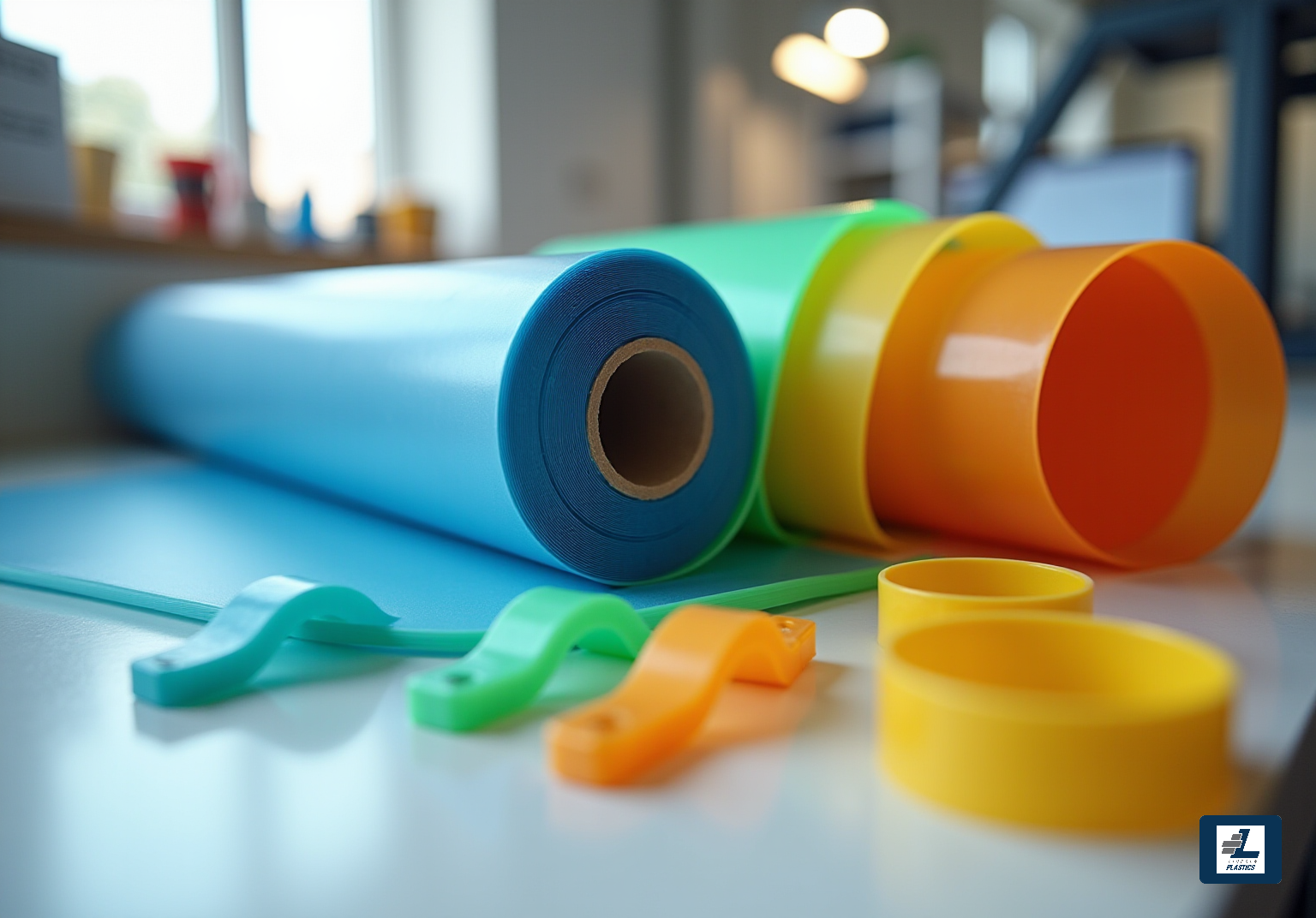
4 Best Practices for Effective Bendy Plastic Integration
Introduction
Bendy plastic materials are really shaking things up in manufacturing! Known for their amazing flexibility and durability, these materials are becoming a go-to choice across various industries. As companies look for fresh ways to boost product design and performance, it’s super important to get a handle on what bendy plastics can do for them.
But here’s the catch: integrating these materials isn’t always a walk in the park. From finding quality sources to meeting industry standards, there are quite a few hurdles to jump over. So, what can manufacturers do to tap into the full potential of bendy plastics while navigating these challenges? Let’s dive in!
Understand the Properties and Benefits of Bendy Plastic
Flexible materials, such as flexible PVC, are quite amazing! They can bend without breaking, which opens up a world of possibilities for all sorts of applications. Let’s dive into some of the key benefits:
- Flexibility: These materials can easily adapt to different shapes and structures. This flexibility allows for use in everything from packaging to custom components, such as Lincoln Plastics' products and cable management solutions.
- Durability: They’re tough! Bendy materials resist impacts and environmental factors, ensuring they last longer in situations where traditional materials might struggle.
- Lightweight: Being lightweight means easier handling during manufacturing. Who doesn’t love that?
- Cost-Effectiveness: Bendy plastic typically requires less material than rigid alternatives, which contributes to lower production costs.
- Versatility: You’ll find these materials in various industries, from automotive to construction and consumer goods, thanks to their adaptability.
At Lincoln Plastics, we specialize in crafting products using materials such as bendy plastic, polyethylene, ridged PVC, flexible PVC, and polypropylene. We’re all about providing tailored solutions that meet your specific needs. Our products are designed for easy installation, giving you reliable protection and organization for your cables.
Now, you might be wondering about current market trends. There’s a growing demand for adaptable materials, driven by advancements in manufacturing technologies and sustainability efforts. Innovations in LDPE, like thinner films that still perform well, are expanding their use in high-value sectors. But it’s not all smooth sailing; manufacturers face challenges like regulatory changes, especially with bans on single-use materials in some areas, and fluctuations in crude oil and ethylene prices that can affect production costs.
Understanding these properties and benefits helps manufacturers choose the right resources for their needs, ultimately boosting product performance and customer satisfaction. So, what do you think? Are you ready to explore the benefits of bendy materials for your next project?

Implement Effective Strategies for Bendy Plastic Integration
If you're looking to improve your product design, here are some friendly strategies to consider:
- Feature Integration: Think about adding features that take advantage of the material's natural flexibility. Snap-fit joints or flexible hinges can really boost your product's functionality and make it more user-friendly.
- Optimize Processing Techniques: You’ll want to use techniques that really bring out the best in these materials. This means keeping a close eye on temperature and pressure during manufacturing to get those optimal results.
- Prototype Development: Why not create some prototypes with bendy plastic? This way, you can test your designs. It’s a great way to make adjustments based on real-world performance, which can save you from costly mistakes down the line.
- Training and Education: Ensure your team is well-versed in the properties and handling of bendy plastic. A little training goes a long way, helping your staff tackle the unique challenges these materials can present.
- Feedback System: Establish a solid feedback system between your design and manufacturing teams. Keeping that dialogue open can lead to improvements in how you integrate these materials, allowing you to adapt based on practical experiences and any hiccups you encounter during production.
By putting these strategies into action, you can enhance your product design and product quality. So, why not give it a shot? You might just find that effective integration leads to some fantastic outcomes!

Cultivate Reliable Supplier Relationships for Optimal Sourcing
Building strong relationships with suppliers of bendy plastic is super important for boosting your production efficiency. Let’s dive into some key practices that can help you out:
- Choose wisely: It’s all about finding suppliers known for their top-notch materials and reliability. Check out their credentials and customer reviews to get a feel for their reputation.
- Keep Communication Open: Make sure you’re chatting with your suppliers regularly. This helps set expectations, manage lead times, and tackle any potential hiccups before they become issues.
- Negotiate Terms Together: Work with your suppliers to hammer out terms that benefit both sides. Think about bulk pricing or discounts - this way, everyone walks away happy.
- Regular Check-Ins: Set up a system for monitoring supplier performance. This ensures they’re consistently hitting your standards for quality and delivery, and you can make adjustments if needed.
- Build Trust: Invest time in nurturing those relationships. Strong partnerships can lead to better service, priority access during shortages, and even chances for collaborative innovation.
So, what do you think? Ready to strengthen those partnerships?

Ensure Quality Control and Compliance in Manufacturing Processes
When it comes to producing high-quality bendy plastic, maintaining quality control is essential. So, let’s dive into some solid practices that can really make a difference:
- Material Examination: First off, it’s crucial to check incoming supplies thoroughly. You want to make sure they meet specifications before you even start manufacturing. Think about it: if you skip this step, you could face inspection failures that really impact your overall output.
- Process Monitoring: Next, keep an eye on your production processes. This means monitoring key factors like temperature, pressure, and material flow. Staying vigilant helps you catch any deviations from the norm, ensuring your products stay consistent.
- Testing Protocols: Now, let’s talk about testing. Setting up rigorous protocols for finished products is essential. Focus on metrics like tensile strength, flexibility, and durability. These tests are key to confirming that your products meet or even exceed expectations, which can help prevent failures down the line.
- Documentation and Compliance: Don’t forget about documentation! Keeping records of your production processes and standard checks is super important. This not only shows you’re compliant with industry standards but also provides a great resource for continuous improvement.
- Team Development: Lastly, invest in your team. Regularly train your staff on quality control procedures and why they matter. Fostering a culture of excellence empowers your employees to take ownership of their roles, which can lead to better product reliability and happier customers.
By focusing on these best practices, you can significantly reduce the risk of defects and ensure you’re producing top-notch bendy plastic. So, what do you think? Ready to take action?

Conclusion
Bendy plastic materials, like low-density polyethylene and flexible PVC, open up exciting possibilities across different industries. Their unique traits - flexibility, durability, lightweight nature, cost-effectiveness, and versatility - make them perfect for all sorts of applications. By getting to know these materials and weaving them into manufacturing processes, businesses can really boost their product offerings and operational efficiency.
So, what are some best practices for successfully integrating bendy plastics? Well, it starts with:
- Designing for flexibility
- Optimizing processing techniques
- Prototyping
- Providing training
- Setting up a solid feedback loop between teams
- Building strong relationships with suppliers
- Keeping a close eye on quality control
These steps not only streamline operations but also lead to better product quality and happier customers.
Now, embracing the perks of bendy plastics is super important in today’s competitive landscape. By putting these best practices into action, manufacturers can meet the rising demand for adaptable materials and set themselves up for long-term success. The journey toward effective bendy plastic integration is full of potential, and taking proactive steps today can spark significant advancements in product innovation and sustainability.
Frequently Asked Questions
What are bendy plastic materials?
Bendy plastic materials, such as low-density polyethylene (LDPE) and flexible PVC, are plastics that can bend without breaking, allowing for a variety of applications.
What are the key benefits of bendy plastic?
The key benefits of bendy plastic include flexibility, durability, lightweight nature, cost-effectiveness, and versatility.
How does flexibility benefit the use of bendy plastic?
Flexibility allows bendy plastic to adapt to different shapes and structures, enabling innovative designs in applications like packaging and custom components.
Why is durability an important property of bendy plastic?
Durability ensures that bendy materials resist impacts and environmental factors, making them last longer in situations where traditional materials may fail.
How does being lightweight benefit bendy plastic in manufacturing?
Being lightweight leads to lower shipping costs and easier handling during manufacturing processes.
In what ways is bendy plastic cost-effective?
Bendy plastic typically requires less material than rigid alternatives, which contributes to lower production costs.
What industries commonly use bendy plastic?
Bendy plastic is used in various industries, including automotive, construction, and consumer goods, due to its adaptability.
What custom solutions does Lincoln Plastics offer using bendy plastic?
Lincoln Plastics specializes in crafting custom profile extrusions, including flexible cord covers and cable management solutions designed for easy installation and reliable protection.
What current market trends are affecting the demand for bendy plastic?
There is a growing demand for adaptable materials driven by advancements in manufacturing technologies and sustainability efforts, along with innovations in LDPE.
What challenges do manufacturers face regarding bendy plastic?
Manufacturers face challenges such as regulatory compliance with bans on single-use materials and fluctuations in crude oil and ethylene prices that can affect production costs.
List of Sources
- Understand the Properties and Benefits of Bendy Plastic
- fortunebusinessinsights.com (https://fortunebusinessinsights.com/low-density-polyethylene-market-114332)
- xometry.com (https://xometry.com/resources/materials/low-density-polyethylene-ldpe)
- Implement Effective Strategies for Bendy Plastic Integration
- renoirgroup.com (https://renoirgroup.com/case_studies/plastics/redefining-success-in-plastic-film-manufacturing-a-strategic-approach-to-achieving-competitive-advantage)
- Smithers Releases Study, The Future of Sustainable Flexible Packaging to 2026 - Flexographic Technical Association (https://flexography.org/industry-news/smithers-releases-study-the-future-of-sustainable-flexible-packaging-to-2026)
- Supply Chain Statistics — 70 Key Figures of 2026 (https://procurementtactics.com/supply-chain-statistics)
- Cultivate Reliable Supplier Relationships for Optimal Sourcing
- 4 Best Practices for Supplier Reliability in Plastic Manufacturing (https://lincoln-plastics.com/news-post/4-best-practices-for-supplier-reliability-in-plastic-manufacturing)
- plasticstoday.com (https://plasticstoday.com/industry-trends/report-us-plastics-industry-generates-550-7-billion-outpaces-manufacturing-growth)
- grandviewresearch.com (https://grandviewresearch.com/industry-analysis/global-plastics-market)
- digitaldefynd.com (https://digitaldefynd.com/IQ/motivational-supply-chain-management-quotes)
- Supply Chain Statistics — 70 Key Figures of 2026 (https://procurementtactics.com/supply-chain-statistics)
- Ensure Quality Control and Compliance in Manufacturing Processes
- Plastics: Material-Specific Data | US EPA (https://epa.gov/facts-and-figures-about-materials-waste-and-recycling/plastics-material-specific-data)
- Plastic Products Market Forecast Shows Significant Expansion (https://plasticsindustry.org/articles/plastic-product-market-forecast-shows-significant-expansion)
- 25 Quotes to Inspire Quality And Success - Pro QC Blog (https://proqc.com/blog/25-quotes-to-inspire-quality-success)
- movley.com (https://movley.com/blog/10-inspiring-quality-inspection-quotes-to-motivate-your-team)
- Multiple Factor Concurrency and Statistical Distribution in Plastic Part Failure (https://madisongroup.com/the-role-of-multiple-factor-concurrency-and-statistical-distribution-in-plastic-part-failure)


