
4 Best Practices for Creating Your Plastic Materials List
Introduction
Selecting the right plastic materials is crucial for the success of any custom plastic extrusion project. The right choices can significantly impact product performance and project outcomes. By exploring key plastic types and their applications, manufacturers can optimize their selections, ensuring that each material meets specific functional requirements.
Navigating the myriad of options can be overwhelming for manufacturers. How can they ensure efficiency and cost-effectiveness in their selections?
In this article, we’ll explore best practices for creating an effective plastic materials list, providing insights that help manufacturers make informed decisions and boost their competitive edge.
Identify Key Plastic Types and Their Applications
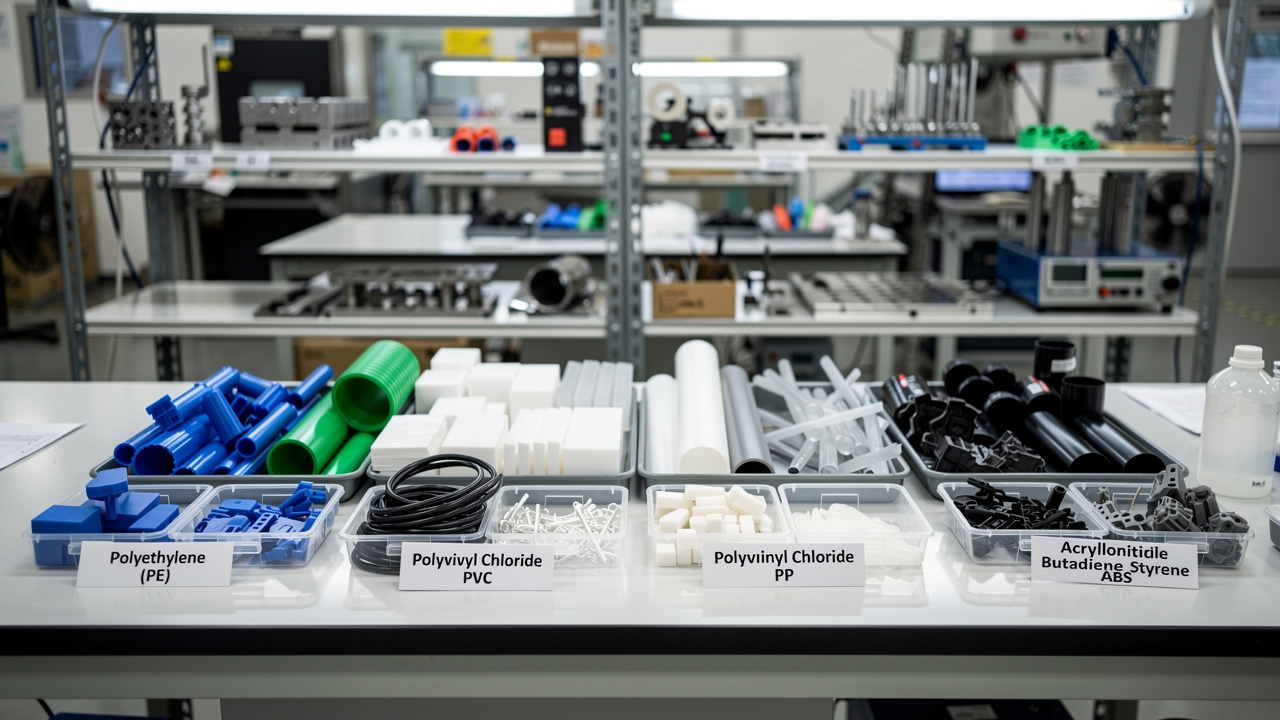
In the realm of custom plastic extrusion, understanding the diverse categories included in the plastic materials list is crucial for optimizing product performance. Common materials utilized in extrusion include:
- Polyethylene (PE): Renowned for its flexibility and chemical resistance, PE is extensively used in applications such as tubing and agricultural irrigation systems, making it a staple in various industries.
- Polyvinyl Chloride (PVC): This substance, included in the plastic materials list, is characterized by its excellent rigidity and is often employed for structural components like pipes and profiles in OEM machinery. Its durability makes it a preferred choice for many manufacturing applications.
- Polypropylene (PP): Valued for its strength and resistance to fatigue, PP is ideal for applications requiring durability, such as cable management systems and automotive parts, according to the plastic materials list, ensuring long-lasting performance.
- Acrylonitrile Butadiene Styrene (ABS): Recognized for its impact resistance, ABS is frequently found on the plastic materials list, making it ideal for use in consumer goods and industrial applications, offering durability and versatility.
How can manufacturers ensure they choose the right plastic for their needs? By understanding these resources, they can make educated choices, which guarantees optimal performance and durability of the final item. Making informed decisions not only enhances product quality but also boosts operational efficiency. By staying ahead of market trends, manufacturers can ensure their products meet evolving demands and maintain a competitive edge.

Evaluate Supplier Reliability and Material Costs
To ensure project success, understanding the intricacies of supplier reliability and associated costs is non-negotiable. Here are key best practices:
- Assess Supplier Performance: Prioritize suppliers with a strong track record in on-time delivery, quality assurance, and responsive customer service. Use performance metrics like order accuracy and defect rates to get a clear picture of reliability. Nearly 60% of organizations face challenges in unifying data across their units, which affects supplier assessments, making this evaluation crucial.
- Negotiate Costs: Engage suppliers in discussions to negotiate favorable pricing, especially for bulk orders. Knowing current market rates for supplies empowers you during negotiations, helping you secure better deals. Strategic buyers have uncovered pricing discrepancies exceeding 10% for identical SKUs through centralized procurement, leading to significant savings. Additionally, offering volume certainty when suppliers need it most can secure up to 10% savings on major categories.
- Consider Total Cost of Ownership: Look beyond initial expenses to include shipping, handling, and potential production waste. This comprehensive perspective aids in better budgeting and cost management, ultimately leading to more informed purchasing decisions. Research indicates that recalibrating contracts to align indexation with true cost drivers can prevent unnecessary price hikes. For instance, a European manufacturer avoided a projected 4.2% increase in 2025 by taking this approach.
By thoroughly assessing suppliers and their pricing frameworks, manufacturers can secure high-quality resources while staying within budget. Leveraging independent data can help challenge supplier price justifications, ensuring that negotiations are grounded in accurate market insights. As noted by the Fastmarkets team, procurement intelligence empowers you to validate supplier claims, negotiate with confidence, and protect your margins during global market disruptions. If you don’t negotiate effectively, you could miss out on savings that directly affect your bottom line.

Customize the Materials List for Specific Project Needs
Tailoring your inventory is not just a choice; it's a necessity for ensuring your project meets its specific demands. Here are essential steps to effectively tailor your materials list:
- Define Project Specifications: Clearly outline the functional requirements of your product, such as strength, flexibility, and environmental resistance. This foundational step directs the substance selection process, ensuring that the chosen polymers meet the necessary performance criteria.
- Consult with Engineers: Engage with design and engineering teams to gain insights into the technical specifications and constraints of the project. Their expertise is invaluable in refining selections, as they can identify critical factors like tensile strength and impact resistance that influence the overall success of the project.
- Test Substance Compatibility: Before completing your plastic materials list, perform compatibility tests to confirm that the chosen plastics will function effectively together, especially in co-extruded applications. Without careful selection, projects may face unexpected challenges that compromise their success. This step is crucial, as it aids in avoiding problems that could emerge from incompatible substances, ultimately improving reliability.
This tailored approach not only enhances product performance but also boosts customer satisfaction and project success rates. Statistics show that projects with a plastic materials list achieve greater success rates, highlighting the significance of careful resource selection in the extrusion process.

Implement Quality Control Measures for Material Selection
At Lincoln Plastics, we understand that quality control is not just a step in the process; it's the foundation of reliable plastic extrusion. At Lincoln Plastics, quality control is a fundamental aspect of substance selection from our plastic materials list, where we prioritize precision and compliance for OEMs. Implementing strong control measures can significantly reduce defects and enhance product reliability. Here are key practices:
- Conduct Material Inspections: Before production, we inspect incoming materials for compliance with specifications, ensuring they meet all quality requirements. This includes checking for contaminants, moisture levels, and physical properties. For example, our partnership with OEMs has shown that comprehensive examinations of polymer substances prevent expensive flaws in uses like medical devices.
- Establish Testing Protocols: We create standardized testing protocols to assess substance performance under various conditions. This can include tensile strength tests, flexibility assessments, and environmental resistance evaluations. As W. Edwards Deming stated, "Quality is everyone's responsibility," emphasizing the collective effort needed in maintaining high standards.
- Monitor Production Processes: At Lincoln Plastics, we continuously observe the extrusion process to ensure that substances are being processed correctly. This includes maintaining optimal temperature and pressure settings to prevent material degradation. Our use of various types of check gauges guarantees a proper end-use fit, reinforcing our dedication to excellence.
- Utilize a Dedicated Standards Book: We’ve developed a robust system that includes a dedicated standards book for your plastic profile, which contains drawings, critical in-process checks, and run documentation. This ensures that all specifications are met throughout the production process.
- Source Colors to Meet Pantone Specifications: We can effortlessly source colors that satisfy your Pantone specifications for consistency across manufacturers, enhancing the customization of our offerings.
By implementing these quality control measures, Lincoln Plastics ensures that the materials on the plastic materials list used in production meet the highest standards. This commitment leads to superior product quality and enhances customer satisfaction. Additionally, recognizing and addressing these common pitfalls can be the difference between success and failure in your production process.

Conclusion
Creating a comprehensive plastic materials list is not just a task; it's a critical strategy for manufacturers aiming to excel in extrusion projects. Identifying key plastic types and their applications is crucial. Evaluating supplier reliability and customizing materials for specific project needs can significantly enhance product performance and operational efficiency.
This article has highlighted essential practices that can make a real difference. Selecting appropriate materials like polyethylene, PVC, polypropylene, and ABS based on their unique properties and applications is vital. Furthermore, assessing supplier reliability and negotiating costs can lead to substantial savings. Customizing the materials list ensures that project specifications are met, while quality control measures serve as a cornerstone for maintaining high standards, ultimately leading to improved product quality and customer satisfaction.
In conclusion, creating and managing a plastic materials list is a strategic imperative that can determine the success of extrusion projects. By prioritizing these strategic practices, manufacturers can transform their approach to extrusion, ensuring they not only survive but thrive in a competitive landscape.
Frequently Asked Questions
What are the common types of plastics used in custom plastic extrusion?
The common types of plastics used in custom plastic extrusion include Polyethylene (PE), Polyvinyl Chloride (PVC), Polypropylene (PP), and Acrylonitrile Butadiene Styrene (ABS).
What are the applications of Polyethylene (PE)?
Polyethylene (PE) is known for its flexibility and chemical resistance, making it extensively used in applications such as tubing and agricultural irrigation systems.
What are the characteristics and uses of Polyvinyl Chloride (PVC)?
Polyvinyl Chloride (PVC) is characterized by its excellent rigidity and is often used for structural components like pipes and profiles in OEM machinery due to its durability.
Why is Polypropylene (PP) valued in manufacturing?
Polypropylene (PP) is valued for its strength and resistance to fatigue, making it ideal for applications that require durability, such as cable management systems and automotive parts.
What makes Acrylonitrile Butadiene Styrene (ABS) a popular choice in various applications?
Acrylonitrile Butadiene Styrene (ABS) is recognized for its impact resistance, making it ideal for use in consumer goods and industrial applications, offering both durability and versatility.
How can manufacturers choose the right plastic for their needs?
Manufacturers can choose the right plastic by understanding the properties and applications of different plastic types, which helps ensure optimal performance and durability of the final product.
What benefits do informed decisions about plastic selection provide to manufacturers?
Informed decisions enhance product quality, boost operational efficiency, and help manufacturers stay ahead of market trends, ensuring their products meet evolving demands and maintain a competitive edge.
List of Sources
- Identify Key Plastic Types and Their Applications
- intelmarketresearch.com (https://intelmarketresearch.com/global-polyethylene-forecast-market-26258)
- fortunebusinessinsights.com (https://fortunebusinessinsights.com/industry-reports/polyethylene-pe-market-101584)
- Evaluate Supplier Reliability and Material Costs
- 5 negotiation tactics manufacturers need to win in 2026 (https://fastmarkets.com/insights/5-negotiation-tactics-manufacturers-need-to-win-in-2026)
- Customize the Materials List for Specific Project Needs
- A Guide to Material Selection for Extrusion | Inplex LLC (https://inplexllc.com/blog/a-guide-to-material-selection-for-extrusion)
- Choosing Materials for Plastic Extrusion - PET (https://plasticextrusiontech.net/choosing-the-right-materials-for-plastic-extrusion)
- Implement Quality Control Measures for Material Selection
- Plastics Extrusion: 4 Critical Statistics to Track for Increased Quality & Plant Profit (https://gaugeadvisor.com/2025/05/26/plastics-extrusion-4-critical-statistics-to-track-for-increased-quality-plant-profit)
- The Best Quality Assurance Quotes You Need to Hear (https://rarecrew.com/blog/post/the-best-qa-quotes-you-need-to-hear)
- Quotes of Total Quality Management - Azumuta (https://azumuta.com/blog/quotes-of-total-quality-management)
- Custom Plastic Extrusion Case Studies | SFR Industries (https://sfrindustries.com/case_studies)
Related posts

Discover essential strategies on how to improve quality in manufacturing effectively.


Discover the top 10 benefits of plastic angles for enhancing manufacturing efficiency and safety.
Optimize your manufacturing process with coextrusion for efficiency, quality, and design flexibility.
