

4 Best Practices for Choosing a Plastic Channel for Wiring
Introduction
Choosing the right plastic channel for wiring can really make a difference in how efficiently and safely your electrical installations work. You know, with so many materials out there, each with its own perks, it’s super important to understand your options. But here’s the thing: navigating the specific needs of each project can be tricky. From environmental factors to making sure you’re following local codes, it can feel overwhelming.
So, what are the best practices for picking and maintaining these conduits? How can you ensure they last and perform well? Let’s dive into this together!
Understand Plastic Channel Materials and Types
When you're choosing a plastic channel for your connections, it’s super important to understand the materials. This knowledge helps ensure you get the best option. Let’s break down some of the most common options:
- PVC: This material is a favorite for a reason! PVC is tough and stands up well against moisture and UV rays, making it perfect for outdoor use. Plus, it’s cost-effective, which is a big win for both residential and commercial electrical projects. Did you know PVC has a volume resistivity that exceeds 10^15 Ω·cm? That means it provides excellent insulation for low- and medium-voltage applications. No wonder industry experts often recommend it for various electrical jobs!
- Polycarbonate: If you need something that can take a beating, polycarbonate is your go-to. It’s known for its amazing impact resistance, making it ideal for industrial settings where durability is key. These conduits can handle heavy impacts, protecting your cables from accidental damage caused by machinery. In fact, studies show that polycarbonate materials are highly resistant to breakage, which is crucial in places where visibility is important. There’s even a case study that highlights how polycarbonate conduits have successfully protected cables in high-impact environments, proving their reliability.
- HDPE: This one’s all about flexibility and chemical resistance. HDPE is perfect for situations where harsh chemicals or extreme temperatures are a factor. Its sturdy nature helps it keep its shape even in tough conditions, making it a top choice for underground installations or anywhere chemical exposure is a concern.
By understanding the unique features and benefits of these materials, you can confidently choose the right plastic channel that fits the specific needs of your project. So, what are you waiting for? Dive into your options and make the best choice!

Select the Appropriate Plastic Channel for Your Wiring Needs
Are you choosing the right plastic channel? It’s all about the factors that can make a big difference:
- Environment: Think about where you’re installing it. If it’s outdoors, you’ll want materials like PVC or polycarbonate that can handle the sun’s rays and other weather challenges.
- Capacity: How many wires are you planning to fit in there? Make sure the conduit can handle the total bundle size and still allow for some airflow to keep things cool.
- Compliance: Don’t forget to check local regulations. Following these rules is crucial for keeping everything safe and legal.
- Setup Convenience: Look for channels that are easy to install, like those with snap-on covers or pre-drilled holes. This can save you a ton of time and hassle.
By considering these factors, you can select a channel that not only accommodates your needs but also enhances the efficiency of your setup. And if you’re looking for something extra, Lincoln Plastics offers various options. These can help streamline installation, reducing hazards and keeping your space neat and tidy.

Implement Effective Installation Techniques for Plastic Channels
When it comes to installing a plastic channel, you want to make sure you get it right. Here are some friendly tips to help you out:
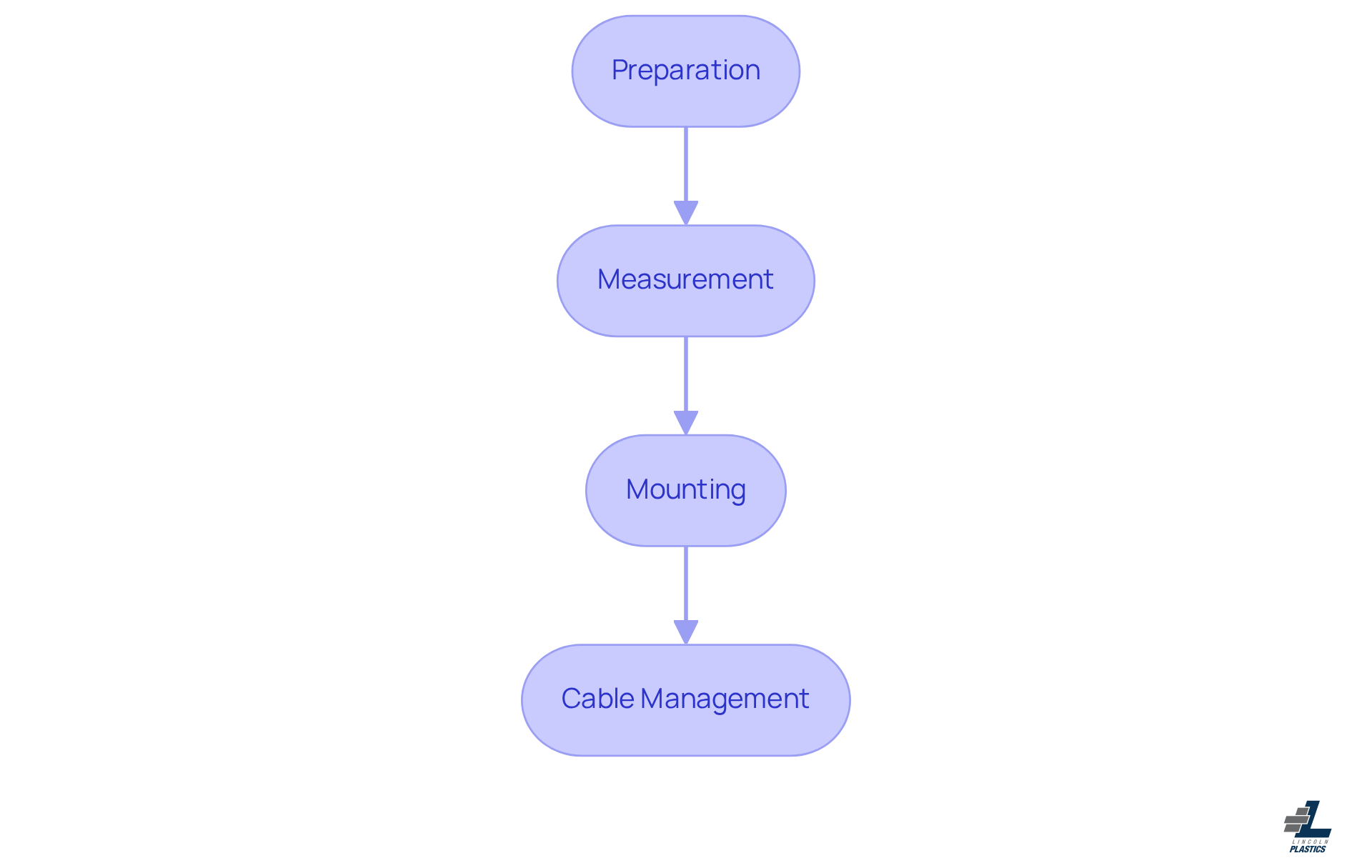
- Preparation: First things first, where you’ll be installing the channel. This little step goes a long way in ensuring everything sticks well and stays stable.
- Measurement: Next up, determine the length of conduit you need. Take your time with this - cutting it to size with the right tools will help you avoid any damage.
- Mounting: Now, let’s talk about how to attach it. You can use screws or adhesive, depending on what the surface is. If you’re working with thicker pathways, screws are usually the way to go for a solid connection.
- Cable management: Don’t forget about the cables! Arrange them neatly inside the conduit to keep them from tangling. It’ll make future maintenance a breeze. A few cable ties or clips can help keep everything in place.
By following these simple techniques, you’ll boost the durability and functionality of your wiring installation with a plastic channel. Ready to get started?
Maintain and Inspect Plastic Channels for Longevity
Keeping your plastic conduits in tip-top shape is super important for their longevity and effectiveness. So, let’s dive into some tips that can make a big difference:
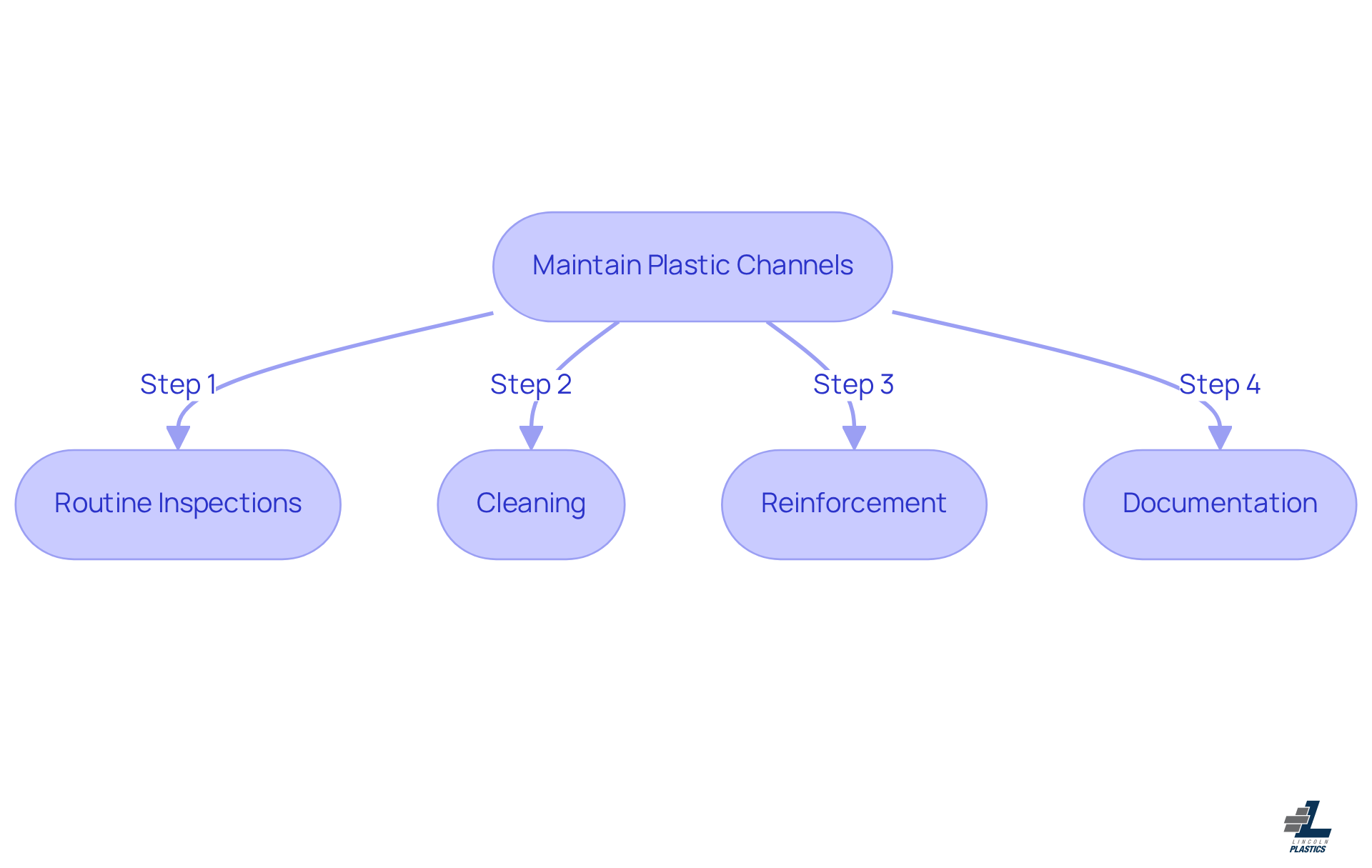
- Inspection: Ever thought about how often you check your conduits? Periodically looking for signs of wear, damage, or discoloration can save you a lot of trouble down the line. Keep an eye out for cracks or breaks that might compromise the integrity of your wiring.
- Cleaning: Dust and debris can sneak in and settle over time. Make it a habit to wipe down the surfaces with a damp cloth and some mild detergent. It’s a simple step that keeps everything clear and functioning well.
- Reinforcement: If you spot any weak spots in your conduits, don’t hesitate! Consider reinforcing those areas with extra supports or even replacing them if needed. It’s better to be safe than sorry!
- Documentation: Keeping records is a smart move. This documentation not only helps you track what’s been done but can also come in handy for compliance with safety standards.
By following these maintenance tips, you can ensure that your conduits continue to provide protection. So, why not start today?
Conclusion
Choosing the right plastic channel for wiring is super important for keeping your electrical installations safe, efficient, and long-lasting. Think about it: with so many materials out there - like PVC, polycarbonate, and HDPE - how do you pick the right one for your project? Each material has its perks, from being moisture-resistant to tough against impacts, so it’s all about matching your choice to where and how you’ll use it.
Now, what should you keep in mind when selecting a plastic channel? Consider the following:
- Installation environment
- Load capacity
- Local code compliance
- Ease of setup
Plus, don’t forget that how you install and maintain these channels can really affect their performance and lifespan. Simple things like regular inspections and proper cleaning can go a long way in keeping your wiring safe and functional.
In the end, putting in the time and effort to choose, install, and maintain your plastic channels not only boosts safety but also helps create a more organized and efficient electrical system. By embracing these best practices, you’re setting yourself up for success, ensuring your wiring solutions are reliable and giving you peace of mind in your projects.
Frequently Asked Questions
What are the main types of plastic channel materials discussed in the article?
The main types of plastic channel materials discussed are PVC (Polyvinyl Chloride), Polycarbonate, and HDPE (High-Density Polyethylene).
What are the advantages of using PVC for wiring channels?
PVC is tough, moisture-resistant, UV-resistant, budget-friendly, and easy to install. It also provides reliable electrical insulation for low- and medium-voltage applications.
In what environments is Polycarbonate particularly useful?
Polycarbonate is particularly useful in industrial settings due to its amazing impact resistance, making it ideal for protecting cables from accidental damage caused by machinery.
What makes HDPE a suitable choice for certain installations?
HDPE is flexible and has excellent chemical resistance, making it suitable for installations where harsh chemicals or extreme temperatures are present, such as underground installations.
Why is it important to understand the different plastic channel materials?
Understanding the different plastic channel materials helps ensure you choose the best option for your specific needs, ensuring optimal performance for your wiring projects.
List of Sources
- Understand Plastic Channel Materials and Types
- ctube-gr.com (https://ctube-gr.com/news/what-is-plastic-conduit-everything-you-need-to-know.html)
- statista.com (https://statista.com/topics/11401/polyvinyl-chloride-pvc?srsltid=AfmBOoog47f4k4lA-1Q2GPj2eENFXCgEOH03g3ct6GUYjZKxprjTbQld)
- intelmarketresearch.com (https://intelmarketresearch.com/plastic-wiring-equipment-market-8915)
- owcable.com (https://owcable.com/technology/pvc-in-wire-and-cable-material-properties-that-matter)
- fortunebusinessinsights.com (https://fortunebusinessinsights.com/polyvinyl-chloride-pvc-market-109398)
- Select the Appropriate Plastic Channel for Your Wiring Needs
- lincoln-plastics.com (https://lincoln-plastics.com/news-post/10-benefits-of-plastic-channelling-for-oem-purchasing-managers?dcc2137a_page=42)
- lincoln-plastics.com (https://lincoln-plastics.com/news-post/10-essential-uses-of-plastic-u-channels-for-oem-solutions?dcc2137a_page=8)
- muepro.com (https://muepro.com/load-bearing-capacity-of-installation-channels)
- Maintain and Inspect Plastic Channels for Longevity
- Top 100 Inspirational Workplace Safety Quotes (https://damotech.com/blog/inspirational-quotes-warehouse-safety)
- 10 Compelling Statistics About Manufacturing Maintenance (https://worktrek.com/blog/manufacturing-maintenance-statistics)
- coastapp.com (https://coastapp.com/blog/maintenance-metrics-statistics-facts)
- The Latest Statistics from the Maintenance Industry [2025] (https://getsockeye.com/blog/maintenance-statistics)
- movley.com (https://movley.com/blog/10-inspiring-quality-inspection-quotes-to-motivate-your-team)
Related posts

Right-Sized Production Runs: Flexibility Without the Waste
Lincoln Plastics offers right-sized production runs with a 10-hour minimum — balancing efficiency with flexibility so OEMs avoid oversized orders.


Co-Extrusion: Combining Two Materials for Better Performance
Lincoln Plastics offers co-extrusion, combining two plastics into a single profile for greater design freedom, performance, and cost savings.
Beyond Extrusion: Value-Added Services That Simplify Production
Beyond Extrusion: Value-Added Services That Simplify Production
