
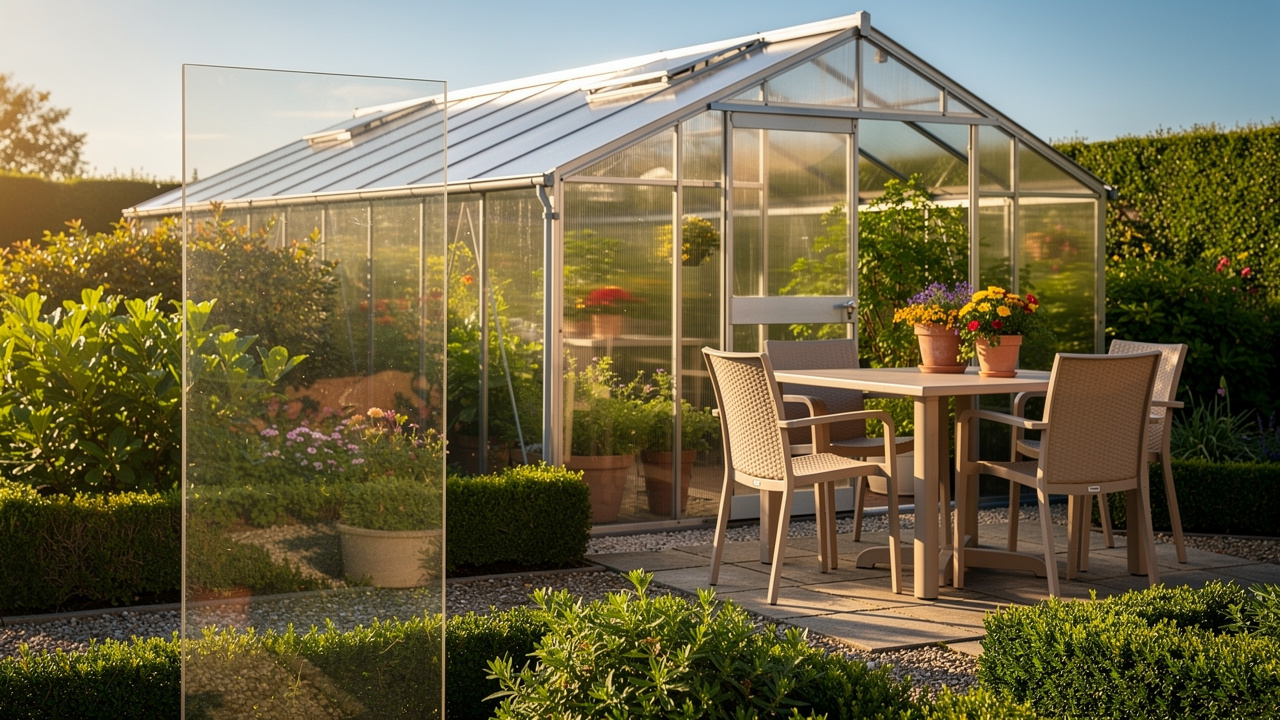
3 Plastics for Outdoor Use: Acrylic, Polycarbonate, and HDPE Compared
Introduction
Selecting the ideal plastic for outdoor applications is crucial for ensuring project longevity and performance in harsh environments. With options like acrylic, polycarbonate, and high-density polyethylene (HDPE), each material presents unique benefits and limitations tailored to different needs. Navigating the complexities of durability, UV resistance, and aesthetic appeal can be challenging. Let’s explore the key characteristics of these three plastics together, providing insights that empower you to make choices that enhance your project's success and durability.
Understanding Outdoor Plastics: Key Characteristics
Choosing the right plastic for outdoor use is not just about durability; it’s about ensuring long-term performance against the elements. Here are several key characteristics to consider:
- UV Resistance: The ability of a plastic to endure ultraviolet radiation without deteriorating is essential for external uses. Materials like polycarbonate often require UV stabilization to maintain clarity and prevent yellowing over time. Well-stabilized acrylic (PMMA) can achieve service lives exceeding 20 years in outdoor conditions, particularly in European and North American climates, making it a favored option for applications where appearance is paramount.
- Impact Strength: When it comes to outdoor applications, impact strength is crucial for ensuring materials withstand stress without breaking. Polycarbonate is renowned for its remarkable impact resistance, being up to 250 times more resistant to impacts than glass. This makes it ideal for demanding uses such as greenhouse roofing and protective external panels.
- Weatherability: This characteristic encompasses a plastic's ability to endure various weather conditions, including rain, snow, and extreme temperatures. You’ll find high-density polyethylene is a go-to choice for its impressive resilience in tough conditions, achieving service lives of 10-20 years in external applications like piping and furniture. Furthermore, HDPE is recognized for its cost-efficiency and minimal moisture absorption, enhancing its appeal for outdoor uses.
- Chemical Resistance: The ability to withstand deterioration from exposure to chemicals is crucial, especially in external environments where materials may encounter pollutants or cleaning agents. For instance, UV-stabilized PVC is commonly used in construction tarpaulins due to its strength and low maintenance requirements. However, it’s important to note that PVC-based materials require effective stabilizer systems to inhibit degradation through dehydrochlorination when exposed to UV radiation and heat.
- Aesthetic Qualities: For applications where appearance matters, such as signage or decorative elements, the clarity and finish of the plastic can be significant. Acrylic is frequently preferred for its optical clarity, transmitting around 92% of visible light, making it perfect for external signage and architectural features.
Understanding these traits aids in making informed choices regarding which plastic for outdoor use to utilize for specific applications, ensuring durability and effectiveness in challenging conditions. Ultimately, the right choice in UV-resistant plastics can save you time and money while enhancing the longevity of your outdoor projects.

Acrylic Plastic: Benefits and Limitations for Outdoor Use
Acrylic, or polymethyl methacrylate (PMMA), stands out as a leading choice for outdoor applications, thanks to its unique properties that enhance both functionality and aesthetics:
Benefits:
- Optical Clarity: Did you know that acrylic offers an impressive light transmission rate of 92-93%? This makes it perfect for skylights and signage, where visibility is key.
- UV Resistance: Naturally resistant to ultraviolet radiation, this material retains its clarity and color over time, eliminating the need for additional protective coatings. This durability is evident, as plastic for outdoor use maintains over 90% light transmittance even after years of exposure to the elements.
- Lightweight: Weighing 50% less than glass, acrylic is easier to handle and install, which is particularly beneficial for large outdoor projects like aquariums and architectural features.
- Weather Resistance: Acrylic withstands various weather conditions, including rain and snow, without significant degradation. Properly installed plastic for outdoor use panels can last 10-15 years or longer while preserving their appearance and functionality.
Limitations:
- Scratch Sensitivity: Acrylic is more susceptible to scratching compared to polycarbonate, which can impact its visual appeal over time. Are you aware of the potential visual drawbacks of using acrylic in high-traffic areas? Regular maintenance and proper cleaning techniques can help mitigate this issue.
- Impact Resistance: While sturdy, this material does not provide the same degree of impact resistance as polycarbonate, rendering it less appropriate for high-impact uses.
- Thermal Sensitivity: Acrylic can warp under extreme heat, necessitating careful consideration of installation environments with high temperatures. It is advised to maintain a gap of 0.3 mm per 100 mm on each side of external plastic to avoid warping or cracking from thermal expansion.
Ultimately, understanding both the strengths and limitations of acrylic will empower you to make informed decisions for your projects, ensuring optimal results. Case studies show that companies are increasingly favoring plastic for outdoor use in external branding and signage due to its adaptability and strength, reinforcing its position as a top material in external applications.

Polycarbonate Plastic: Advantages and Disadvantages for Outdoor Applications
When it comes to outdoor applications, polycarbonate stands out as a top-tier thermoplastic, making it an ideal plastic for outdoor use due to its strength and durability. Its remarkable properties make it an ideal choice for various uses, ensuring reliability and performance.
Advantages:
- Exceptional Impact Resistance: Polycarbonate sheets offer 250 times the impact resistance of glass and are 30 times stronger than acrylic, making them perfect for high-durability applications such as safety barriers and greenhouse panels (source: industry statistics).
- UV Protection: Many polycarbonate products, which are a type of plastic for outdoor use, are UV treated, blocking 99% of harmful UV rays and preventing yellowing and degradation from sunlight exposure, ensuring longevity in outdoor settings.
- Thermal Stability: Capable of withstanding temperatures ranging from -20 to 140°C, polycarbonate is suitable for environments with fluctuating heat levels, maintaining its properties under various conditions.
- Lightweight: Weighing only 1.2 kg/sqm (1mm), polycarbonate is lighter than glass, facilitating easier handling and installation, which can significantly reduce transportation and installation costs (source: industry insights).
Disadvantages:
- Cost: Generally, polycarbonate is more expensive than acrylic, which may be a consideration for budget-sensitive projects.
- Scratch Prone: Although sturdy, polycarbonate can be more vulnerable to scratching than other materials, requiring careful handling and upkeep to maintain its clarity.
- Limited Aesthetic Choices: Polycarbonate generally presents fewer aesthetic options than acrylic, which can be a disadvantage for decorative uses, as acrylic offers a broader spectrum of colors and finishes.
Ultimately, the decision to use polycarbonate should align with the unique demands of your project, balancing its advantages against potential drawbacks.

HDPE Plastic: Strengths and Weaknesses for Outdoor Use
High-Density Polyethylene (HDPE) stands out as a premier choice for outdoor applications, combining resilience with low maintenance needs:
Strengths:
- Exceptional Durability: HDPE is highly resistant to impact, chemicals, and moisture, making it ideal for outdoor environments. You’ll find HDPE in everything from garden furniture to playground equipment, proving its durability in real-world settings.
- UV Resistance: This material can endure extended exposure to sunlight without considerable deterioration, especially when UV stabilizers are incorporated. This trait is essential for plastic for outdoor use, ensuring that furniture and fixtures maintain their integrity and appearance over time.
- Low Maintenance: It requires minimal upkeep, needing only a simple rinse with water and mild soap to keep it looking new. This low-maintenance nature is particularly advantageous for busy homeowners and rental properties, allowing for easy care without the need for repainting or sealing.
- Recyclability: HDPE is recyclable, aiding in environmental sustainability in the context of plastic for outdoor use. Its ability to be reused and transformed into new products reduces landfill waste, aligning with eco-friendly practices.
Weaknesses:
- Aesthetic Limitations: HDPE typically lacks the optical clarity of acrylic and polycarbonate, which may limit its use in applications where appearance is critical. However, contemporary polyethylene furniture, such as the Capri Collection and Day Break Collection, comes in various styles and colors, rivaling traditional materials.
- Thermal Expansion: This material can expand and contract with temperature variations, which may influence its fit in specific uses. This characteristic should be considered during installation to ensure optimal performance.
- Weight: While durable, high-density polyethylene can be heavier than acrylic and polycarbonate, which may complicate installation in some scenarios.
Choosing HDPE without considering its limitations could lead to unexpected challenges in your outdoor projects. Its strengths, supported by case studies such as the Day Break Collection Sustainability, highlight its successful use of plastic for outdoor use in various external settings. Recognizing these factors ensures you choose the right material for your needs.

Comparative Analysis: Acrylic vs. Polycarbonate vs. HDPE for Outdoor Use
Choosing the right plastic for outdoor use for applications can be a daunting task, especially when weighing factors like durability, cost, and aesthetics. When evaluating acrylic, polycarbonate, and HDPE, several critical factors must be considered:
- Feature:
- Optical Clarity:
- Acrylic: Excellent
- Polycarbonate: Good
- HDPE: Fair
- Optical Clarity:
- Acrylic: Moderate
- Polycarbonate: Excellent
- HDPE: Good
- Acrylic: Good
- Polycarbonate: Excellent
- HDPE: Good
- Acrylic: Good
- Polycarbonate: Excellent
- HDPE: Excellent
- Acrylic: Moderate
- Polycarbonate: High
- HDPE: Low to Moderate
- Acrylic: Moderate
- Polycarbonate: High
- HDPE: Low
- Acrylic: Wide variety
- Polycarbonate: Limited
- HDPE: Limited
Comparative Analysis:
- Acrylic is ideal for applications prioritizing optical clarity and aesthetics, such as signage and decorative elements. However, its moderate impact resistance may limit its use in high-impact environments.
- Polycarbonate excels in high-impact uses, making it suitable for safety barriers and greenhouse panels. Its excellent weather resistance and UV protection are significant advantages, though its higher cost may be a concern for budget-sensitive projects.
- High-Density Polyethylene is the favored option for longevity and minimal upkeep, making it ideal for garden furniture and equipment made from plastic for outdoor use. Its excellent weather resistance and UV stability enhance its longevity, and it is recognized for its high recyclability and environmental benefits. Particular uses of polyethylene sheets encompass garden furniture, play structures, and marine parts, highlighting its adaptability.
Ultimately, making an informed choice can save you time and money while ensuring the longevity of your outdoor projects.

Conclusion
Choosing the right plastic for outdoor applications is not just important; it’s essential for ensuring long-lasting performance against environmental challenges. Acrylic, polycarbonate, and HDPE each offer unique advantages and limitations that cater to different needs. Understanding these materials' properties allows for informed decisions that enhance the longevity and effectiveness of outdoor projects.
-
Acrylic is known for its optical clarity.
It also offers UV resistance, making it perfect for applications where aesthetics matter.
However, its moderate impact resistance and susceptibility to scratching may limit its use in high-stress environments. -
Polycarbonate excels in impact resistance and UV protection, making it suitable for demanding applications like safety barriers and greenhouse panels, albeit at a higher cost.
-
HDPE stands out for its exceptional durability and low maintenance requirements, making it a practical choice for outdoor furniture and equipment, though it may lack the aesthetic appeal of the other two materials.
So, how do you choose between acrylic, polycarbonate, and HDPE? It all comes down to the specific needs of your project. By considering factors such as impact resistance, UV stability, and maintenance needs, you can select the best outdoor plastic material for your applications. What’s the best way to ensure you’re making the right choice? Consulting with industry professionals can provide the insights you need.
Frequently Asked Questions
What are the key characteristics to consider when choosing plastics for outdoor use?
Key characteristics include UV resistance, impact strength, weatherability, chemical resistance, and aesthetic qualities. These factors ensure long-term performance against the elements.
Why is UV resistance important for outdoor plastics?
UV resistance is essential because it allows plastics to endure ultraviolet radiation without deteriorating. Materials like polycarbonate often require UV stabilization to maintain clarity and prevent yellowing over time.
How does impact strength affect outdoor plastic applications?
Impact strength is crucial for ensuring that materials can withstand stress without breaking. Polycarbonate, for example, is known for its remarkable impact resistance, making it ideal for demanding applications like greenhouse roofing.
What is weatherability in the context of outdoor plastics?
Weatherability refers to a plastic's ability to endure various weather conditions, such as rain, snow, and extreme temperatures. High-density polyethylene (HDPE) is a popular choice due to its resilience and cost-efficiency in outdoor applications.
How does chemical resistance play a role in outdoor plastics?
Chemical resistance is important for outdoor plastics as they may encounter pollutants or cleaning agents. UV-stabilized PVC is commonly used in construction due to its strength and low maintenance, but it requires effective stabilizer systems to prevent degradation.
What aesthetic qualities should be considered for outdoor plastics?
Aesthetic qualities, such as clarity and finish, are significant for applications like signage or decorative elements. Acrylic is often preferred for its optical clarity, transmitting around 92% of visible light.
What are the benefits of using acrylic plastic for outdoor applications?
Benefits of acrylic include high optical clarity, natural UV resistance, lightweight properties, and weather resistance, allowing it to last 10-15 years or longer while maintaining appearance and functionality.
What limitations should be considered when using acrylic for outdoor projects?
Limitations of acrylic include scratch sensitivity, lower impact resistance compared to polycarbonate, and thermal sensitivity, which can cause warping under extreme heat.
How can understanding the characteristics of outdoor plastics help in project planning?
Understanding these characteristics aids in making informed choices about which plastic to use for specific applications, ensuring durability and effectiveness in challenging outdoor conditions.
List of Sources
- Understanding Outdoor Plastics: Key Characteristics
- The Importance of UV-Resistant Materials for Outdoor Applications (https://linkedin.com/pulse/importance-uv-resistant-materials-outdoor-applications-1cvkc)
- UV Resistant Plastics And Their Role In Outdoor Material Durability (https://tldvietnam.com/uv-resistant-plastics)
- Outdoor UV-Resistant Plastics | Fading & Cracking Solutions (https://yoochenplastic.com/knowledge-news/outdoor-uv-resistant-plastics)
- Best Plastic for Outdoor Use: A Guide to Weather-Resistant Engineering Plastics (https://wq131.goldsupplier.com/blog/36329.html)
- Acrylic Plastic: Benefits and Limitations for Outdoor Use
- 4 key benefits of Acrylic Sheets - Plastics Plus (https://plasticsplus.co.uk/news/4-key-benefits-of-acrylic-sheets)
- High-Quality Acrylic Sheets Manufacturer - Welldon New Material, China (https://welldonplastics.com/news/benefits-of-using-acrylic-products-in-your-projects.html)
- Can Acrylic Sheet Be Used Outdoors - KUNXIN (https://kunxinplastics.com/news/92)
- Choosing Acrylic for Outdoor Use | Displays And Holders (https://displaysandholders.com/choosing-acrylic-for-outdoor-use-how-sun-resistance-affects-your-branding?srsltid=AfmBOopooAk-jlglz1JgVlKAkwKV7KE1C7pFqByl2sCYjfN8dTBwHBik)
- Polycarbonate Plastic: Advantages and Disadvantages for Outdoor Applications
- Polycarbonate: Advantages, Disadvantages, and Applications (https://protolabs.com/materials/polycarbonate)
- Polycarbonate Roofing Pros and Cons | A&C Plastics, Inc. (https://acplasticsinc.com/resource/polycarbonate-roofing-pros-and-cons)
- What Are the Advantages and Disadvantage of Polycarbonate Sheets (https://exceliteplas.com.au/blogs/news/what-are-the-advantages-and-disadvantage-of-polycarbonate-sheets?srsltid=AfmBOor-jIXDHp7UbjqhmvYbNdf1yy7eXyD_mYgRyRMdgfx_HuO-8ukJ)
- Exploring the Pros and Cons of Polycarbonate Sheets: Strategies for Overcoming Challenges - Excelite (https://exceliteplas.com/exploring-the-pros-and-cons-of-polycarbonate-sheets)
- Exploring the Versatility of Polycarbonate: All You Need to Know - Barfield Fence and Fabrication (https://barfieldfence.com/exploring-the-versatility-of-polycarbonate-all-you-need-to-know)
- HDPE Plastic: Strengths and Weaknesses for Outdoor Use
- Why HDPE Is the Best Outdoor Furniture Material | By the Yard (https://bytheyard.net/blog/discover-the-future-of-outdoor-living-with-high-density-polyethylene?srsltid=AfmBOoojDgGtPxgqsT7mKgMQLsy-XuZLXyH65J0CtPDlmegHRG4bF0Oa)
- Upgrade Your Patio With HDPE Plastic Outdoor Furniture (https://racinecountyeye.com/2025/07/28/hdpe-plastic-outdoor-furniture)
- Why HDPE Plastic Is Ideal for Outdoor Furniture (https://piedmontplastics.com/blog/hdpe-for-outdoor-furniture?srsltid=AfmBOopC2Cbgs_xhZaC_Iia4HLzwVpnhSqLbTvRzZ5stcsMBCx66eDXP)
- Choosing the Best Plastic Material for Outdoor Use - Legacy HDPE Boats (https://legacyhdpe.com/choosing-the-best-plastics-for-outdoor-use)
- What are the advantages and disadvantages of HDPE?|News|POLYPVC (https://polypvc.com/news/What-are-the-advantages-and-disadvantages-of-HDPE.html)
- Comparative Analysis: Acrylic vs. Polycarbonate vs. HDPE for Outdoor Use
- The Ultimate Guide to HDPE Sheets vs. Other Plastics (https://pedredgepipe.com/resources/the-ultimate-guide-to-hdpe-sheets-vs-other-plastics.html)
- The Ultimate Guide to HDPE Sheets vs. Other Plastics (https://beeplastic.com/blogs/plastic-insights/the-ultimate-material-showdown-hdpe-sheets-vs-other-plastics?srsltid=AfmBOorONERNEErNCefm59YhnqkVK9YiwPID8y0JmGrYq_PjpAlg-eH2)
- Comparing UV Resistance of Plastics: Key Insights for OEMs (https://lincoln-plastics.com/news-post/comparing-uv-resistance-of-plastics-key-insights-for-oe-ms)
- HDPE vs. Polycarbonate: Material Differences and Comparisons (https://xometry.com/resources/materials/hdpe-vs-polycarbonate)
- Comparing HDPE to Other Plastic Materials: Which One is Best for Your (https://bluegatorpro.com/blogs/news/comparing-hdpe-to-other-plastic-materials-which-one-is-best-for-your-needs?srsltid=AfmBOopB4v3jSqiHacT9x-bwuwTCamDvxs6ahnPTDk_1xi6WCfy0cXum)


