
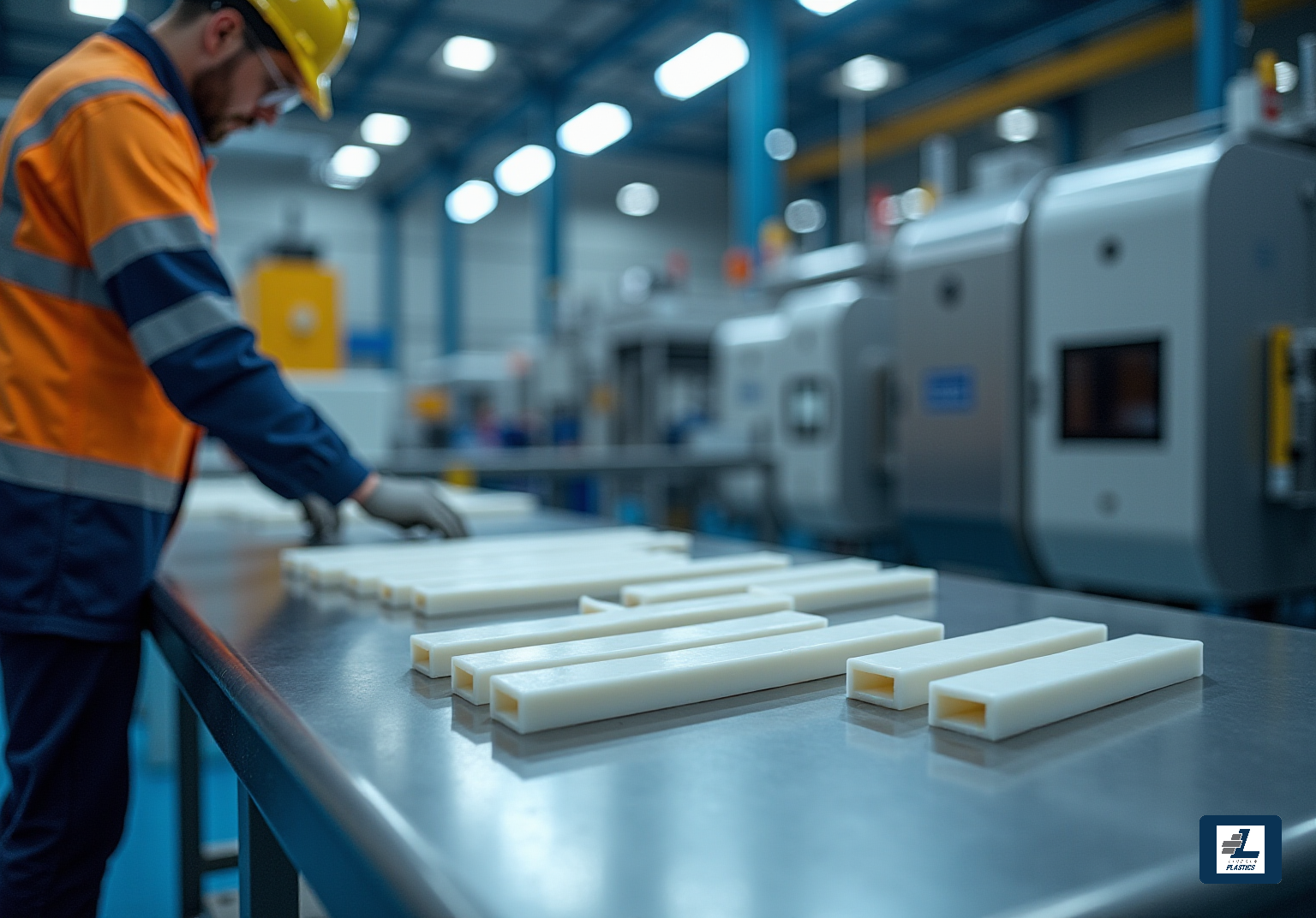
10 Low Outgassing Plastics for Aerospace Applications You Need
Introduction
In the fast-changing world of aerospace engineering, we all know how crucial it is to find materials that cut down emissions while boosting performance. Enter low outgassing plastics! These materials have become game-changers, giving manufacturers the reliability and efficiency they need for today’s aircraft.
Now, as the industry leans more towards sustainable practices, you might be asking yourself: which low outgassing plastics are the best fit for aerospace applications? And what unique perks do they bring to the table? In this article, we’ll dive into ten standout materials that not only meet the tough aviation standards but also open up exciting possibilities for innovation in aircraft design and functionality.
Lincoln Plastics: Custom Profile Extrusions for Aerospace Applications
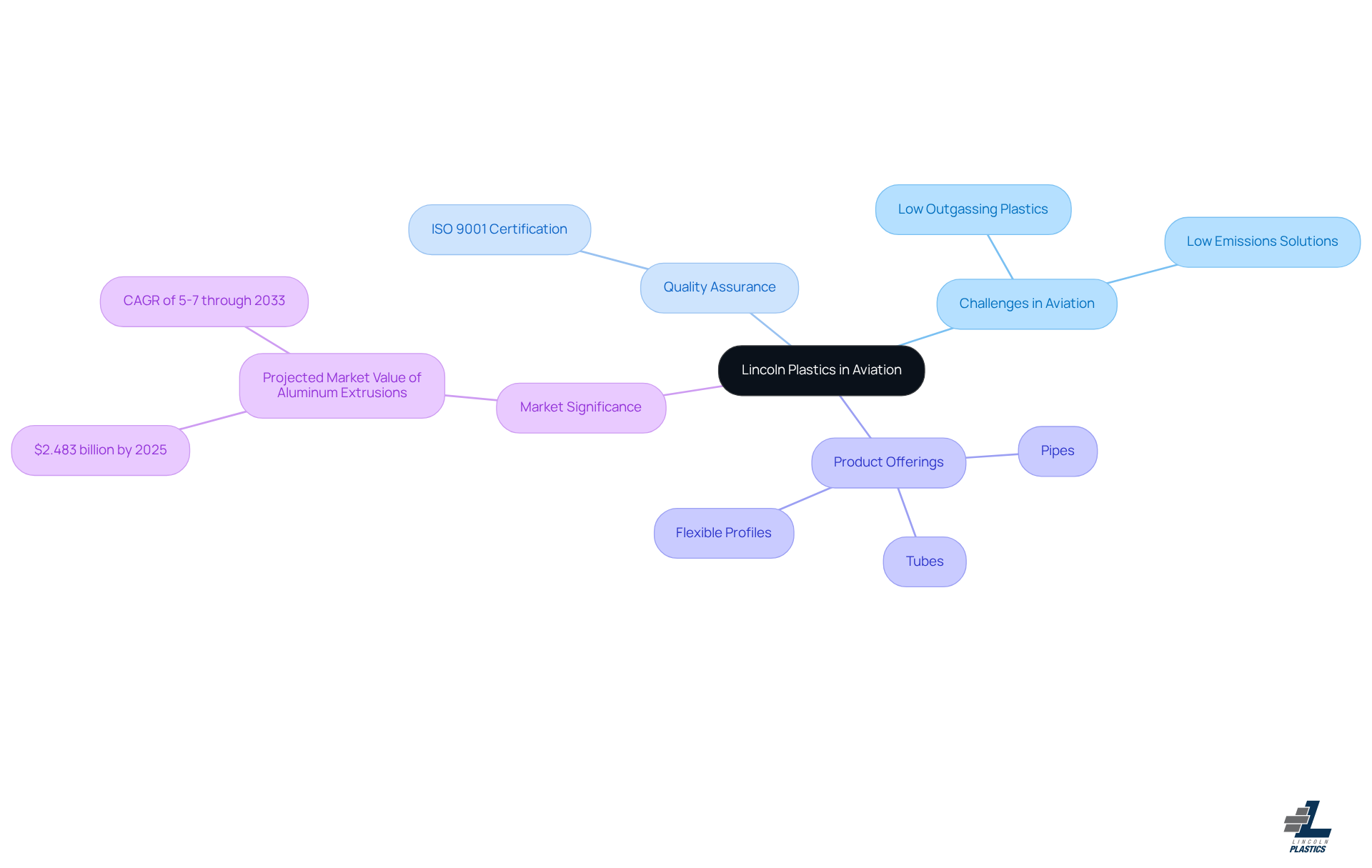
Hey there! Have you ever thought about the unique challenges in the aviation sector? Well, Lincoln Plastics is here to help with that! They really shine in custom profile extrusions, offering tailored solutions. With a keen focus on quality, they ensure to meet the tough standards that aviation applications demand.
Now, let’s talk about quality. Lincoln Plastics is ISO certified, which means they’re all about maintaining high standards. This certification makes them a trusted partner for OEMs in the aviation industry. They’ve got a diverse range of products - think pipes, tubes, and specialized profiles - that tackle the specific challenges manufacturers face in aviation.
But that’s not all! Lincoln Plastics also crafts components using materials like polyethylene, rigid PVC, and flexible PVC. This shows their knack for customizing solutions to fit what clients really need. Plus, they emphasize low outgassing properties, making them a key player in the ever-evolving world of aviation materials. With the demand for low emissions solutions on the rise, their role is becoming even more crucial.
Did you know that the aerospace market is projected to hit $2.483 billion by 2025? That really highlights how important Lincoln Plastics' products are becoming! As the industry keeps changing, Lincoln Plastics stays committed to innovation and excellence, ensuring their products meet the highest standards of performance and reliability. So, if you’re looking for reliable solutions in aviation materials, Lincoln Plastics is definitely worth considering!
Polyethylene: A Reliable Low Outgassing Plastic for Aerospace
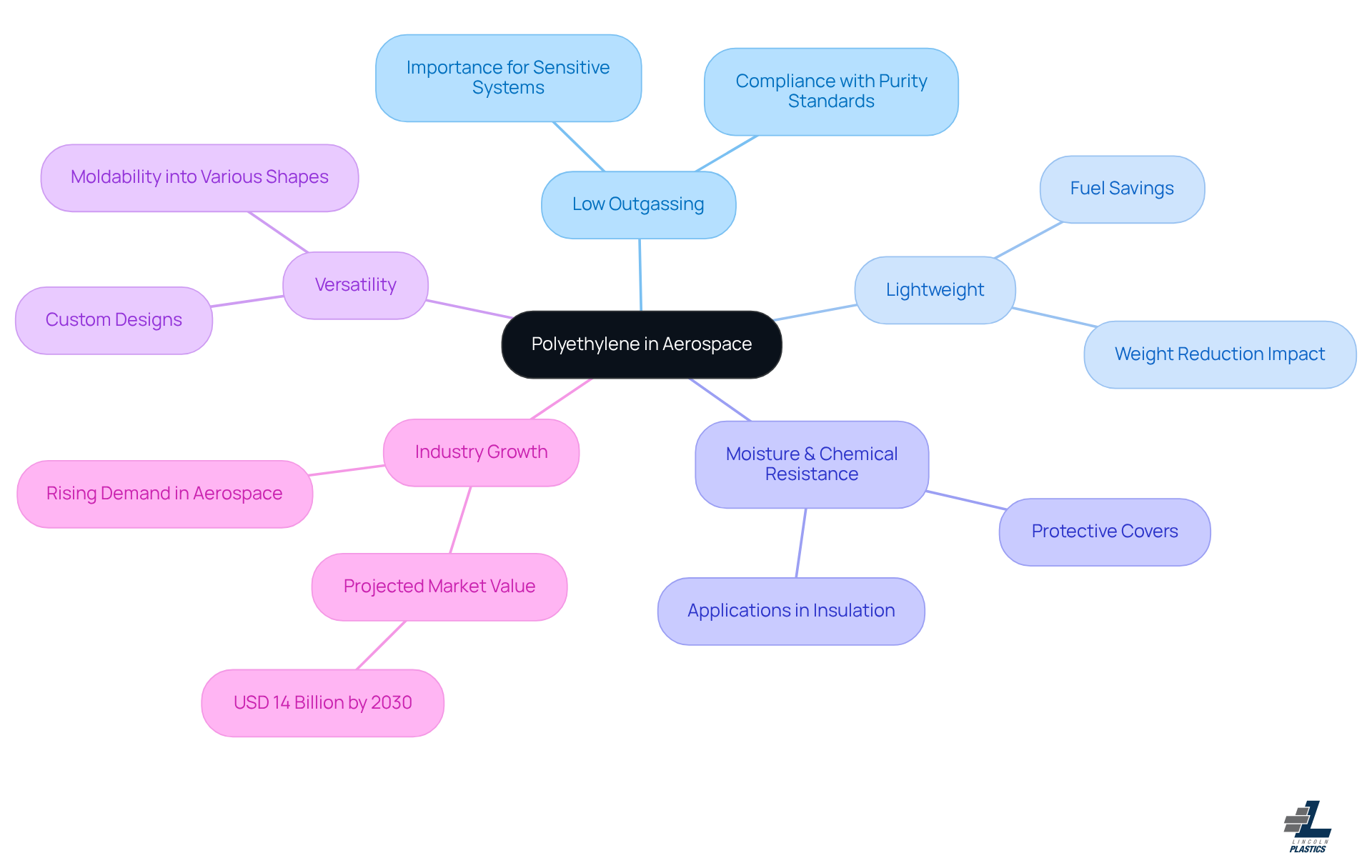
You know, when it comes to aviation, polyethylene really stands out. Its amazing properties make it a top pick for aircraft. Plus, it’s lightweight, which is super important for cutting down on overall weight. Did you know that just dropping an aircraft's weight by 1% can lead to significant fuel savings? That’s why low outgassing materials are so crucial in the industry.
But wait, there’s more! Its chemical resistance makes it perfect for various aircraft parts, like insulation and protective covers. Its versatility means it can be molded into all sorts of shapes, giving manufacturers the flexibility they need for innovative designs.
Aerospace engineers have pointed out that using polyethylene in insulation not only improves thermal performance but also helps reduce maintenance costs. And let’s be honest, keeping sensitive aircraft systems intact is a big deal! Overall, polyethylene is a reliable choice due to its strength, lightweight nature, and the benefits of low outgassing plastics.
Looking ahead, the plastics sector for aviation is projected to hit USD 14 billion by 2030. That really highlights how important materials like polyethylene are becoming in this field!
Polypropylene: Versatile Low Outgassing Solution for Aerospace Needs
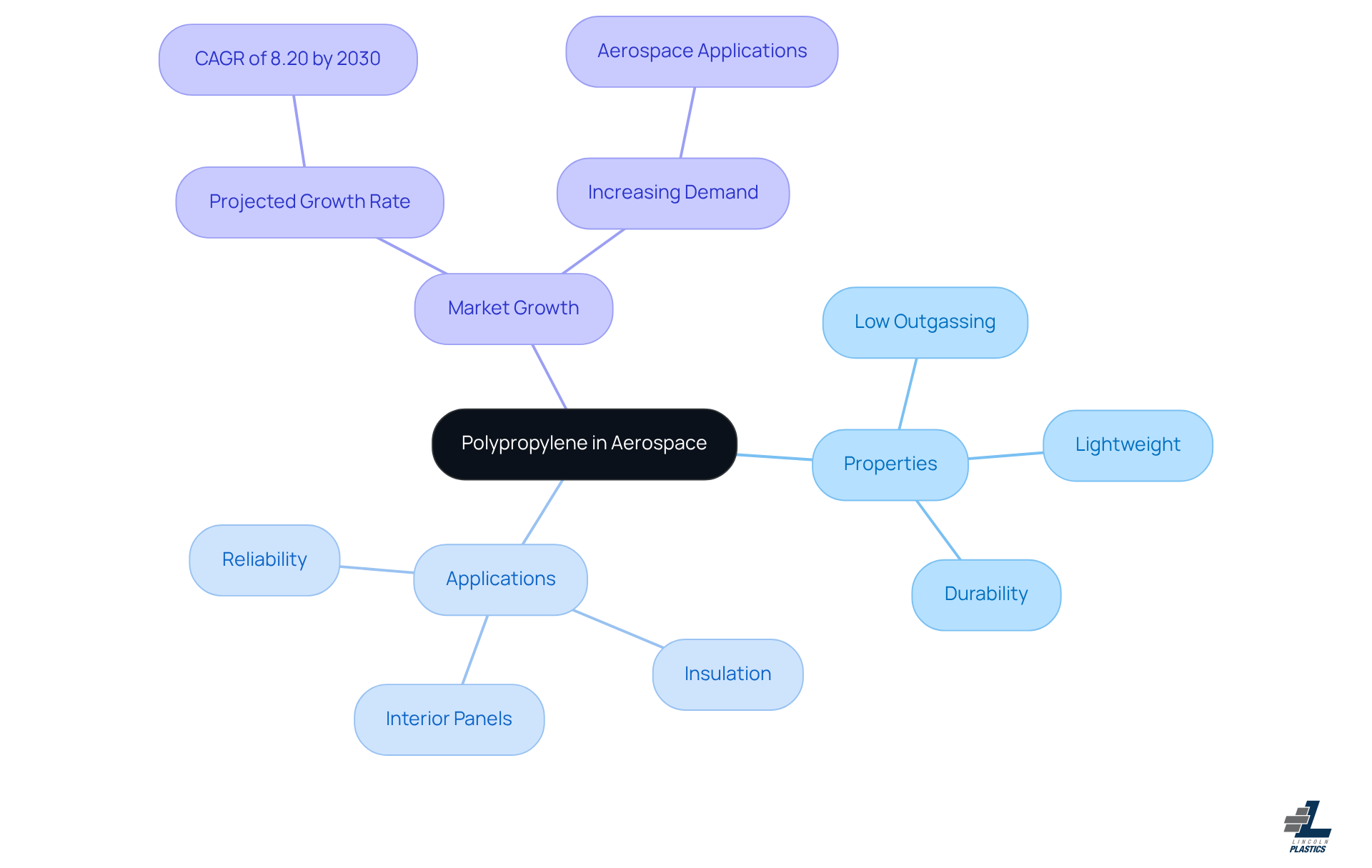
Polypropylene is a flexible thermoplastic that really stands out, particularly due to its low outgassing properties. This is super important in aviation! Its durability makes it perfect for creating components that can handle the tough conditions of flight. You’ll often find it in applications like interior panels and insulation, helping to meet standards that are becoming more and more crucial as the industry shifts toward more efficient and sustainable options.
Now, let’s talk about reliability. Polypropylene has excellent mechanical properties, which boosts the reliability of components in challenging environments. That’s why it’s a go-to choice for many aircraft manufacturers. Industry experts are really emphasizing the importance of low outgassing materials, such as polypropylene. They play a key role in keeping emissions low while also improving performance and efficiency.
With the aviation sector's growing demand for lightweight materials, polypropylene is becoming increasingly popular. Forecasts are looking bright, suggesting strong market growth ahead. It’s clear that polypropylene is carving out a significant place in a variety of applications!
PVC: Durable and Low Outgassing Plastic for Aerospace Components
Have you ever thought about what makes certain materials stand out in the aviation industry? Well, PVC is one of those materials that really shines. Its durability and chemical properties make it a fantastic choice for various aircraft components. Imagine being in a harsh environment where reliability is key - and mechanical strength ensure it thrives in those conditions.
Now, let’s talk about how PVC is commonly used. You’ll find it in tubing and protective coverings, and its versatility plays a huge role in boosting overall aircraft efficiency. This means better fuel savings and improved performance - who wouldn’t want that? Plus, it’s lightweight. It’s easy to shape and extrude, allowing for custom applications.
Industry leaders are definitely on board with PVC. They recognize how it helps enhance safety, especially in demanding situations. As the aviation world keeps evolving, we can expect to see more PVC used in components like wiring harnesses and insulation products. This shift is driven by the growing demand for reliable materials. So, next time you think about aircraft efficiency, remember the role of PVC - it’s making a difference!

Fluoropolymers: High-Performance Low Outgassing Plastics for Aerospace
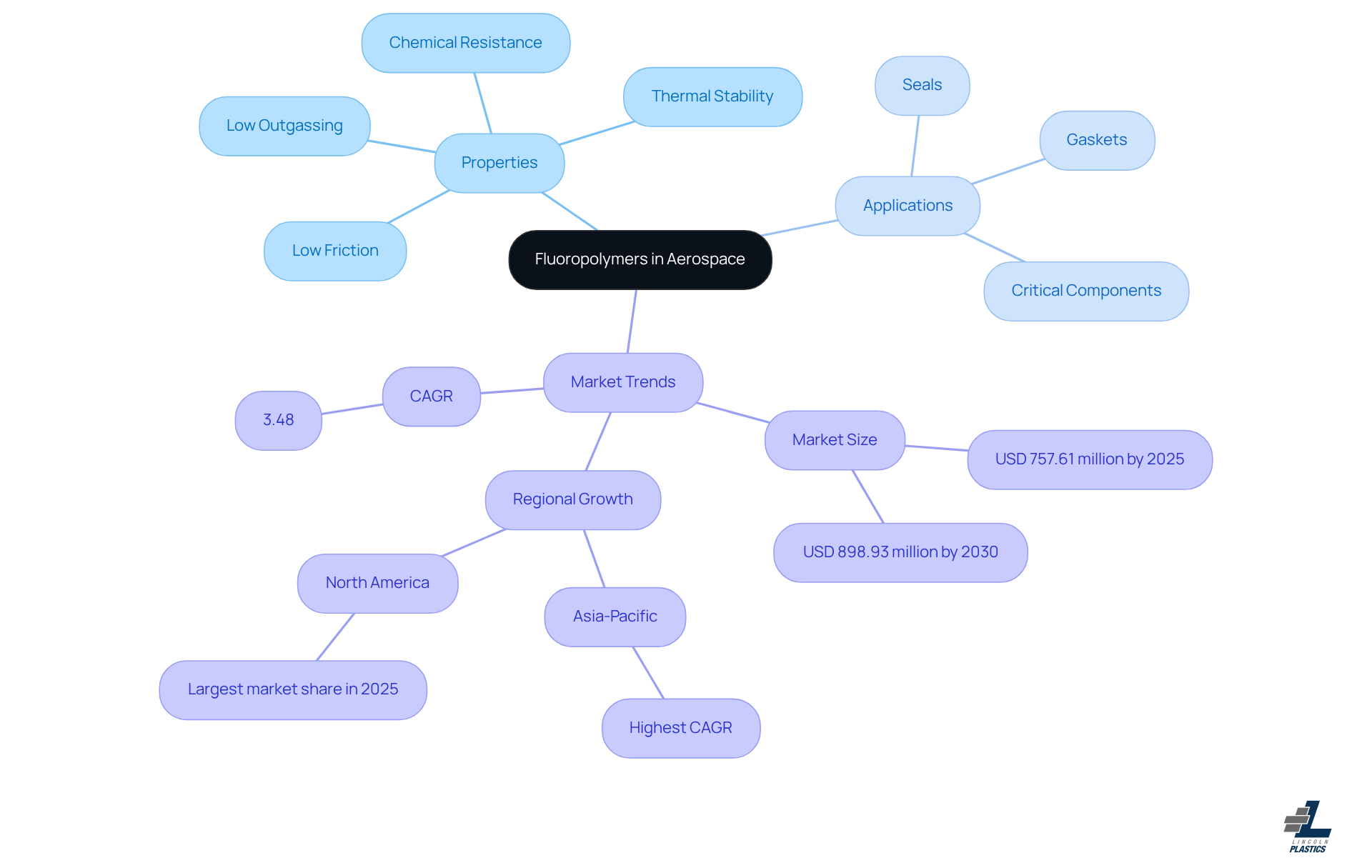
Fluoropolymers, especially PTFE and PEEK, are pretty amazing when it comes to low outgassing performance. Why? Well, it’s mainly because they are made of unique polymer structures, which is super important in vacuum environments where contamination needs to be kept in check.
Now, let’s talk about what makes PTFE and PEEK stand out. Not only do they show incredible chemical resistance, but they also have low friction properties. This makes them perfect for seals, gaskets, and other aerospace components. Plus, they’re lightweight and can handle extreme temperatures, which really boosts their usefulness in aviation engineering. This means more reliability and safety during flights!
Looking ahead, the global market for fluoropolymers is projected to hit USD 757.61 million by 2025, growing at a CAGR of 3.48% to reach USD 898.93 million by 2030. PTFE and PEEK are expected to grab a significant share of this market for aviation components.
And here’s something interesting: the Asia-Pacific region is set to grow at the highest CAGR during this forecast period (2025-2030). This reflects the ongoing trend towards advanced materials, particularly fluoropolymers, that meet the tough demands of the industry. So, if you’re in the aviation field, keep an eye on these materials - they’re definitely worth your attention!
Acrylic: Lightweight and Low Outgassing Plastic for Aerospace Use
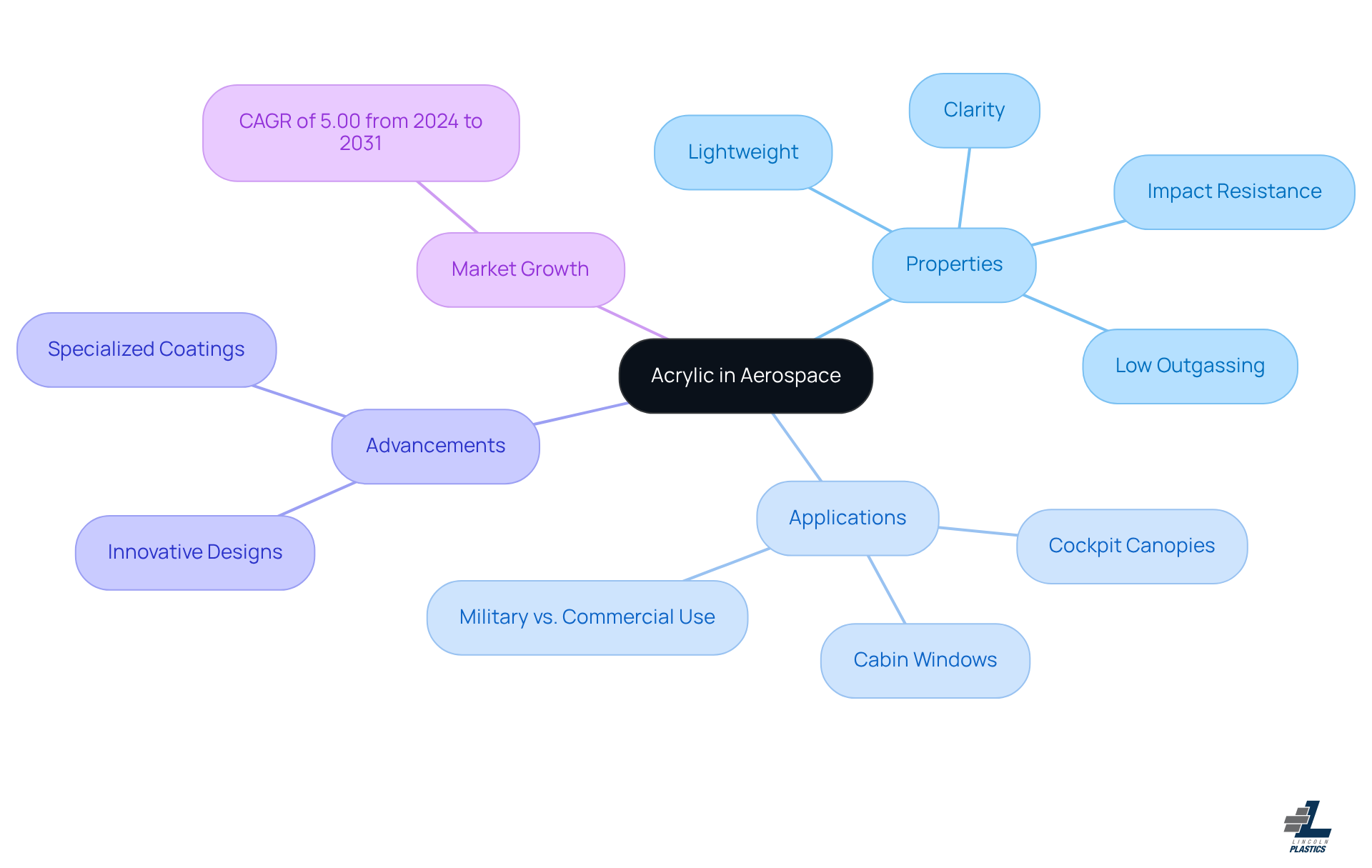
Acrylic really stands out as a material that’s loved for its clarity and is categorized among low outgassing plastics. This makes it a fantastic choice for aviation, especially when it comes to cockpit windows. You know how important visibility is for pilots and crew during flight operations? Well, acrylic’s transparency plays a crucial role in keeping everyone safe while ensuring they can see clearly.
Now, let’s talk about versatility. Acrylic can be molded into all sorts of shapes, which opens the door to innovative designs that can really enhance aircraft interiors. Plus, it’s lightweight, which means it holds up well in external applications. This durability ultimately boosts the efficiency and safety of aircraft.
You might be wondering about the latest advancements. Recent tech developments in acrylic have led to new formulations, like UV-resistant options, that ramp up its performance. This makes it even more suitable for those challenging aviation environments. Designers in the aviation sector have noticed that acrylic not only meets strict safety standards but also adds a touch of style, allowing for sleek and modern cockpit designs.
When we look at practical uses, acrylic shines in both commercial and military aircraft. It’s not just about functionality; it brings style to the table, solidifying its place as a favorite material in the aviation industry. And here’s something interesting: market analysis shows that the demand for acrylic is on the rise. This really highlights the increasing demand for lightweight materials in aircraft design.
Polycarbonate: Strong and Low Outgassing Plastic for Aerospace Applications
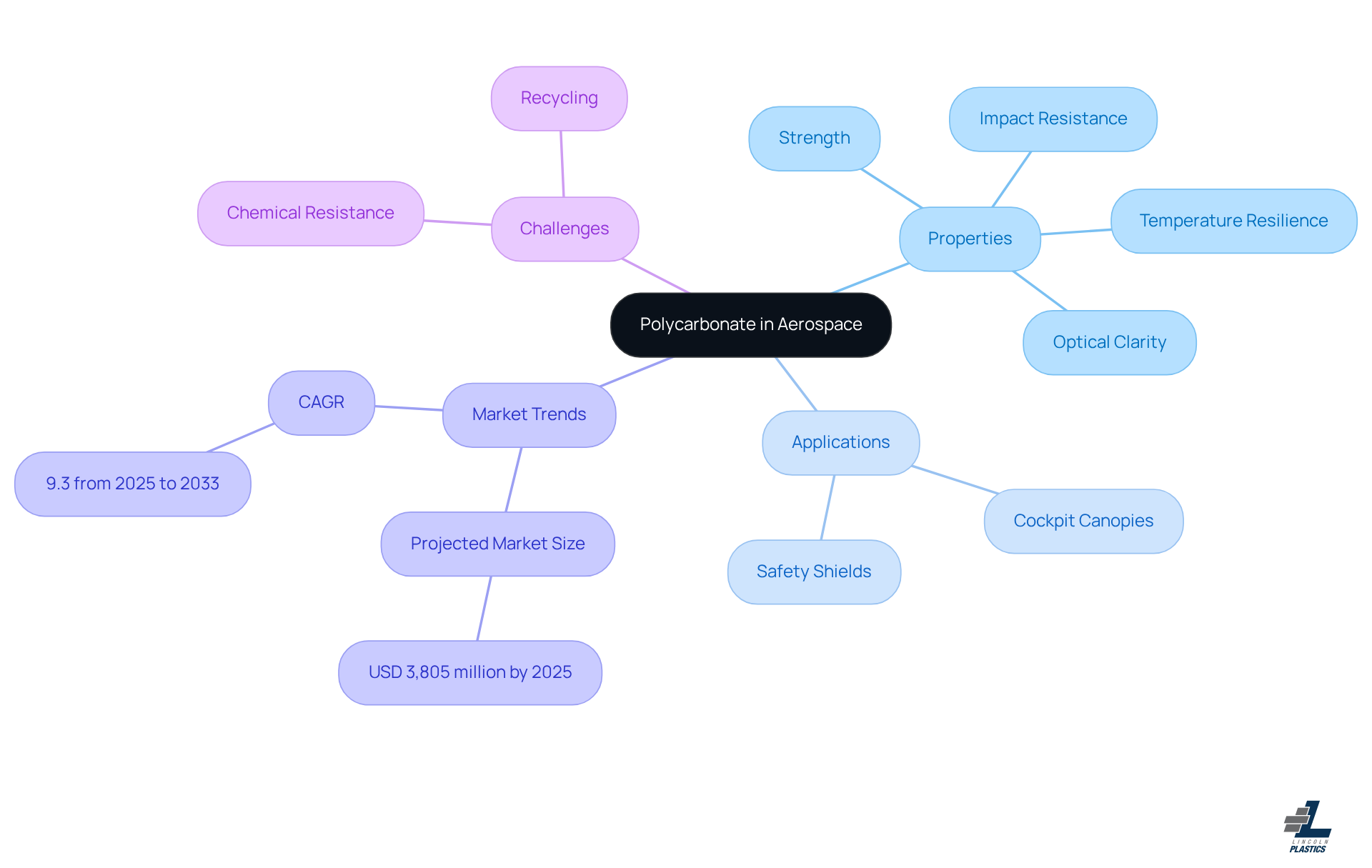
Polycarbonate is quite the standout when it comes to high-performance plastics! It's known for its durability, making it a top pick for aviation applications. Just think about it: its amazing properties allow it to be used in crucial components like cockpit canopies and safety shields.
Now, you might be wondering how it holds up in tough conditions. Well, it performs well against extreme temperatures and harsh environments, ensuring reliability. Plus, its superior optical clarity really boosts visibility for pilots, which is a big win for overall safety.
Aviation engineers have pointed out that polycarbonate not only meets those strict safety standards but also helps maintain the structural integrity of cockpit designs. This means pilots can operate with confidence, no matter the conditions.
And here’s something interesting: the market is projected to hit USD 3,805 million by 2025, with a CAGR of about 9.3% from 2025 to 2033. That really shows how important this material is becoming in the industry!
However, it’s not all smooth sailing. There are still challenges to tackle, like chemical resistance and performance factors to consider for its use in aviation.
Nylon: Strong and Low Outgassing Plastic for Aerospace Components
Have you ever thought about what makes materials like nylon so special in aviation? Well, let me tell you! Nylon is not just any thermoplastic; it’s robust and super adaptable. One of its standout features is that it is made of fibers, making it perfect for various applications in the aviation world.
Imagine flying high in the sky. You need durability up there, right? That’s where nylon shines! Its strength means it can take a beating and still perform well. You’ll find nylon in all sorts of components. Plus, being lightweight helps boost fuel efficiency, which is a big win for everyone.
But wait, there’s more! Nylon is also resistant to wear, which means it lasts longer and stays reliable in those essential aviation environments. So, next time you think about the materials used in aerospace, remember nylon and all the great things it brings to the table!

Thermoplastic Elastomers: Flexible and Low Outgassing Solutions for Aerospace
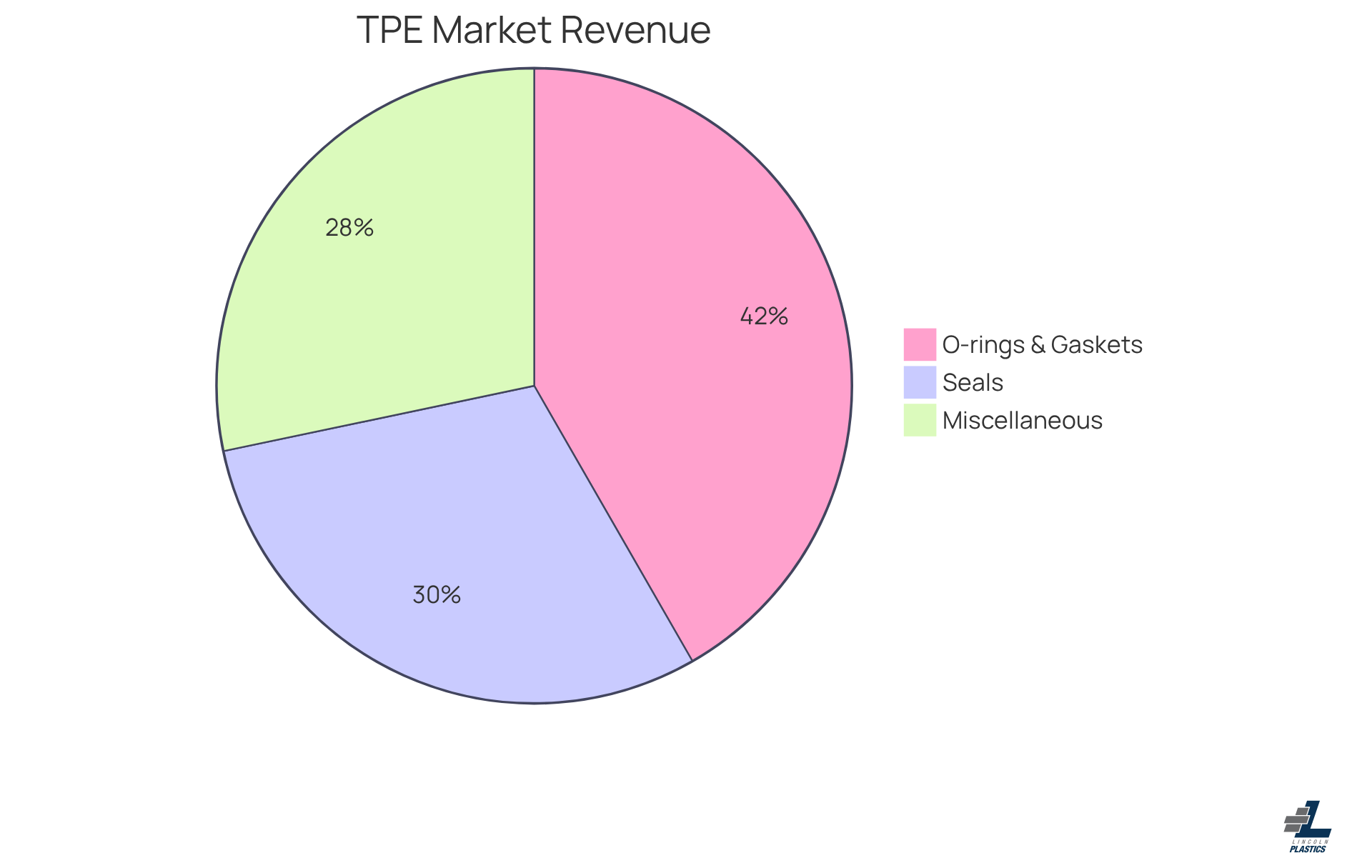
Thermoplastic elastomers (TPEs) are pretty amazing materials! They blend the best features of rubber and plastic, making them ideal for all sorts of aviation applications. One of their standout traits is their low outgassing properties, which are super important for keeping sensitive areas, like fuel systems and electronic compartments, clean and tidy. You’ll find TPEs used a lot in seals, where their properties help create effective seals against air and fluid leaks. This is crucial for ensuring safety. In fact, the O-rings and gaskets segment made up 41.7% of market revenue in 2024, showing just how vital these components are for airtight and fluid-tight sealing in aircraft design.
Now, let’s talk about what’s trending in 2025! There’s a growing preference for TPEs in aerospace components, mainly because they’re lightweight. This contributes to overall weight reduction in aircraft, which boosts fuel efficiency and operational effectiveness. Aerospace engineers have noticed that TPEs’ flexibility makes it easier to integrate them into complex designs. This means manufacturers can create components that withstand extreme conditions while still performing well. It’s exciting to see that the seals segment is expected to grow at a CAGR of 23.1% from 2025 to 2032, reflecting the rising demand for TPEs in these areas.
But wait, there’s more! The increasing demand for TPEs in aircraft exteriors is pushing the limits of TPE applications. As the aviation sector continues to evolve, the focus on advanced materials, such as TPEs, is expected to grow, especially in environments where managing contamination is key. This trend not only helps with regulatory compliance but also aligns with the industry’s shift toward sustainable and high-performance materials. So, isn’t it fascinating how TPEs are shaping the future of aviation?
Silicone: High-Temperature Resistant and Low Outgassing Plastic for Aerospace
Silicone is quite the superstar in the world of elastomers! Known for its impressive low gas release, it’s a must-have in aviation. Just think about it: RTV560 can handle temperatures from -115°C to 260°C, while RTV567 goes from -115°C to 205°C. And if things heat up a bit, it can even withstand short bursts up to 316°C! This reliability makes silicone perfect for use in engines and other high-heat areas. Plus, its flexibility and durability open the door to all sorts of applications, like insulation and protective coatings.
Now, let’s discuss why silicones are such a big deal in aviation. Silicone really shines here, as it is a type of elastomer that reduces the emission of volatile compounds and keeps sensitive systems intact. For instance, Momentive's RTV560 and RTV567 silicones are used in crew capsules and satellites. They really boost performance in space! These products, which are high-performance materials, meet or even exceed ASTM E595 testing standards set by NASA and the European Space Agency, making them suitable for the toughest environments.
When it comes to life-support systems, silicone plays a vital role in spacecraft. It provides critical components, which are crucial for life-support technologies. As Premysl Janik, a chemist and process engineer at the European Space Agency, puts it, "Silicones are materials with currently no suitable substitutes for many of them." And the best part? Advancements in silicone technology keep improving its durability and flexibility, even in extreme conditions. This solidifies its status as a key material in aerospace innovation.
So, next time you think about aviation materials, remember the incredible role silicone plays. It’s not just a material; it’s a game-changer!

Conclusion
Exploring low outgassing plastics in aerospace is pretty fascinating, right? These materials play a crucial role in boosting safety, performance, and efficiency in the industry. With their minimal emissions of volatile compounds, they’re essential for meeting the strict demands of aviation environments. After all, even the tiniest contaminants can lead to big problems.
Throughout this discussion, we’ve highlighted various plastics like:
- Polyethylene
- Polypropylene
- PVC
- Fluoropolymers
- Acrylic
- Polycarbonate
- Nylon
- Thermoplastic elastomers
- Silicone
Each of these materials has its own unique perks. For instance, polyethylene is lightweight, while silicone can handle high temperatures. Choosing the right material can really make a difference in fuel efficiency, durability, and overall aircraft performance.
As the aerospace sector keeps evolving, the need for low outgassing plastics is only going to grow. This shift is driven by trends toward sustainability and innovation. So, manufacturers and engineers, it’s time to take these materials seriously in your designs and operations. By focusing on low outgassing solutions, we can enhance safety and reliability while paving the way for a more efficient future in aviation.
So, what do you think? Are you ready to embrace these materials and make a positive impact in the industry?
Frequently Asked Questions
What is Lincoln Plastics known for in the aviation sector?
Lincoln Plastics specializes in custom profile extrusion, offering specialized solutions tailored for aviation, particularly focusing on low outgassing plastics that meet the stringent standards of the industry.
What quality certifications does Lincoln Plastics have?
Lincoln Plastics is ISO 9001 certified, indicating their commitment to high-quality manufacturing processes, making them a trusted partner for OEMs in the aviation industry.
What types of products does Lincoln Plastics manufacture?
Lincoln Plastics manufactures a diverse range of extrusion molded items, including pipes, tubes, and specialized profiles designed to address the specific challenges faced by manufacturers in the aviation sector.
What materials does Lincoln Plastics use for flexible profiles?
Lincoln Plastics crafts flexible profiles using materials such as polyethylene, rigid PVC, and flexible PVC, showcasing their ability to customize solutions based on client needs.
Why is polyethylene considered a reliable material for aerospace applications?
Polyethylene is valued for its low outgassing properties, lightweight nature, moisture and chemical resistance, and versatility in being molded into various shapes, making it suitable for aircraft parts like insulation and protective covers.
How does polyethylene contribute to fuel savings in aviation?
Reducing an aircraft's weight by just 1% can lead to significant fuel savings, making lightweight materials like polyethylene crucial in the aviation industry.
What benefits does polyethylene provide in insulation applications?
Using polyethylene in insulation enhances thermal performance and helps reduce contamination risks, which is critical for maintaining the integrity of sensitive aircraft systems.
What is the projected market growth for plastics in aviation?
The plastics sector for aviation is projected to reach USD 14 billion by 2030, highlighting the increasing importance of materials like polyethylene.
What are the key features of polypropylene as a material for aerospace needs?
Polypropylene is a flexible thermoplastic known for its low outgassing properties, lightweight and durable nature, making it ideal for non-structural parts like interior panels and insulation.
How does polypropylene contribute to cabin air quality in aircraft?
Polypropylene's low outgassing properties help maintain high cabin air quality while improving the performance and efficiency of aircraft components.
What is the future outlook for polypropylene in the aviation sector?
The demand for lightweight materials like polypropylene is growing, and forecasts suggest strong market growth ahead, indicating its increasing popularity in various aviation applications.
List of Sources
- Lincoln Plastics: Custom Profile Extrusions for Aerospace Applications
- bdcustommfg.com (https://bdcustommfg.com/industries-served/custom-plastic-extrusions-for-aerospace)
- archivemarketresearch.com (https://archivemarketresearch.com/reports/aerospace-aluminum-extrusions-76130)
- stratviewresearch.com (https://stratviewresearch.com/3867/aircraft-extrusion-market.html?srsltid=AfmBOooMSBkD1p7o_RwYHMMnks-Pfc2ZQXeRjjWVerETSiO53YV8bOlf)
- sspinc.com (https://sspinc.com/dont-let-silicone-outgassing-ground-your-growth)
- canyoncomponents.com (https://canyoncomponents.com/post/permeation-and-outgassing-in-seals-designing-for-vacuum-high-purity-gases-and-solvents)
- Polyethylene: A Reliable Low Outgassing Plastic for Aerospace
- plasticsengineering.org (https://plasticsengineering.org/2025/09/aerospace-plastics-market-lighter-stronger-and-poised-for-takeoff-009754)
- polarismarketresearch.com (https://polarismarketresearch.com/industry-analysis/polyethylene-market)
- researchnester.com (https://researchnester.com/reports/polyethylene-market/439)
- ensingerplastics.com (https://ensingerplastics.com/en-us/plastic-material-selection/low-outgassing)
- marksparksolutions.com (https://marksparksolutions.com/reports/polyethylene-market)
- Polypropylene: Versatile Low Outgassing Solution for Aerospace Needs
- fortunebusinessinsights.com (https://fortunebusinessinsights.com/industry-reports/polypropylene-pp-market-101583)
- datainsightsmarket.com (https://datainsightsmarket.com/reports/aerospace-grade-polypropylene-1821113)
- databridgemarketresearch.com (https://databridgemarketresearch.com/reports/global-polypropylene-and-polypropylene-composites-market?srsltid=AfmBOoolYmCEScES8kp319XI342BasurB8vfPUGe_YInLm2OCEfSE7Wl)
- openpr.com (https://openpr.com/news/4119499/polypropylene-honeycomb-market-to-surge-from-usd-19-0-billion)
- packagingeurope.com (https://packagingeurope.com/news/pegasus-materials-debuts-bio-based-materials-for-electronics-aerospace-and-3d-printing/13659.article)
- PVC: Durable and Low Outgassing Plastic for Aerospace Components
- plasticsengineering.org (https://plasticsengineering.org/2025/09/aerospace-plastics-market-lighter-stronger-and-poised-for-takeoff-009754)
- fortunebusinessinsights.com (https://fortunebusinessinsights.com/polyvinyl-chloride-pvc-market-109398)
- verifiedmarketresearch.com (https://verifiedmarketresearch.com/product/polyvinyl-chloride-pvc-market)
- marketdataforecast.com (https://marketdataforecast.com/market-reports/polyvinyl-chloride-market)
- Fluoropolymers: High-Performance Low Outgassing Plastics for Aerospace
- fluoropolymerpartnership.com (https://fluoropolymerpartnership.com/news)
- mordorintelligence.com (https://mordorintelligence.com/industry-reports/aerospace-fluoropolymers-market)
- datainsightsmarket.com (https://datainsightsmarket.com/reports/aerospace-fluoropolymers-market-17876)
- teflon.com (https://teflon.com/en/industries-and-solutions/industries/aerospace)
- dalau.com (https://dalau.com/company/blog/recent-advances-in-the-fluoropolymer-industry)
- Acrylic: Lightweight and Low Outgassing Plastic for Aerospace Use
- cognitivemarketresearch.com (https://cognitivemarketresearch.com/aerospace-grade-acrylic-market-report)
- dataintelo.com (https://dataintelo.com/report/aircraft-canopy-market)
- cognitivemarketresearch.com (https://cognitivemarketresearch.com/regional-analysis/north-america-aerospace-grade-acrylic-market-report)
- openpr.com (https://openpr.com/news/4222321/global-aerospace-grade-acrylic-market-to-grow-at-a-cagr-of-5-8)
- linkedin.com (https://linkedin.com/pulse/north-america-aerospace-grade-acrylic-market-0ophf)
- Polycarbonate: Strong and Low Outgassing Plastic for Aerospace Applications
- verifiedmarketreports.com (https://verifiedmarketreports.com/product/aerospace-grade-polycarbonate-market)
- archivemarketresearch.com (https://archivemarketresearch.com/reports/aerospace-grade-polycarbonate-67589)
- 3printr.com (https://3printr.com/prusament-launches-esd-safe-polycarbonate-for-aerospace-applications-2783909)
- marketsizeandtrends.com (https://marketsizeandtrends.com/report/polycarbonate-for-aircarft-market)
- ptsmake.com (https://ptsmake.com/what-is-polycarbonate-pc)
- Nylon: Strong and Low Outgassing Plastic for Aerospace Components
- additivemanufacturing.media (https://additivemanufacturing.media/news/horizon-passes-outgassing-test-establishing-space-qualification-of-micro-am-polymer-metalization)
- precedenceresearch.com (https://precedenceresearch.com/nylon-6-market)
- factmr.com (https://factmr.com/report/4598/nylon-market)
- futuremarketinsights.com (https://futuremarketinsights.com/reports/nylon-6-and-nylon-66-market)
- fortunebusinessinsights.com (https://fortunebusinessinsights.com/nylon-market-102007)
- Thermoplastic Elastomers: Flexible and Low Outgassing Solutions for Aerospace
- prnewswire.com (https://prnewswire.com/news-releases/thermoplastic-elastomers-market-size-projected-to-hit-40-9-billion-globally-by-2030--exclusive-study-by-the-research-insights-302485138.html)
- databridgemarketresearch.com (https://databridgemarketresearch.com/reports/global-aerospace-and-defense-elastomers-market?srsltid=AfmBOoqf1wJ8vDDotUG2nMo_gGc-KzONYa4aPS1qLBXsQ6qhLVDmeNV0)
- marketsandmarkets.com (https://marketsandmarkets.com/Market-Reports/thermoplastic-elastomers-market-1012.html)
- lifestyle.ghlifemagazine.com (https://lifestyle.ghlifemagazine.com/story/52593/aerospace-materials-market-2025-2030-key-trends-opportunities-and-growth-factors-in-new-report)
- finance.yahoo.com (https://finance.yahoo.com/news/thermoplastic-elastomers-tpe-market-expected-140000736.html)
- Silicone: High-Temperature Resistant and Low Outgassing Plastic for Aerospace
- silicone.co.uk (https://silicone.co.uk/news/silicone-engineering-returns-to-k-show-2025-new-innovations-await)
- momentive.com (https://momentive.com/en-us/industry/aerospace-aviation-defense/aerospace/low-outgassing-silicones)
- elastapro.com (https://elastapro.com/low-outgassing-silicone)
- konarksilicones.com (https://konarksilicones.com/specialty-silicone)
- silicones.eu (https://silicones.eu/silicones-in-space-an-interview-with-the-european-space-agency)
Related posts

Why Custom Pipe Extrusion Matters More Than Ever
Standard pipe sizes don’t always work. Learn how Lincoln Plastics delivers custom diameters, wall thicknesses, and finishes in right-sized runs.


Reducing Trip Hazards with Custom Cord Management
Loose cords are more than messy — they’re a safety hazard. Lincoln Plastics’ custom cord covers and Flexiduct solutions improve safety and efficiency.
The Power of Custom Plastic Profiles for OEMs
Off-the-shelf profiles force compromises. Learn how Lincoln Plastics designs custom extruded profiles for OEMs with exact specs and right-sized runs.
