
10 Essential PP Plastic Uses for OEM Purchasing Managers
Introduction
Polypropylene is quickly becoming a key player in various industries, changing the game for everything from car parts to medical devices. Its versatility and durability make it a go-to choice for OEM purchasing managers who are on the lookout for innovative solutions that boost efficiency and sustainability. But with the rising demand for customized applications, how can these managers tackle the complexities of polypropylene's many uses while keeping up with ever-changing industry standards?
In this article, we’ll explore ten essential applications of polypropylene. We’ll highlight its benefits and the challenges it brings, ultimately guiding purchasing managers toward making informed decisions in their sourcing strategies. So, let’s dive in!
Lincoln Plastics: Custom Polypropylene Solutions for Diverse Applications
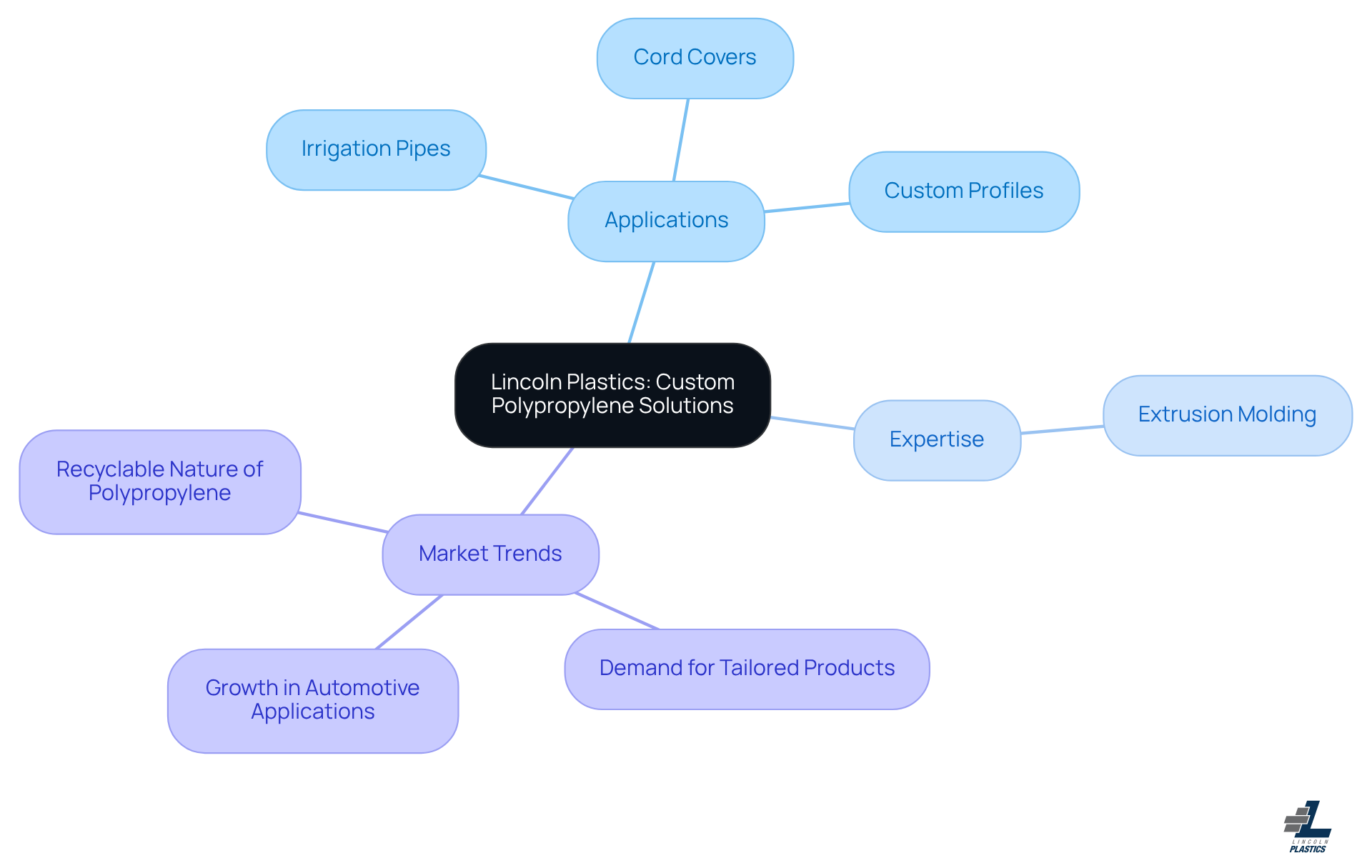
Have you ever faced challenges finding the right solution? Well, Lincoln Plastics is here to help! They specialize in custom polypropylene products that demonstrate numerous benefits across a wide range of applications. By focusing on quality and precision, they create products like irrigation pipes, cord covers, and various components.
What sets Lincoln Plastics apart is their commitment to innovation. This means they can tackle the unique requirements of OEMs, ensuring that every product is engineered for top-notch performance in its intended application. This commitment to customization not only helps clients but also strengthens Lincoln Plastics' reputation as a leader that focuses on quality.
As the market keeps evolving, the demand for polypropylene products is increasing. Industry leaders are recognizing how crucial these products are for enhancing productivity and meeting regulatory standards. So, if you’re looking for reliable plastic solutions, why not reach out to Lincoln Plastics? They’re ready to help you tackle your challenges!
Polypropylene in Packaging: Versatile Solutions for Safe and Efficient Storage
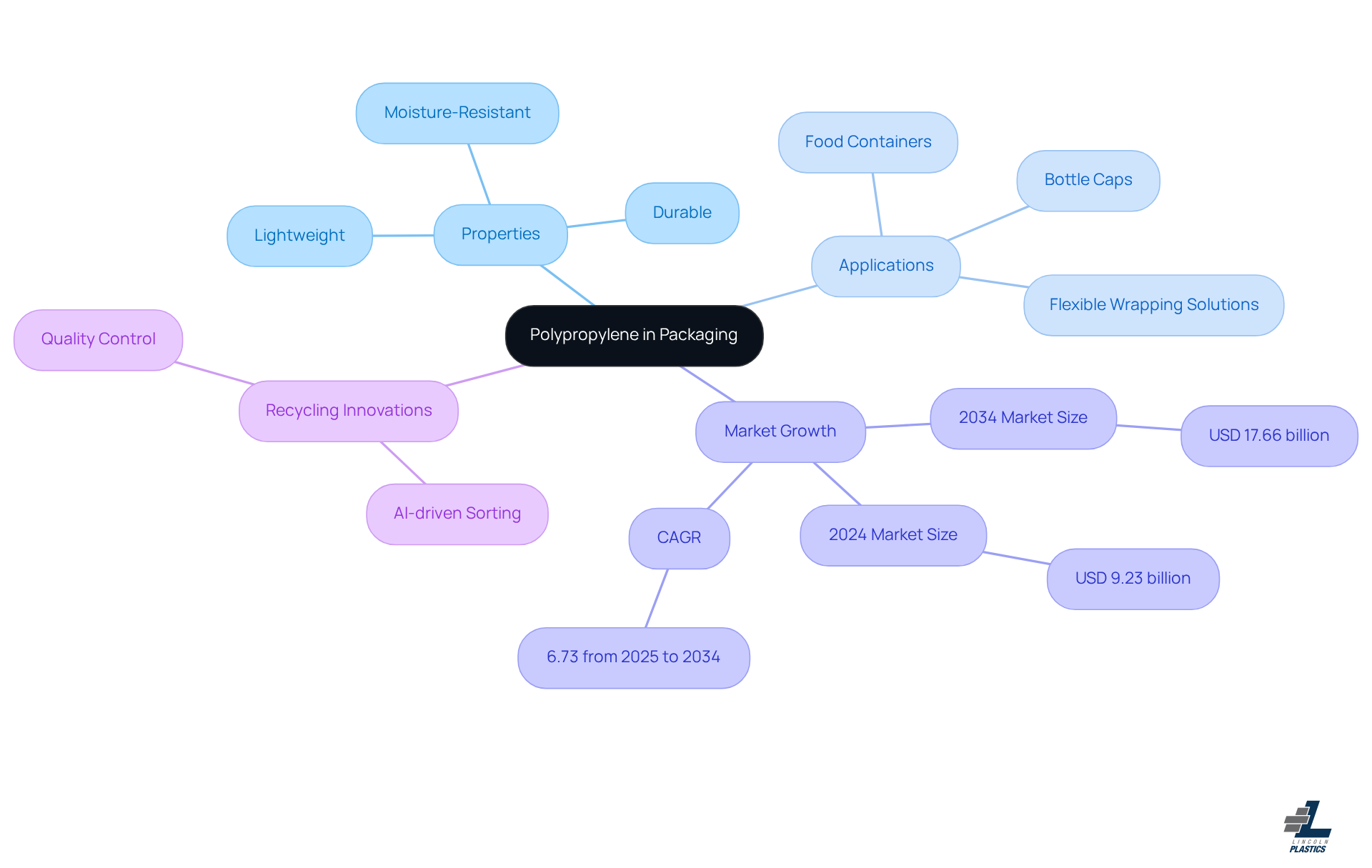
Polypropylene is a key player in the wrapping world, known for being lightweight, durable, and moisture-resistant. It’s super versatile, making it perfect for all sorts of applications, such as:
- Food containers
- Bottle caps
- Flexible wrapping solutions
Plus, its ability to withstand different environmental conditions means your products stay safe during storage and transport, which is a big win for manufacturers.
Now, let’s talk about the market. It’s booming! We’re looking at a jump from USD 9.23 billion in 2024 to around USD 17.66 billion by 2034, with a compound annual growth rate (CAGR) of 6.73% from 2025 to 2034, according to Towards Packaging. What’s driving this growth? Rising consumer demand for sustainable packaging! The material showcases its versatility, fitting right in with companies’ sustainability goals. Key players in the industry are teaming up to boost recycling infrastructure, creating closed-loop systems that really help the environment.
And here’s something exciting: innovations, like AI-driven sorting and quality control, are set to significantly improve recycling in containers. These innovations not only improve the purity of recycled materials but also make them suitable for high-performance applications, including food-grade packaging. But, there are still some hurdles to overcome, like contamination from food, labels, or other substances, which can complicate recycling. As companies work hard to meet strict environmental regulations and consumer expectations, polypropylene shines as a reliable and sustainable choice, ensuring product safety while being kind to the planet.
Medical Applications of Polypropylene: Ensuring Safety and Sterility in Healthcare
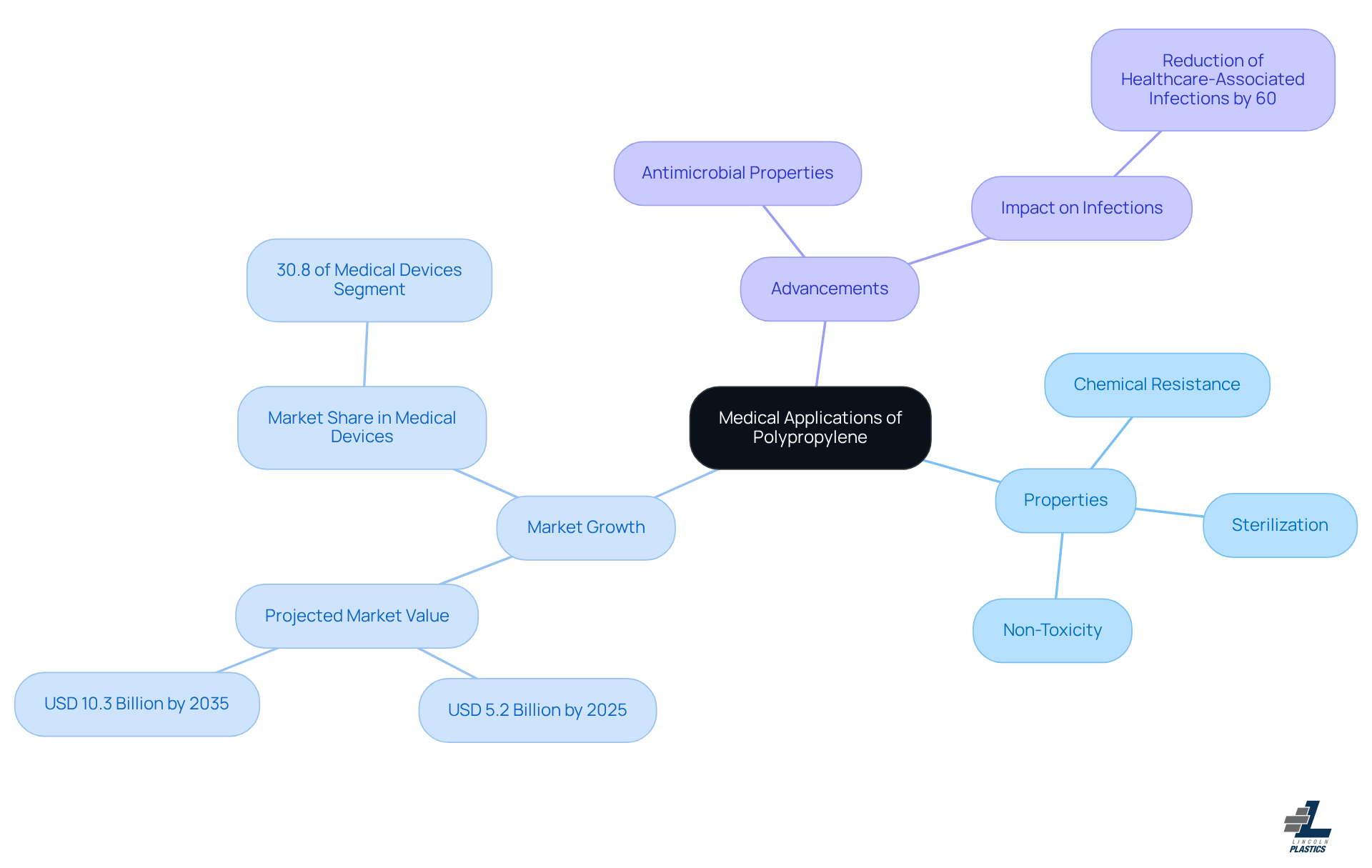
Polypropylene is a key player in the medical field, and it’s easy to see why! This material is known for its amazing versatility. You’ll find it in a variety of applications, ranging from syringes to medical devices and even surgical instruments. Plus, it’s non-toxic and meets FDA regulations, making it safe for direct contact with patients.
Now, here’s something interesting: the market for polypropylene is projected to hit USD 5.2 billion by 2025! That’s a big deal, especially since it’s expected to grab about 30.8% of the medical plastics segment. Its durability is a game-changer, ensuring that sterility is maintained during storage, which is crucial for keeping patients safe.
But wait, there’s more! Recent advancements in plastic formulations have introduced antimicrobial properties that can enhance safety. That’s pretty impressive, right? This solidifies polypropylene as an even better choice for applications in healthcare settings.
As the industry keeps evolving, we can expect even more innovations that will strengthen polypropylene’s role in meeting those strict standards for security and sterility. So, next time you think about medical materials, remember how vital polypropylene is!
Polypropylene in Automotive: Enhancing Performance with Lightweight Components
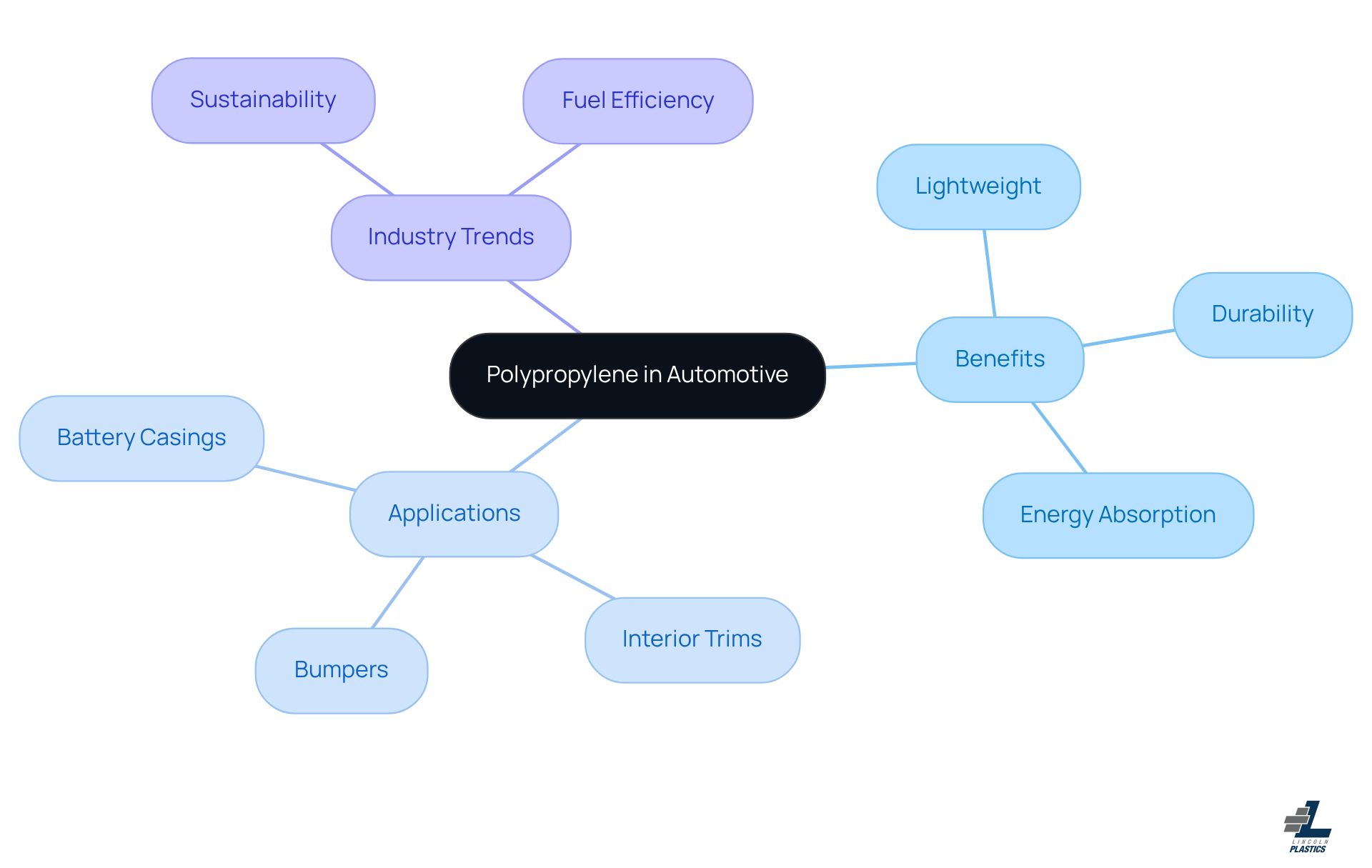
You know, polypropylene is really making waves in the automotive industry these days. Why? Well, it’s lightweight, which means it can seriously boost fuel efficiency and overall vehicle performance. You’ll find this versatile material in all sorts of important parts, like bumpers, interior trims, and even battery casings, which illustrates the versatility of polypropylene.
What’s really cool is its knack for absorbing impact. This not only helps keep passengers safe but also cuts down on weight-something that’s a big deal as car makers strive for more efficient designs. In fact, the shift towards lighter materials is expected to be key in hitting those fuel economy targets. And guess what? There’s a particular type of plastic that’s leading the charge because it balances cost, ease of processing, and great mechanical properties.
As the automotive industry keeps evolving, you can bet that the use of polypropylene in vehicle design will become increasingly common. It’s all about sustainability and performance these days, and that’s a conversation worth having!
Textiles and Fabrics: The Role of Polypropylene in Modern Clothing
Have you ever wondered why polypropylene is popping up everywhere in the textile industry? Well, it’s all about its versatility. You’ll find it in activewear, outdoor clothing, and even industrial fabrics. Its durability makes it a go-to choice for anything that might get a little wet.
Now, let’s talk about the fun part! This material can be dyed, which opens up a world of design possibilities. Imagine all the garments you can create! It’s no wonder that polypropylene is becoming increasingly popular. So, next time you’re shopping for clothes, keep an eye out for polypropylene - it’s more than just practical; it’s stylish too!
Consumer Goods: Everyday Applications of Polypropylene Plastic
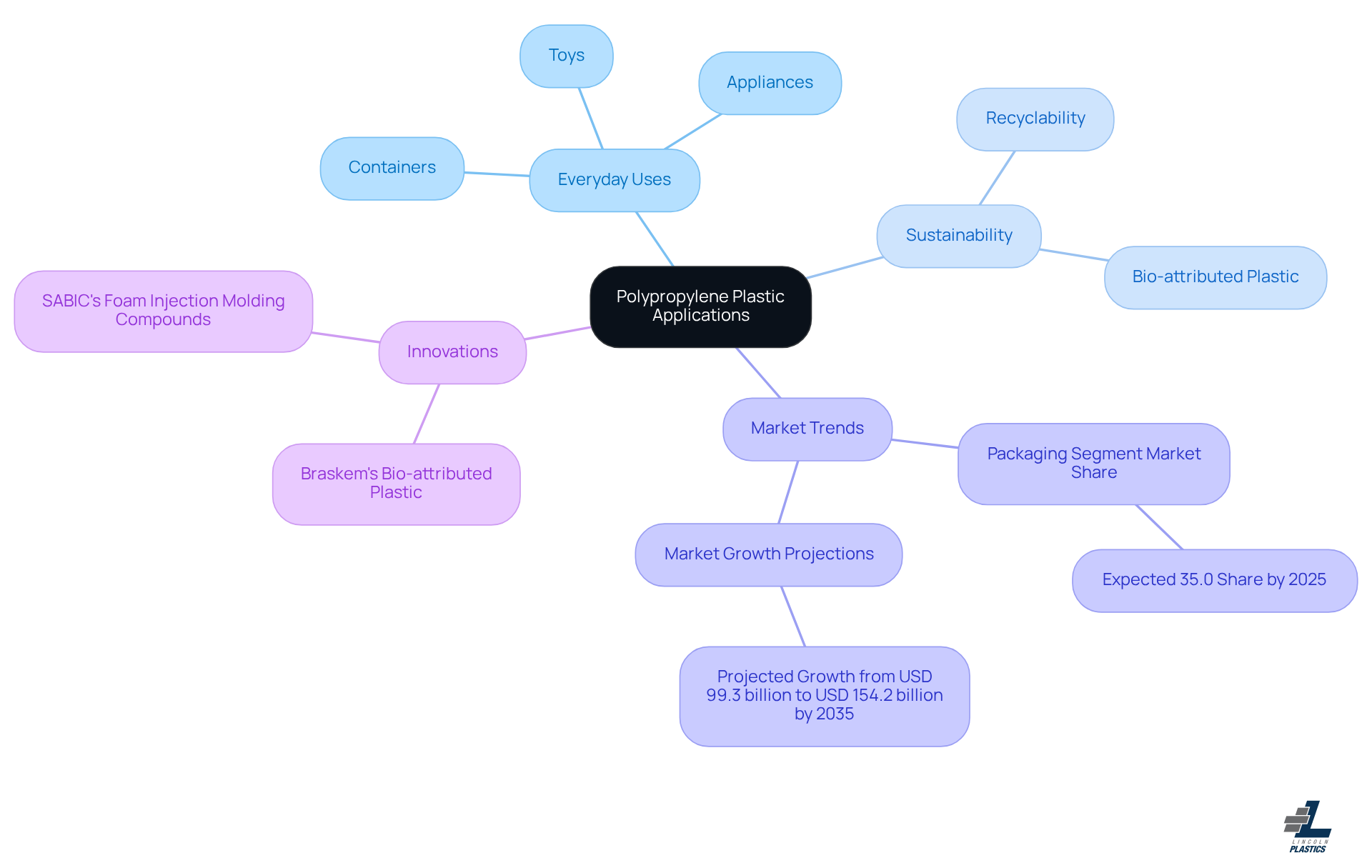
Have you ever thought about the materials that make up the everyday items in your home? Polypropylene is one of those unsung heroes, popping up in everything from containers to toys and household appliances. It’s lightweight and super durable, making it perfect for all sorts of applications, whether you’re looking for kitchenware or storage solutions. Plus, this type of plastic is resistant to chemicals and moisture, so you can count on it to hold up over time - definitely a reliable choice for daily use.
Now, let’s talk about sustainability. As more people lean towards eco-friendly options, the material really boosts its appeal. There are some exciting innovations happening in this space! For example, Braskem recently introduced bio-attributed plastic made from used cooking oil. This new material keeps all the great properties of polypropylene while also supporting green initiatives. How cool is that?
You might be wondering about real-life examples. Think about those sturdy storage bins that can take a beating or the cleaning supplies that are a breeze to clean. Designers appreciate polypropylene for its versatility and performance, often citing the many products that comply with strict safety and quality standards. According to Vishakha Agrawal, "The polymer market is expanding across different industry sectors, including medical, automotive, electrical, building & construction, and wrapping." With the growing trend towards sustainability, innovation is driving innovation and catering to eco-conscious shoppers. Did you know that the polypropylene market is expected to grab a 35.0% share of the plastic market by 2025? That really highlights its importance!
Polypropylene in Construction: Building Stronger and More Resilient Structures
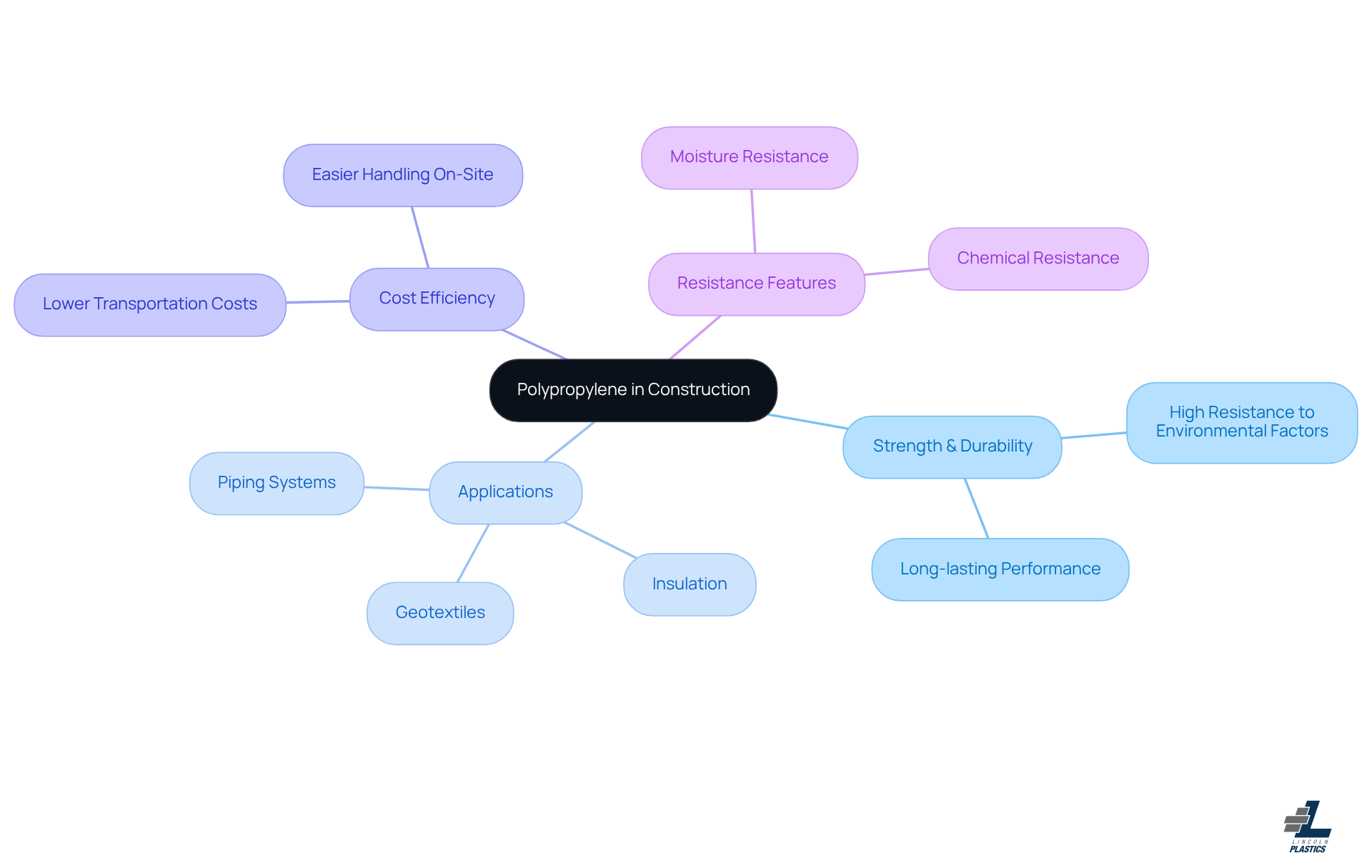
You know, polypropylene is becoming quite the go-to material in construction these days. Why? Well, it’s strong, durable, and can really hold its own against environmental factors. You’ll find various applications in all sorts of applications, like geotextiles, insulation, and roofing. Plus, it’s lightweight, which means easier handling on-site.
Now, let’s talk about its durability. This feature ensures that structures stay intact over time, making polypropylene a reliable choice for various construction projects. At Lincoln Plastics, we’re all about providing innovative solutions with our custom profiles and cable management solutions. They’re designed to protect your business and streamline operations.
And here’s the best part: our custom solutions mean you get the perfect fit for your specific needs. This not only enhances the resilience of your projects but also contributes to their longevity. So, if you’re looking to improve your construction processes, we’ve got you covered!
Food Packaging: Ensuring Safety and Freshness with Polypropylene
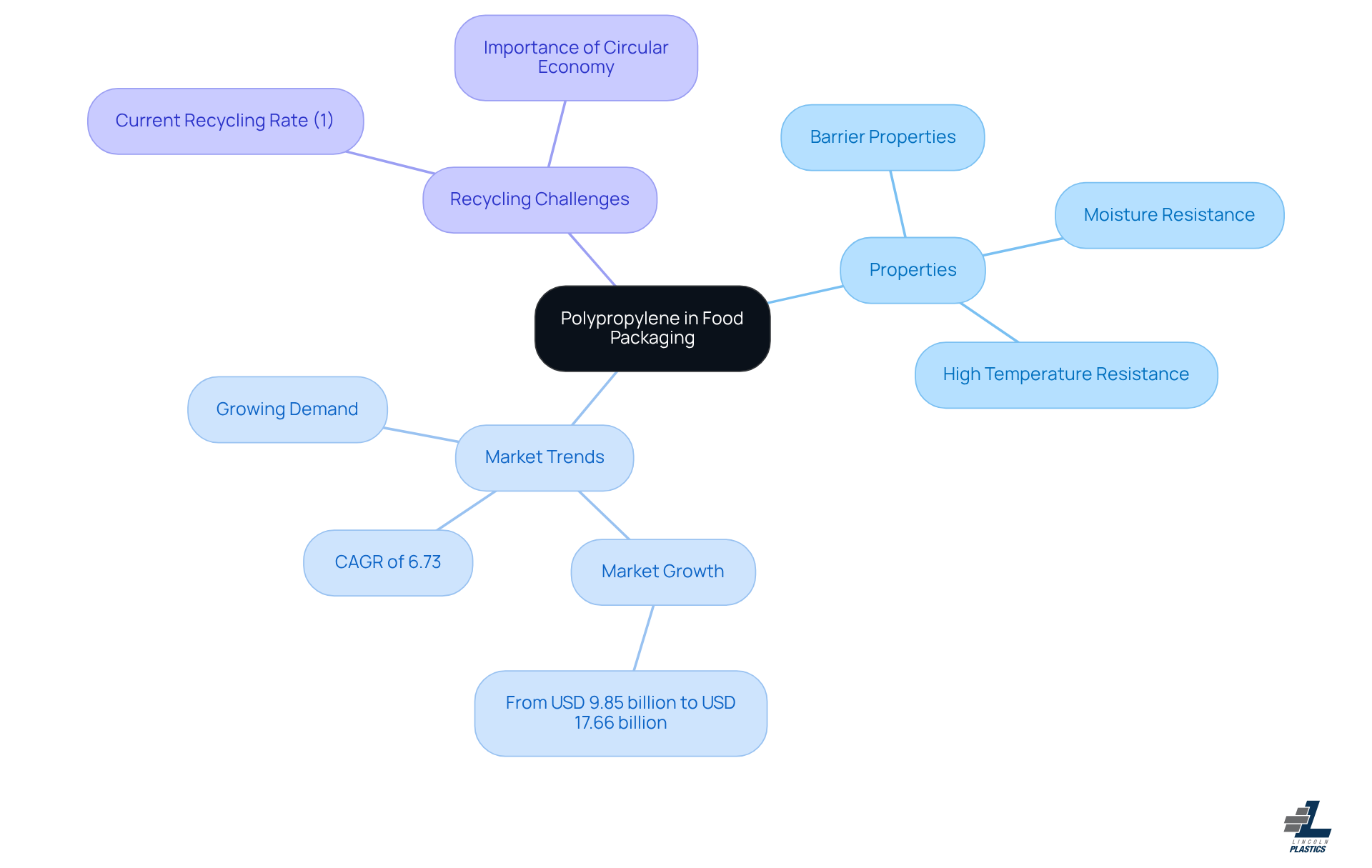
Polypropylene really shines when it comes to food packaging. Why? Well, it’s got fantastic durability and is safe for food contact. This versatile material has various applications, including in containers, wraps, and bags that need to be tough and moisture-resistant. Plus, it can handle high temperatures, making it perfect for microwave-safe containers-talk about convenience!
Now, let’s talk about what’s happening in the market. There’s a growing demand for sustainable packaging, and it’s all thanks to consumers becoming more aware of environmental issues. The global recycled plastic market is expected to see some serious growth, jumping from USD 9.85 billion in 2025 to around USD 17.66 billion by 2034. That’s a compound annual growth rate (CAGR) of 6.73%! This shift shows that companies are really trying to be more sustainable while still keeping their quality high.
Experts in food safety highlight how its properties help to keep food safe from moisture, oxygen, and contaminants. This means better protection for you! But here’s a kicker: global post-consumer recycling rates for polypropylene are still hovering around 1%. That’s a challenge the industry needs to tackle. As we look ahead to 2025, the latest trends in food safety stress the importance of using materials that not only meet regulations but also support a circular economy. And guess what? Polypropylene’s recyclability makes it a great choice for businesses that want to boost their environmental efforts while keeping food safety and quality in check.
Agricultural Applications: Utilizing Polypropylene for Efficient Irrigation Solutions
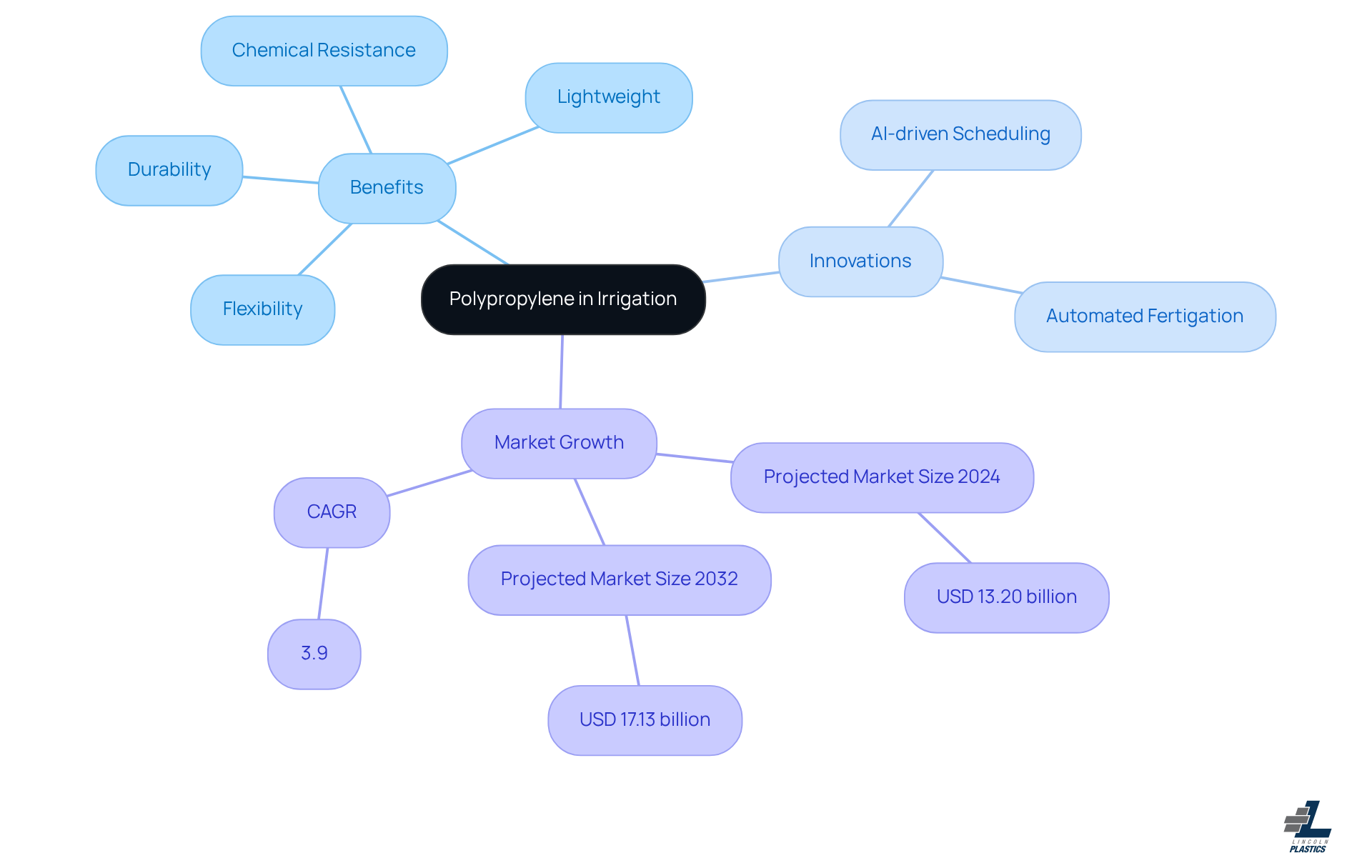
In agriculture, polypropylene products are a key player, especially in irrigation systems. Why? Well, it’s super durable and can handle all sorts of environmental challenges. Think about it: you need pipes that are both flexible and strong to get water where it needs to go. Plus, being lightweight makes transportation and installation a breeze, which can really cut down on labor costs. And let’s not forget its resistance to corrosion, which means it lasts even in tough farming conditions. Farmers can rely on it without a second thought.
Now, let’s talk about some cool innovations in irrigation tech. Have you heard about AI-driven scheduling and monitoring systems? They’re really stepping up the game for polypropylene-based systems. The use of sensors in these advancements helps manage water more precisely, optimizing resources and boosting crop yields. In fact, systems made from synthetic materials can slash water use by up to 50% compared to traditional methods. That’s pretty impressive, right?
Looking ahead, the market for irrigation solutions utilizing polypropylene is set to grow significantly. Estimates suggest it’ll jump from USD 13.20 billion in 2024 to USD 17.13 billion by 2032, which is a solid CAGR of 3.9%. What’s driving the growth? There’s a rising demand for efficiency in agriculture. As experts emphasize the importance of sustainability, the role of polypropylene really shines through, supporting its role in modern farming. It’s not just about boosting agricultural productivity; it’s also about paving the way for a more sustainable future.
Recyclability of Polypropylene: Promoting Sustainability in Plastic Use
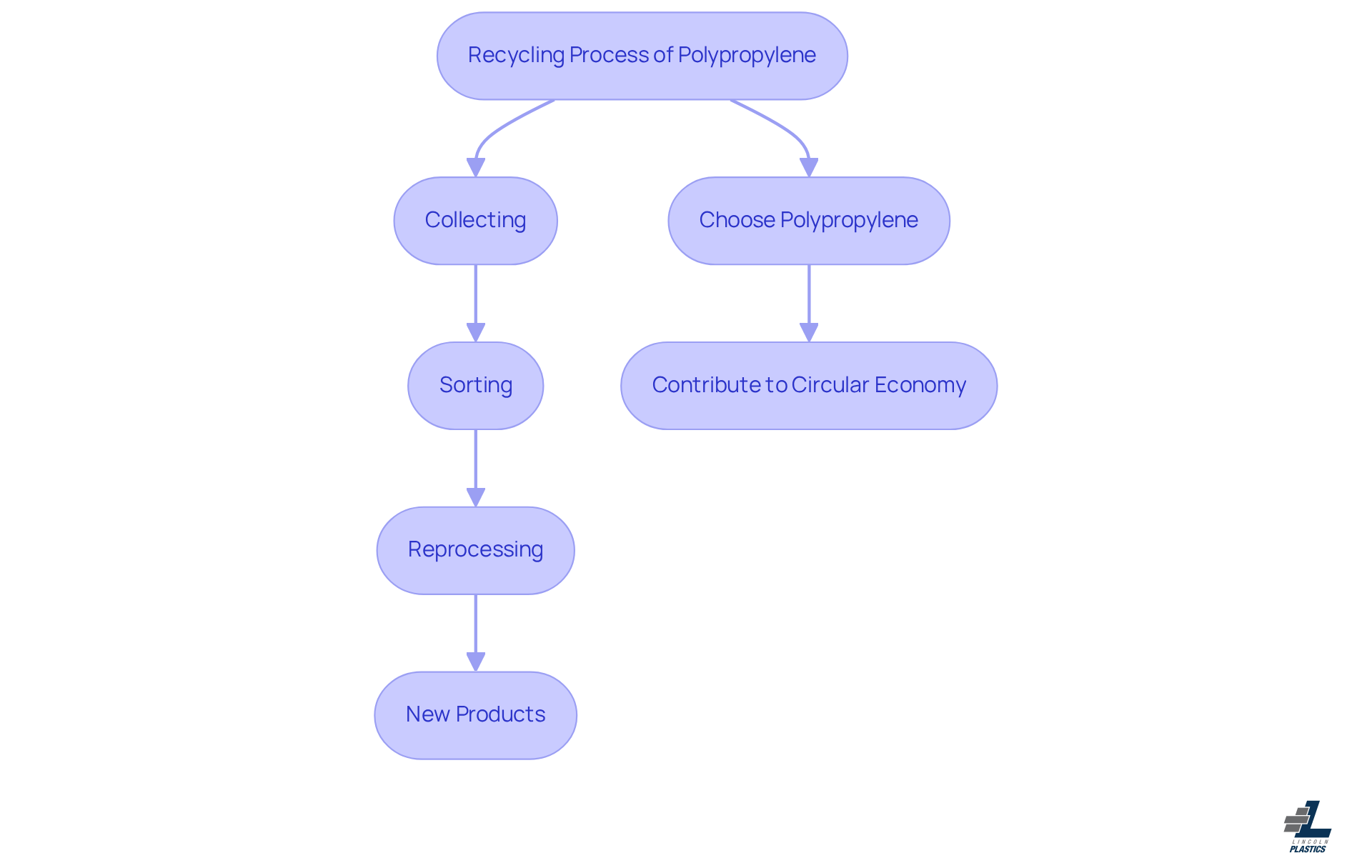
Polypropylene is one of the most versatile plastics available, which enhances its utility for various applications. You know, the recycling process is pretty straightforward: it involves collecting, sorting, and reprocessing polypropylene into new products. This not only cuts down on landfill waste but also helps conserve resources. As more companies focus on sustainability, the material really shines, positioning it as a key player in environmental efforts.
Now, let’s talk about how businesses can make a difference. By choosing this type of plastic, they can contribute to a circular economy and support efforts to reduce waste associated with plastic products. Looking ahead to 2025, polypropylene is set to solidify its role in sustainable practices. Initiatives like the APR's work on eliminating contamination in supply chains and the introduction of the APR Recycling Leadership Awards are paving the way.
Experts like Don Loepp emphasize that committing to recycling is crucial for building a sustainable future. It really reinforces the idea that the plastics industry needs to adapt to meet our evolving environmental expectations. So, what do you think? Are you ready to embrace polypropylene and make a positive impact?
Conclusion
Polypropylene has really become a go-to material in so many industries, right? Its versatility and reliability shine through in everything from packaging to healthcare and automotive applications. This article highlights why polypropylene plastic is essential for OEM purchasing managers, focusing on how it can boost operational efficiency and support sustainability goals.
Let’s break it down a bit. Polypropylene is lightweight, durable, and resistant to moisture and chemicals. These traits make it perfect for a wide range of uses - think packaging, medical devices, automotive parts, textiles, consumer goods, construction, and even agriculture. Plus, with the growing emphasis on recyclability, polypropylene is stepping up to meet the demand for eco-friendly materials and practices in the industry.
As industries keep evolving, embracing polypropylene offers a fantastic opportunity for purchasing managers to help create a more sustainable future. By incorporating this versatile plastic into their offerings, businesses can enhance their products and play a key role in promoting a circular economy. So, why not recognize the potential of polypropylene? Let’s leverage its benefits to tackle tomorrow’s challenges while being environmentally responsible!
Frequently Asked Questions
What does Lincoln Plastics specialize in?
Lincoln Plastics specializes in custom polypropylene solutions for a diverse range of applications, including products like irrigation pipes, cord covers, and various custom profiles.
How does Lincoln Plastics ensure product quality?
Lincoln Plastics focuses on quality and precision in their manufacturing processes, particularly through their expertise in extrusion molding, which allows them to meet the unique requirements of OEMs.
Why is there a rising demand for tailored plastic products?
The demand for tailored plastic products is increasing as industry leaders recognize their importance in enhancing productivity and meeting regulatory standards.
What are some common applications of polypropylene in packaging?
Polypropylene is commonly used for food containers, bottle caps, and flexible wrapping solutions due to its lightweight, durability, and moisture resistance.
What is the projected market growth for plastic film solutions?
The market for plastic film solutions is expected to grow from USD 9.23 billion in 2024 to approximately USD 17.66 billion by 2034, with a compound annual growth rate (CAGR) of 6.73% from 2025 to 2034.
How does polypropylene contribute to sustainability?
Polypropylene is recyclable, which aligns with companies' sustainability goals. The industry is working on boosting recycling infrastructure and creating closed-loop systems to enhance environmental benefits.
What advancements are being made in recycling technologies for polypropylene?
Advancements such as AI-driven sorting and quality control are improving the purity of recycled materials, making them suitable for high-performance applications, including food-grade packaging.
What are the medical applications of polypropylene?
Polypropylene is used in various medical applications, including syringes, surgical instruments, and medical packaging, due to its chemical resistance, sterilization abilities, and compliance with FDA regulations.
What is the projected market value for polypropylene in the medical field?
The market for polypropylene in the medical field is projected to reach USD 5.2 billion by 2025, capturing about 30.8% of the medical devices segment.
What recent advancements have been made in polypropylene for medical use?
Recent advancements have introduced antimicrobial properties to polypropylene, which can reduce healthcare-associated infections by up to 60%, enhancing its suitability for sterilized medical devices.
List of Sources
- Lincoln Plastics: Custom Polypropylene Solutions for Diverse Applications
- expertmarketresearch.com (https://expertmarketresearch.com/reports/polypropylene-market)
- statsmarketresearch.com (https://statsmarketresearch.com/global-modified-polypropylene-forecast-market-8064409)
- futuremarketinsights.com (https://futuremarketinsights.com/reports/polypropylene-market)
- 10 Innovative Extrusion Plastic Products for OEM Needs (https://lincoln-plastics.com/news-post/10-innovative-extrusion-plastic-products-for-oem-needs)
- lincoln-plastics.com (https://lincoln-plastics.com/news-post/10-essential-insights-on-plastic-profile-extrusions-for-oe-ms)
- Polypropylene in Packaging: Versatile Solutions for Safe and Efficient Storage
- towardspackaging.com (https://towardspackaging.com/insights/recycled-polypropylene-in-packaging-market-sizing)
- globenewswire.com (https://globenewswire.com/news-release/2025/07/24/3121202/0/en/Recycled-Polypropylene-Packaging-Market-2025-Statistics-Global-Valuation-and-Regional-Trends.html)
- cbs42.com (https://cbs42.com/business/press-releases/ein-presswire/873801069/polypropylene-market-is-projected-to-reach-usd-246-77-billion-by-2035-growing-at-a-cagr-of-6-22-from-2026-to-2035)
- globenewswire.com (https://globenewswire.com/news-release/2025/12/08/3201326/0/en/Trends-Strategies-Shaping-the-219-Billion-Polypropylene-Industry-2025-2035-Packaging-End-Use-Leads-Automotive-Gains-Momentum-in-Polypropylene-Use.html)
- Medical Applications of Polypropylene: Ensuring Safety and Sterility in Healthcare
- intelmarketresearch.com (https://intelmarketresearch.com/medical-grade-polypropylene-2025-2032-617-4052)
- futuremarketinsights.com (https://futuremarketinsights.com/reports/medical-grade-polypropylene-market)
- openpr.com (https://openpr.com/news/4294434/medical-mask-polypropylene-fiber-market-surges-with-growing)
- Polypropylene in Automotive: Enhancing Performance with Lightweight Components
- mordorintelligence.com (https://mordorintelligence.com/industry-reports/automotive-plastics-market)
- futuremarketinsights.com (https://futuremarketinsights.com/reports/polypropylene-market)
- tifluidsystems.com (https://tifluidsystems.com/2025-trends-lightweighting)
- stratviewresearch.com (https://stratviewresearch.com/3070/polypropylene-compound-market.html?srsltid=AfmBOopbJnAQ5cjuEJk3D_oSmTOJT_XTKqUCqwNp253SgvZjRceifLcG)
- bcwgroup.co.uk (https://bcwgroup.co.uk/news-and-media/news-archive/top-5-automotive-manufacturing-trends-in-2025)
- Textiles and Fabrics: The Role of Polypropylene in Modern Clothing
- grandviewresearch.com (https://grandviewresearch.com/industry-analysis/polypropylene-nonwoven-fabric-market)
- skyquestt.com (https://skyquestt.com/report/polypropylene-nonwoven-fabric-market)
- mordorintelligence.com (https://mordorintelligence.com/industry-reports/polypropylene-fibers-maket)
- smicomposites.com (https://smicomposites.com/the-new-role-of-polypropylene-fabric-in-sportswear)
- Consumer Goods: Everyday Applications of Polypropylene Plastic
- fortunebusinessinsights.com (https://fortunebusinessinsights.com/industry-reports/polypropylene-pp-market-101583)
- futuremarketinsights.com (https://futuremarketinsights.com/reports/polypropylene-market)
- expertmarketresearch.com (https://expertmarketresearch.com/reports/polypropylene-market)
- packagingeurope.com (https://packagingeurope.com/news/amcor-joins-three-year-project-to-establish-circular-recycling-for-food-packaging/13758.article)
- Polypropylene in Construction: Building Stronger and More Resilient Structures
- bigrentz.com (https://bigrentz.com/blog/construction-quotes?srsltid=AfmBOoqG2ns0XD-ojyzLOBpHFn1oGyG7jfXYH_AHEf2p740AS1UCTPnF)
- futuremarketinsights.com (https://futuremarketinsights.com/reports/polypropylene-market)
- polarismarketresearch.com (https://polarismarketresearch.com/industry-analysis/global-polypropylene-market)
- stratviewresearch.com (https://stratviewresearch.com/3070/polypropylene-compound-market.html?srsltid=AfmBOooldznLXXkuP20pT2mR7hnxbvTjl9pQDuh-CxwMQpDZ_M3mHblH)
- statista.com (https://statista.com/topics/11793/polypropylene-industry-worldwide?srsltid=AfmBOoqH2TczHuu44ZWX6fDXao6K4ZX_b448CsodiWN3Oq4wQQnpmjnQ)
- Food Packaging: Ensuring Safety and Freshness with Polypropylene
- packaging-gateway.com (https://packaging-gateway.com/news/prevented-ocean-plastic-recycled-polypropylene)
- packagingpost.com (https://packagingpost.com/2025/10/17/the-first-eu-approved-food-safe-recycled-polypropylene-a-turning-point-for-food-packaging)
- globenewswire.com (https://globenewswire.com/news-release/2025/07/24/3121202/0/en/Recycled-Polypropylene-Packaging-Market-2025-Statistics-Global-Valuation-and-Regional-Trends.html)
- plasticsnews.com (https://plasticsnews.com/processors/recycling/sp-amcor-danish-technological-institute-food-grade-pp-pe)
- Agricultural Applications: Utilizing Polypropylene for Efficient Irrigation Solutions
- polychemer.com (https://polychemer.com/news/how-hdpe-and-polypropylene-are-changing-modern-85133434.html)
- statsndata.org (https://statsndata.org/report/pp-polypropylene-pipe-market-214013)
- futuremarketinsights.com (https://futuremarketinsights.com/reports/polypropylene-market)
- agritechtomorrow.com (https://agritechtomorrow.com/news/2025/04/08/drip-irrigation-systems-cultivating-efficiency-and-sustainability-in-modern-agriculture/16523)
- intelmarketresearch.com (https://intelmarketresearch.com/polypropylene-pipes-market-14735)
- Recyclability of Polypropylene: Promoting Sustainability in Plastic Use
- borealisgroup.com (https://borealisgroup.com/news/integra-upgraded-for-recycled-polypropylene-with-borcycle-m-advanced-mechanical-recycling-technology)
- plasticsrecycling.org (https://plasticsrecycling.org/resources/2025-year-in-review-standing-together-in-a-defining-year-for-plastics-recycling)
- plasticsnews.com (https://plasticsnews.com/processors/recycling/sp-amcor-danish-technological-institute-food-grade-pp-pe)
- plasticsnews.com (https://plasticsnews.com/perspective/wm-adds-polypropylene-cups-curbside-recycling-major-step-plastics-sustainability)
- cen.acs.org (https://cen.acs.org/environment/recycling/Plastics-recycling-trouble/103/web/2025/11)


