
10 Benefits of Polypropylene Plastic Pipe for OEM Projects
Introduction
Have you ever faced challenges in finding the right materials for your projects? Well, polypropylene plastic pipe might just be the answer you’re looking for! It’s become a go-to choice for Original Equipment Manufacturer (OEM) projects, thanks to its durability, lightweight handling, and cost-effectiveness.
As industries are on the hunt for materials that not only perform well but also support sustainability, the benefits of polypropylene really stand out. But with so many options out there, what makes polypropylene pipes special? And how can they help redefine operational efficiency in manufacturing?
Let’s dive into this together!
Lincoln Plastics Polypropylene Pipe: Enhanced Durability and Reliability
Polypropylene pipes are pretty amazing, right? They’re known for their durability, which is why so many manufacturers love using them for various applications. These tubes can handle a lot of stress and pressure, ensuring they last a long time—even in tough environments. This durability means you won’t have to replace or repair them as often, which is a big win for your budget!
Now, let’s talk about reliability. When you choose Lincoln Plastics products, you’re significantly improving project outcomes. That’s crucial for keeping everything running smoothly in your OEM projects. At Lincoln Plastics, we’re all about providing top-notch solutions. We pride ourselves on delivering quality products on time, so you can trust that our pipes meet the highest standards for durability and reliability.
Curious to see how we make our products? Check out our resources page to learn more about our manufacturing processes and see our products in action!
Lightweight Composition: Simplified Handling and Installation
Have you ever struggled with heavy pipes on a job site? Well, polypropylene plastic pipe might just be the game-changer you need. They’re super lightweight, which makes handling a breeze. This not only makes transportation easier but also reduces the physical strain on workers. And guess what? That means projects can wrap up faster, which is great for keeping labor costs down and boosting productivity.
Now, let’s talk about installation. It’s straightforward, so you won’t need any fancy equipment. This simplicity really helps with efficiency. For instance, many projects using polypropylene plastic pipe have seen significant time savings, all thanks to how easy they are to handle. It’s clear that this material is a real winner when it comes to project execution.
Construction pros have noticed that the lightweight nature of these tubes allows teams to work more effectively. This leads to faster completion times and better overall results. So, if you’re looking to improve efficiency and reduce costs, why not consider making the switch to polypropylene plastic pipe?

Corrosion Resistance: Longevity in Challenging Environments
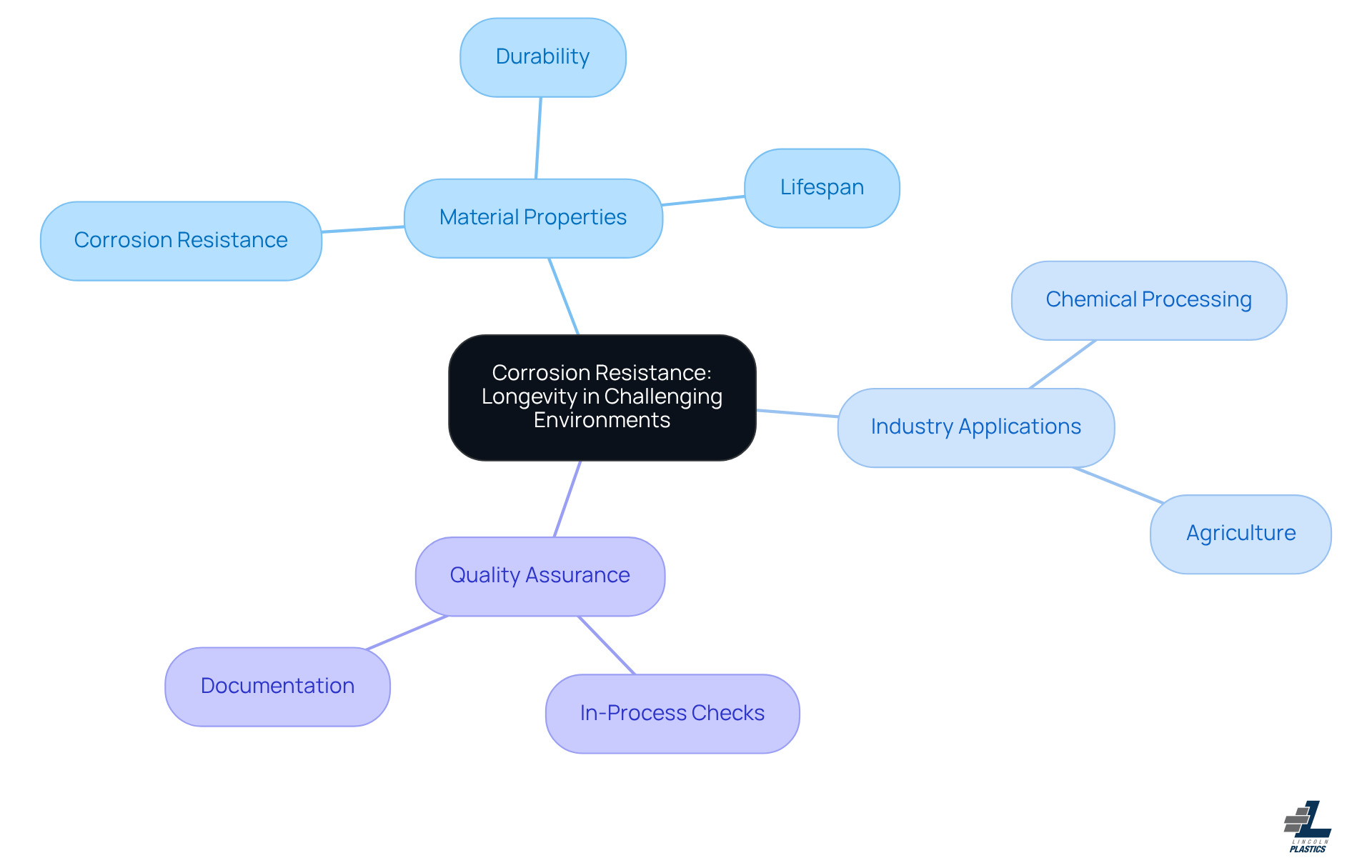
Have you ever dealt with pipes that just can’t handle the pressure? Polypropylene pipe is a game changer in those tough situations. They resist corrosion like a champ, making them perfect for environments where chemicals are a regular visitor. Unlike metal tubes that can rust and wear down over time, polypropylene keeps its cool, ensuring a long lifespan.
This durability means less time worrying about maintenance and more confidence in your piping system. That’s why many OEMs in industries like construction and manufacturing choose polypropylene to meet their needs. At Lincoln Plastics, we get it. We work hand-in-hand with OEMs to make sure our polypropylene products hit all the right standards, including special checks for fit and function.
Our quality assurance process is robust, featuring essential in-process checks and thorough documentation. This way, we ensure that every tube is made to exact specifications, boosting their durability and performance. So, if you’re looking for reliable piping solutions, let’s chat about how polypropylene can work for you!
Cost-Effectiveness: Budget-Friendly Solutions for Projects
When it comes to choosing pipes, polypropylene really shines. It strikes a fantastic balance between performance and price, making it a smart choice for many projects. Sure, the competition with other materials is tough, but the benefits are pretty significant! You’ll find that overall installation costs are lower, and the lifespan of these pipes is impressive. That’s a win for your budget, especially for large-scale projects.
Now, let’s talk about the lightweight composition. Not only does it make handling and installation a breeze, but it also cuts down on shipping costs. Who doesn’t love saving a bit more money? Financial analysts have noticed that the cost savings of polypropylene lead to increased profitability, which is why it’s become a go-to material in manufacturing.
You might be wondering just how much you can save. Well, studies show that companies using polypropylene have seen savings by as much as 30% over the life of the project. That’s a pretty compelling reason to consider this material! Plus, with polypropylene costing around $0.27 per kilogram, it’s competitive with PVC, which runs about $0.28 per kilogram. So, if you’re looking for a cost-effective solution, polypropylene pipes might just be the answer you need!

Versatility: Suitable for Diverse Applications and Industries
Polypropylene plastic pipe is super versatile, making it perfect for all sorts of applications in industries like plumbing, irrigation, and chemical processing. Its ability to handle different fluids and withstand a wide range of temperatures means OEMs can use it in various projects without compromising on performance. This versatility also simplifies inventory management for manufacturers.
At Lincoln Plastics, we work hand-in-hand with OEMs to ensure our products, including specific checks for ‘fit and function’. Our solid quality system includes dedicated documentation for each plastic profile, making sure that all critical dimensions are spot on. We use different types of check gauges to ensure a proper fit for end use. In plumbing, polypropylene pipe is a popular choice because it’s lightweight, which enhances its durability and reliability. You’ll often find it in domestic hot and cold water systems, hydronic heating, and irrigation systems. When it comes to irrigation, polypropylene pipe helps to optimize water flow, ensuring top-notch efficiency.
The market share for polypropylene pipe in plumbing and irrigation continues to grow, driven by urbanization and the increasing demand for effective plumbing solutions. Did you know that the global plastic tubing market is projected to grow at a compound annual growth rate (CAGR) of over 2.4% from 2024 to 2030? That’s a clear sign of this material’s rising popularity!
OEMs are recognizing the advantages of using polypropylene pipe as a material in their projects. As one industry expert put it, 'The versatility of polypropylene makes it suitable for demanding applications, such as pressure piping in commercial high-rise buildings.' This endorsement really highlights the material's reliability and effectiveness in various settings. Plus, we can easily source colors that match your Pantone specifications for consistency across manufacturers, which really boosts customization options.
Overall, the adaptability of polypropylene pipe not only enhances its use across different industries but also makes it a top choice for OEMs seeking lasting and effective solutions. And let’s not forget, the lightweight nature of PP-RCT tubing leads to labor savings since installation is quicker and requires less physical effort, which means more productivity on construction sites.

Ease of Installation: Reduced Labor Costs and Time
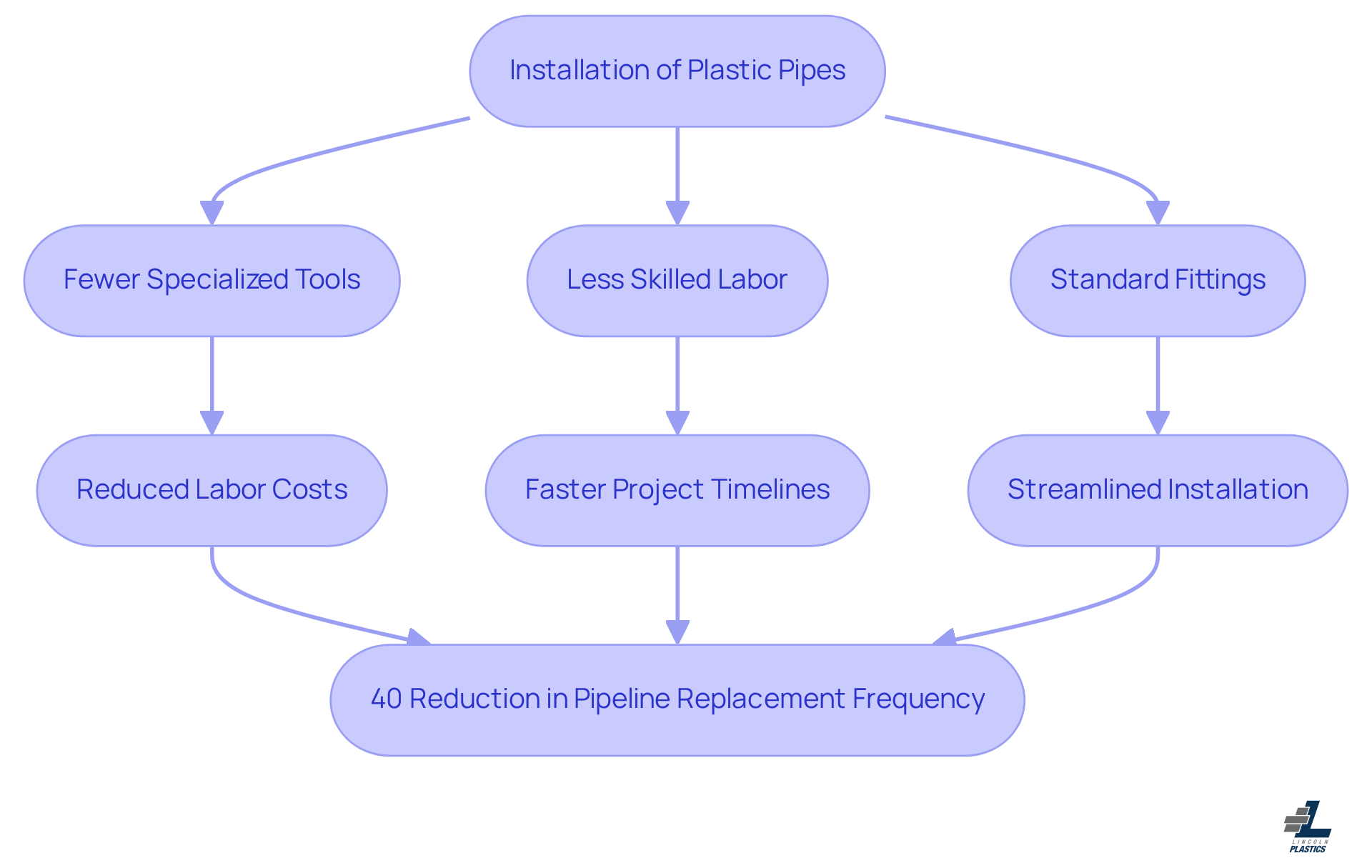
Installing plastic pipes? It’s actually pretty straightforward and efficient! You’ll find that it often requires fewer workers and less skilled labor compared to traditional piping materials. This simplicity not only cuts down on labor costs but also speeds up project completion, allowing contractors to wrap up their projects more quickly and effectively.
At Lincoln Plastics, we’re all about collaboration with manufacturers to make sure our plastic products meet all quality standards. We even have specific inspections for 'fit and function' to ensure everything’s just right. Plus, using standard fittings and connections really streamlines the installation process, making plastic an attractive choice for manufacturers.
You might be wondering about real-world results. Well, projects using plastic have reported significant time savings, with some installations completed in a fraction of the time it takes for metal systems. Contractors have noticed that the lightweight design makes handling a breeze, which not only lowers shipping costs but also speeds up on-site assembly.
And here’s a cool fact: a local initiative in North America saw a dramatic increase in efficiency after switching to plastic. That really highlights the long-term benefits of this material!
So, when you consider the cost savings, along with Lincoln Plastics' solid reputation, it’s clear that they’re a smart financial choice for OEM initiatives. Why not give it a try?
Recyclability: Supporting Sustainable Practices in Projects
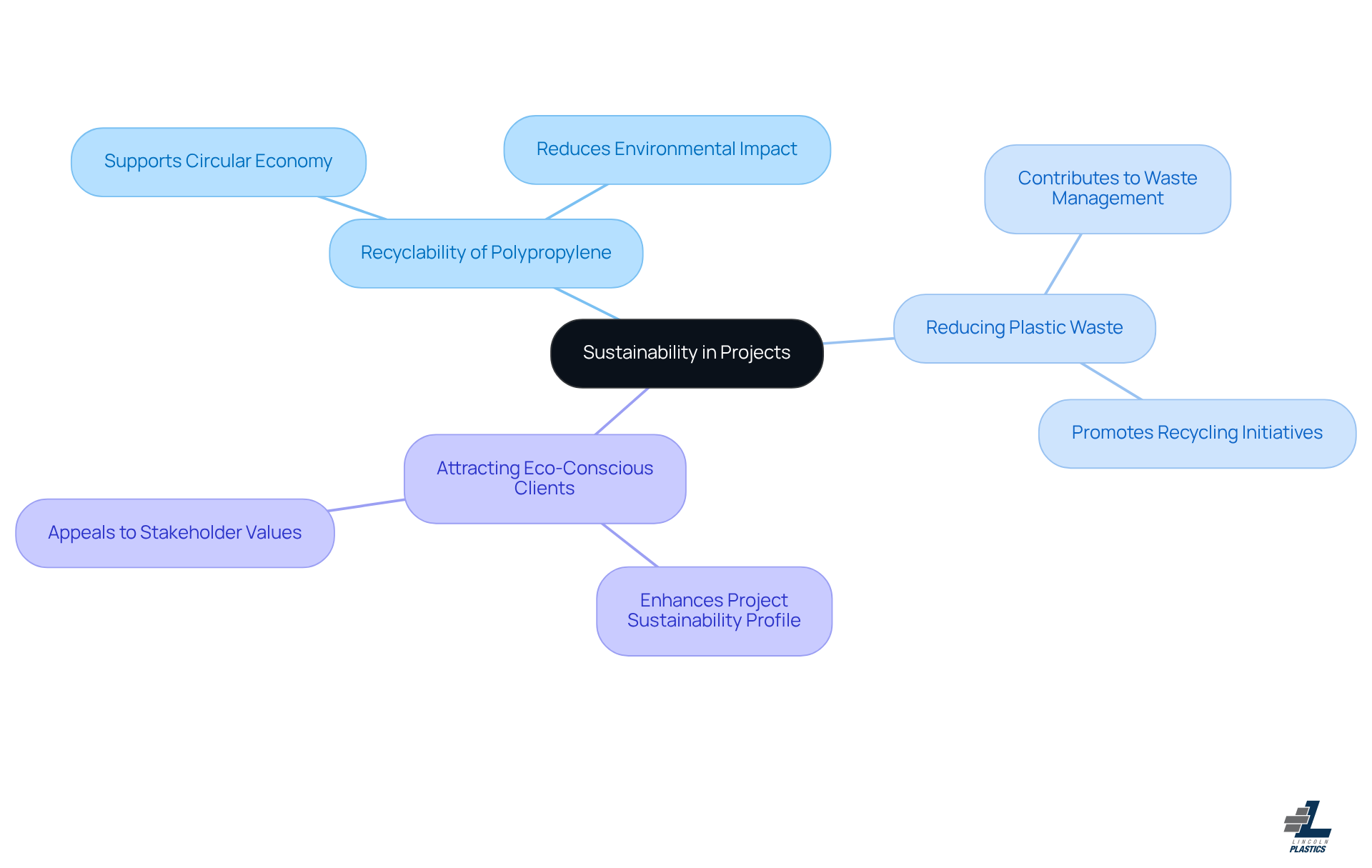
You know, sustainability is a big deal these days, right? Well, the polypropylene pipe is a solution that really fits into that picture. By choosing polypropylene, OEMs can contribute to sustainability and supporting a circular economy.
But here’s the kicker: these tubes aren’t just good for the planet; they also boost the efficiency of your projects. This makes them super attractive to clients and stakeholders. So, why not consider making the switch? It’s a win-win for everyone!
Thermal Insulation: Effective Temperature Control Solutions
Have you ever thought about how important it is to keep fluids at the right temperature during transport? Well, polypropylene plastic pipe shines in this area, thanks to its fantastic thermal insulation properties. This is especially useful in hot and cold water systems, where temperature control is key.
For example, did you know that polypropylene pipe can save you up to 30% in energy costs? That’s right! By cutting down on the need for extra heating or cooling, you can really make a difference, as shown in various industry reports. So, when you think about thermal insulation, polypropylene not only boosts efficiency but also helps meet sustainability goals. This makes them a great pick for OEMs who are all about operational excellence.
Now, let’s talk about how using insulated piping in fluid transport can significantly enhance energy efficiency. Real-world applications show that both residential and industrial settings benefit from reduced energy consumption. When we compare performance, polypropylene outshines traditional options like copper and steel in thermal insulation. This really cements its status as a smart solution for businesses looking to save costs and by utilizing advanced materials.
And there’s more! The ecological benefits of using insulated piping are hard to ignore. By reducing reliance on fossil fuels and cutting down greenhouse gas emissions, this material plays a crucial role in modern piping systems. So, if you’re considering a switch, it might just be the right time to explore the advantages of using polypropylene pipe!

UV Resistance: Durability for Outdoor Applications
Have you ever thought about how outdoor materials hold up against the sun? Well, the use of polypropylene plastic pipe can really step up its game with UV resistance. This little enhancement makes a big difference, especially when it comes to outdoor applications. It’s a game-changer for manufacturers, where products often struggle and fail due to environmental stressors.
For example, studies show that UV-stabilized plastic tubes perform well even in harsh conditions. This means that the use of these tubes will lead to long-term savings for you! Manufacturers even claim that these tubes can last much longer than their non-stabilized counterparts. In some cases, they perform effectively even after years of intense sunlight exposure.
So, if you’re looking to ensure the reliability and durability of your systems, choosing UV-stabilized pipes is a smart move. Not only does it save you money in the long run, but it also boosts your project efficiency. Why not give it a try?

Low Maintenance: Long-Term Savings and Efficiency
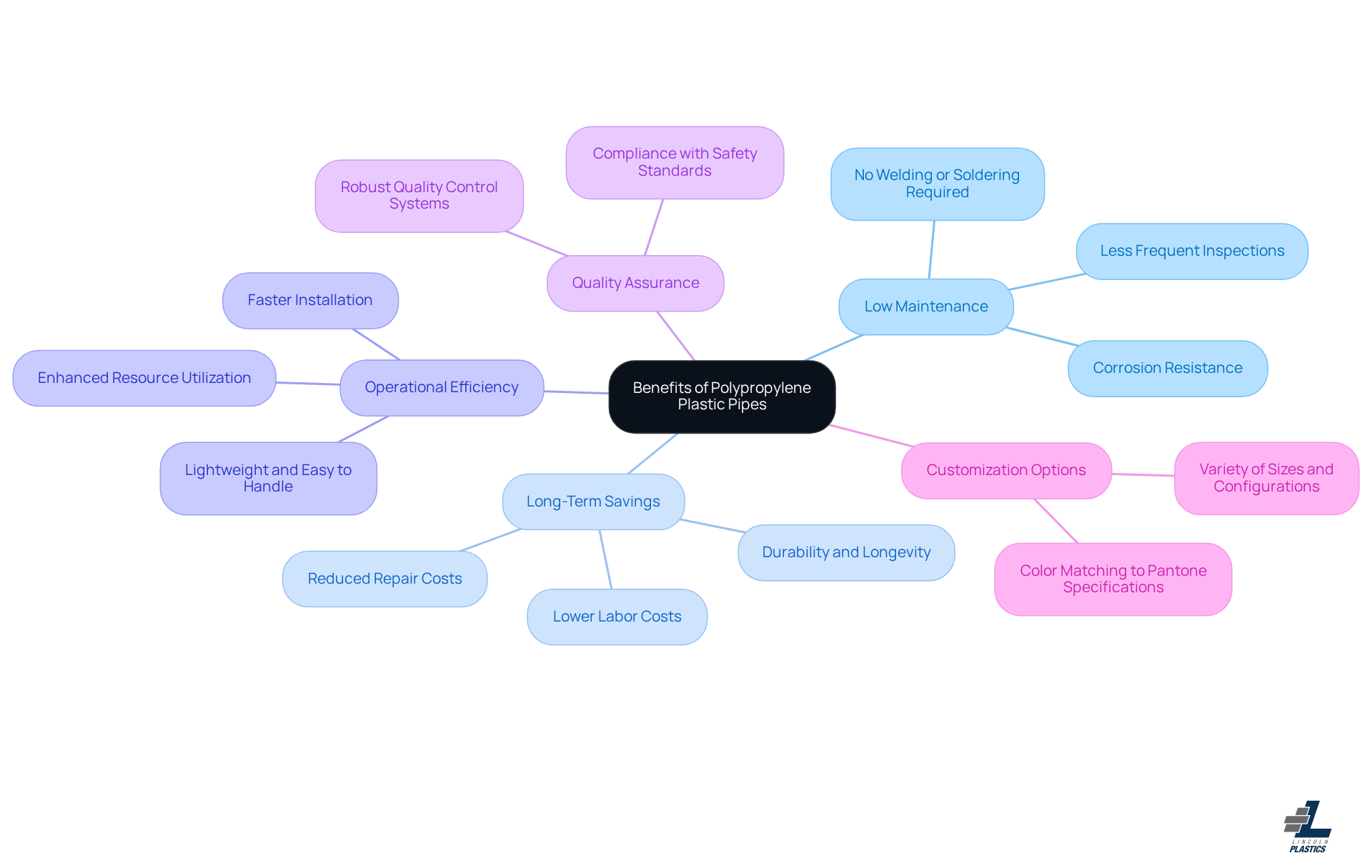
Have you ever thought about the hassle of maintaining traditional piping materials? Well, we are here to change that! They’re designed for minimal upkeep and boast fantastic resistance to corrosion, scaling, and other pesky issues that often plague metal pipes. This durability means significant savings, as it cuts down on the need for repairs.
In fact, did you know that polypropylene pipes require inspections way less often than their metal counterparts? This allows manufacturers to use their resources more effectively. By opting for polypropylene plastic pipe, companies not only enhance their efficiency but also pave the way for a more profitable project outcome.
At Lincoln Plastics, we’re all about collaboration. We work closely with OEMs to ensure our polypropylene products meet all specifications, including those special evaluations for fit and function. Our robust quality system features critical in-process checks and various types of check gauges to guarantee the perfect end-use fit. Plus, we keep detailed run documentation to ensure the pipes are made to the exact specifications needed for top-notch performance.
And here’s a neat perk: we can easily source colors that match your Pantone specifications, ensuring consistency across manufacturers. Industry leaders are all on board with this - investing in materials like polypropylene plastic pipe can lead to substantial savings. It really reinforces the material's role in cost-effective manufacturing. So, why not consider making the switch?
Conclusion
You know, when it comes to OEM projects, polypropylene plastic pipe really stands out. It’s not just durable and reliable; it’s also cost-effective, making it a go-to choice for manufacturers. This material handles stress and pressure like a champ, and it’s lightweight, corrosion-resistant, and easy to install. All these perks lead to better project outcomes and lower operational costs.
Now, let’s talk about why polypropylene pipes are so important across different applications, from plumbing to chemical processing. Their lightweight nature makes them a breeze to handle and install. Plus, with a long lifespan and low maintenance needs, they can save you a ton of money in the long run. And here’s something cool: polypropylene is recyclable! That’s a big win for eco-conscious clients and stakeholders.
So, in a nutshell, switching to polypropylene plastic pipes isn’t just smart; it’s a strategic move that boosts efficiency and sustainability in manufacturing. As industries change and the demand for reliable materials grows, embracing polypropylene technology can really set OEMs up for success. Why not consider making the switch to polypropylene plastic pipe? You’ll be amazed at the benefits it can bring to your projects!
Frequently Asked Questions
What are the main benefits of using polypropylene pipes from Lincoln Plastics?
The main benefits include enhanced durability, reliability, lightweight composition for easier handling and installation, and corrosion resistance, making them suitable for various OEM applications.
How does the durability of polypropylene tubes affect maintenance costs?
The incredible durability of polypropylene tubes means they can handle a lot of stress and pressure, leading to less frequent replacements or repairs, which ultimately saves money on maintenance costs.
Why are polypropylene pipes considered reliable for OEM projects?
Polypropylene pipes significantly lower the chances of failures, ensuring smooth operation in OEM projects and providing peace of mind regarding their performance.
What advantages do lightweight polypropylene pipes offer during installation?
Their lightweight nature simplifies handling and installation, reduces physical strain on workers, and allows for faster project completion, which helps keep labor costs down.
In what environments are polypropylene pipes particularly beneficial?
Polypropylene pipes are especially beneficial in challenging environments where chemicals are present, as they resist corrosion and do not rust like metal tubes.
How does Lincoln Plastics ensure the quality of their polypropylene products?
Lincoln Plastics has a robust quality system that includes in-process checks and thorough documentation to ensure that every tube is made to exact specifications, enhancing their durability and performance.
What industries commonly use polypropylene plastic pipes?
Industries such as chemical processing and agriculture commonly use polypropylene plastic pipes due to their durability and corrosion resistance.
List of Sources
- Lincoln Plastics Polypropylene Pipe: Enhanced Durability and Reliability
- plasticsnews.com (https://plasticsnews.com/news/plastic-pipe-trade-groups-launch-truth-about-pipes-pr-campaign)
- greenmatch.co.uk (https://greenmatch.co.uk/polypropylene-environmental-impact)
- Lightweight Composition: Simplified Handling and Installation
- lincoln-plastics.com (https://lincoln-plastics.com/news-post/10-key-benefits-of-large-clear-pvc-pipe-for-oe-ms?dcc2137a_page=34)
- facilitiesnet.com (https://facilitiesnet.com/site/brand-feature/Polypropylene-piping-offers-decades-of-benefits-for-building-operations-personnel--44169)
- supremepipe.com (https://supremepipe.com/blog/advantages-of-light-gauge-pipes)
- plasticsengineering.org (https://plasticsengineering.org/2024/05/advantages-of-hdpe-in-infrastructure-projects-004819)
- jhpiping.com (https://jhpiping.com/news/PPR-and-PE-Pipes-Key-Differences-and-Benefits.html)
- Cost-Effectiveness: Budget-Friendly Solutions for Projects
- plasticsnews.com (https://plasticsnews.com/news/plastic-pipe-trade-groups-launch-truth-about-pipes-pr-campaign)
- xometry.com (https://xometry.com/resources/materials/polypropylene-vs-pvc)
- lucintel.com (https://lucintel.com/polypropylene-pipes-market.aspx)
- datainsightsmarket.com (https://datainsightsmarket.com/reports/pp-r-pipe-243851)
- ifan-plast.com (https://ifan-plast.com/info/cost-analysis-pph-pipe-fittings-vs-other-pla-97156730.html)
- Versatility: Suitable for Diverse Applications and Industries
- bonafideresearch.com (https://bonafideresearch.com/product/95001115/global-pp-polypropylene-pipe)
- chinadawngroup.com (https://chinadawngroup.com/news/the-versatility-of-modified-polypropylene-84989730.html)
- ipsflowsystems.com (https://ipsflowsystems.com/exploring-the-versatility-of-polypropylene)
- wavin.us (https://wavin.us/blog/versatile-pp-rct-pipe)
- Ease of Installation: Reduced Labor Costs and Time
- Plastic pipe demand growing due to its ‘critical roles' (https://plasticsnews.com/news/us-plastic-pipe-market-hit-268b-2028-amid-infrastructure-surge)
- ifanbrass.com (https://ifanbrass.com/info/the-economics-of-ppr-pipes-102854729.html)
- linkedin.com (https://linkedin.com/pulse/polypropylene-pipes-real-world-5-uses-youll-actually-byoqc)
- abnpipesystems.com (https://abnpipesystems.com/en/how-choose-the-right-piping-system-for-your-project)
- lidaplastic.com (https://lidaplastic.com/news/comprehensive-guide-to-ppr-pipe-fittings-for-efficient-plumbing-solutions-and-applications.html)
- Recyclability: Supporting Sustainable Practices in Projects
- tsm-controls.com (https://tsm-controls.com/blog/case_studies/cherry-pipes-tsm-control-systems-a-partnership-in-sustainability)
- virgio.com (https://virgio.com/blogs/news/50-recycling-and-sustainability-quotes-lifestyle-fashion)
- hummingbirdinternational.net (https://hummingbirdinternational.net/quotes-about-plastic-recycling)
- 12 Recycling and Sustainability Quotes to Inspire Kindness to our Earth (https://harmony1.com/recycling-sustainability-quotes)
- Thermal Insulation: Effective Temperature Control Solutions
- parzivalplumbing.com (https://parzivalplumbing.com/top-benefits-of-pipe-insulation-for-energy-efficiency)
- ifanpvc.com (https://ifanpvc.com/index.php/2024/08/12/low-thermal-conductivity-of-ppr-pipe-an-in-depth-analysis)
- UV Resistance: Durability for Outdoor Applications
- phoenixplastics.com (https://phoenixplastics.com/what-is-uv-stabilized-plastic-why-is-it-useful)
- vibrantcolortech.com (https://vibrantcolortech.com/the-role-of-uv-stabilizers-in-plastic-manufacturing)
- greenmatch.co.uk (https://greenmatch.co.uk/polypropylene-environmental-impact)
- mdpi.com (https://mdpi.com/1996-1944/13/7/1626)
- Low Maintenance: Long-Term Savings and Efficiency
- plasticsnews.com (https://plasticsnews.com/news/plastic-pipe-trade-groups-launch-truth-about-pipes-pr-campaign)
- pilsa.co.in (https://pilsa.co.in/blogs/top-10-reasons-why-pp-r-pipe-fittings-are-the-future-of-plumbing-pilsa-pipe)
- greenmatch.co.uk (https://greenmatch.co.uk/polypropylene-environmental-impact)
- 85 Quotes - Operational Excellence and Continuous Improvement | Rever (https://reverscore.com/85-quotes-operational-excellence-and-continuous-improvement)
- deliberatedirections.com (https://deliberatedirections.com/manufacturing-excellence-quotes-industry-leaders)
Related posts

Right-Sized Production Runs: Flexibility Without the Waste
Lincoln Plastics offers right-sized production runs with a 10-hour minimum — balancing efficiency with flexibility so OEMs avoid oversized orders.


Co-Extrusion: Combining Two Materials for Better Performance
Lincoln Plastics offers co-extrusion, combining two plastics into a single profile for greater design freedom, performance, and cost savings.
Beyond Extrusion: Value-Added Services That Simplify Production
Beyond Extrusion: Value-Added Services That Simplify Production
